Newsletters


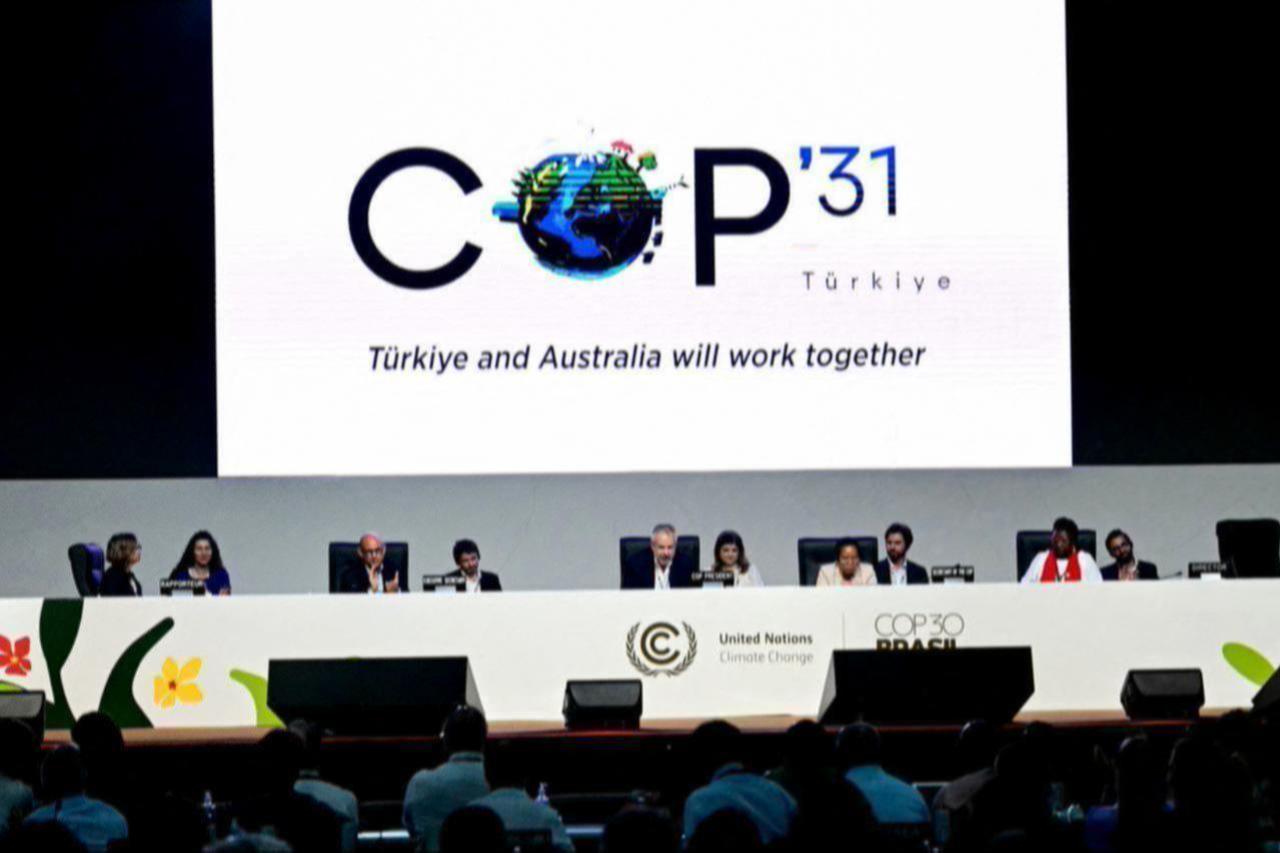


Climate policy expert Umit Sahin said climate issues that failed to gain traction at last year’s global talks could advance at COP31, which will be hosted and chaired by Türkiye.
Sahin, climate studies coordinator at Sabanci University Istanbul Policy Center, said COP31 offers an opportunity to revisit key topics left unresolved at COP30, including deforestation and fossil fuel phaseout.
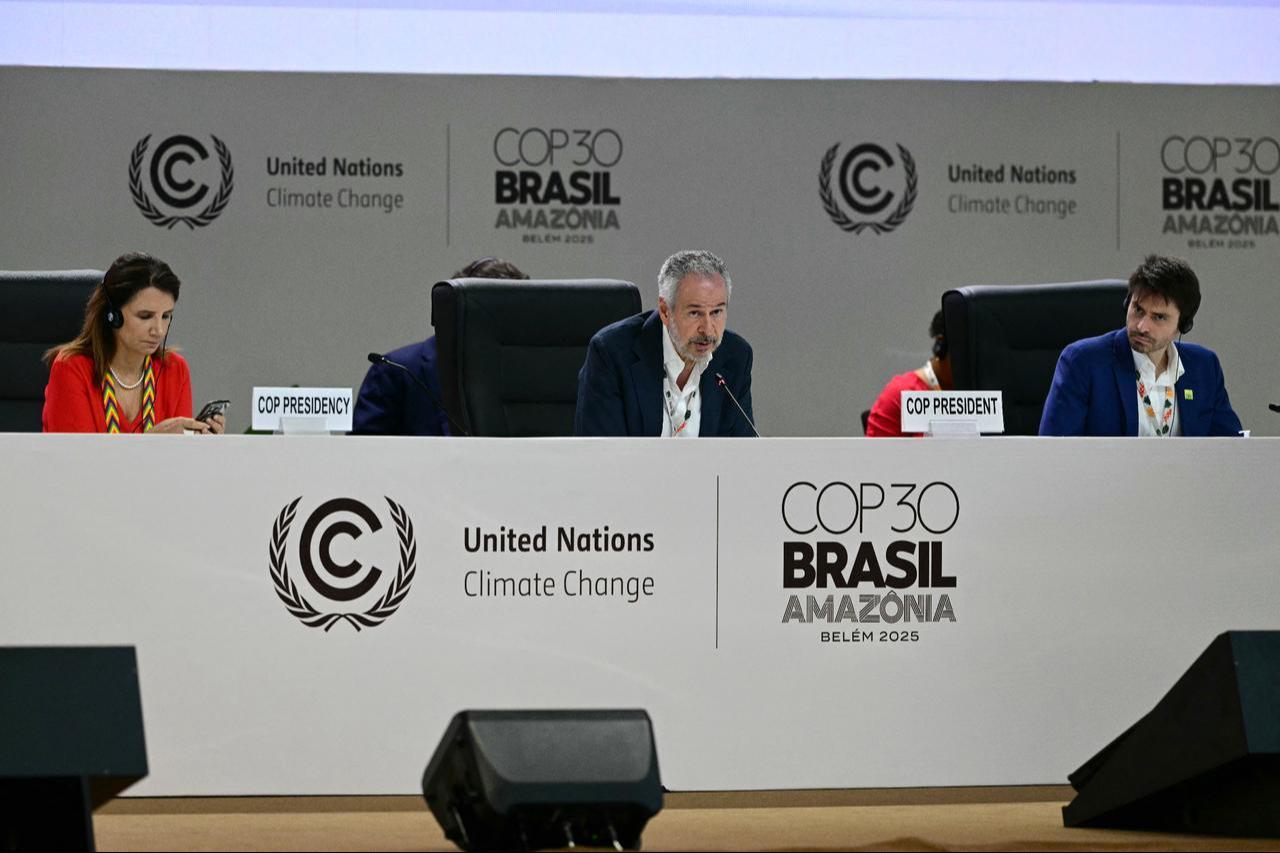
The UNFCCC’s 30th Conference of the Parties, held in Brazil, was expected to produce a roadmap for phasing out fossil fuels, but the final text did not include a clear commitment, Sahin said.
He described COP30 as a weakened conference, citing the absence of the United States after President Donald Trump withdrew the country from the Paris Agreement and took steps against renewable energy policies.
Although Brazil framed the summit as an “Amazon COP,” Sahin said it failed to deliver a concrete roadmap to reverse deforestation.
He added that while the adoption of a global adaptation goal and progress on a just transition work program were positive, overall results fell short.
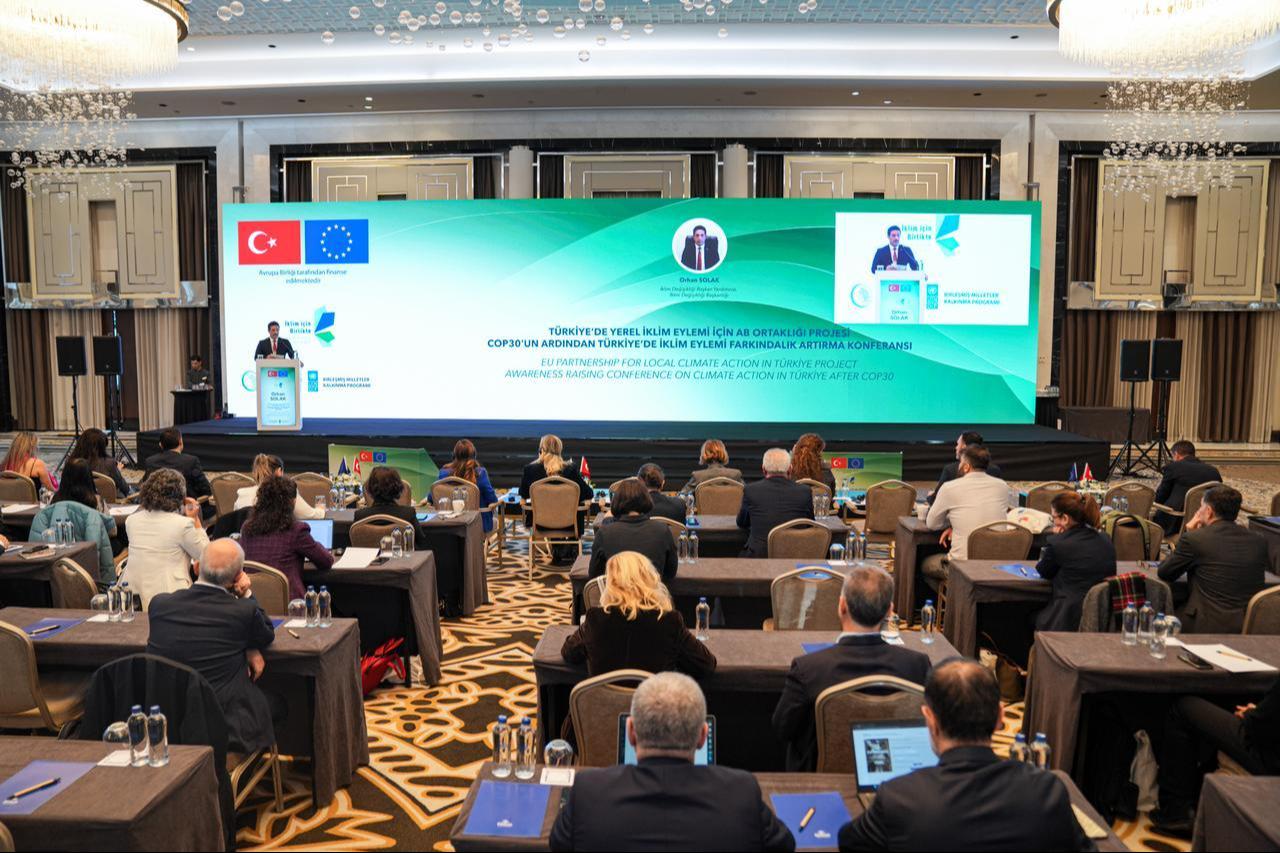

Sahin said COP30 was critical for submitting new Nationally Determined Contributions (NDCs), but synthesis reports showed that countries expected to move fastest on emissions cuts had slowed their pace.
He said current pledges would result in only a 12% emissions reduction by 2035, even if fully implemented, far below the 60% reduction target endorsed at COP28 and recommended by the IPCC.
COP31 was awarded to Türkiye following negotiations led by Environment, Urbanization and Climate Change Minister Murat Kurum, and will be hosted and chaired by the country next year.
Sahin said competition between Australia and Türkiye during the bidding process raised expectations for COP31, which he described as potentially ambitious and distinctive.
He said Mediterranean-focused cooperation could feature prominently, including proposals to raise renewable energy capacity in Mediterranean countries to 1 terawatt.
Adaptation issues such as forest fires, heat waves and extreme temperatures are also expected to be central.
“COP30 was not sufficiently successful on deforestation,” Sahin said, adding that Türkiye could take a leading role on the issue at COP31.
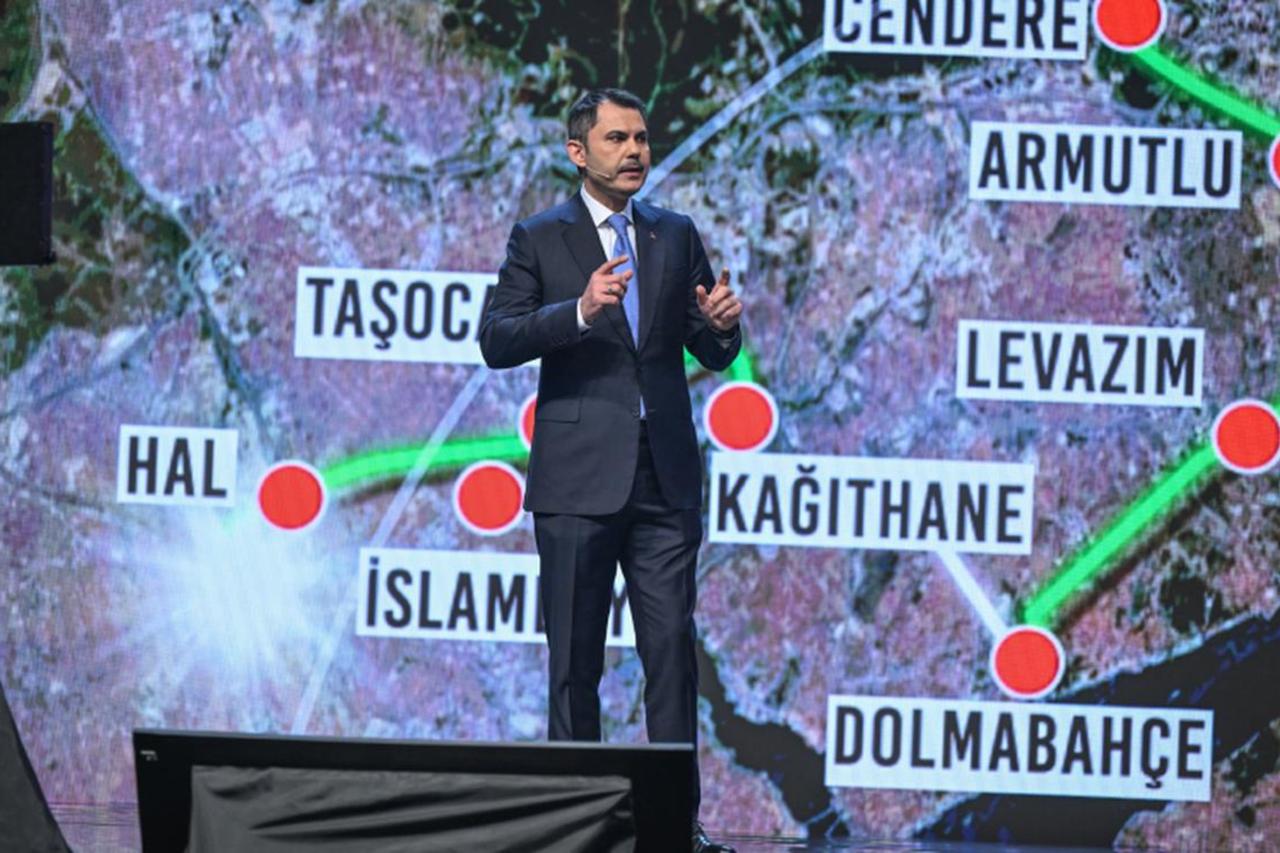
Sahin said electrification and efforts to move away from fossil fuels would also be key agenda items at COP31, noting that Türkiye should align its leadership role with its 2053 net-zero target.
He said Türkiye’s current NDC lacks a concrete emissions reduction target and argued that declaring a coal exit date would strengthen its position as COP31 president.
Referring to the Energy Ministry’s National Energy Plan, Sahin said the data points to an implicit coal phaseout, with coal’s share expected to decline significantly over the next decade.
He added that studies by the Istanbul Policy Center show a coal exit by 2036 is possible.


 Set as preferred source
 Set as preferred source


 1 min read

 1 min read