Newsletters


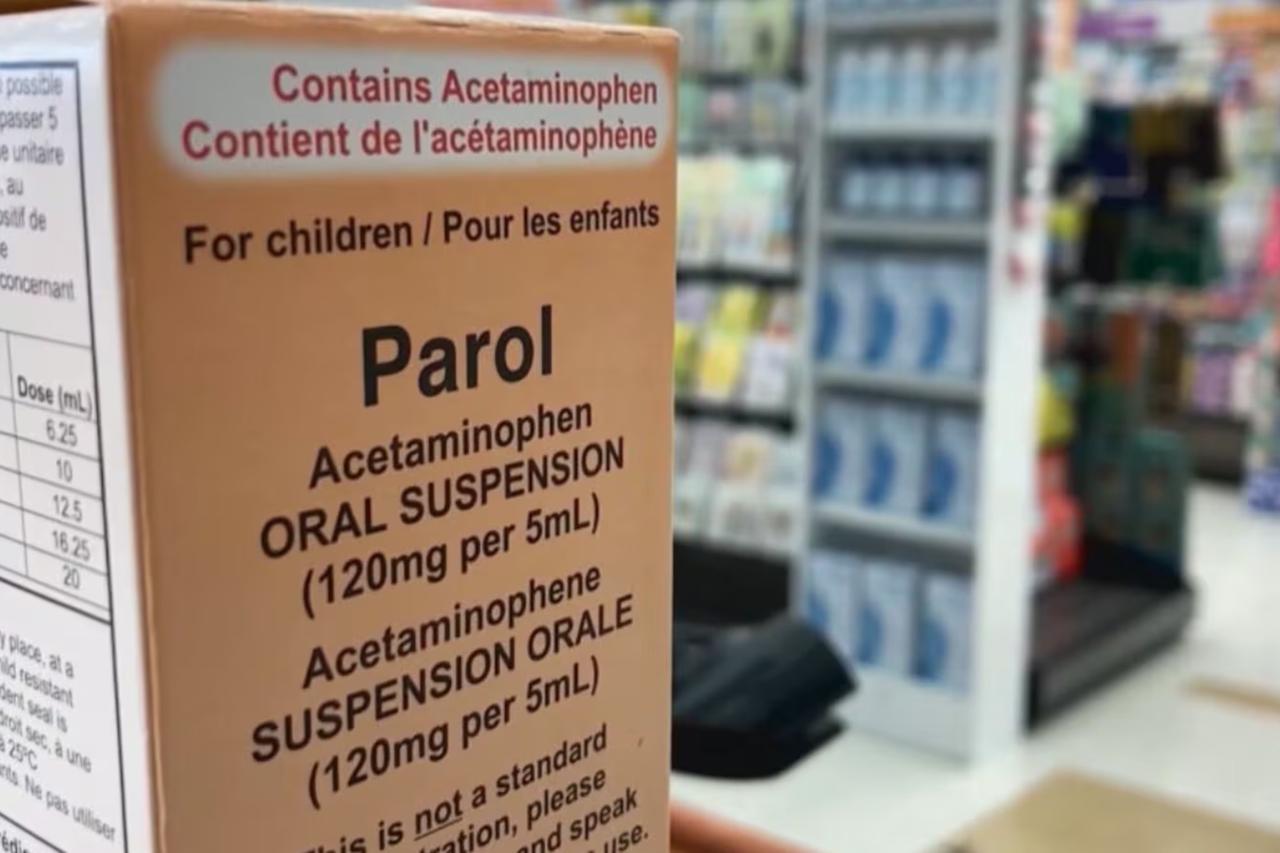


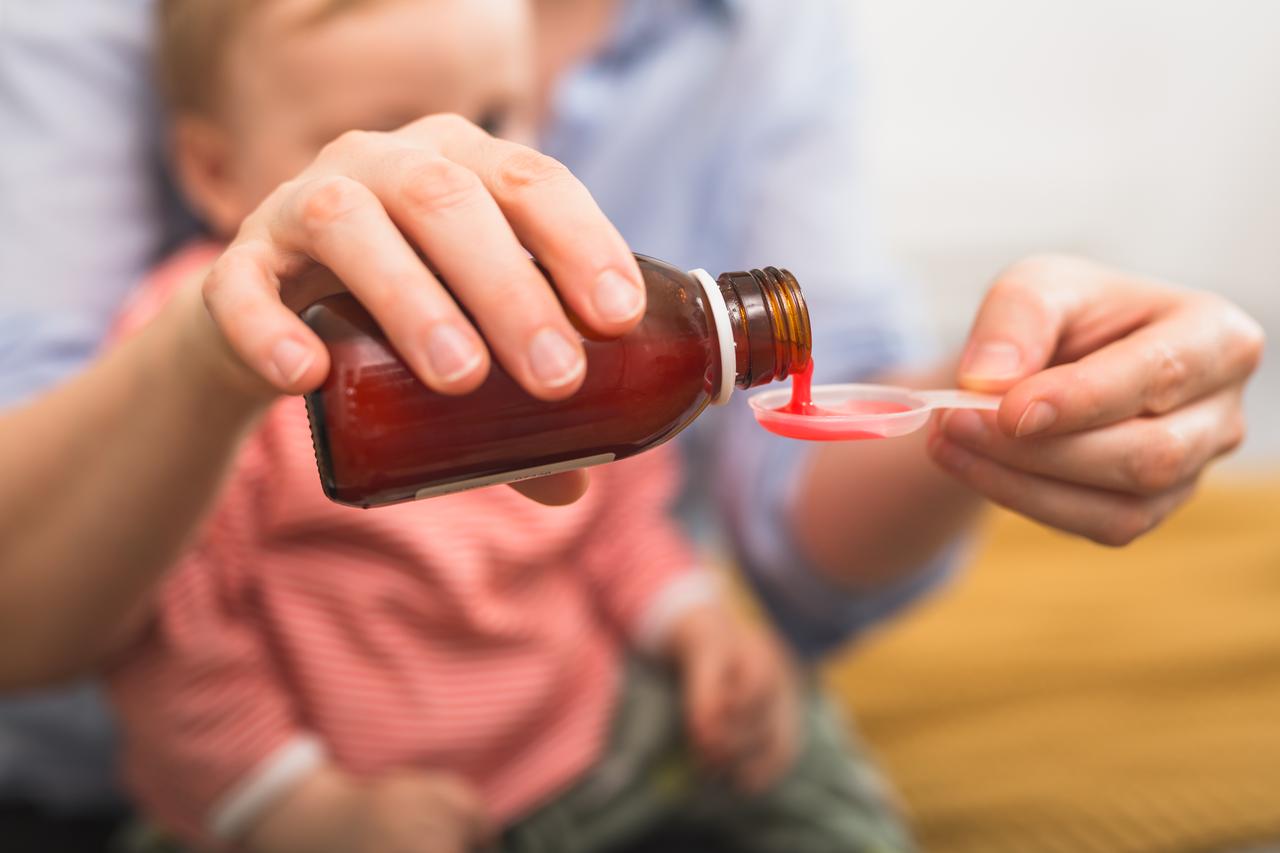
Around 700,000 bottles of Turkish-made children’s pain and fever medication worth about $35 million were destroyed in Canada after Alberta authorities failed to distribute them before expiration, sparking political backlash over public spending and crisis planning.
The medication was part of a $70 million procurement agreement signed in 2023 between Alberta authorities, Turkish manufacturer Atabay, and local importer MHCare, during a nationwide shortage of pediatric acetaminophen and ibuprofen, two common medicines used to reduce fever and relieve pain in children. The province had ordered up to five million bottles, but only a portion of the shipment arrived, including at least 1.4 million bottles later classified as surplus.
Health officials said the surplus became increasingly difficult to use or donate as expiration dates approached in early 2026, local media reported.
In June 2025, Alberta Health Services (AHS) partnered with Montreal-based Health Partners International of Canada (HPIC) to donate 1.4 million bottles to countries in need, including Ukraine. However, only about 700,000 bottles were successfully delivered abroad, while the remaining half was destroyed at the Swan Hills Treatment Centre.
The surplus medication remained in storage between 2023 and 2025, costing approximately $478,000 in storage expenses. Destroying the unused bottles added another $718,000 in disposal costs, further increasing the financial burden on public funds.
AHS spokesperson Kristi Bland said logistical barriers and limited remaining shelf life prevented full distribution.
"Since the preliminary shipments were delivered, HPIC identified challenges to donate the remaining half of the medication, with the main constraints being the expiry date of the medicine for early 2026, and logistical challenges getting the medicine to countries in need," Bland said.

Premier Danielle Smith denied any wrongdoing and called for a thorough review of the process. "They are troubling allegations and they should be reviewed as quickly as possible," Smith said.
She added that officials must "get to the bottom of this issue quickly to identify any potential wrongdoing, correct it, and address it appropriately."
Smith also defended the province’s decision to import the medication during the nationwide shortage, noting the government paid upfront and later faced changing supply conditions.
Opposition lawmakers have intensified calls for accountability, with members of the Alberta New Democratic Party (NDP) urging a formal public inquiry into the procurement and destruction of the medication.
NDP health critic Sarah Hoffman said Albertans "deserve accountability for this ongoing waste of taxpayer dollars in healthcare," as she called for a full investigation into the decisions behind the purchase and disposal of the surplus supplies.


 Set as preferred source
 Set as preferred source


 1 min read
 1 min read