Newsletters


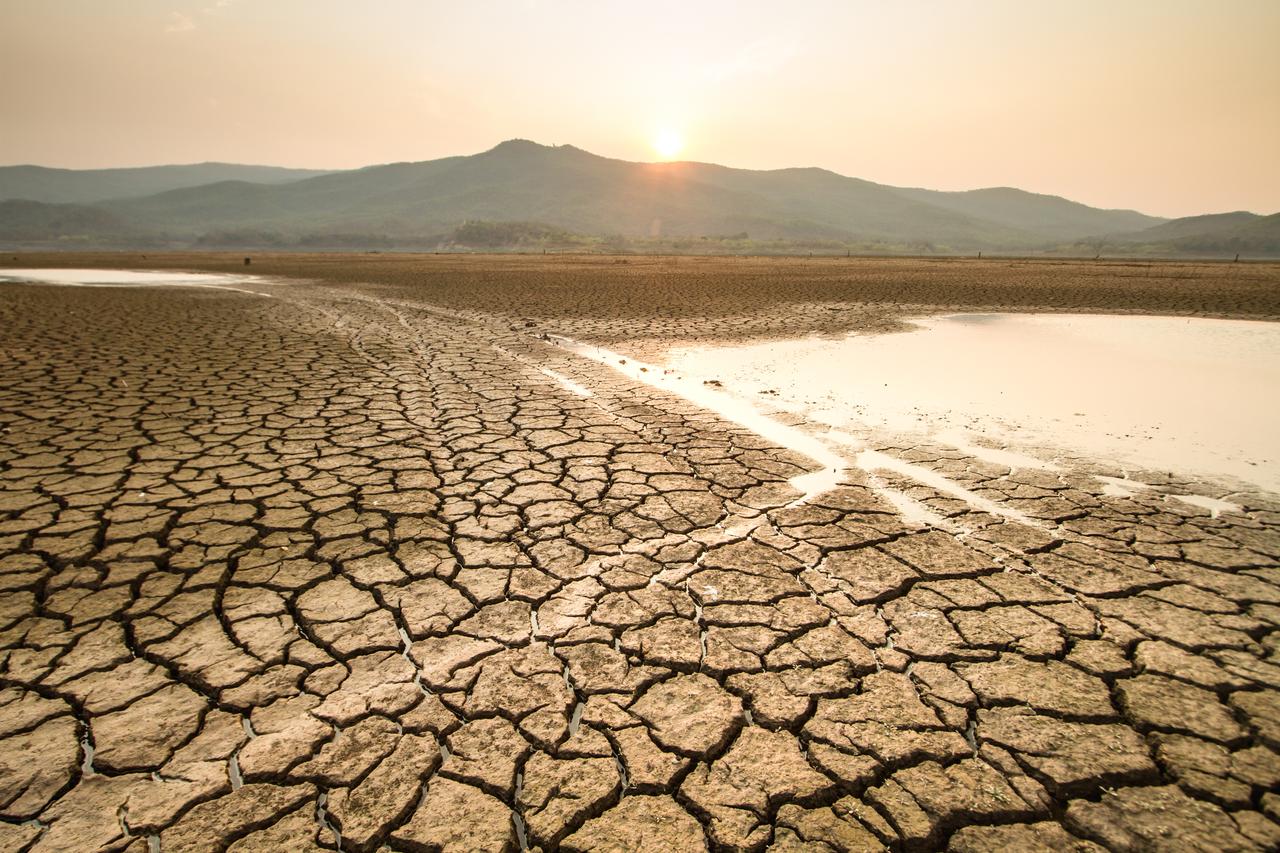


The United Nations' weather and climate agency warned on Monday that the Earth's climate is more out of balance than ever before. Rising greenhouse gas levels are causing record temperatures, melting ice, and higher sea levels, with effects that could last for thousands of years.
The World Meteorological Organization (WMO) confirmed in its annual State of the Global Climate report that the 11 hottest years on record happened between 2015 and 2025. Last year was the second or third warmest in 176 years, with global near-surface temperatures about 1.43 degrees Celsius (2.57 degrees Fahrenheit) above the 1850 to 1900 pre-industrial average.
The 2024 record of 1.55 degrees Celsius (2.79 degrees Fahrenheit) above that baseline was not surpassed in 2025, mainly because a La Niña weather pattern temporarily cooled surface temperatures in the central and eastern equatorial Pacific. However, scientists warn that this respite may be short-lived.
"If we transition to El Niño, we will see an increase in global temperature again, and potentially to new records," said John Kennedy, a scientific officer at the WMO, at a press conference Monday. Forecasts predict neutral conditions by mid-2026, but an El Niño could develop before the end of the year.
For the first time, the WMO's main annual report includes the Earth's energy imbalance as a key climate indicator. This measures how much energy enters and leaves the Earth system. In a stable climate, energy from the sun and outgoing radiation are about equal. But levels of heat-trapping greenhouse gases like carbon dioxide, methane, and nitrous oxide are now the highest in at least 800,000 years, upsetting that balance.
The WMO reported that the energy imbalance hit a new high in 2025. It has been increasing since measurements started in 1960, with the fastest growth in the last twenty years.
"Human activities are increasingly disrupting the natural equilibrium, and we will live with these consequences for hundreds and thousands of years," said WMO Secretary-General Celeste Saulo.
The ocean absorbs more than 91% of the extra heat, helping to keep land temperatures from rising even more. Ocean heat content reached a record high in 2025 for the ninth year in a row. Over the past twenty years, the rate of ocean warming has more than doubled compared to 1960 to 2005. About 90% of the ocean's surface had at least one marine heatwave last year, even with La Niña conditions.
The effects go far beyond just temperature. Warmer oceans and melting ice are speeding up global sea-level rise, which in 2025 was about 11 centimeters (4.3 inches) higher than when satellite tracking began in 1993. Glacier loss in 2024 and 2025 was among the five worst years ever, with especially large losses in Iceland and along North America's Pacific coast. Arctic sea ice in 2025 was at its lowest or second-lowest level since satellites began tracking.
The WMO also pointed out the rising health impacts of climate change. Heat stress now threatens more than 1.2 billion workers, which is over a third of the global workforce, especially in agriculture and construction. The report also noted that dengue is now the fastest-growing mosquito-borne disease in the world, with record-high cases and about half the global population at risk.
U.N. Secretary-General António Guterres used the report's release on World Meteorological Day to renew his call for countries to move away from fossil fuels.
"Planet Earth is being pushed beyond its limits. Every key climate indicator is flashing red," Guterres said. "Today's report should come with a warning label: climate chaos is accelerating, and delay is deadly."
The State of the Global Climate report is put together with input from national meteorological services, WMO regional climate centers, and many international experts. The WMO has released yearly climate assessments for over 30 years.


 Set as preferred source
 Set as preferred source



 3 min read