Newsletters


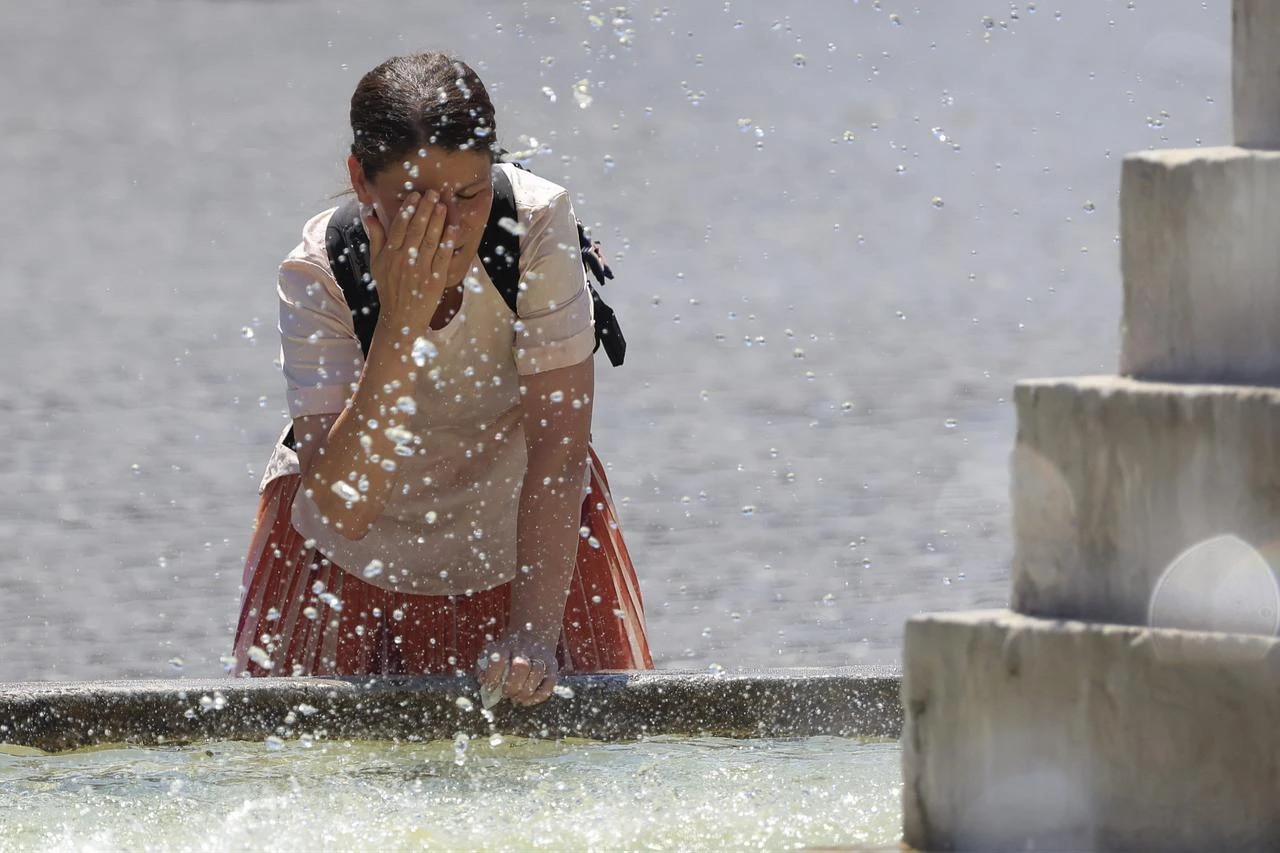


Fatigue during the summer months is often temporary, but should be investigated when it persists for weeks, according to Dr. Bunyamin Yavuz, a cardiology specialist at Medicana Kadikoy Hospital in Istanbul's Asian side.
Rising temperatures and humidity affect the body's fluid balance and can cause weakness, headaches, drowsiness and heart palpitations, according to a statement from the hospital.
Fatigue that affects daily life and can last for weeks is linked not only to hot weather, but also to fluid loss, an irregular diet, sleep disorders, anemia, and some cardiovascular conditions.
Yavuz said blood vessels widen and sweating increases as the body works to regulate its temperature in hot weather, resulting in the loss of fluids and minerals.
He said blood volume can decrease when water intake is insufficient, which can lead to weakness, headaches, palpitations and low blood pressure.
Yavuz said fluid loss can be more pronounced among older adults, people with hypertension or heart disease, outdoor workers and those engaging in intense physical activity.
"Drinking water only when thirsty may not be enough in summer months. Sweating also causes the loss of minerals such as sodium, potassium and magnesium. An imbalance in these minerals can increase fatigue and, in some people, create conditions for irregular heart rhythms," he said.


Skipping meals, eating only fruit or going long periods without food can add to low energy in summer, Yavuz said, noting that skipping breakfast and inadequate protein intake in particular can negatively affect muscle strength and overall energy levels.
Yavuz said choosing light but balanced meals in summer, along with sufficient protein, vegetables, whole grains and healthy fats, also matters for cardiovascular health.
"Staying awake until late hours, waking up frequently due to heat and shorter sleep duration are common in summer. Poor sleep quality can cause fatigue, reduced concentration and lower work performance the next day. Symptoms can become more pronounced in people with chronic sleep problems during summer. A cool sleeping environment, avoiding heavy meals before bed and maintaining regular sleep hours can help," he said.
Yavuz said that in addition to fatigue, palpitations, chest pressure, shortness of breath or a marked drop in exercise capacity should prompt a cardiovascular evaluation.
He also warned patients using blood pressure medication and diuretics in hot weather to pay closer attention to fluid balance and not to change medication without medical advice.

To maintain energy levels in summer, Yavuz recommended regular fluid intake, choosing light meals over heavy or fatty food, avoiding intense physical activity during the hottest hours of the day, and not neglecting light exercise such as regular walking.
Yavuz said the underlying causes of fatigue should be investigated if it lasts for weeks, gradually increases, or reaches a level that affects daily life.
"The body sometimes responds to fluid loss, anemia, rhythm disorders or another health issue with fatigue. Especially if there is a new and increasingly noticeable loss of energy, the reason for it needs to be identified," he added.


 Set as preferred source
 Set as preferred source




 6 min read