Newsletters


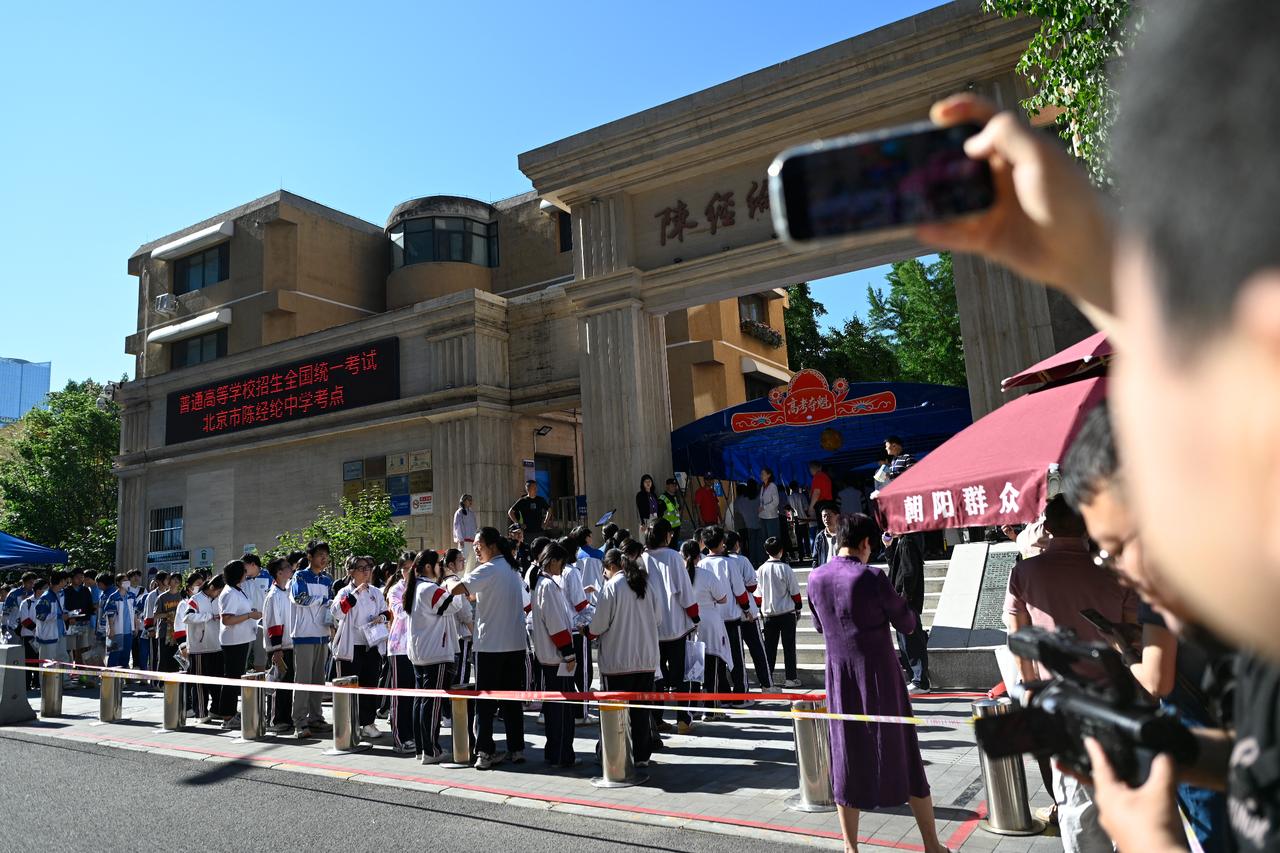


This year, about 12.9 million students across China took the gaokao, the national university entrance exam, according to China's Ministry of Education.
For most students, this multi-day test is the only factor that decides if they can attend a Chinese university, making it one of the most important academic events in the world.
The exam started on Sunday and includes the Chinese language, mathematics, English, science and humanities. Results will be announced later this month.
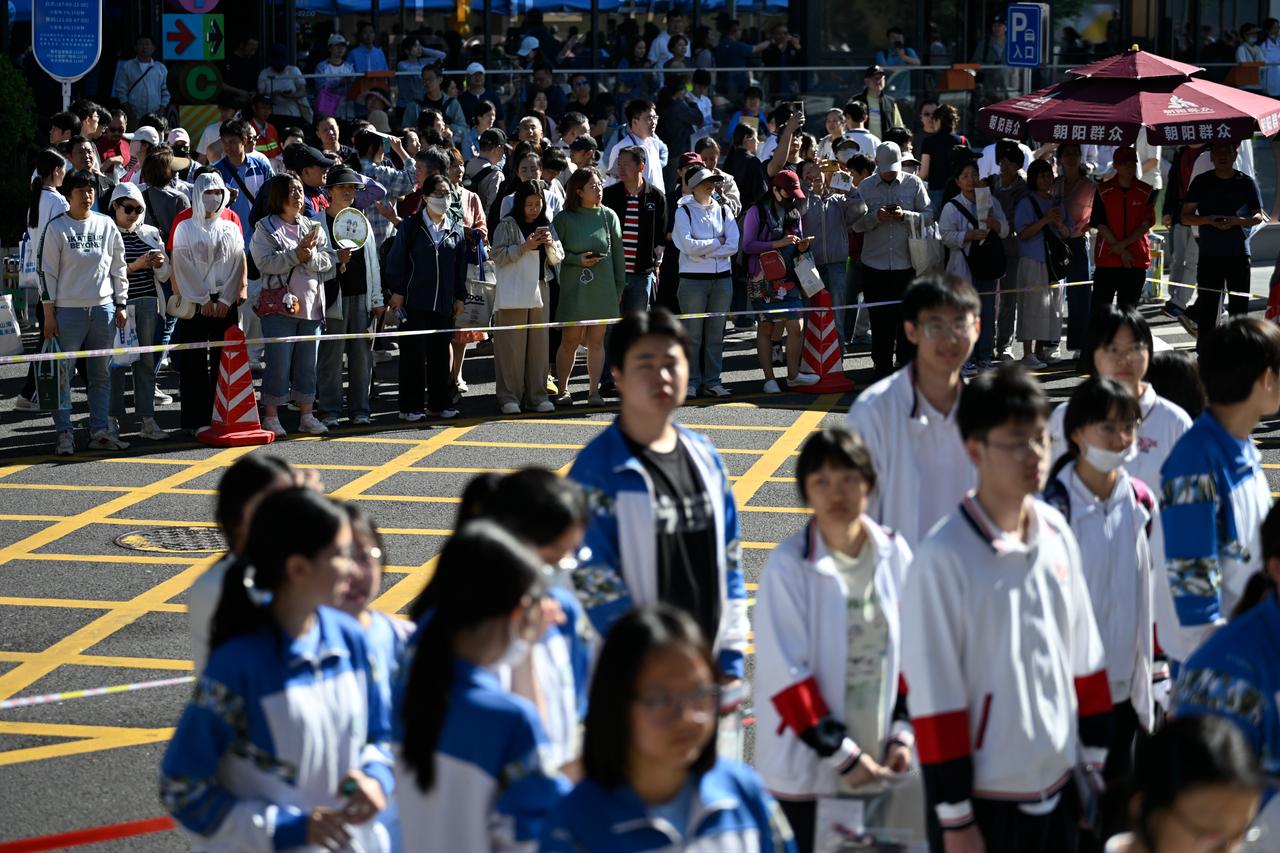

In Beijing, students wearing school uniforms entered testing centers while parents waited outside. Some people wore red, which is a symbol of good luck in Chinese culture.
At one location, a teacher showed a large sunflower made from balloons. In Mandarin, the word for sunflower sounds like a phrase linked to success.
Every year, education authorities enforce strict security during the exam.
This year, students were explicitly told not to bring smart glasses or smartwatches into the testing sites, which are monitored by video cameras.
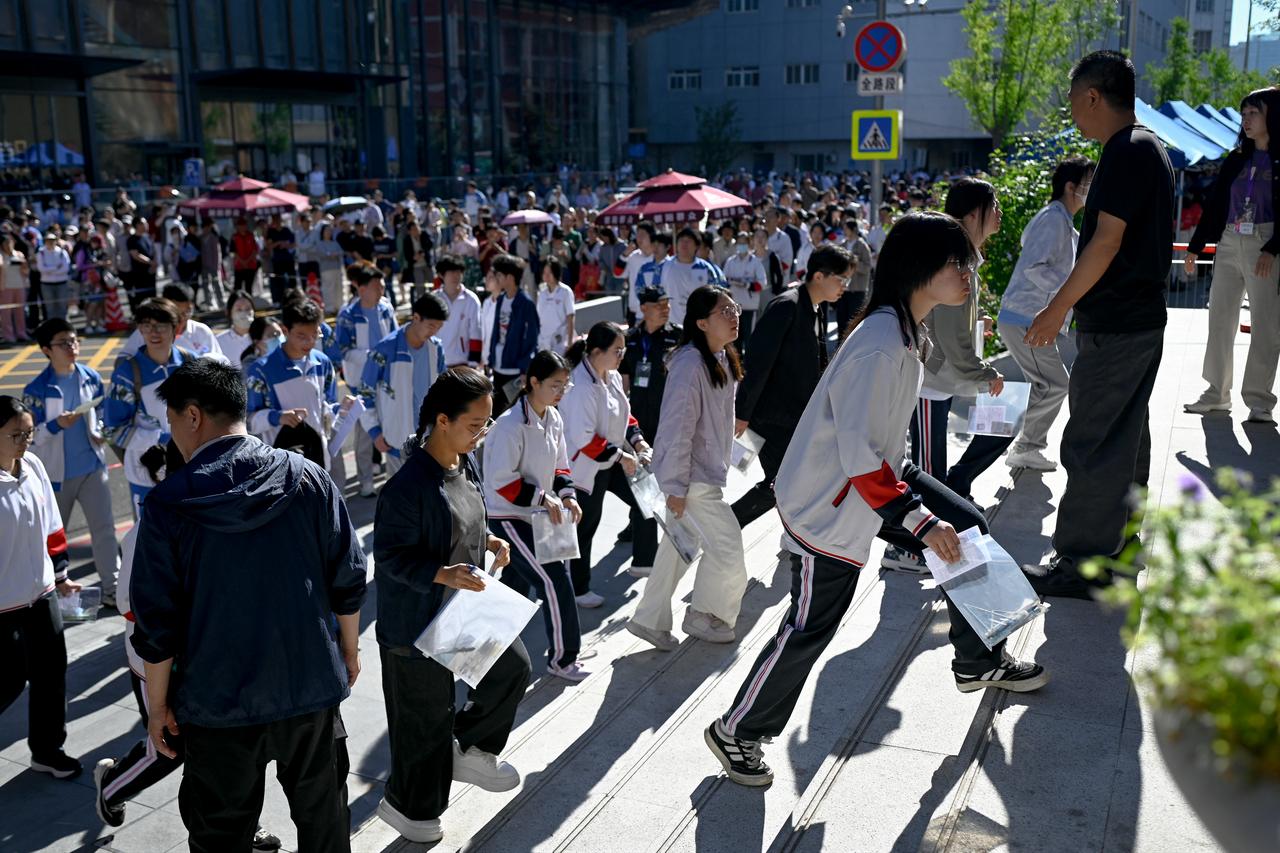
Higher education in China grew quickly as years of economic growth improved living standards and raised parents' expectations. However, the job market has shifted.
Youth unemployment is still a big issue, with about one in six Chinese people aged 16 to 24 who are not students currently unemployed, according to official data.
With these changes, people’s views on the gaokao are also changing. More students and parents now hesitate to put exam scores above physical and mental health.
One mother in Beijing told AFP she cares more about her daughter's health than the exam result. 'Just perform normally; that's enough,' she said.
She also said she would rather see the gaokao abolished, though she admitted that it is unlikely.
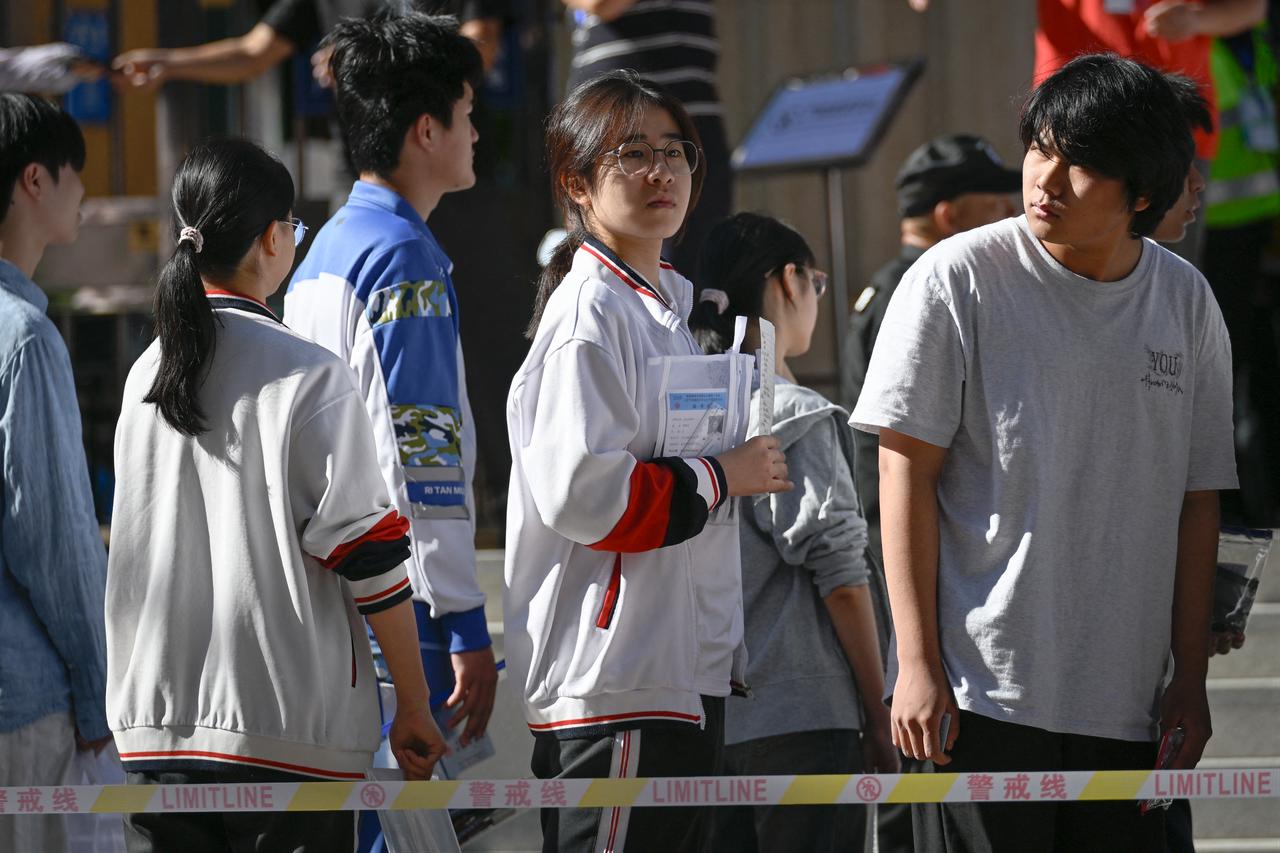
This year’s exam questions also touched on wider social topics. In Beijing, one question asked students to write a slogan for an artificial intelligence event for retirees.
In Shanghai, students had to write an 800-word essay about how technology is changing the world and human imagination.
For Zhang Xinnan, a student entering the exam hall in Beijing for the first time, feeling nervous was normal after a year of preparation. 'The things we needed to master have been mastered,' he told AFP. 'Mentality is the most important when it comes to the gaokao.'
Even as things change, millions of Chinese students still see the exam as the main way to reach their goals and get into the universities they hope to attend.


 Set as preferred source
 Set as preferred source



 1 min read