Newsletters


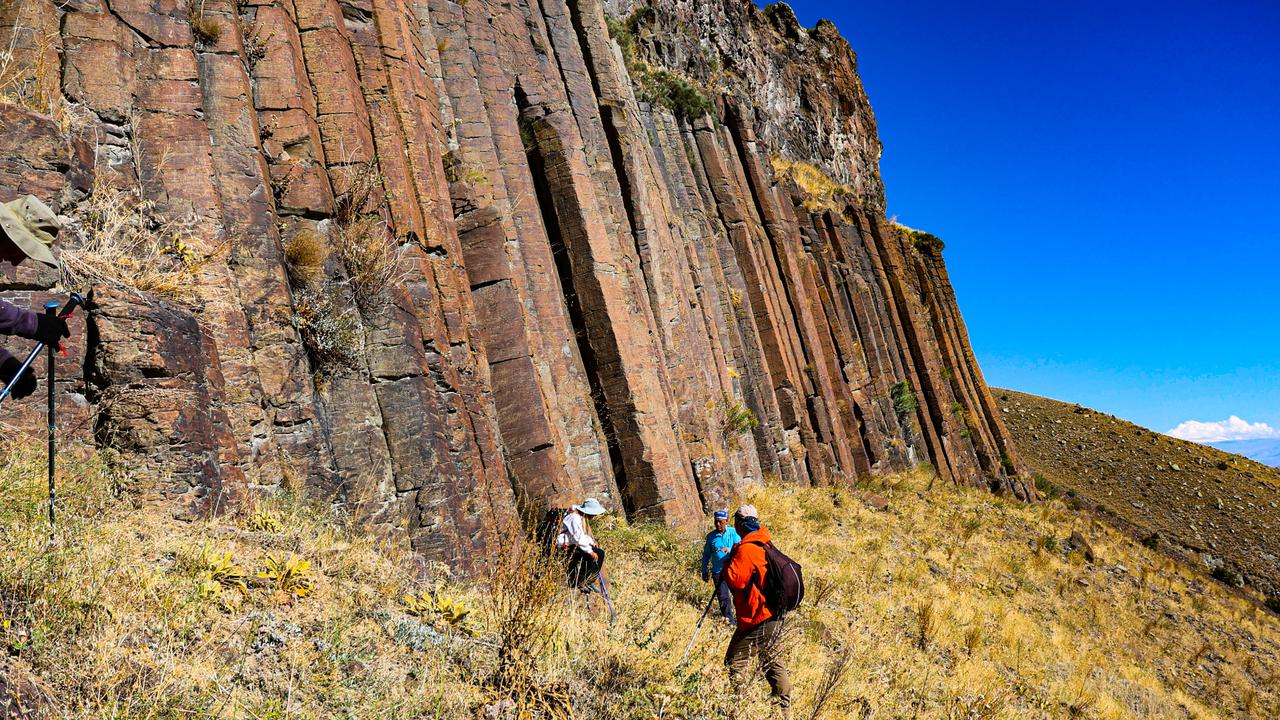
Basalt columns that formed in the Kagizman district of Kars about 6 to 7 million years ago as a result of volcanic activity have become a new route for nature lovers in eastern Türkiye.
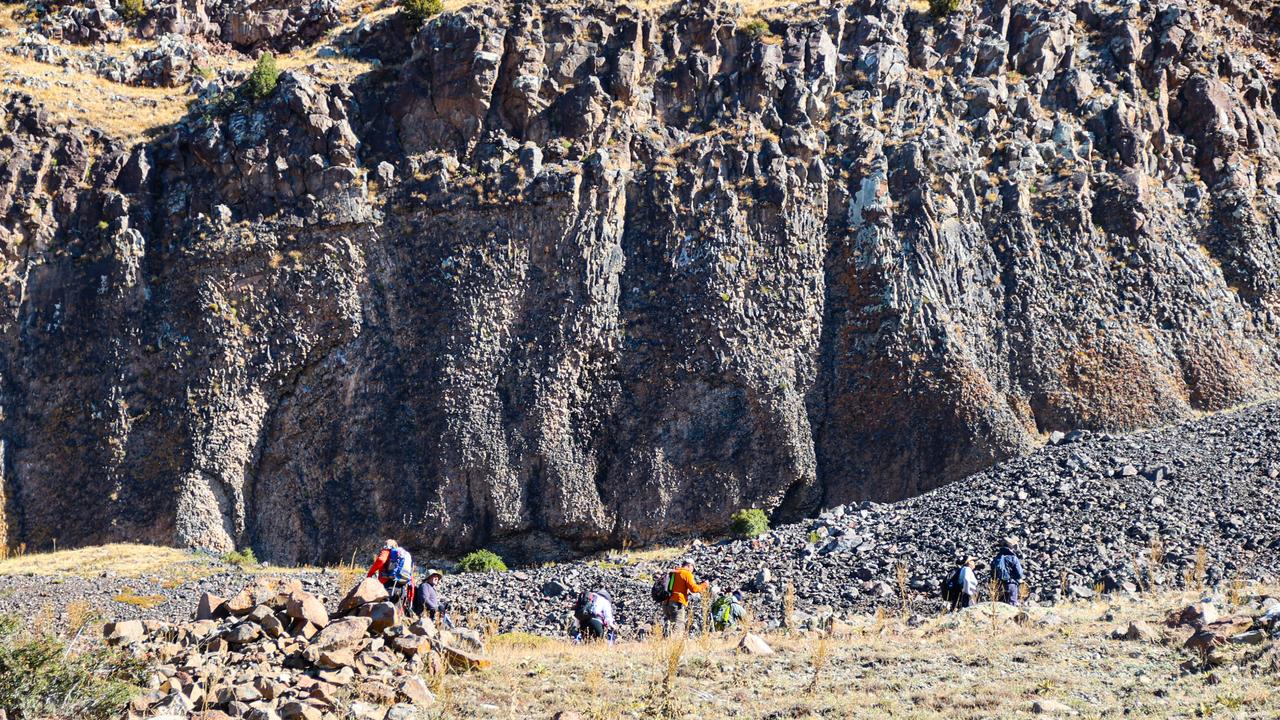
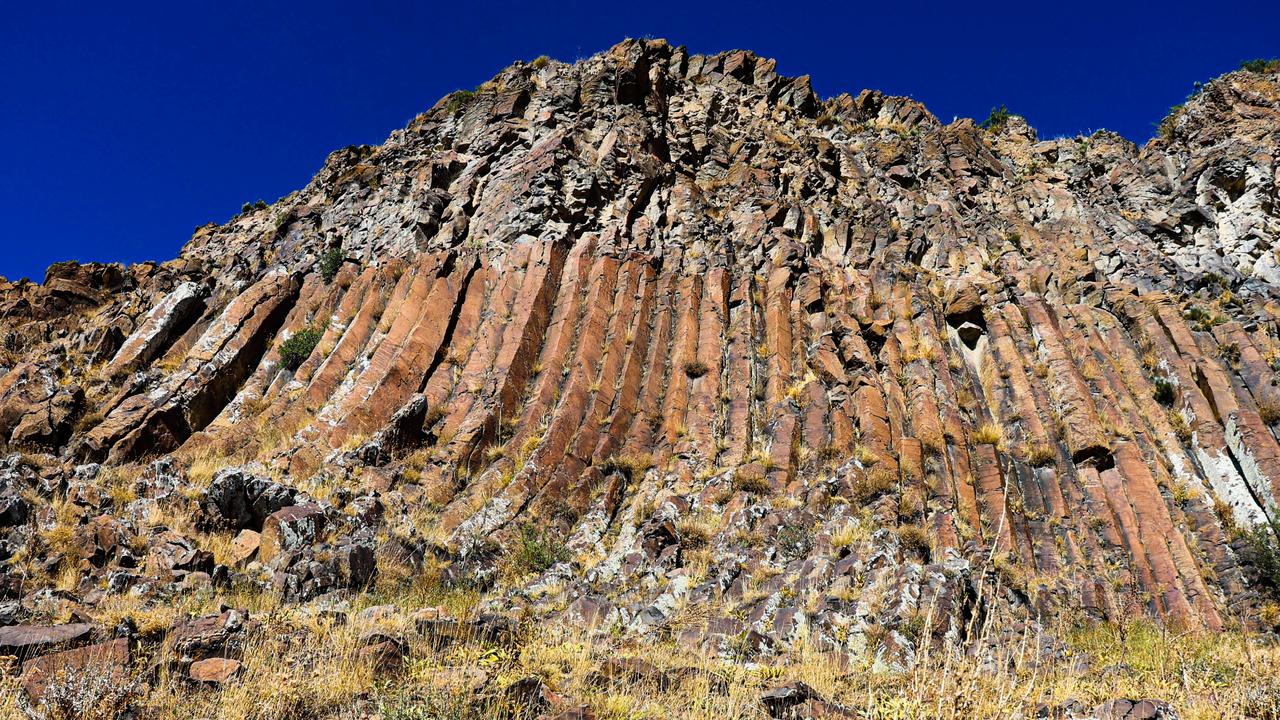
The columns took shape when lava that surfaced near Karaguney village cooled during the Late Miocene period, a geological epoch that ended about 5.3 million years ago.
As the lava cooled in a limited area, it formed pentagonal and hexagonal prisms, giving the columns a regular, geometric look that is rare in the region.
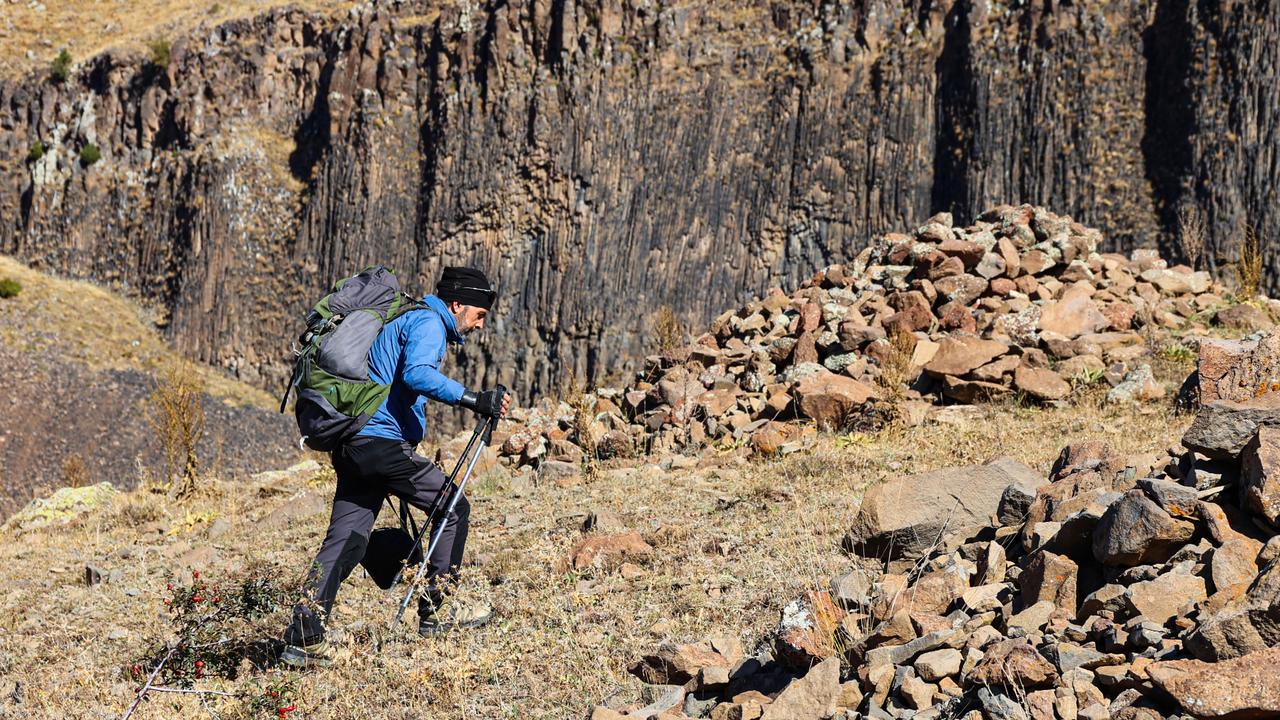
Basalt is a dark volcanic rock that forms when lava cools and hardens, and similar columnar formations are found in only a small number of places around the world.
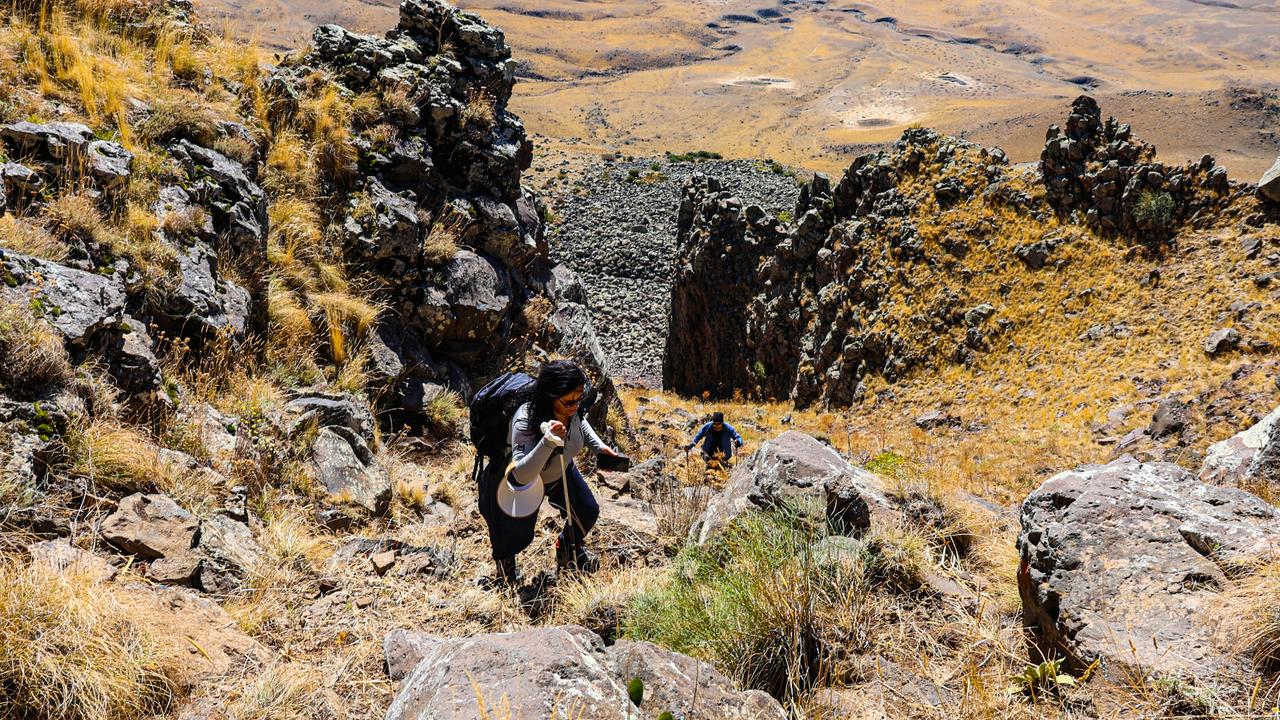
The formation drew wider attention after information about it was published in the "Journal of Social, Human and Administrative Sciences," which brought the columns into the scientific literature.
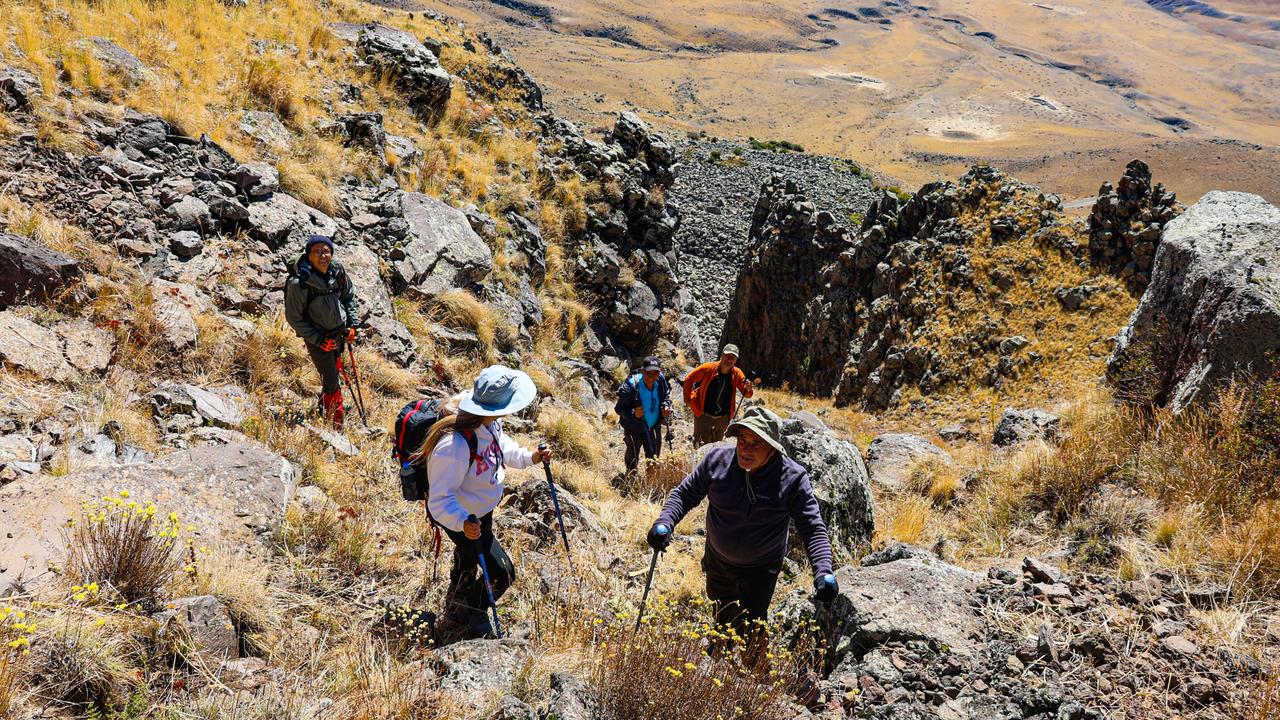
Located at an altitude of about 1,890 meters, the columns have become a stopping point for climbers visiting the region because of their natural appearance.
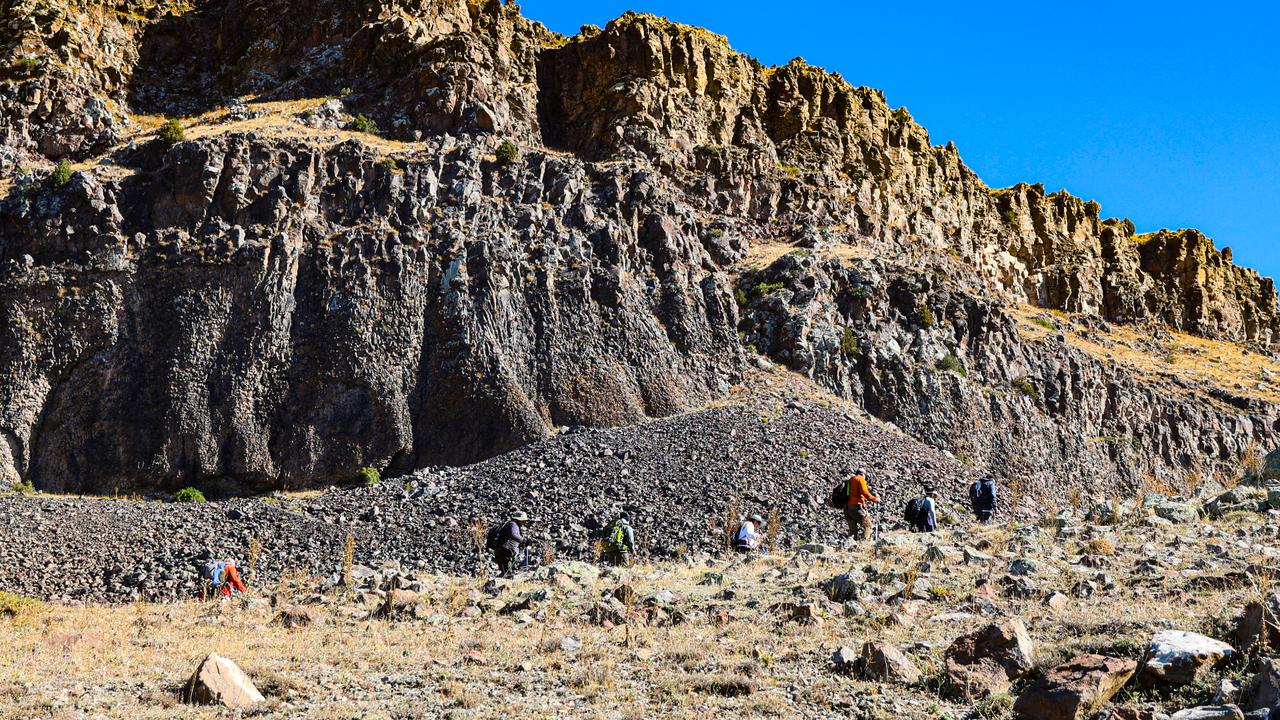
Climbers from Kars and Igdir hiked to the site and added the area to their routes, turning a little-known geological spot into a destination for outdoor enthusiasts.
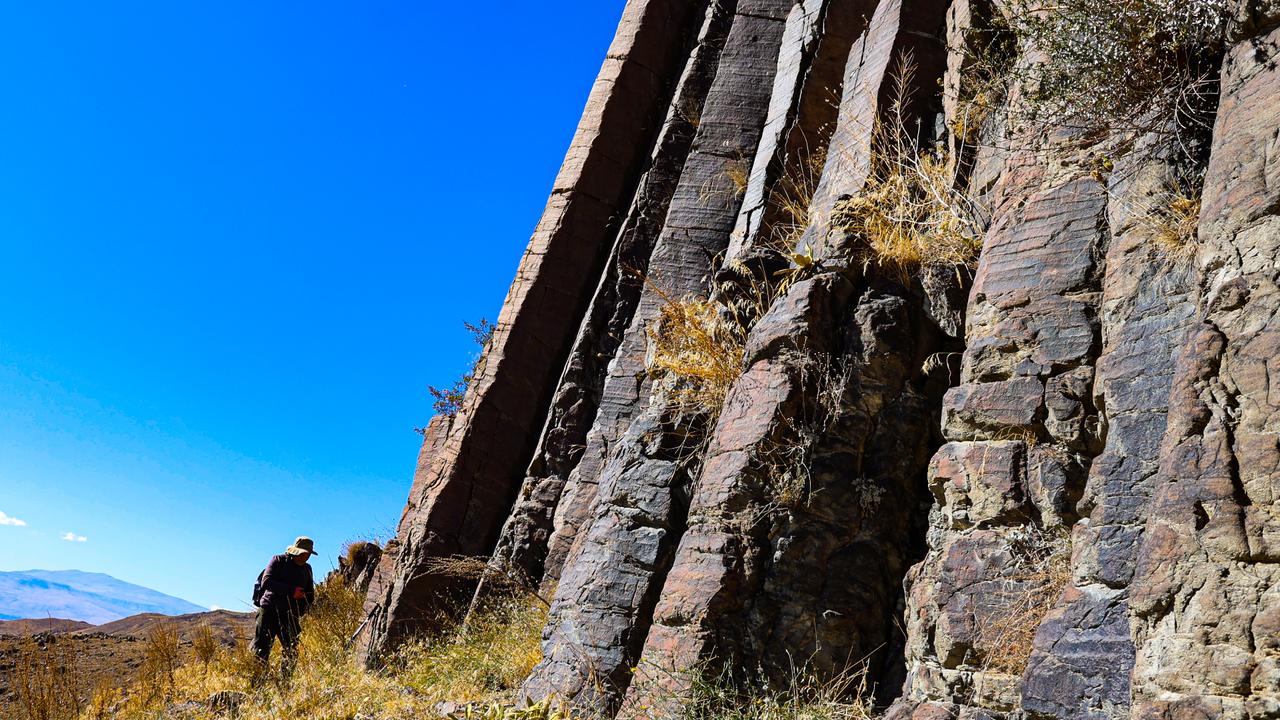
Ali Ozturk, a member of the Igdir Mountain Safari Club, told Anadolu Agency that the columns have a geologically remarkable structure.
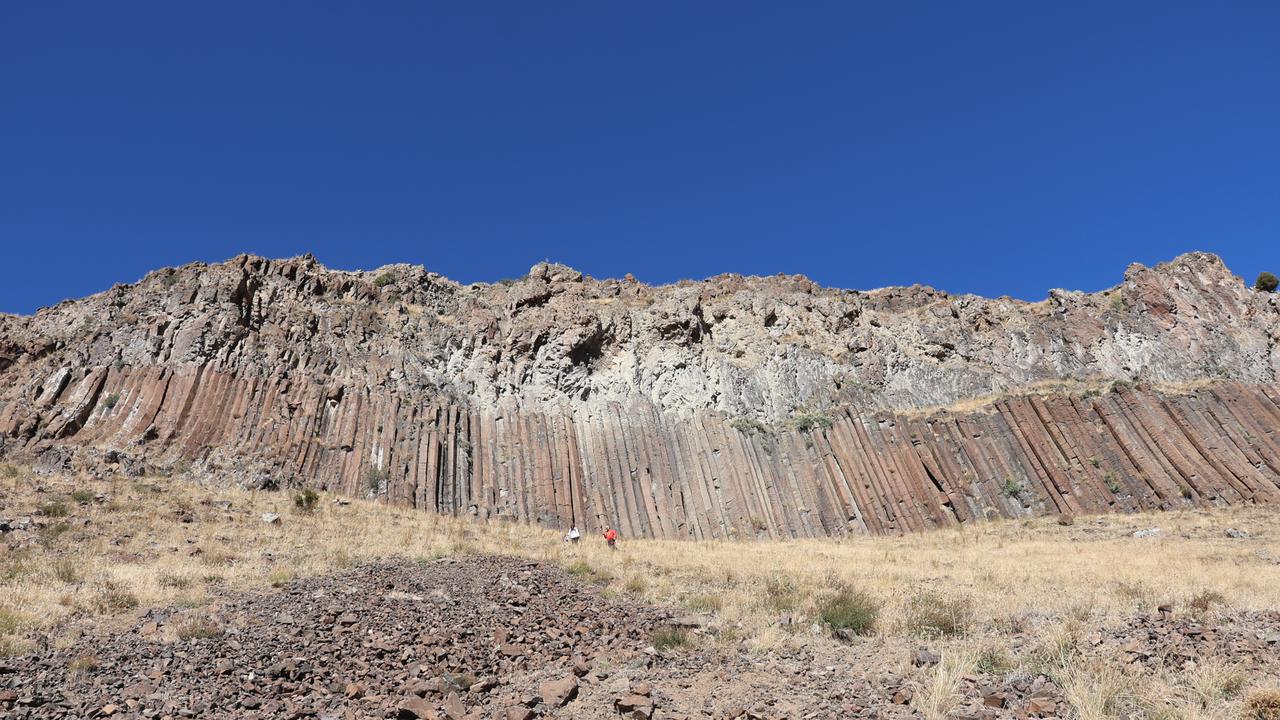
Ozturk said his group of 10 people visited the site, carried out a survey of the area and created a new route to reach it.
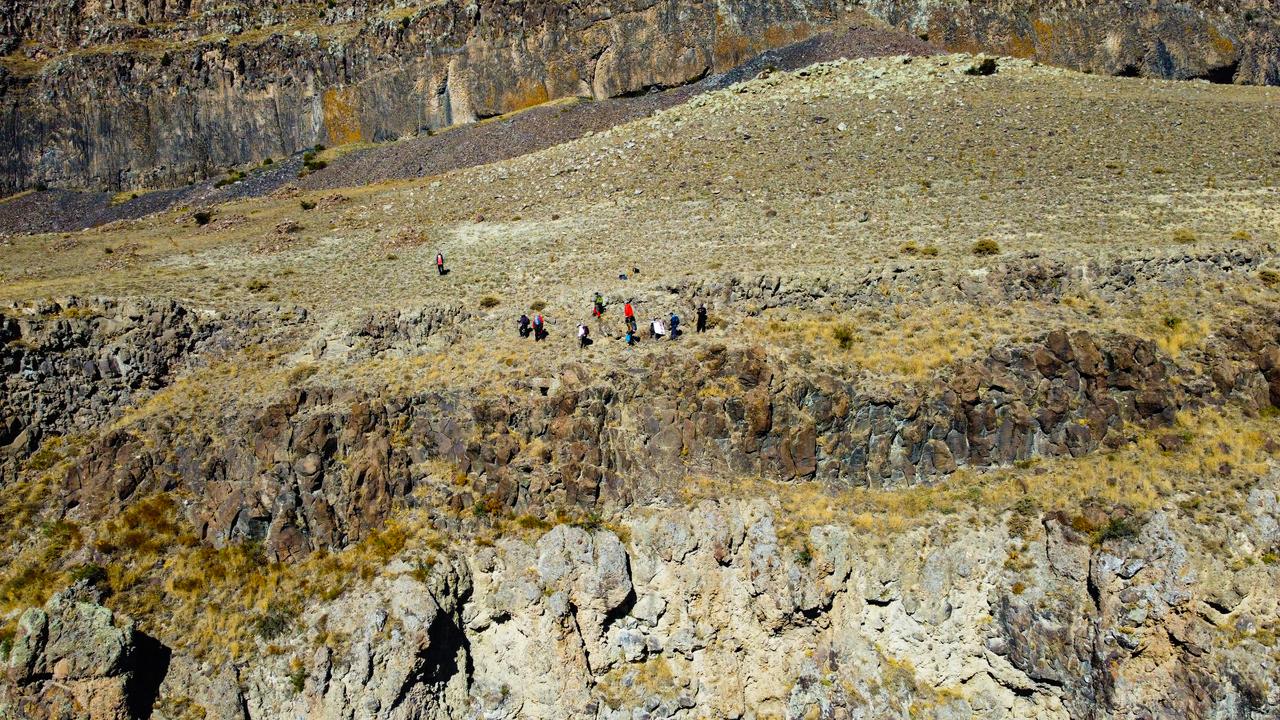
He added that climbers continue to create new routes and said the basalt columns are something everyone should see.
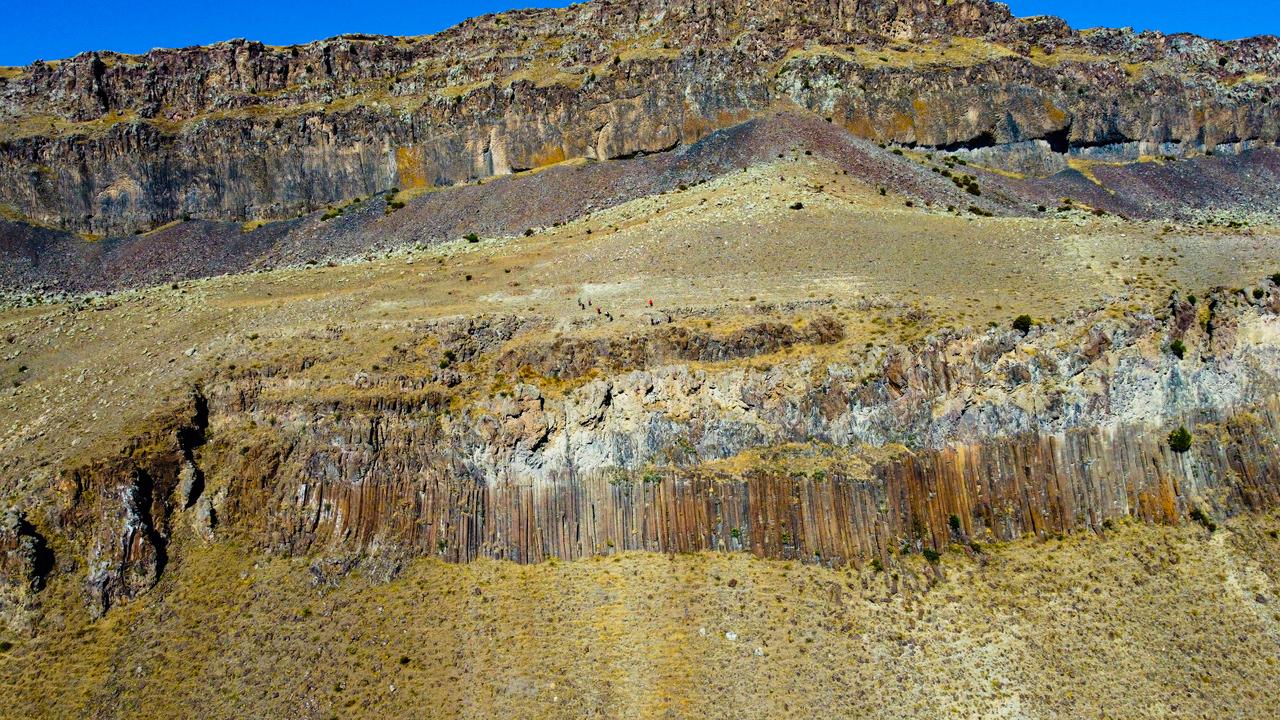
Amateur climber Hakan Duman said his group added the natural geological formation to their routes as a new stop for hikers exploring the area.


 Set as preferred source


 1 min read