Newsletters


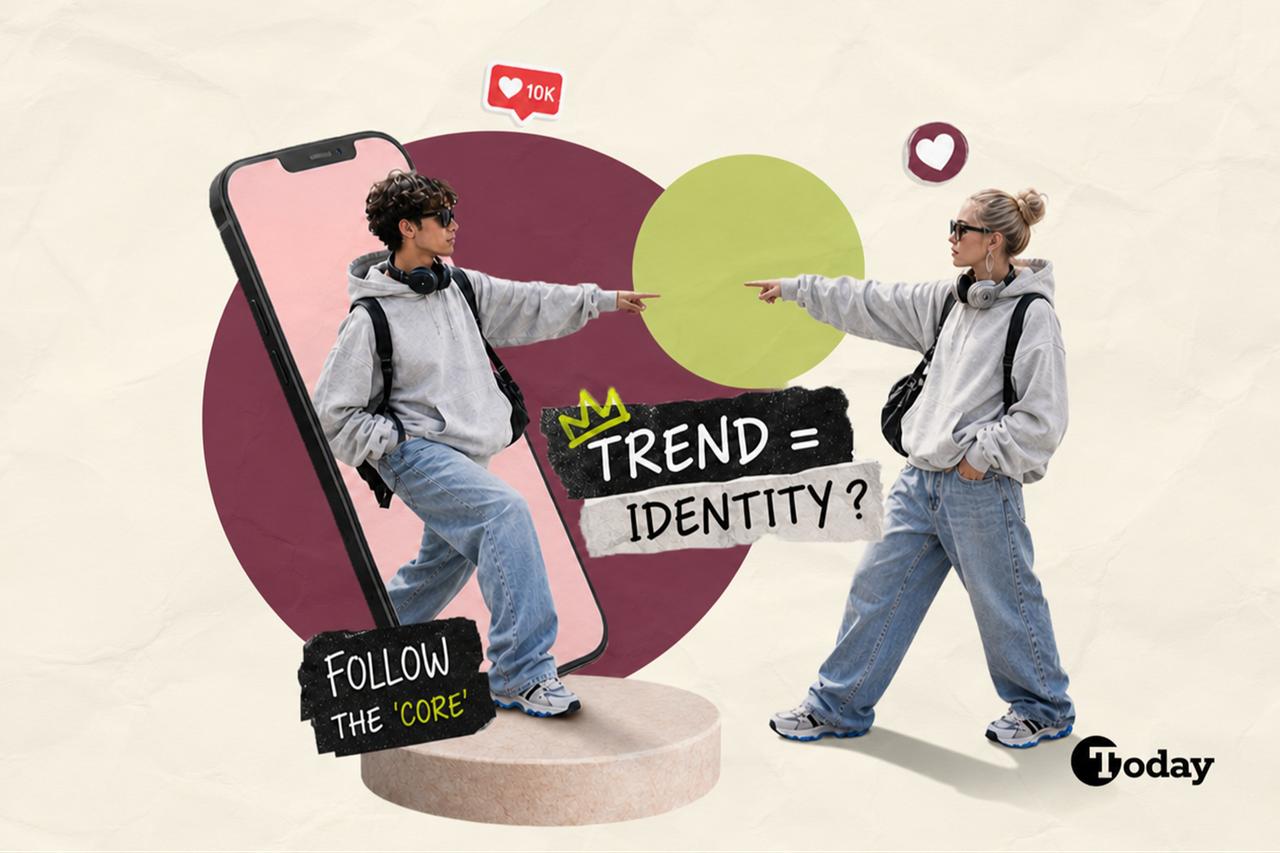


Walk into any cafe this season and your eyes will do a strange thing: they'll stop being able to tell people apart.
A sea of gum-soled Sambas squeaks across the floor. The same slouchy scarf jacket drapes over a dozen chair backs. Somewhere between the oat-milk steam and the hiss of the espresso machine, a whole generation has quietly slipped into the same skin.
It wasn't always like this. Once upon a time, getting dressed was a treasure hunt. You flipped through racks that smelled of mothballs and old perfume, ran your thumb along a seam to feel whether the fabric had a story, and came home with a jacket that fit like a secret only you knew. Goths hand-dyed their black until it looked like midnight. Punks safety-pinned their own rebellion together. Everyone wore the same genre, but no two wore it alike. Style was a fingerprint.
Now, it feels like everyone is wearing the same shoes, from the same brands, in the same colors, all bundled into “cores” that arrive with a shopping list already written.
That is copying, not styling, and it raises a question that social media keeps pushing to the front of our minds: Does anyone still have a personality?
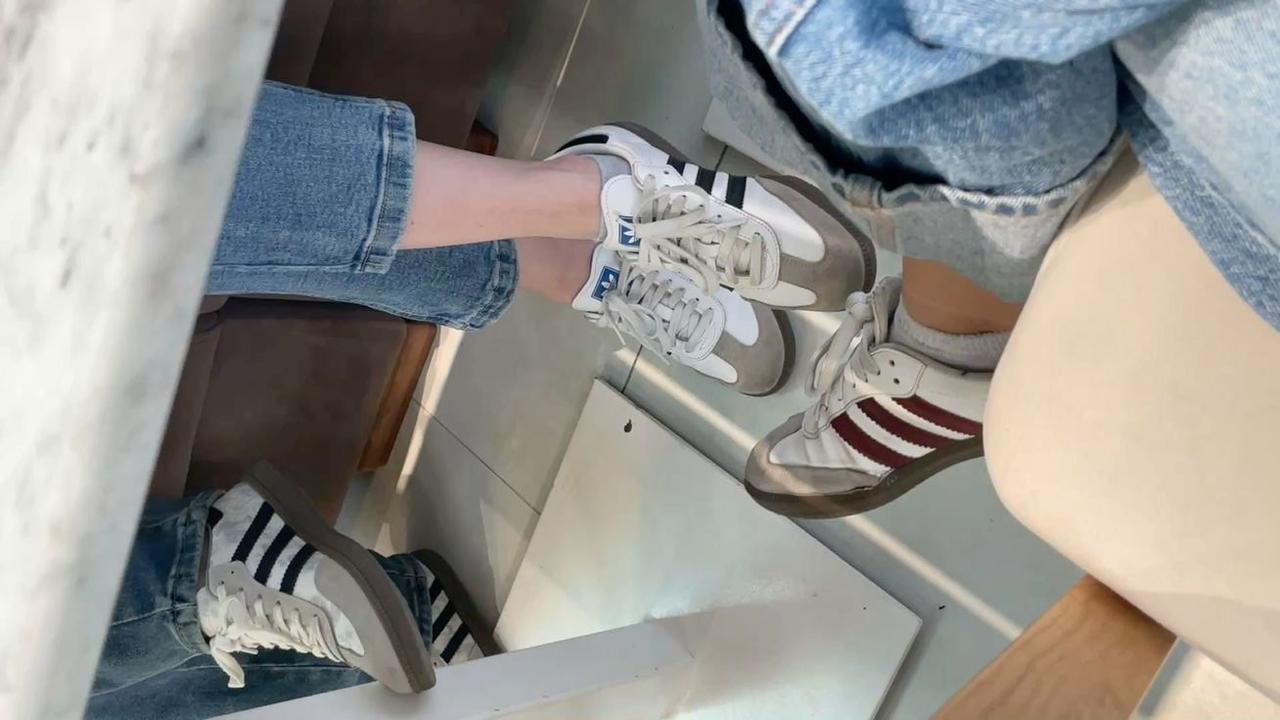

Adidas Sambas, Maison Margiela Tabis, and Toteme’s embroidered scarf jacket once signaled a unique sense of style. By 2025, they had gone mainstream, and what once showed taste now feels more like a uniform: the same shoes, the same brands, the same colors.
The language shifted as quickly as the clothes. “Core” began as a label for niche internet styles, but now it sticks to anything that trends for a season.
Cottagecore, clean girl, and coquette sound like identities, but they're really loose labels with barely any rules. Just a few hashtags, and you’re in.
Punks, bikers and hippies shared a lifestyle. A core just shares a shopping list.
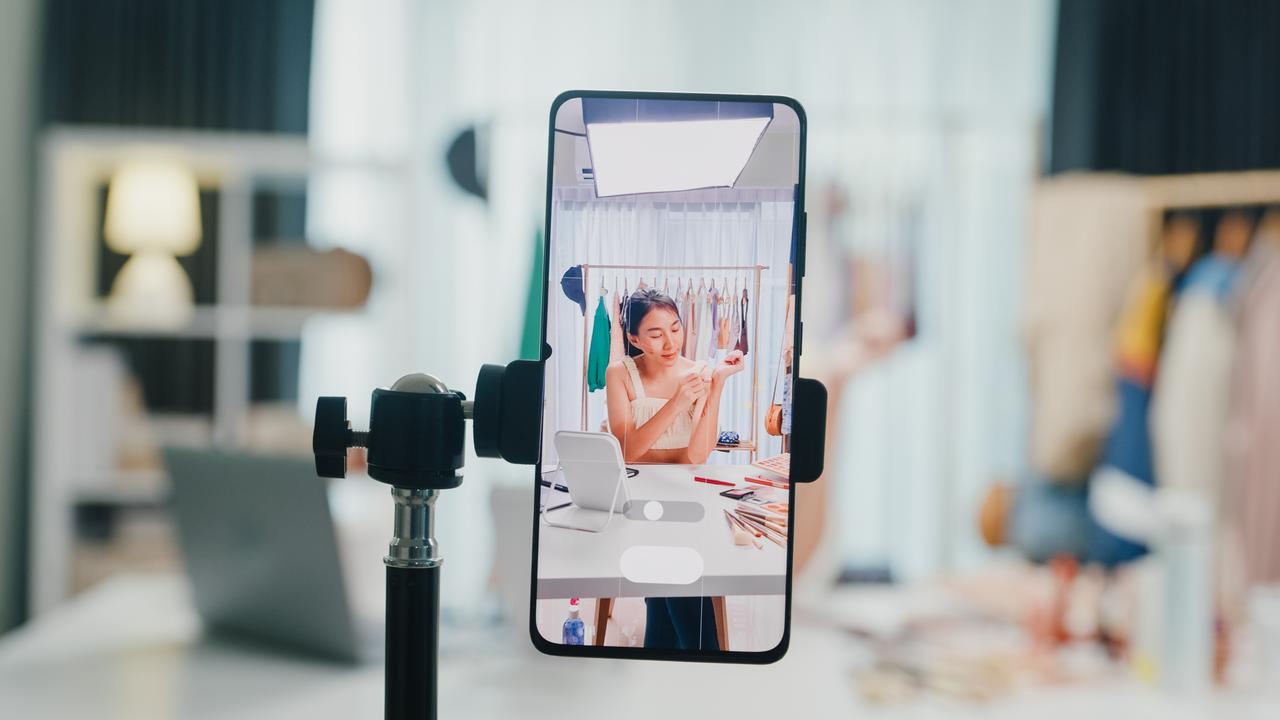
None of this happens by accident. A creator posts an item, often as part of a paid partnership, and earns a commission every time a follower buys it through their link. The goal is not to show off an original style, but to show a look that sells, over and over.
Fast fashion takes it further. The original item goes viral, a cheap copy shows up before the excitement is gone, and the trend usually lasts only a few weeks to three months. By the time you wear it out, the feed has already moved on.
Algorithms make it even stronger. Recommendation systems claim to show everyone something personal, but the more they learn, the more similar everything looks. Creators start shaping their work to fit the feed. Some critics say this view is too broad, but the cycle is hard to ignore: what’s already popular gets shown to more people, more people buy it, and it gets shown again.
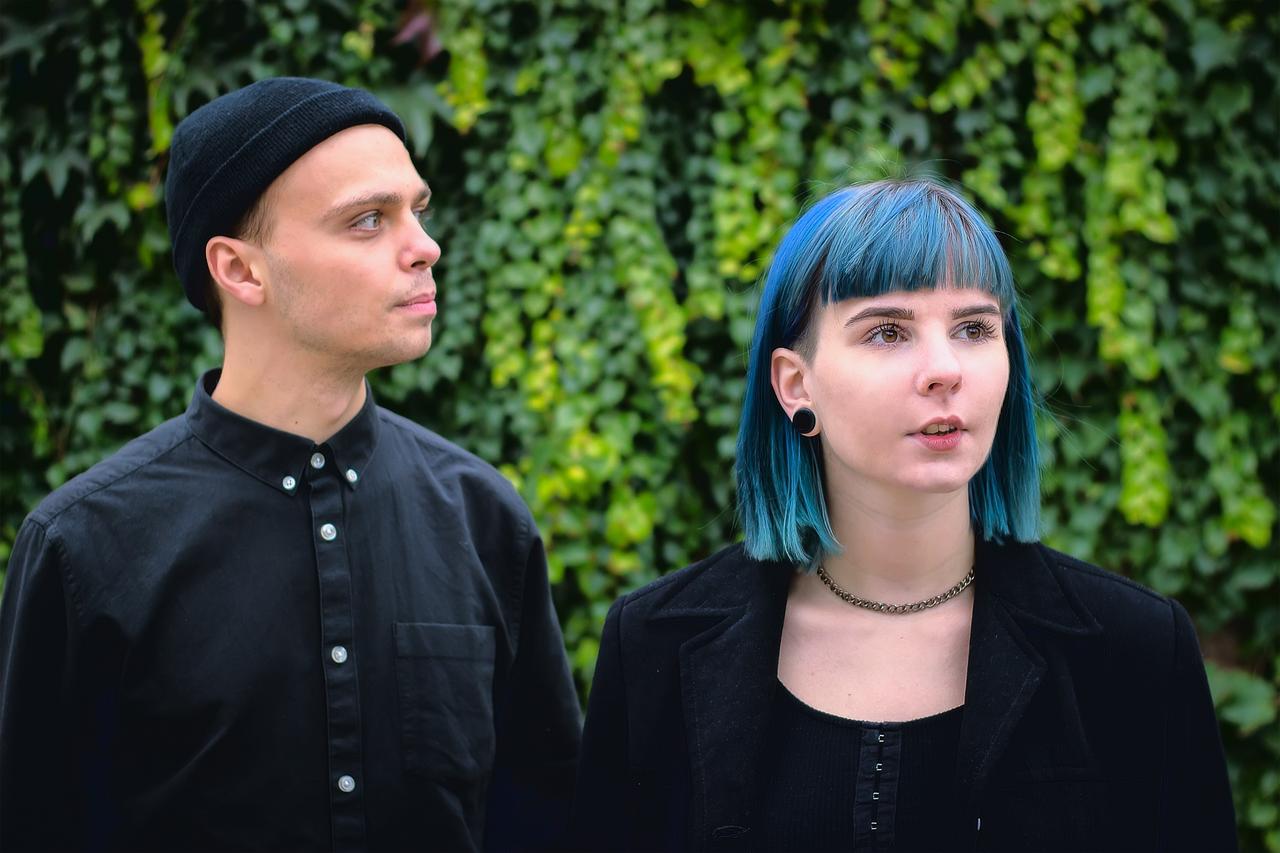
Was it ever really different? Goth started with British bands in the 1970s. Like Y2K and alt styles, it grew slowly, rooted in real-life scenes and not focused on likes or shares.
It was never completely pure. Goth eventually made its way to the mainstream through stores like Hot Topic, often with help from people in the scene.
The real difference is speed and who benefits. A subculture used to take years to reach the mall. Now, a core can reach the checkout page in just days, and the people who start the trend get paid every time it spreads.
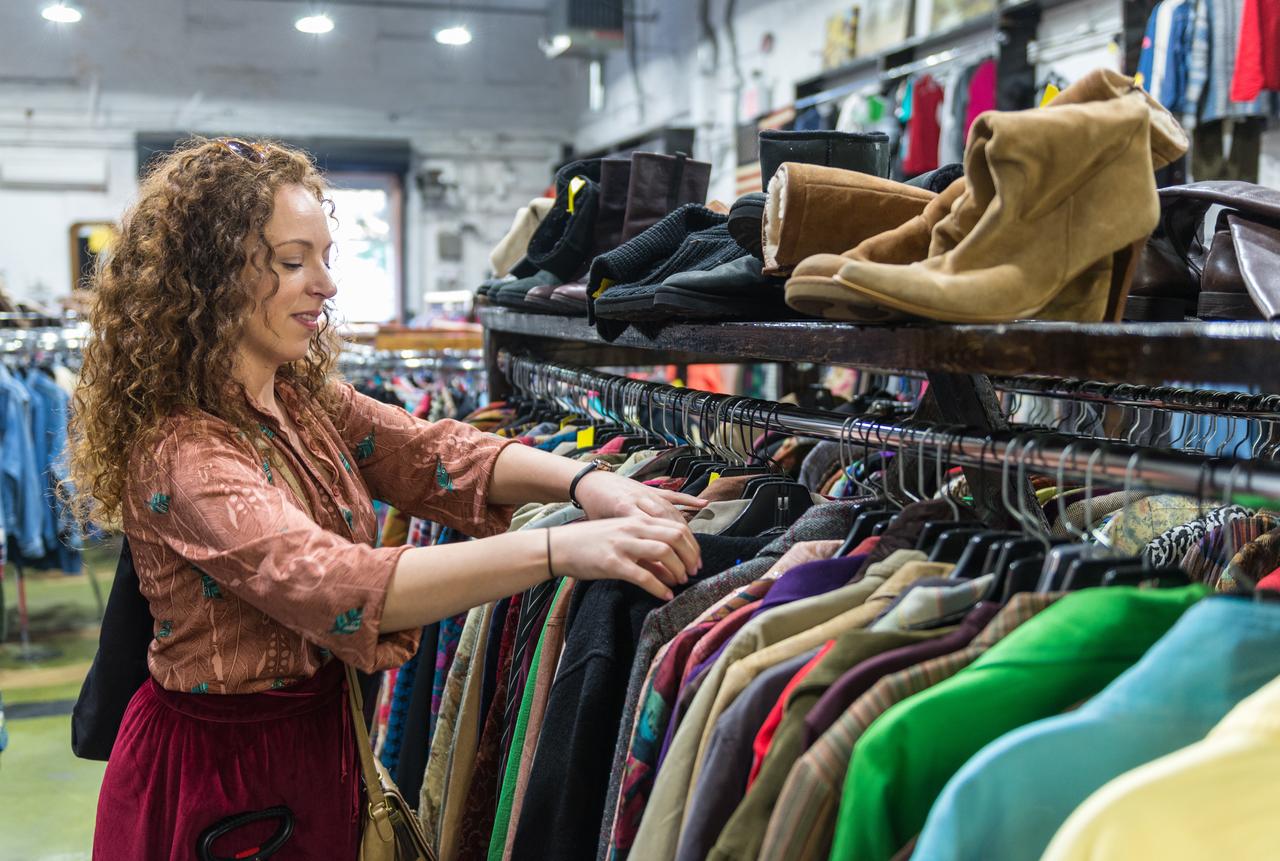
But that doesn’t mean individuality is gone. Young people still thrift, alter, and remake their clothes. Secondhand shopping is now mainstream, with 71% of Gen Z buying or getting used clothing since March 2020.
Cores aren’t always passive, either. Queer and black creators have changed cottagecore to make space for themselves in a style that once left them out. The internet might not be one big monoculture, but instead a mix of many small ones.
Influencers don’t control everything. In a survey of nearly 1,000 social commerce shoppers, their direct influence on what people bought was actually the weakest factor measured.
The numbers are changing, though slowly. Fewer Gen Z beauty shoppers say they mix trends with their own style, and more say they create a style that’s all their own.

So is personality really gone, or just repackaged? The desire for it has never been stronger. For Gen Z, authenticity is almost a belief: 92% say being true to themselves is extremely or very important.
That’s the paradox. People grab a label to make their inner life feel unique, but it’s a label that millions of others can pick up in the same afternoon. The communities built around these styles don’t just reflect values—they shape them, on platforms that profit from both identity and attention.
For someone without a core, the pressure is subtle but real. Microtrends offer quick ways to build an identity for people still figuring themselves out, and online, your profile becomes a personal brand that strangers check right away. Not having a label can start to feel like not having a self.

Personality was supposed to be something you couldn’t buy. It’s what made the same jacket look completely different on two people.
Now, even the urge to stand out arrives like everything else: recommended, tagged, and just one tap from checkout. The feed keeps serving up a new core every season, and each one promises a new self.
The harder question is what happens when it all goes quiet.
If the labels, links, and colors vanished overnight, how many people would know what to wear—and how many would know who they are?


 Set as preferred source
 Set as preferred source



 2 min read