Sign in
 Newsletters


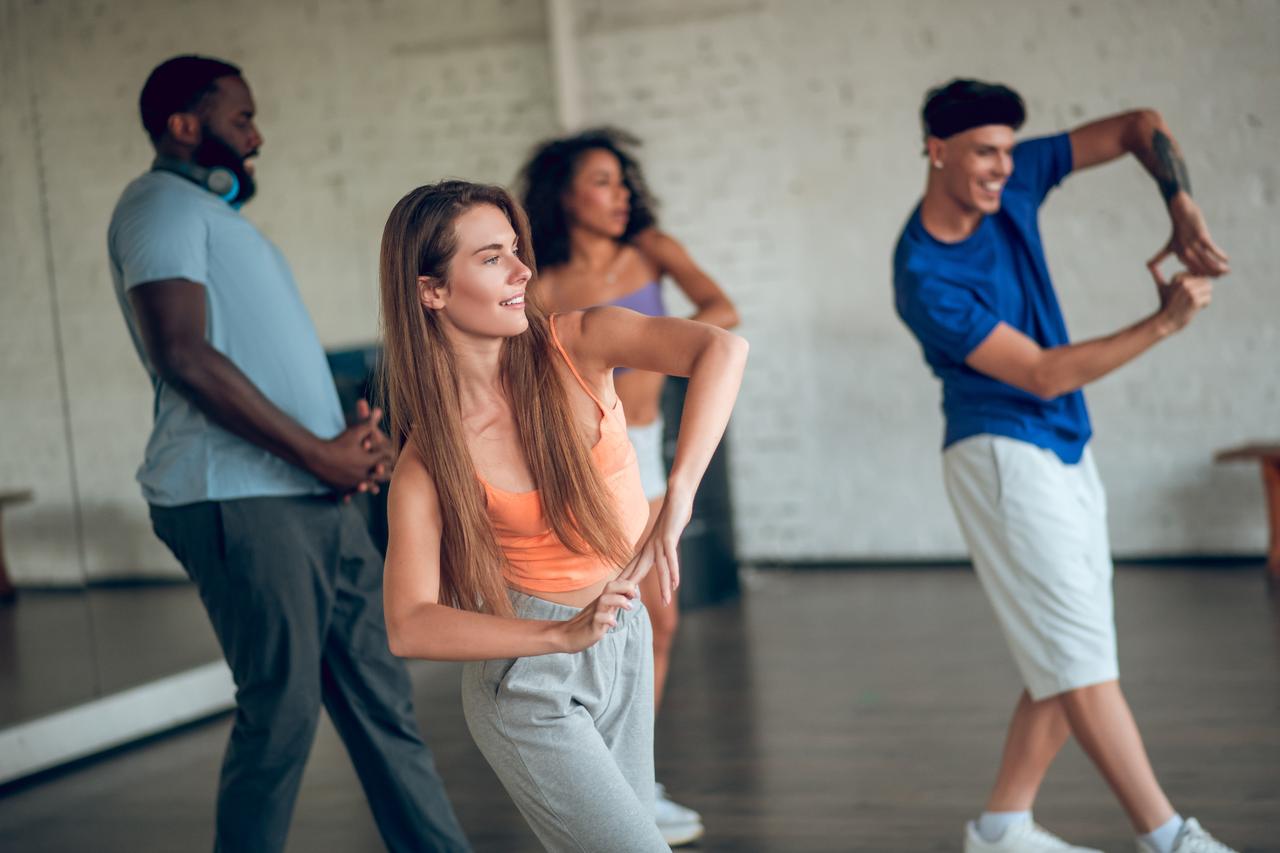


Dancing may help keep the brain healthier as people age, according to studies suggesting that the mix of movement, music and social contact offers benefits a simple workout may not.
One of the largest studies was led by Aga Burzynska of Colorado State University.
Published in 2017 in Frontiers in Aging Neuroscience, it was titled "White Matter Integrity Declined Over 6-Months, but Dance Intervention Improved Integrity of the Fornix of Older Adults." Researchers collected brain scans from 174 adults ages 60 to 79 to measure how six-month lifestyle programs affected the brain's "white matter," the wiring that lets brain cells communicate.
The team found that this wiring can decline in as little as six months in healthy older adults. Participants who took dance classes showed improved white matter integrity in a brain area linked to memory and processing speed.
The exercise-only group did not show the same benefit; Burzynska said activities that combine physical, mental and social stimulation may be especially valuable.
A smaller study led by Helena Blumen looked at older adults at higher risk of dementia. Published in the Journal of Aging and Physical Activity, it was titled "Randomized Controlled Trial of Social Ballroom Dancing and Treadmill Walking."
It enrolled 25 adults over 65 in either twice-weekly ballroom dancing or treadmill walking for six months. Both groups improved in executive function, which covers planning, reasoning and attention.
Dancing was also linked to less shrinkage in the hippocampus, a memory-related region especially affected by Alzheimer's disease.
Researchers caution that the studies are small and that larger trials are needed, but the early findings suggest that learning new steps with other people may be good for the aging brain.


 Set as preferred source
 Set as preferred source



 2 min read