Newsletters


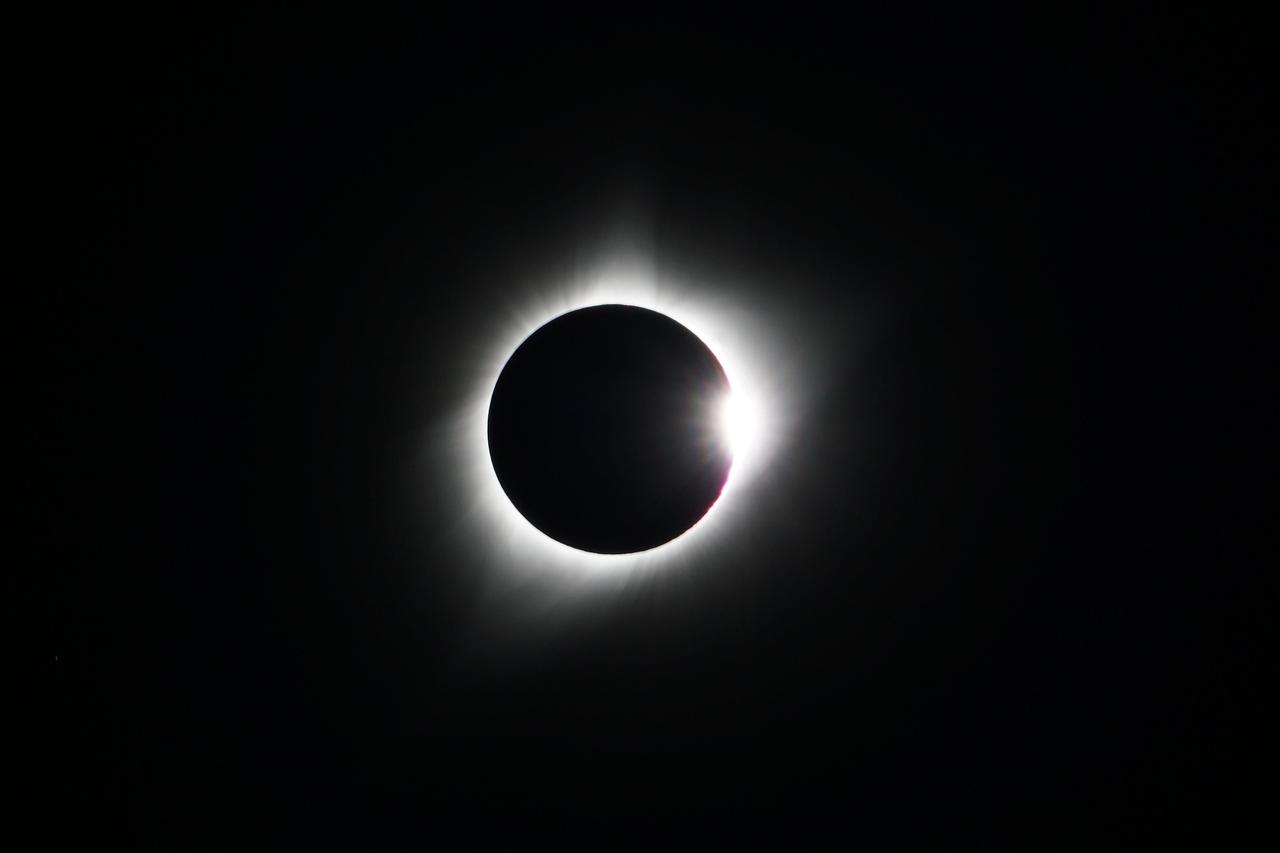


Skywatchers across parts of the Americas, Europe and Africa are gearing up for a striking celestial event Thursday night into early Friday, as Earth's shadow spreads across roughly 96% of the moon's surface.
The eclipse will occur Aug. 27-28, depending on the time zone, with the greatest eclipse expected at about 4:12 a.m. GMT on Aug. 28, according to NASA.
The event will be visible in its entirety from much of the Americas, while observers in parts of Europe and Africa will see portions of the eclipse as the moon rises or sets.
Unlike a total lunar eclipse, a small portion of the moon will remain outside Earth's darkest shadow. The eclipsed portion can take on a reddish or copper-colored appearance as sunlight passes through Earth's atmosphere and is scattered and refracted, producing an effect sometimes associated with a "blood moon."
The eclipse will last more than five hours from the beginning of the penumbral phase (when the moon passes through the outer, lighter part of Earth's shadow) to its end, although the deep partial phase will be considerably shorter.
At maximum, about 93% of the moon's diameter will be within Earth's umbra (the darkest, central part of Earth's shadow), according to NASA and astronomical sources.
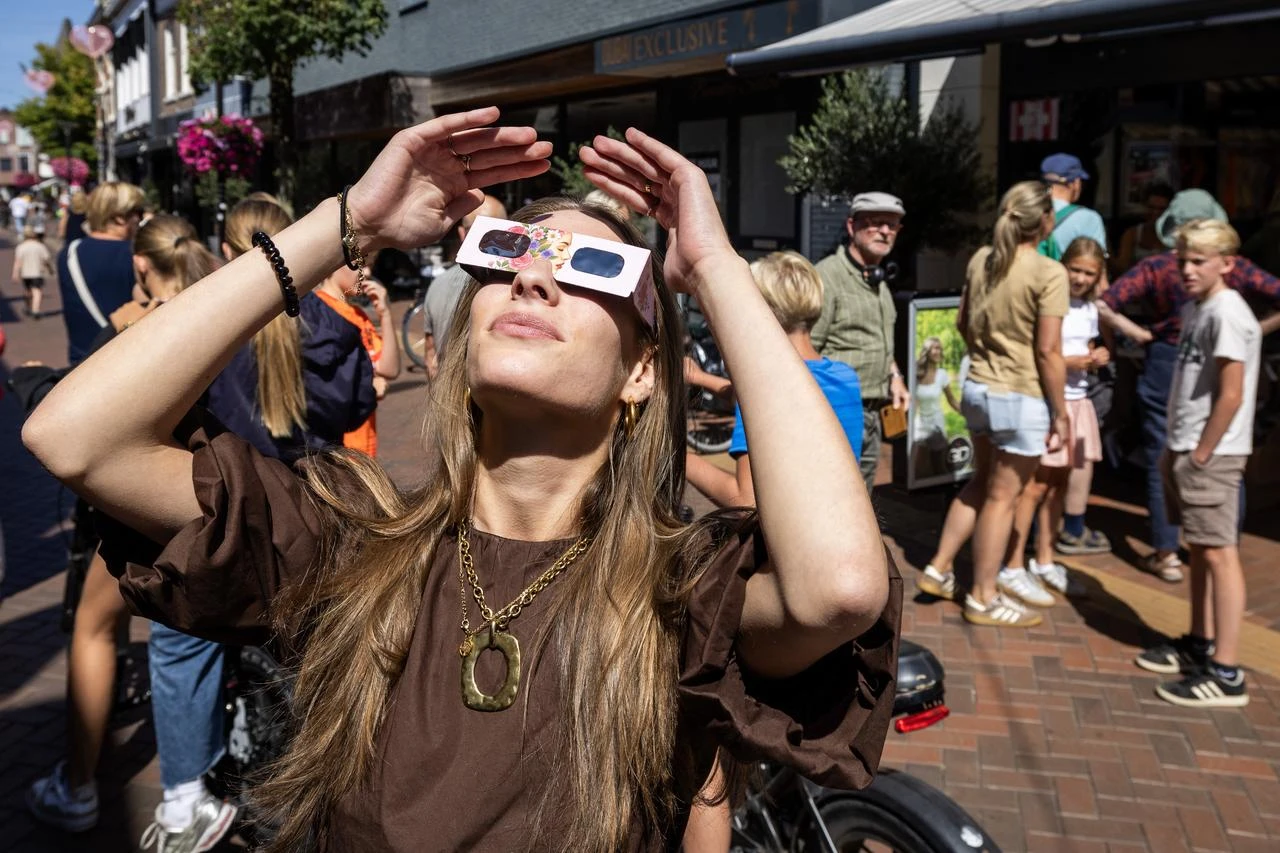
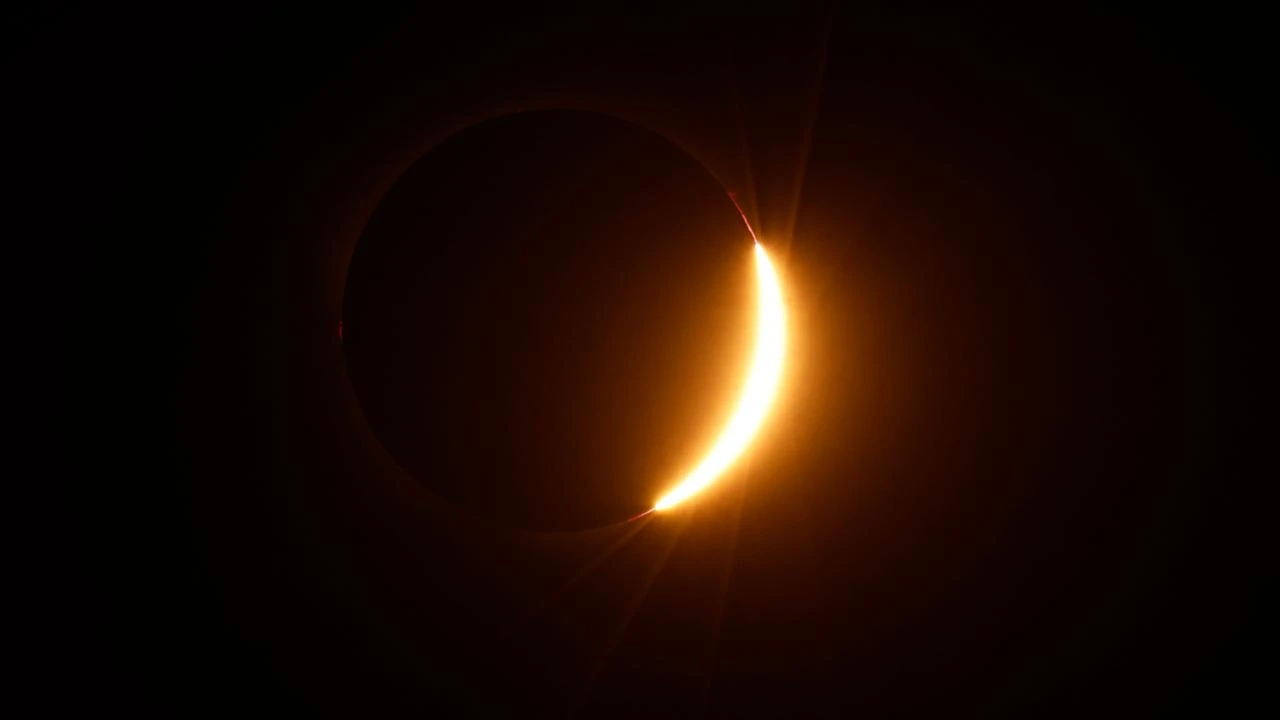
The event comes just over two weeks after a total solar eclipse on Aug. 12 that was visible across parts of Greenland, Iceland and Spain. Solar and lunar eclipses commonly occur in pairs because of the alignment of the Sun, Earth and moon.
Unlike a solar eclipse, no special eye protection is required to view a lunar eclipse. Binoculars or a telescope can provide a closer view, while clear skies and an unobstructed horizon will offer the best viewing conditions.


 Set as preferred source
 Set as preferred source


 1 min read

 1 min read