Newsletters




Denmark will carry out a post-mortem examination on “Timmy,” the humpback whale whose weeks-long struggle to return to open waters drew intense public attention in Germany before the animal died off the Danish coast.
The Danish Environmental Protection Agency said the whale would be moved to the eastern port of Grenaa, where researchers and veterinarians are expected to examine the carcass and collect samples. The operation comes after Timmy’s body was found near the Danish island of Anholt, close to a popular beach.
Authorities confirmed Timmy’s death on May 16, after the whale’s carcass was spotted off Anholt. Since then, the body has remained in shallow waters near a beach, where it has caused what officials described as “significant disturbance.”
Jane Hansen, an official at the agency, said the whale would be moved because Grenaa offered better conditions for further work.
“In Grenaa, researchers and veterinarians will carry out the examinations and sample collection procedures that have previously been conducted in connection with other strandings of larger whales,” Hansen said.
If the transfer is successful, the post-mortem examination is expected to take place on Friday. If the delicate operation, involving several ships, cannot be completed, the work will continue on Anholt instead.
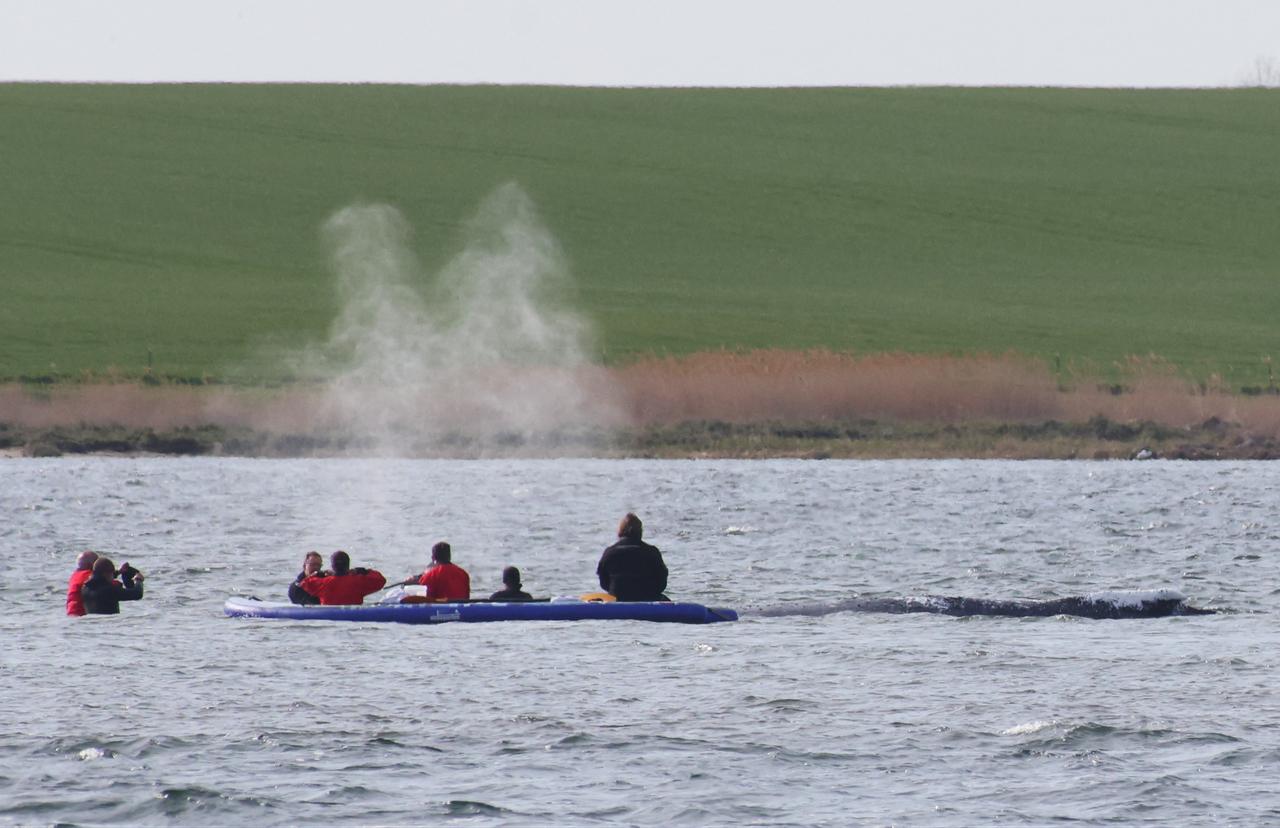

Timmy was first spotted stranded on a sandbank near Germany's Baltic coast on March 23. The case quickly turned into a major media story in Germany, as reporters followed repeated attempts to get the humpback whale swimming again.
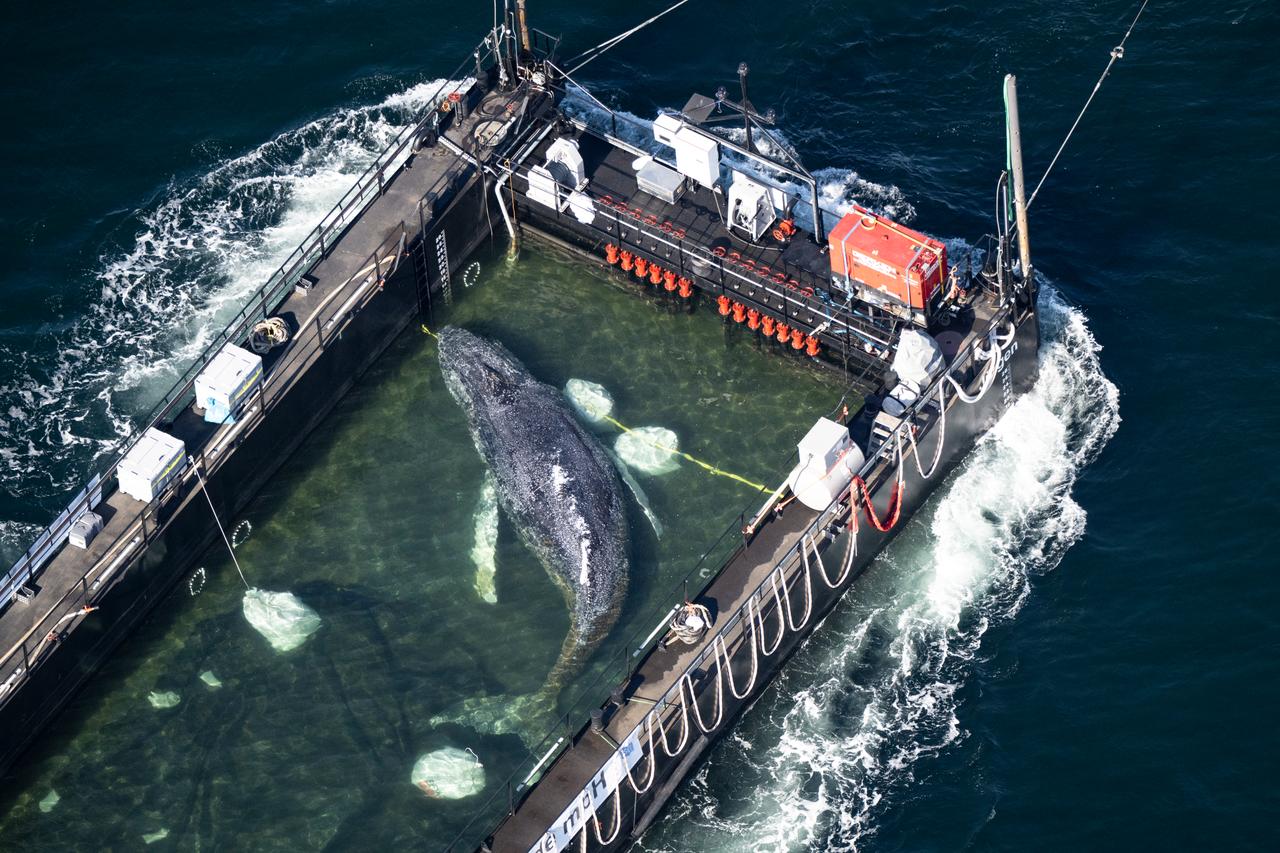
After several failed efforts, the whale was eventually transported by barge into the North Sea off Denmark and released on May 2 in what became a last-ditch attempt to save it.
A humpback whale is a large marine mammal known for its long migrations and distinctive body shape. In Timmy’s case, the animal’s prolonged struggle drew public sympathy, while the rescue attempts brought crowds to the Baltic coast.
The rescue efforts were privately financed by wealthy entrepreneurs, but not all experts supported continuing the operation. Some criticized the repeated attempts as pointless after the whale had already struggled for weeks.
The public reaction also became difficult to manage. Rescuers said they received death threats, while police had to keep onlookers away from the area day and night.
Following the necropsy, some samples and fragments from the whale are expected to become part of museum collections.


 Set as preferred source
 Set as preferred source



 6 min read