Newsletters


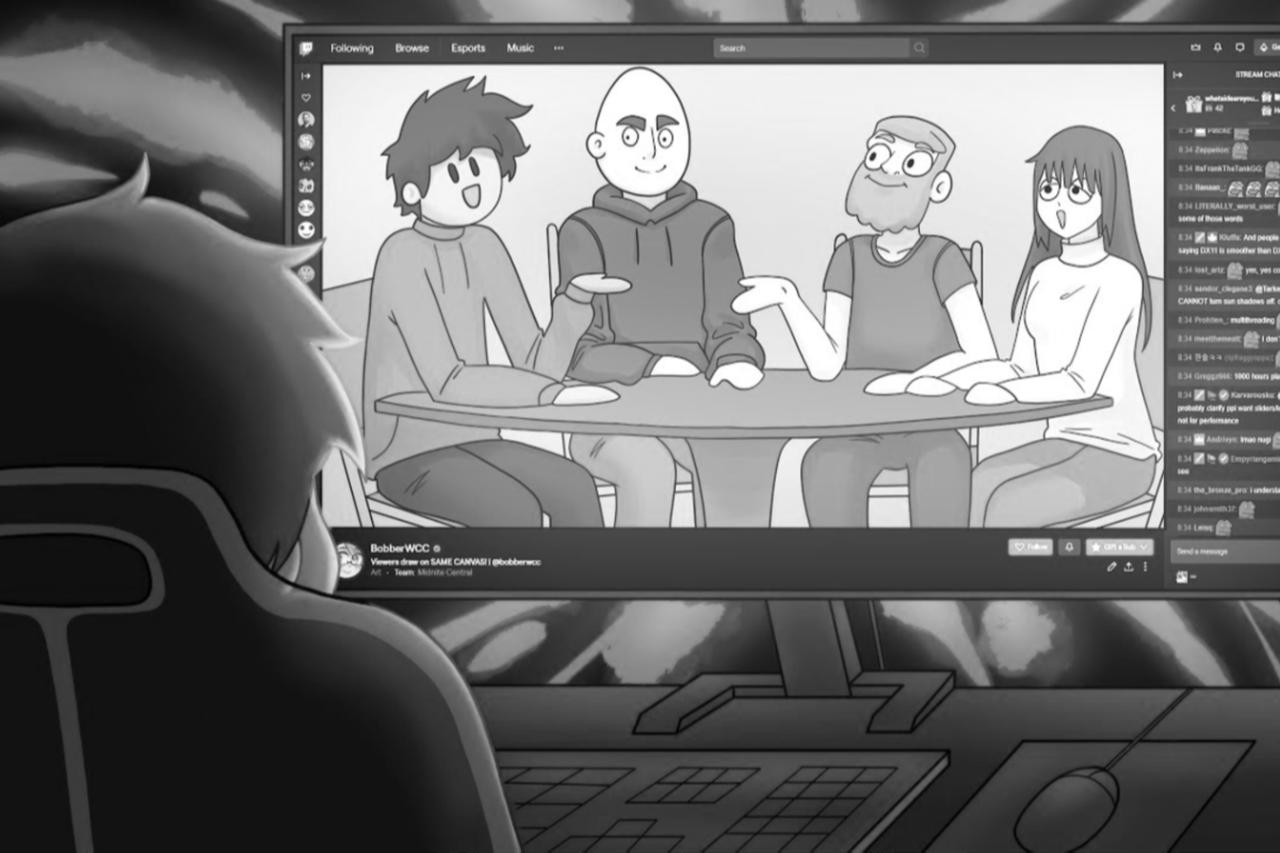


Digital platforms are ramping up parasocial relationships, turning one-sided emotional bonds between audiences and public figures into a cultural and economic force that can shape consumption habits, online behavior and, in extreme cases, personal safety, experts told Anadolu Agency.
Parasocial relationships are defined as one-sided emotional attachments to people a user has never met, such as celebrities, influencers, fictional characters or even artificial intelligence chatbots. While the idea dates back decades, experts said the always-on nature of social media, livestreaming and algorithm-driven feeds has made these bonds feel more immediate by blurring the line between private life and public branding.
The term has also moved out of academic circles into everyday conversation. Parasocial was selected as Cambridge Dictionary's 2025 word of the year, and researchers trace the concept to 1956, when Donald Horton and Richard Wohl described how television audiences could feel familiarity and emotional closeness with on-screen personalities.
Experts said the modern shift is tied to constant online access and content formats that can give fans the sense they are being let in on a public figure's private world. Personal posts, casual livestream moments and direct replies can build up an illusion of closeness that feels more real than earlier media experiences.
Examples discussed by Anadolu Agency ranged from highly organized K-pop fan communities to influencer followings and emotional reactions around celebrity life events. The report noted that some fans have cried over public developments such as US pop star Taylor Swifts engagement to NFL player Travis Kelce, reflecting how strongly some audiences can get wrapped up in a figure they do not personally know.
Mel Stanfill, a professor at the University of Central Florida, said social media has turned intimacy into something that can be strategically produced and marketed. In her view, K-pop stands out for leaning into a manufactured sense of closeness, with celebrities increasingly blending professional branding with carefully curated glimpses of private life.
Stanfill said this steady exposure can deepen emotional investment, which can then feed into extraordinary loyalty. She also said it can, in extreme cases, tip over into troubling behavior, pointing to stalker incidents involving K-pop idols and historical examples such as the 1981 assassination attempt on former U.S. President Ronald Reagan that was tied to an obsession with actress Jodie Foster.
Beyond personal risk, she said, parasocial bonds can shape economic behavior by turning consumption into a sign of loyalty and status inside fan communities. Stanfill also warned that cancel culture dynamics inside fandoms can be mischaracterized, sometimes muddying accountability or disproportionately targeting marginalized groups, while the spread of AI-generated content can further blur reality and intensify misinformation.
Gayle Stever, a media psychology researcher at Empire State University in New York, said social media has pushed parasocial relationships into a gray area because some fans now receive responses from celebrities online, even if the relationship remains unequal in access and status.
Stever said that perceived reciprocity can strengthen loyalty, helping artists and creators who increasingly rely on highly engaged communities to keep careers going. She described fan bases as essential to success, saying, "The fan base is their bread and butter."
According to Stever, groups supporting acts such as BTS and Blackpink, alongside major U.S. stars, can get mobilized to boost streams, charts and promotional campaigns out of devotion, showing how emotional attachment can be channeled into coordinated online activity.
Both experts stressed that parasocial relationships are not automatically damaging. Stever said they can provide comfort and coping support, citing an example of a cancer patient who found reassurance through listening to singer Josh Groban's music, describing it as a bond that helped without direct interaction.
She also said these bonds can help build community and can encourage travel and social engagement, while easing loneliness or stress for some people. At the same time, she warned that parasocial attachment can become unhealthy, including extreme cases where individuals "marry" AI-generated characters.
Stever said adolescents may be especially vulnerable because emotions can run higher during identity formation, sometimes leading to stronger celebrity attachments than among adults. In certain situations, she said, that vulnerability can feed into harmful outcomes such as eating disorders, financial strain from excessive spending and social isolation, while people with existing mental health issues may be more prone to extremes and should receive appropriate support.


 Set as preferred source
 Set as preferred source



 6 min read