Newsletters





Electronic cigarettes are being linked to severe lung damage that can end up in intensive care units, according to a senior pulmonary specialist at Sakarya University Faculty of Medicine, who said his clinic has admitted many patients for hospital treatment and ICU care due to vaping-related lung injury.
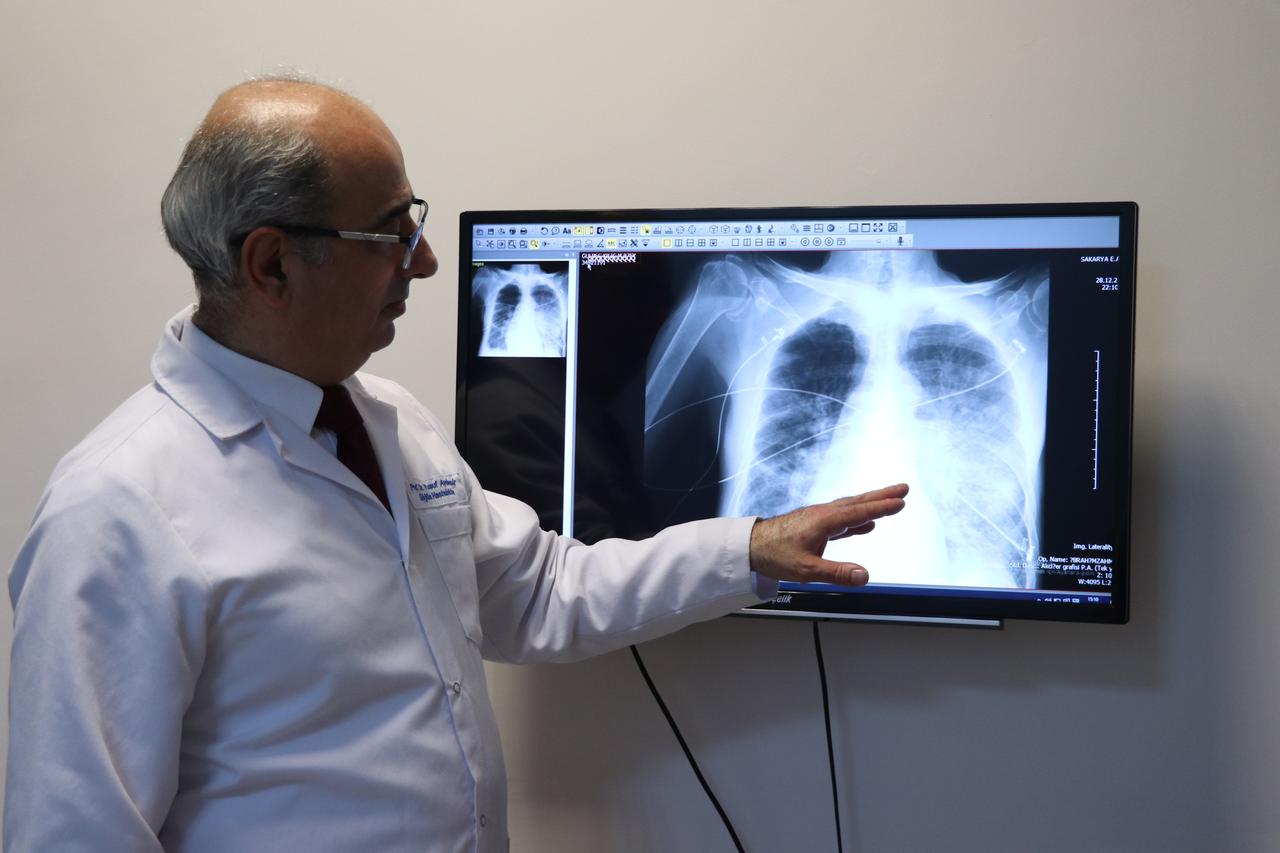

Professor Dr. Yusuf Aydemir, head of the Chest Diseases Department at Sakarya University Faculty of Medicine and a physician at Sakarya Training and Research Hospital, said electronic cigarettes have spread in recent years “like an epidemic,” and he tied this growth to a public perception that vaping is harmless. He warned that this belief is misleading, describing it as a marketing- and sales-driven impression rather than a reality supported by current data, scientific studies, and clinical cases.
In his words, “We see in current data, scientific studies, and clinical cases that electronic cigarettes also cause serious damage to the lungs,” and he added, “We have many patients who present with electronic cigarette-related lung damage, whom we admit to hospital and to intensive care.”
Aydemir said the aerosol often described as “vapor” can contain nicotine and other harmful substances, including heavy metals, a range of damaging chemicals, toxic substances, and gases. For international readers, “electronic cigarette” refers to battery-powered devices that heat a liquid to produce an inhaled aerosol, while “passive smoking” describes exposure experienced by people nearby who inhale what is released into the air.
He also cautioned that long-term use can bring on irreversible, permanent damage to the lungs, framing this as a risk that can build up over time rather than something that only shows up immediately.

Aydemir underlined that electronic cigarettes should not be treated as a method for quitting smoking, saying scientific evidence and research point in the same direction.
He asked people considering quitting to turn to smoking cessation outpatient clinics instead of switching to vaping, noting that these clinics use treatment approaches whose effectiveness and success have been proven.
He also drew attention to addictive substances in electronic cigarettes and said poor-quality or cheap cartridges, as well as products prepared in unknown and unhygienic conditions, can add to the risk of serious lung harm.
Aydemir said electronic cigarettes, like conventional cigarettes, can harm people nearby through passive exposure, especially in enclosed indoor settings where aerosol can linger.
He noted that people with asthma and allergy conditions, or those who react strongly to such substances, can be affected “seriously” by electronic cigarette smoke in these environments.
He also warned that once these habits start, quitting later can become difficult, and he advised young people not to begin out of curiosity or imitation.


 Set as preferred source
 Set as preferred source



 2 min read