Newsletters


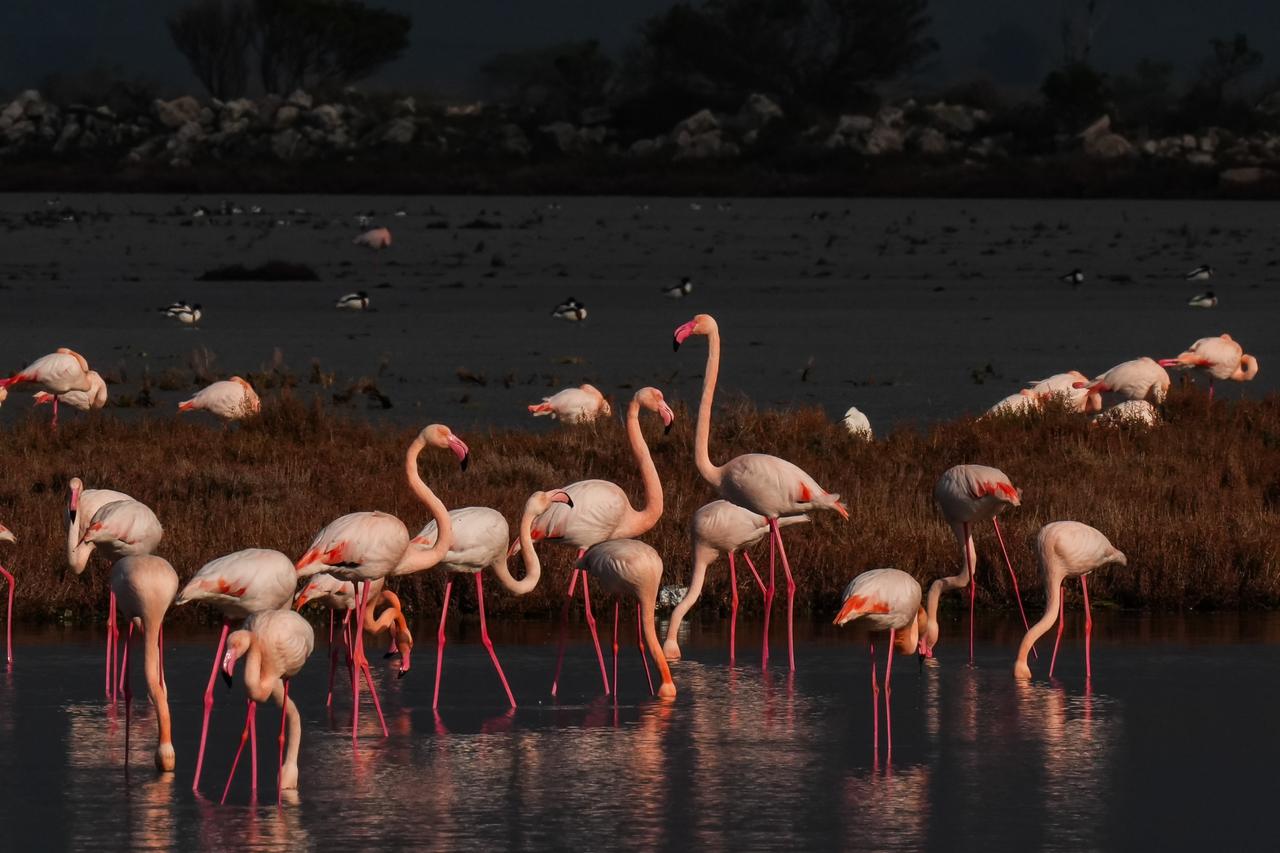


Türkiye’s Gediz Delta, one of the country’s most important wetlands, is facing growing pressure as prolonged drought linked to climate change combines with pollution carried by the Gediz River, intensifying risks to its rich biodiversity.
Experts warn that shrinking freshwater flows are amplifying the impact of existing pollution sources, making the ecosystem more fragile year by year.
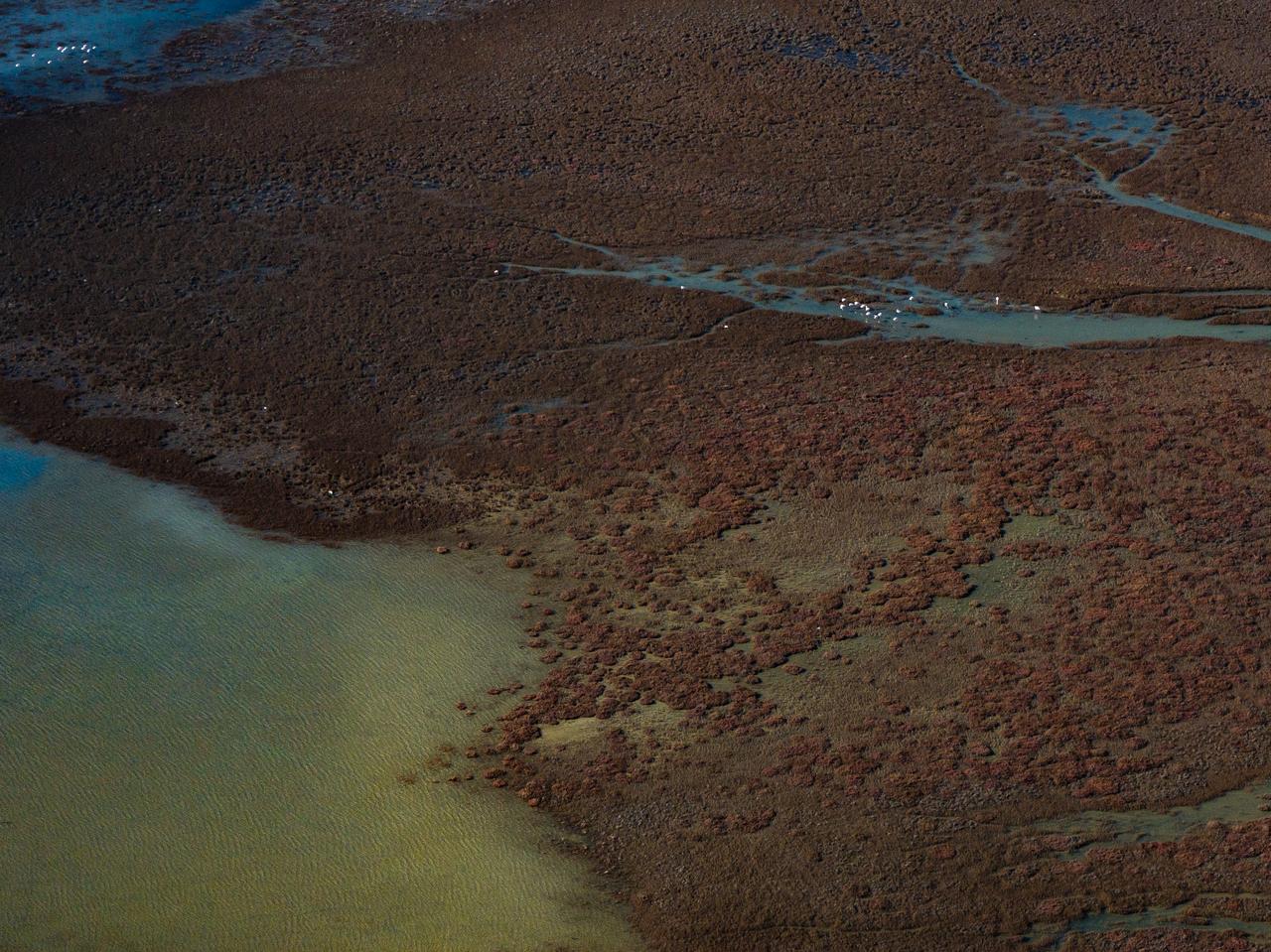

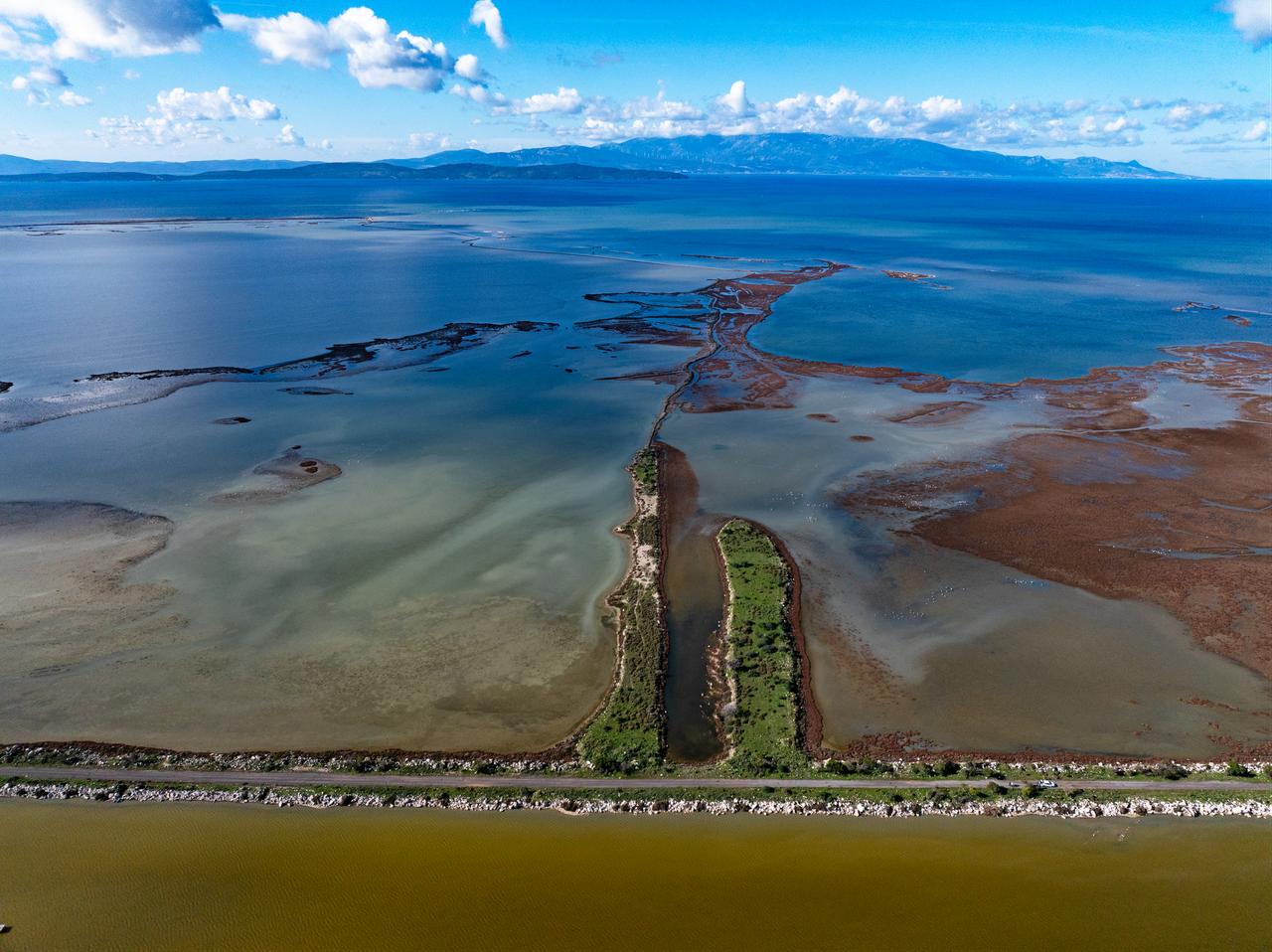
The Gediz Delta was formed by sediments carried from inland areas by the Gediz River and deposited where the river meets the Aegean Sea, east of Izmir Bay.
It lies within the administrative boundaries of Cigli, Menemen, and Foca districts in Izmir province.
Covering roughly 40,000 hectares, the delta ranks among Türkiye’s largest wetlands and is considered part of the country’s natural heritage due to its high biological diversity.
It is protected under the Ramsar Convention, an international treaty aimed at conserving wetlands of global importance, and it also holds natural conservation site status under national law.
With its lagoons, salt pans, reed beds, and mudflats, the delta serves as a crucial resting, feeding, and breeding ground for wildlife.
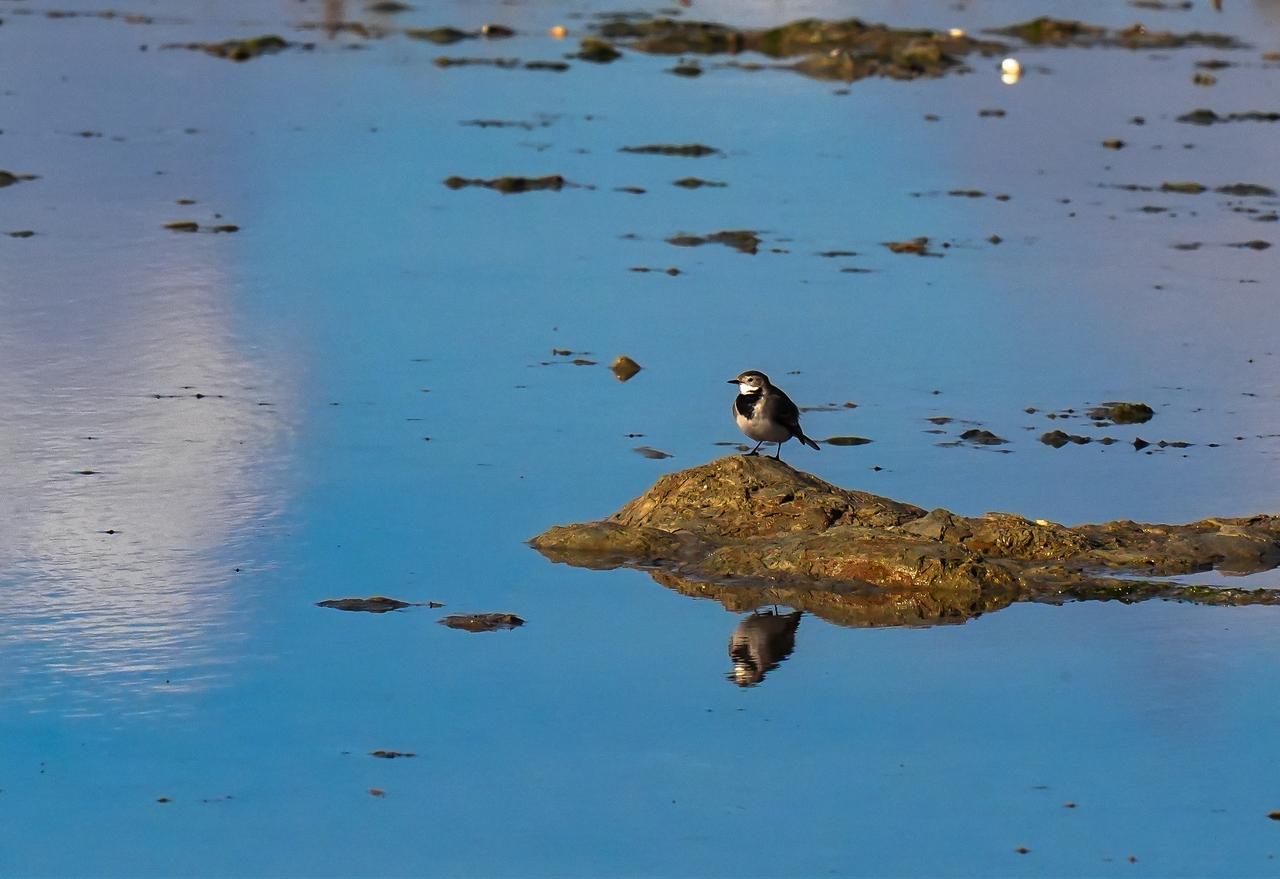
It is particularly known for hosting flamingos and many other bird species, along with a wide range of plants and smaller animals that depend on wetland habitats.
According to Ufuk Ozkan, head of the Watershed Management Department at Izmir Katip Celebi University’s Faculty of Forestry, climate change is expected to weigh heavily on both biodiversity and living species in the delta.
He pointed out that rainfall in the Aegean region has been below normal for the past two years, while temperatures have risen sharply over the same period.
Ozkan explained that this combination is creating a growing gap in the water balance, as reduced rainfall and higher temperatures lead to a steady decline in available freshwater. As a result, water stress linked to drought is increasing not only across the delta but also in surrounding urban areas.
Although recent rains did deliver some freshwater to the delta, Ozkan noted that persistently high temperatures afterward caused evaporation rates to rise. This meant much of the incoming water could not be retained and instead returned quickly to the atmosphere.
As freshwater volumes drop, pollution levels rise even if pollution sources remain unchanged.
Ozkan underlined that lower water levels lead to higher concentrations of pollutants, a trend already reflected in existing water quality data.
He said pollution entering the Gediz River basin mainly comes from urban wastewater, agricultural runoff, and industrial activities.
When the amount of water declines, these pollutants become more concentrated, increasing stress on wetland ecosystems. In this sense, he warned that pollution can become as damaging as drought itself, or even more so, when new clean water cannot be added to dilute contaminants.
Reduced rainfall, rising temperatures, and ongoing human activities are also expected to reshape plant life in the delta.
Ozkan cautioned that some native plant species may disappear, opening the door for invasive species that thrive under harsher conditions.
Such changes in vegetation could ripple through the ecosystem. Invasive plants are often less suitable for insects, bees, and birds, which depend on native species for food and shelter.
A decline in plant diversity could therefore lead to losses among insects and pollinators, followed by impacts on migratory and resident bird populations.
Looking ahead, Ozkan said drought risk is projected to increase year by year as climate change effects deepen. While it is difficult to predict exactly how fast these changes will unfold, he stressed that the risk to biodiversity is already clear.
Among the key responses discussed by experts are increasing the overall amount of wetlands across the river basin, supporting the system with artificial wetlands, and treating incoming rainfall as effectively as possible before it enters the delta.


 Set as preferred source
 Set as preferred source


 1 min read

 1 min read