Newsletters


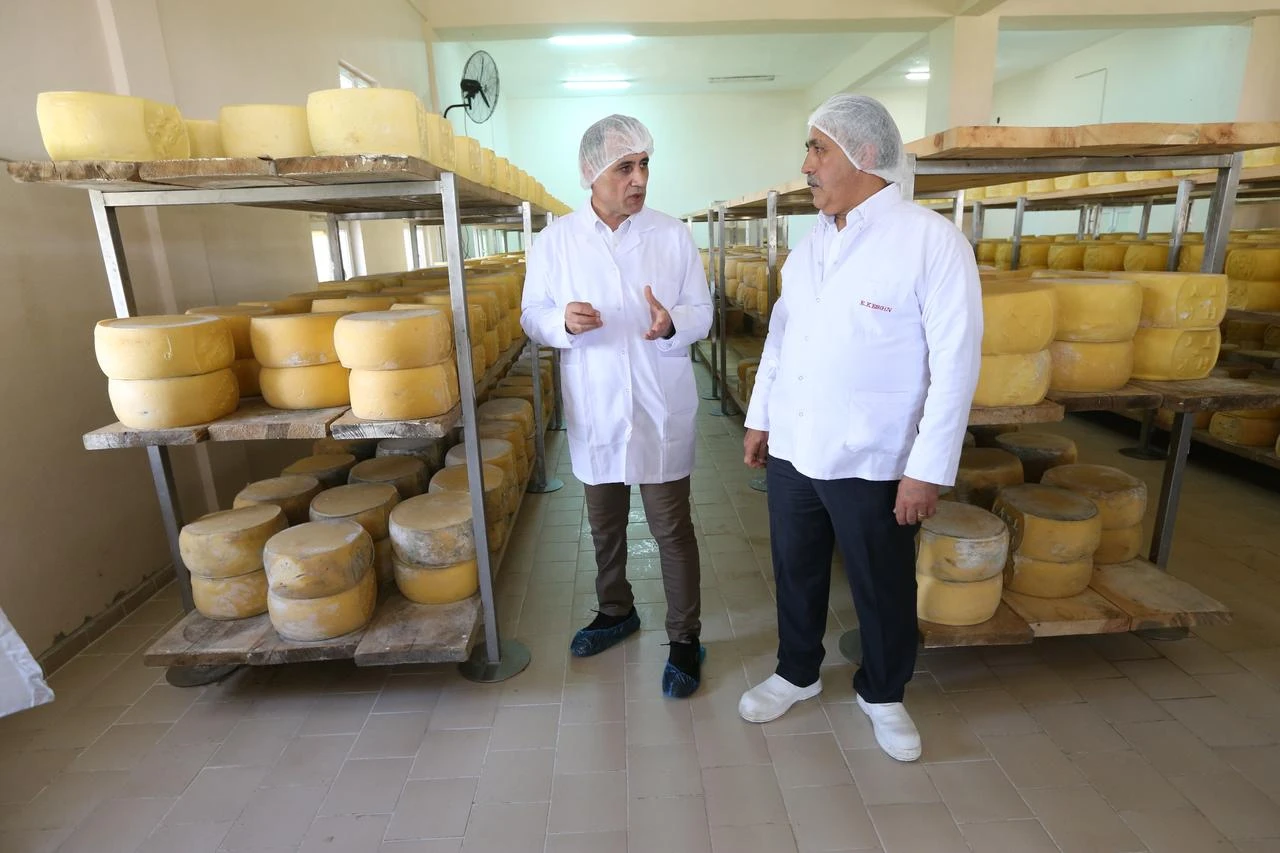


Kars, a province in eastern Türkiye near the Armenian border known for its wide pastures and highlands, is among the country's most important centers for milk and dairy production, turning out roughly 19,000 tons of geographically indicated kashar and gruyère-style cheese each year, according to provincial officials.
Endemic plants that grow across the region's pastures and highlands give the milk and dairy products made from it a distinctive aroma.
Kashar cheese has been produced in the province since the early years of the Turkish Republic, with traditional methods preserved alongside registered production in modern facilities.
From spring onward, cattle graze on the region's highland vegetation, and fresh milk is transported by tanker to dairies across the province.
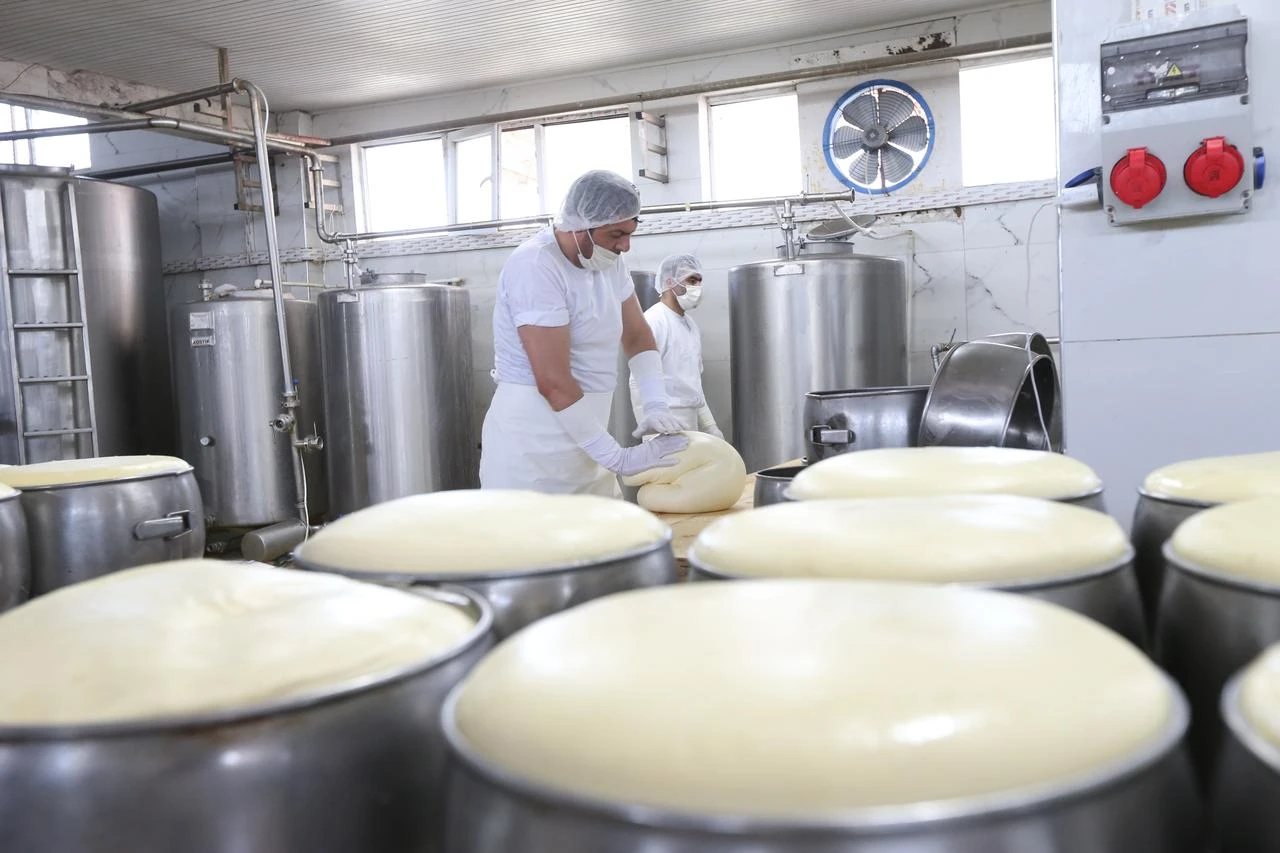
Sixty-six licensed dairy enterprises operate in Kars, processing milk into a range of cheeses, chiefly registered gruyère-style and kashar varieties.
Teams from the provincial directorate of agriculture and forestry conduct regular inspections of the facilities and are pursuing European Union geographical indication registration for Kars kashar, aiming to raise the brand value of the province's cheese products.
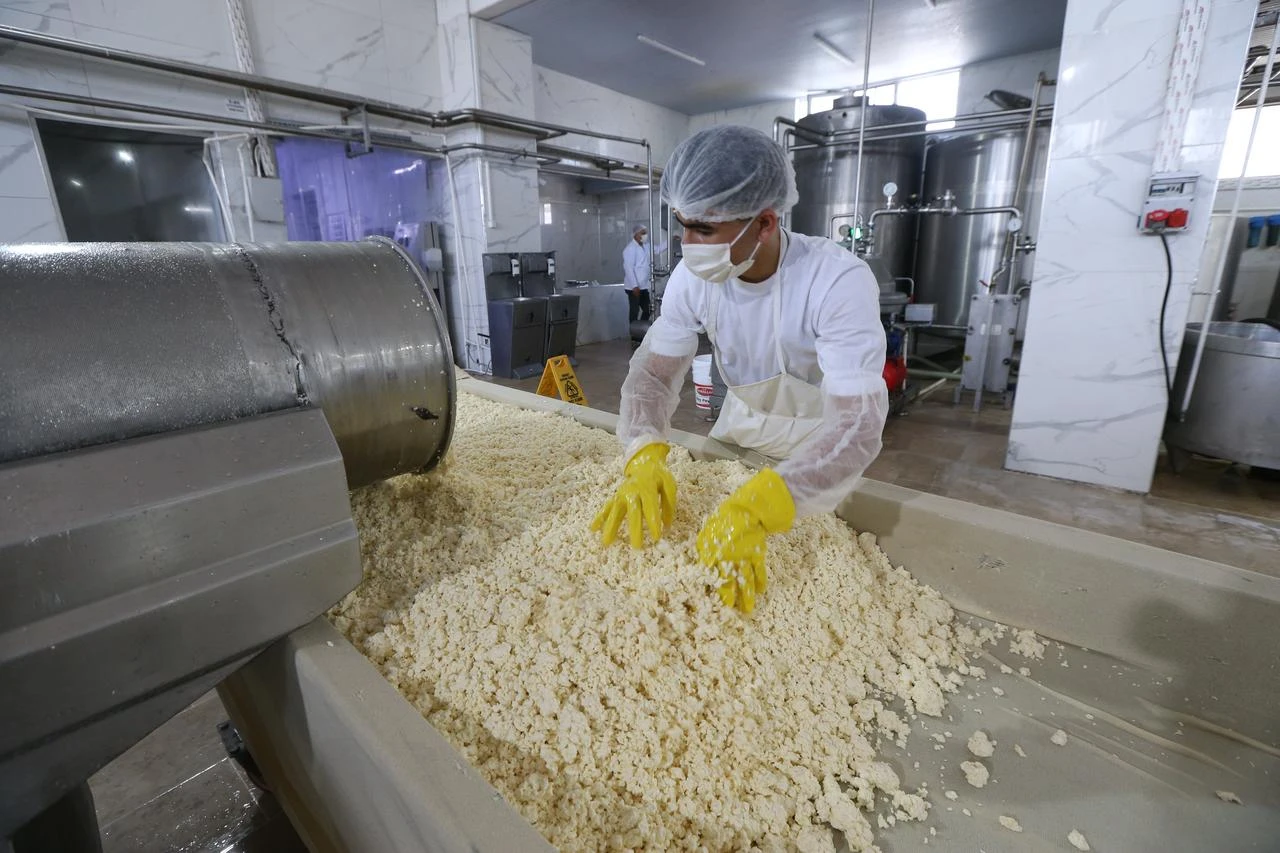

Enver Aydin, provincial director of agriculture and forestry, said pasture and highland areas make up about 44 percent of the province's land.
He said more than 1,600 wild plant species grow there, representing about 16 percent of Türkiye's plant flora, with 70 to 100 considered endemic and 12 found only in Kars.
The province is also home to about 600,000 cattle and more than 1 million sheep and goats, giving it a significant role in livestock farming, Aydin said.
He said the aromatic and nutritional properties of the region's endemic plants pass into the milk produced there, making the resulting kashar and gruyère-style cheese among Türkiye's most valuable and distinctive products.
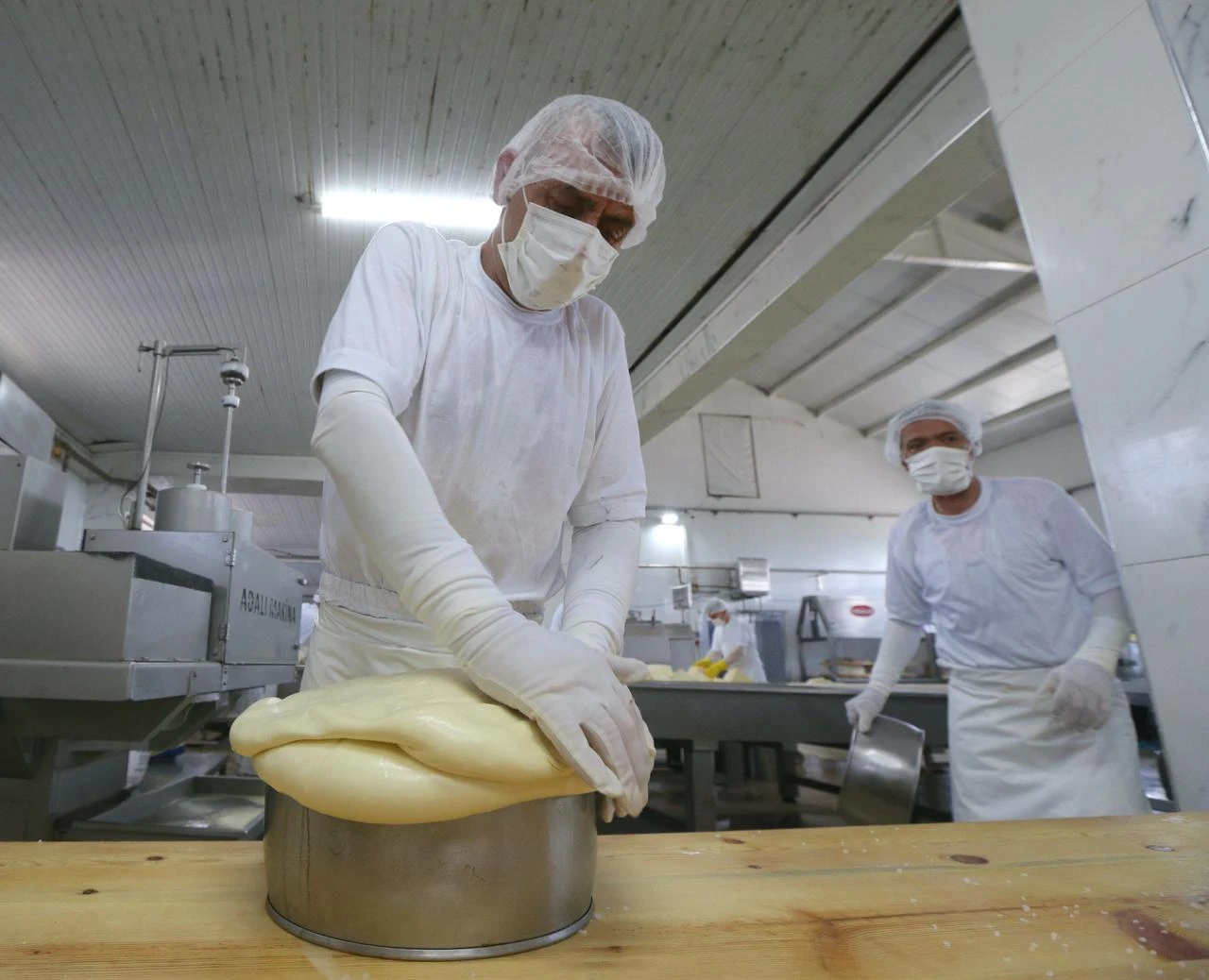
Aydin said 66 facilities approved by the Ministry of Agriculture and Forestry produce a combined annual average of 18,600 to 19,000 tons of kashar and gruyere-style cheese.
Aydin said Kars products reach nearly every region of Türkiye and that the directorate carries out periodic inspections of production facilities to verify hygiene standards, quality criteria and compliance with geographical indication requirements.
Kars kashar received Turkish geographical indication registration in 2015, a step Aydin said helps preserve the traditional production methods passed down through generations in the region.
Kars gruyère-style cheese received its own geographical indication registration from the Turkish Patent Institute in 2024.
Aydin said an application has been submitted for Kars kashar to receive European Union geographical indication status, part of a wider effort to gain international recognition for the product.
Cheese producer Engin Kesgin said his family has produced kashar, gruyere-style cheese, belly cheese and butter since 1966, using milk from cattle that graze on the region's highland pastures.


 Set as preferred source
 Set as preferred source




 6 min read