Newsletters


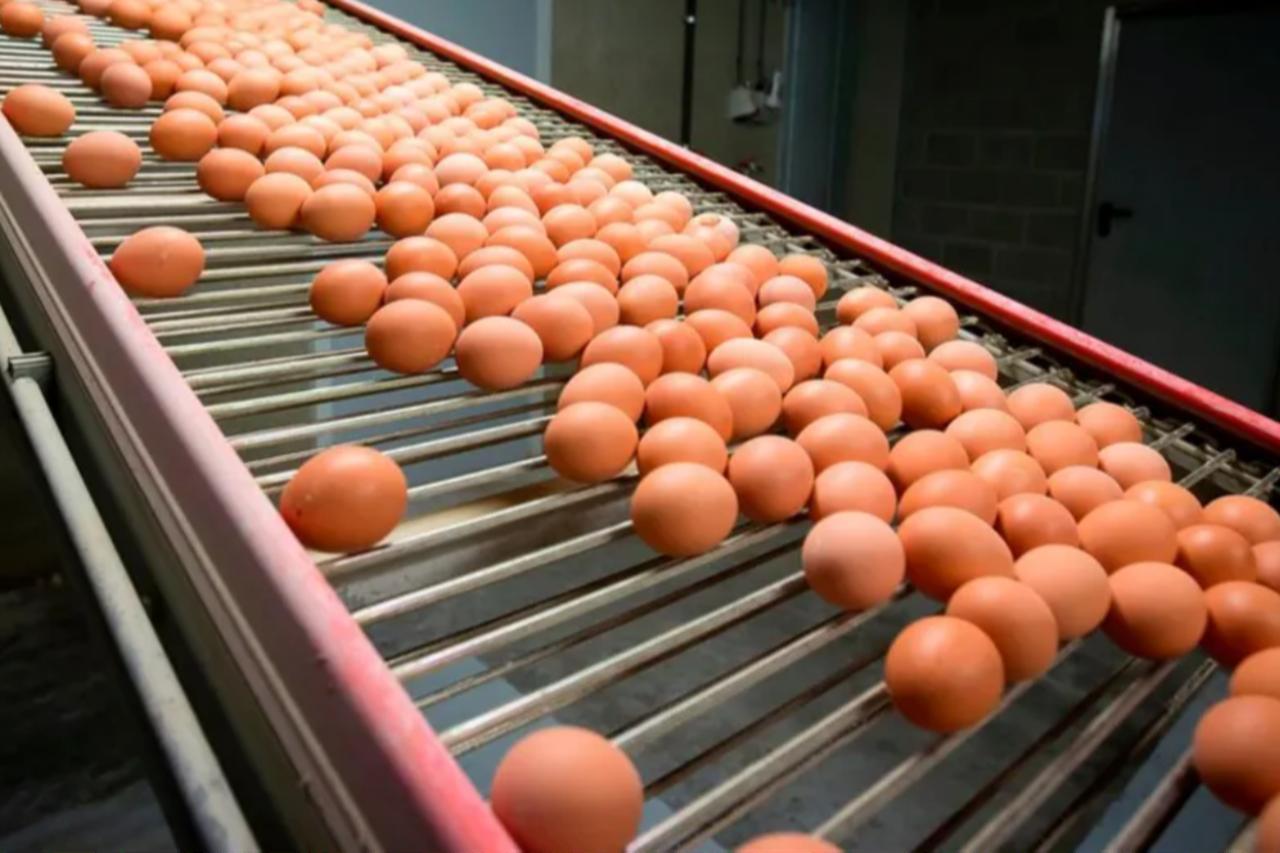


Tripoli has witnessed broad consumer and merchant activity in recent days after egg prices climbed to high levels, prompting a boycott campaign aimed at pressuring the market and bringing prices back down.
The campaign began on social media, where activists called on residents to stop buying eggs until prices fall.
Some shops joined the effort by putting up signs urging customers not to purchase eggs during the boycott period, framing it as a collective step to curb price hikes.
A tray of eggs reached 25 Libyan dinars (about $4.61), while packaged eggs rose to 30 dinars, at a time when the exchange rate stands at 5.4 dinars per U.S. dollar.
The sharp increase has intensified public frustration, with organizers saying prices have moved beyond what many households consider affordable.
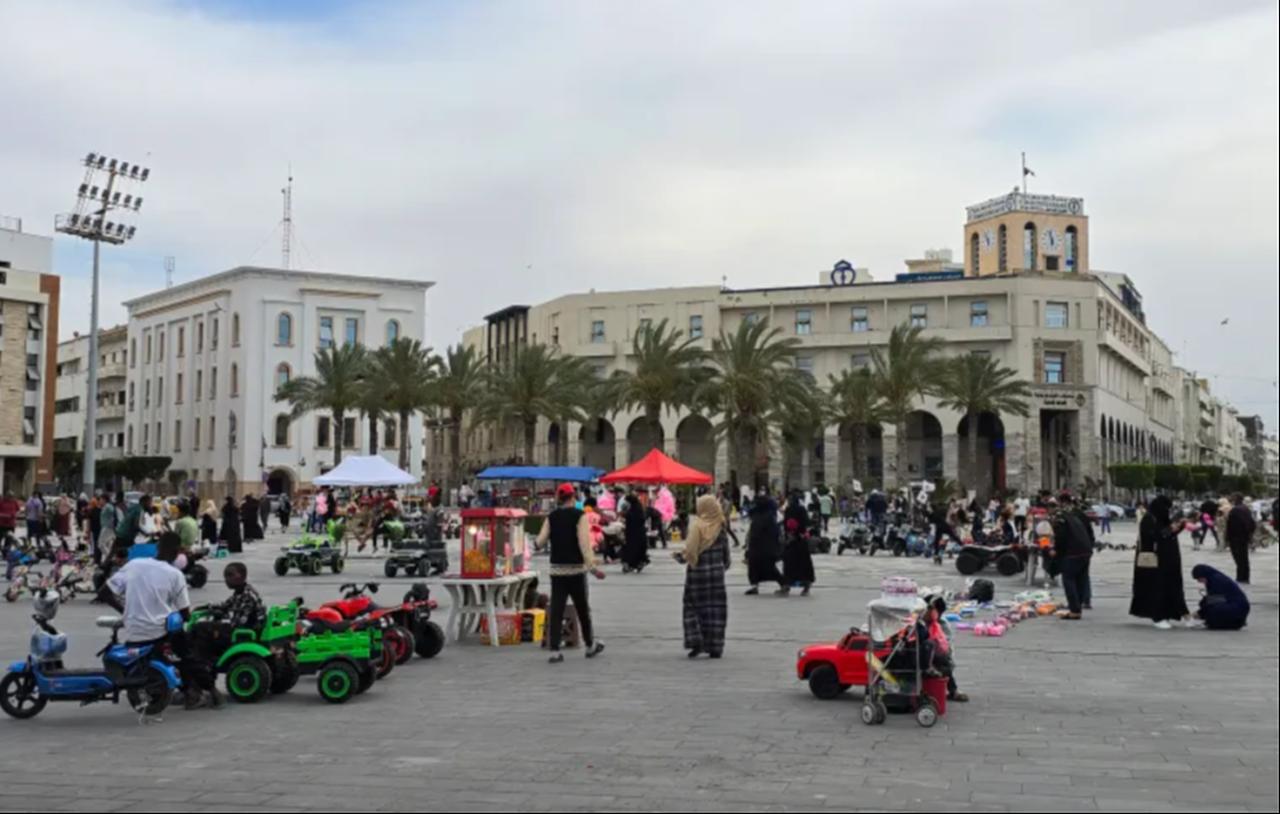

Nizar Belhaj, one of the boycott organizers, said the price jump unfolded quickly over recent months.
He said a tray of eggs cost 15 dinars only a few months ago, then increased gradually to 23 dinars, before reaching 25 dinars.
The pace of the increase, he said, was a key factor behind the public response.
Belhaj added that the current pricing has made eggs noticeably more expensive for daily consumers, saying the price has effectively reached one dinar for two eggs, a level that many citizens found alarming and worth mobilizing against.
From the perspective of retail sellers, some shop owners said the rise is being driven by wholesale market dynamics.
In central Tripoli, Mahmoud Rashid, who owns a shop there, said the increase is mainly tied to wholesale prices that traders set in market networks.
He said prices climbed by about 10% over the past month, leaving retailers and consumers facing the same pressure.
Rashid also said that his stance and that of other shopkeepers who displayed boycott signs was meant as a gesture of solidarity.
He described the move as standing with citizens against the escalation of egg prices to what he considered excessively high levels.
On the production side, poultry breeder Ali bin Naji, from the Warshafana area, linked the rising price of eggs to higher input costs, especially animal feed, alongside the rise of the U.S. dollar against the Libyan dinar.
He said these factors pushed breeders to raise the prices of eggs and poultry meat to cover costs, describing the adjustments as aligned with current economic conditions.
Economic analyst Adel Al-Maqrouhi described boycott campaigns as an effective tool for confronting market speculation, citing previous experiences that he said showed boycotts can help reduce prices of certain goods, including meat and milk.
He argued that continued citizen participation could drive egg prices back toward what he called their natural level, no more than 14 dinars per tray of 30 eggs. He said boycotts can act as a direct and effective way to impose market discipline.
The Poultry Breeders’ Union also said the main drivers include an unjustified rise in feed prices and trader manipulation.
The union added that a lack of government support for breeders and shortages of vaccines and veterinary medicines contributed to reduced production.
It warned that the sector could face collapse if current conditions continue, potentially leading to imports of eggs at high prices in hard currency and creating a direct threat to Libya’s food security.


 Set as preferred source
 Set as preferred source


 3 min read