Newsletters





A strengthening El Nino combined with a positive Indian Ocean Dipole could push up global temperatures and sharpen drought, flooding and wildfire risks in the coming months, according to Turkish climate scientist Levent Kurnaz.
Kurnaz, director of Bogazici University's Climate Change and Policy Research Center, said the two climate patterns are developing against the backdrop of an already warming planet, creating conditions that could bring about record-hot months.
"There will be an upward jump in average temperatures worldwide. When El Nino's short-term contribution is added to a system that is already warming, we are likely to see record-hot months," Kurnaz said.
El Nino is a recurring climate pattern in which unusually warm waters develop in the tropical Pacific Ocean, influencing temperatures and rainfall across large parts of the world. The positive Indian Ocean Dipole is another ocean-atmosphere pattern, marked by warmer-than-normal waters in the western Indian Ocean and cooler conditions in the east.
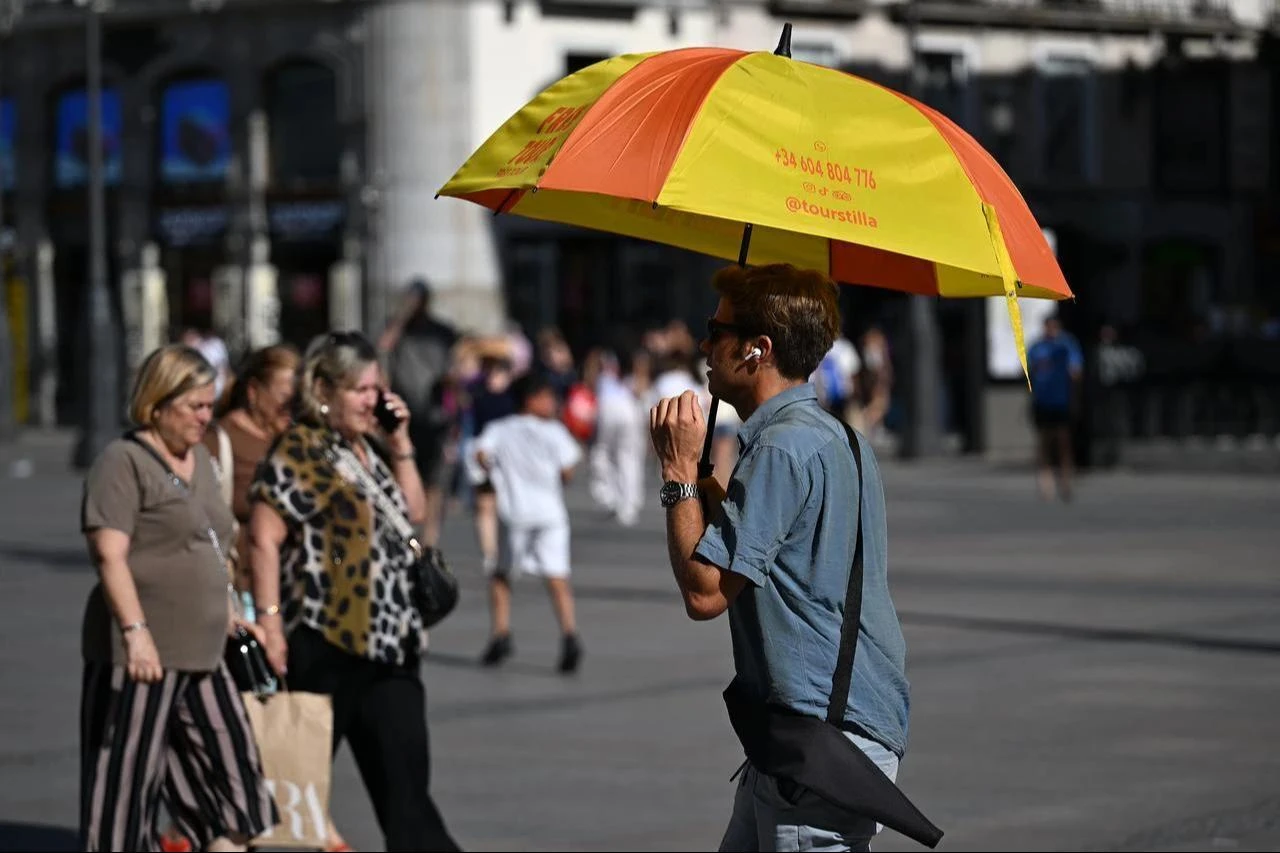

Data from Columbia University's International Research Institute for Climate and Society showed that sea surface temperatures in the Nino 3.4 region, a key area used to track El Nino, were recently 2.1 degrees Celsius above the long-term average.
Kurnaz said an anomaly of at least 2 degrees is generally considered a very strong El Nino, adding that forecasts for the August-October period indicate the current event could become comparable with major episodes recorded in 1997-98 and 2015-16.
The World Meteorological Organization expects El Nino to become a dominant influence on the global climate during August–October, raising the likelihood of above-normal temperatures across much of the world while also shifting rainfall patterns.

According to Kurnaz, El Nino could increase drought risks across Indonesia, eastern Australia and southern Africa, while parts of the eastern Pacific and western South America could see heavier rainfall and flooding. The climate pattern also typically holds back Atlantic hurricane activity.
At the same time, the developing positive Indian Ocean Dipole could add to some of these regional effects.
"The fact that the positive Indian Ocean Dipole coincides with the same period creates an overlap that adds the effects of the two systems to each other, laying the groundwork for regional risks to be experienced more sharply compared with previous periods," Kurnaz said.
He also pointed to climate change as a key factor, saying higher global temperatures provide an elevated starting point from which El Nino-related warming can build up.
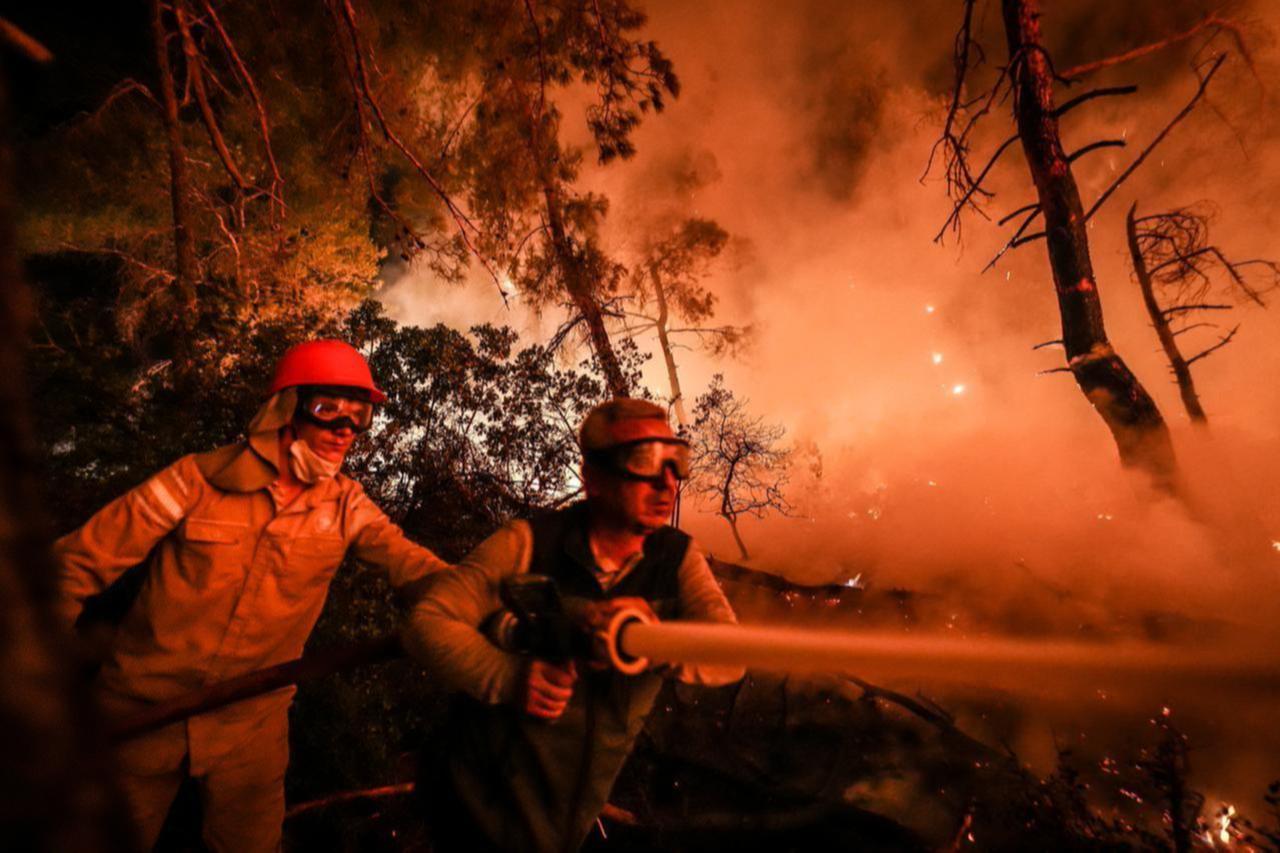
For Türkiye, Kurnaz said El Nino is not expected to bring about extreme changes in rainfall. However, it could help keep temperature anomalies in place and extend the period of heightened wildfire risk, particularly across the Mediterranean region.


 Set as preferred source
 Set as preferred source



 2 min read