

 Newsletters


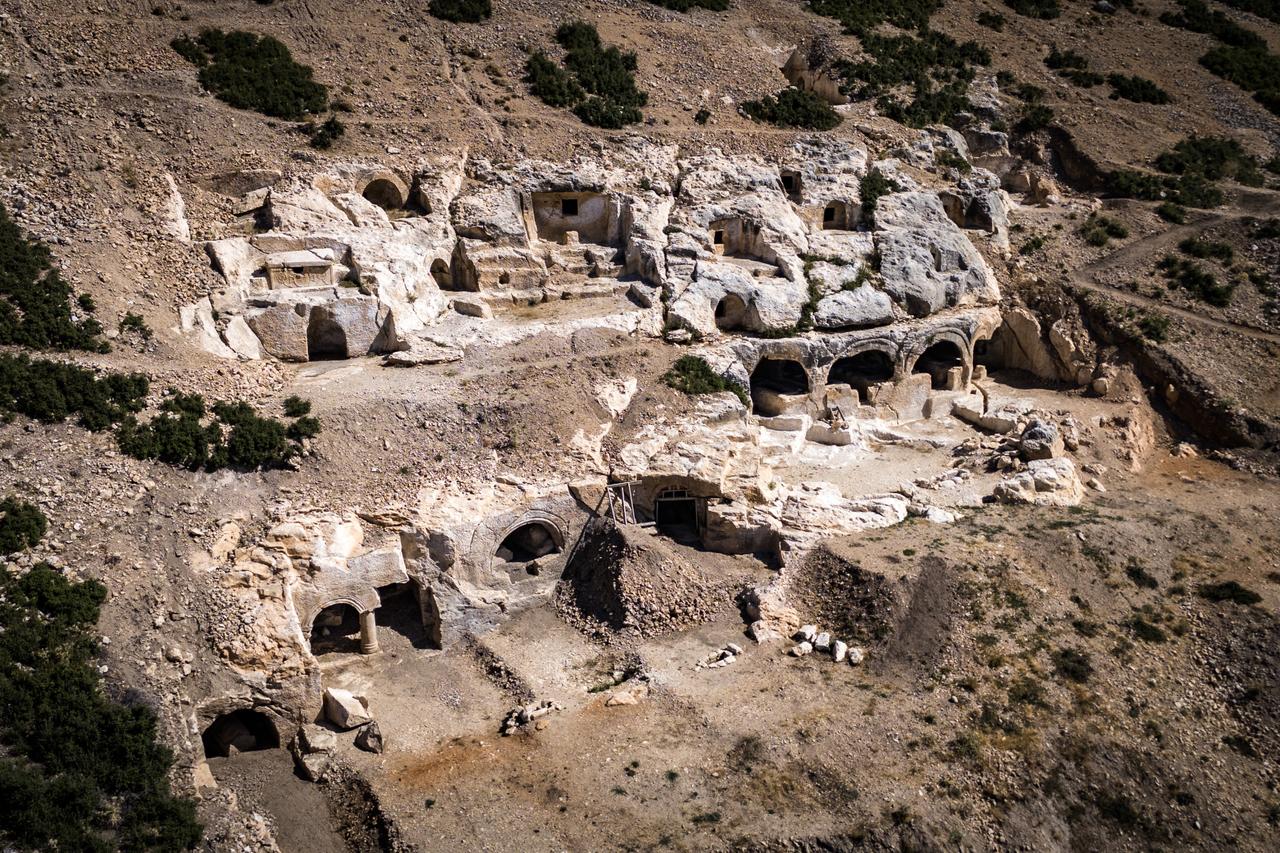


Tucked into the steep slopes of the Central Taurus Mountains, Ermenek in Türkiye's Karaman province brings together archaeological remains, centuries-old houses, turquoise waters and a traditional market culture that has carried on for generations.
The district's landscape takes shape around rugged cliffs, valleys and cedar forests, while small settlements, farmland and hillside homes appear along the mountain roads leading into Ermenek. Mediterranean and continental climate influences overlap in the area, adding to the varied natural setting.
Among the most striking features is the Ermenek Dam Lake, whose turquoise waters stretch between rocky slopes and run through a canyon shaped by the Taurus Mountains' steep terrain.
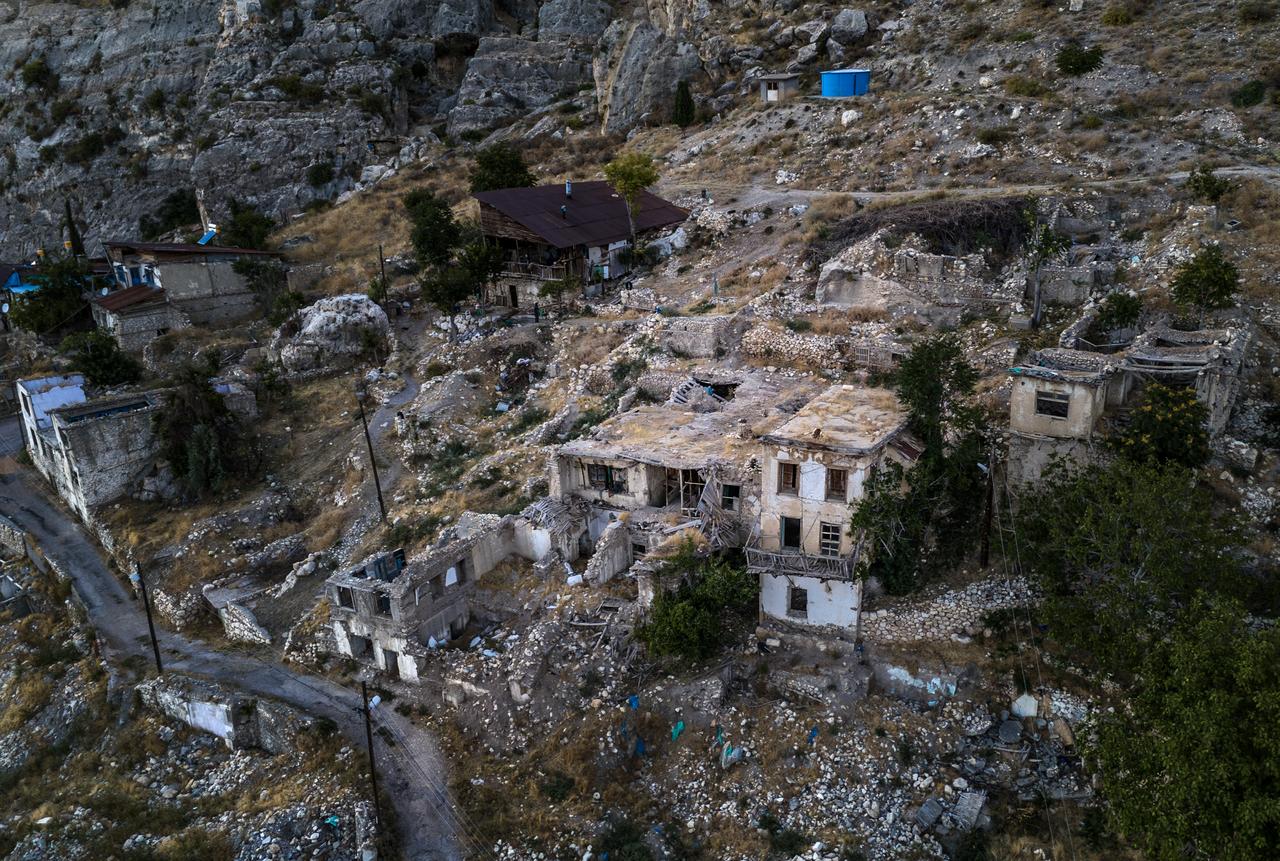

In Ermenek's old settlement area, traditional houses follow the natural slope of the mountainside, forming a historic urban landscape made up of narrow streets, old commercial areas and religious buildings.
Stone, timber and, in some places, adobe were used in the construction of the houses, which were built to fit into the district's difficult topography.
Ermenek was also one of the important centers of the Karamanogullari Beylik, a Turkish principality that ruled parts of Anatolia during the medieval period. The region is closely associated with Karamanoglu Mehmet Bey's 1277 decree concerning the use of Turkish in state affairs.
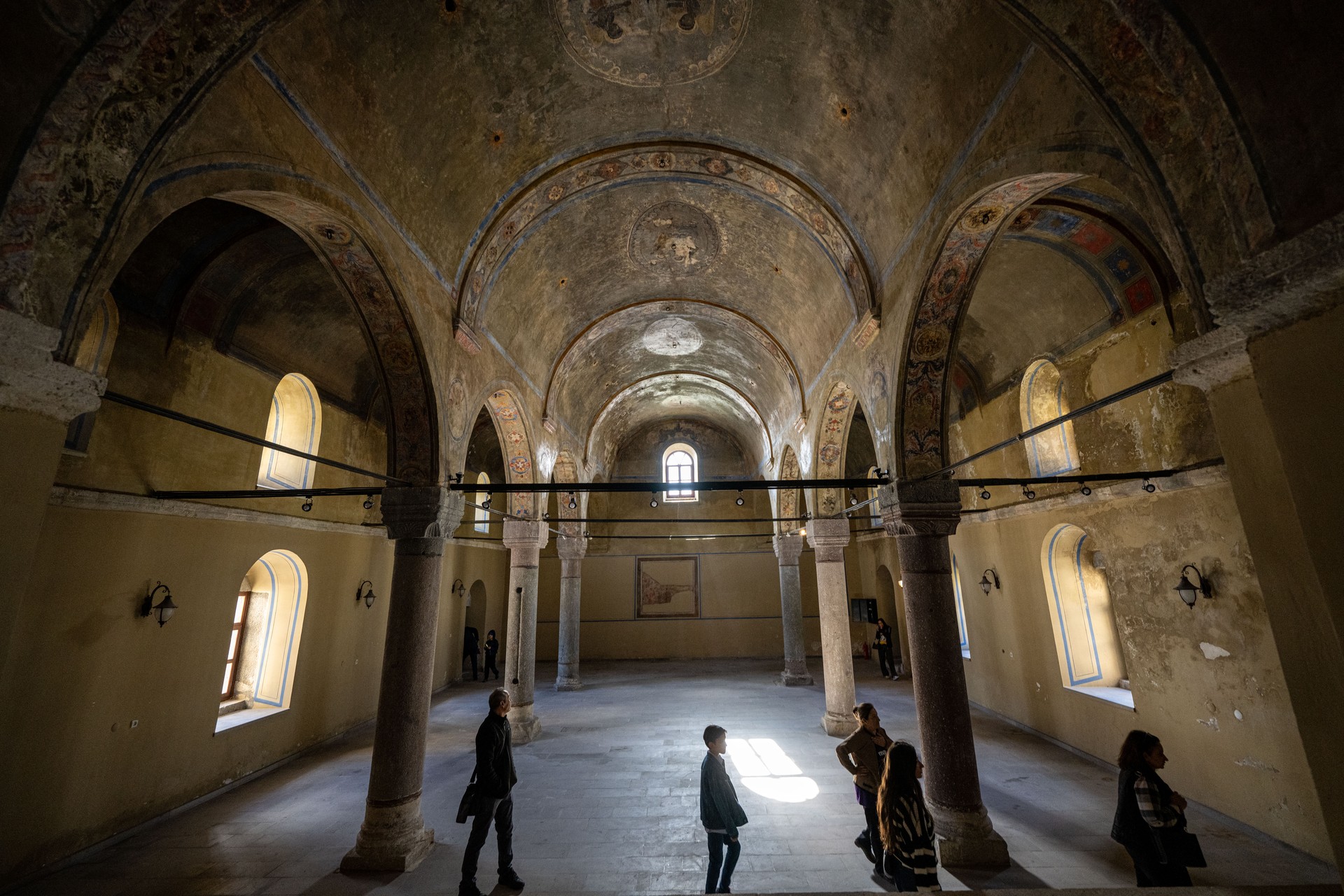
One of the surviving monuments from this period is the Ermenek Ulu Mosque. According to its inscription, Karamanoglu Mahmut Bey commissioned the mosque in 1302-1303. Still open for worship after around seven centuries, the building preserves examples of stone and wood craftsmanship from the Karamanogullari period.
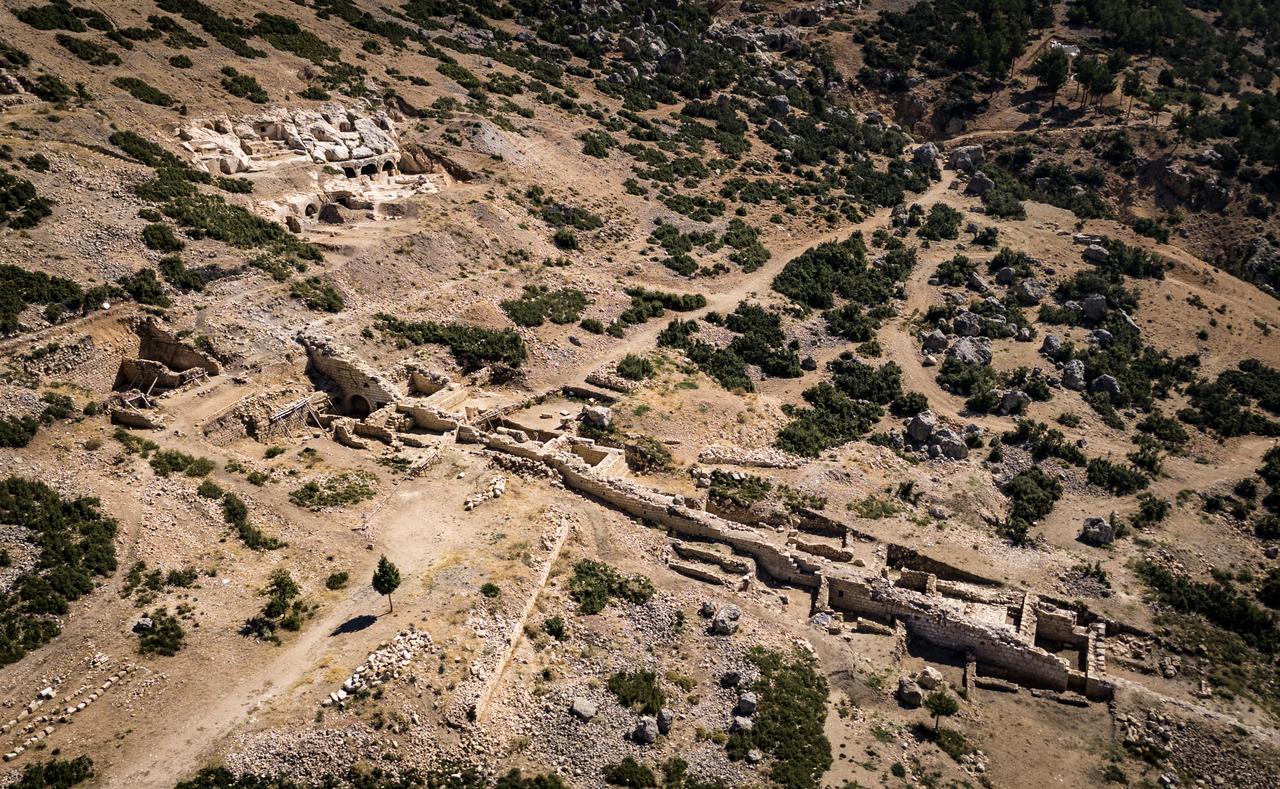
Ermenek's history stretches further back through archaeological sites around the district, including the ancient city of Sbide near Yukaricaglar village.
Available archaeological evidence traces the settlement back around 2,300 years. Located in the ancient region of Isauria, Sbide is believed to have remained inhabited during the Roman and Early Byzantine periods.
Remains at the site include fortification walls, an eastern gate, a main street, public buildings and a church.
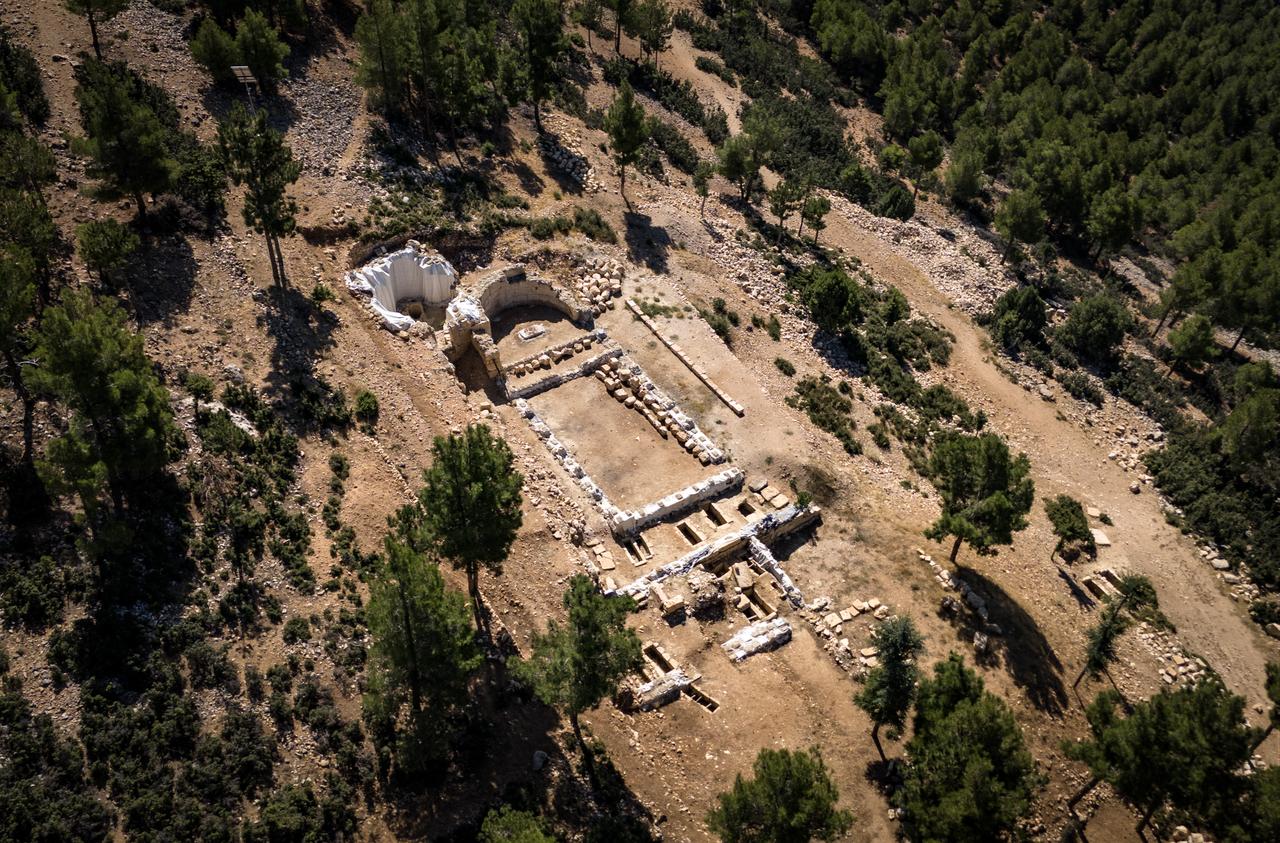
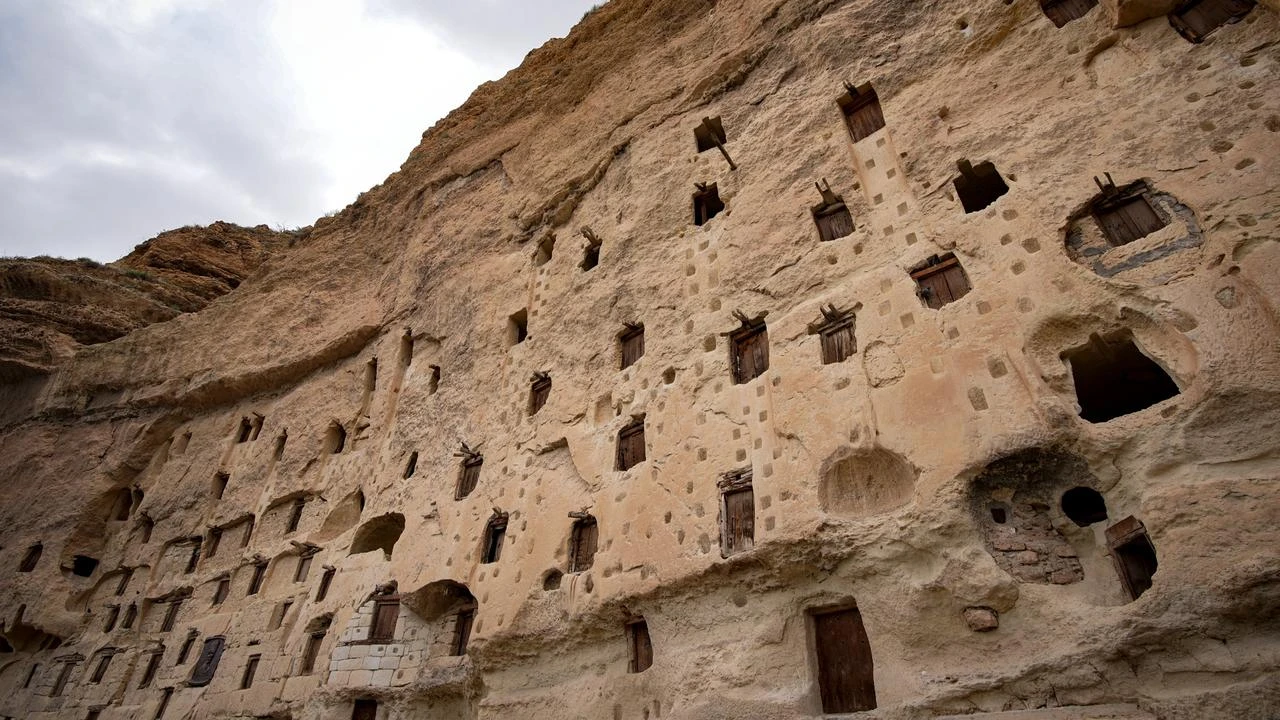
Its extensive necropolis, or ancient burial ground, contains rock-cut tombs, sarcophagi carved directly into the bedrock and graves known as "khamasorion," a type of tomb cut into natural rock.
Lion figures appear on some tomb covers, while excavations at more than 30 graves have brought to light the remains of around 300 people. Researchers are studying the finds to build up a clearer picture of the population's social life, diet and burial practices.
A wooden coffin discovered inside one of Sbide's rock tombs is also among the site's notable finds.
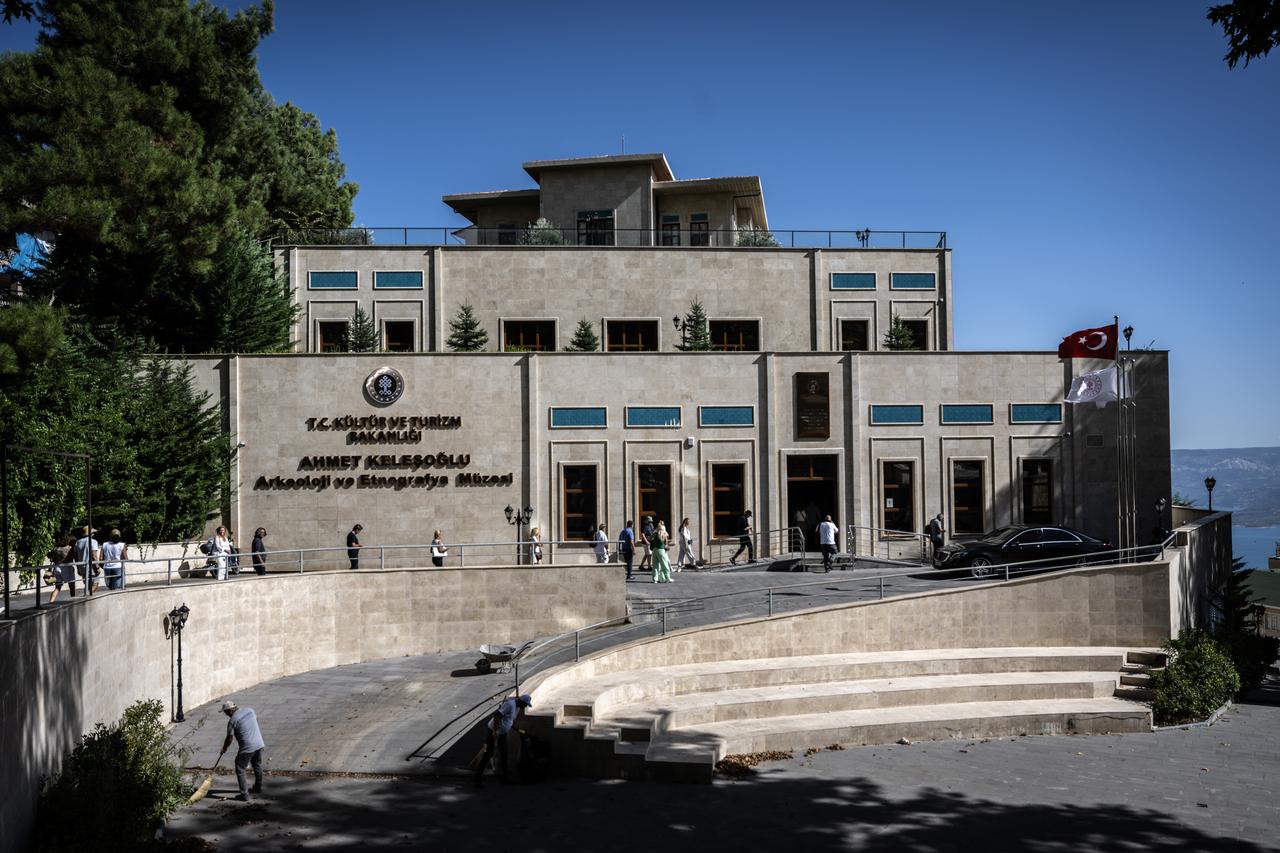
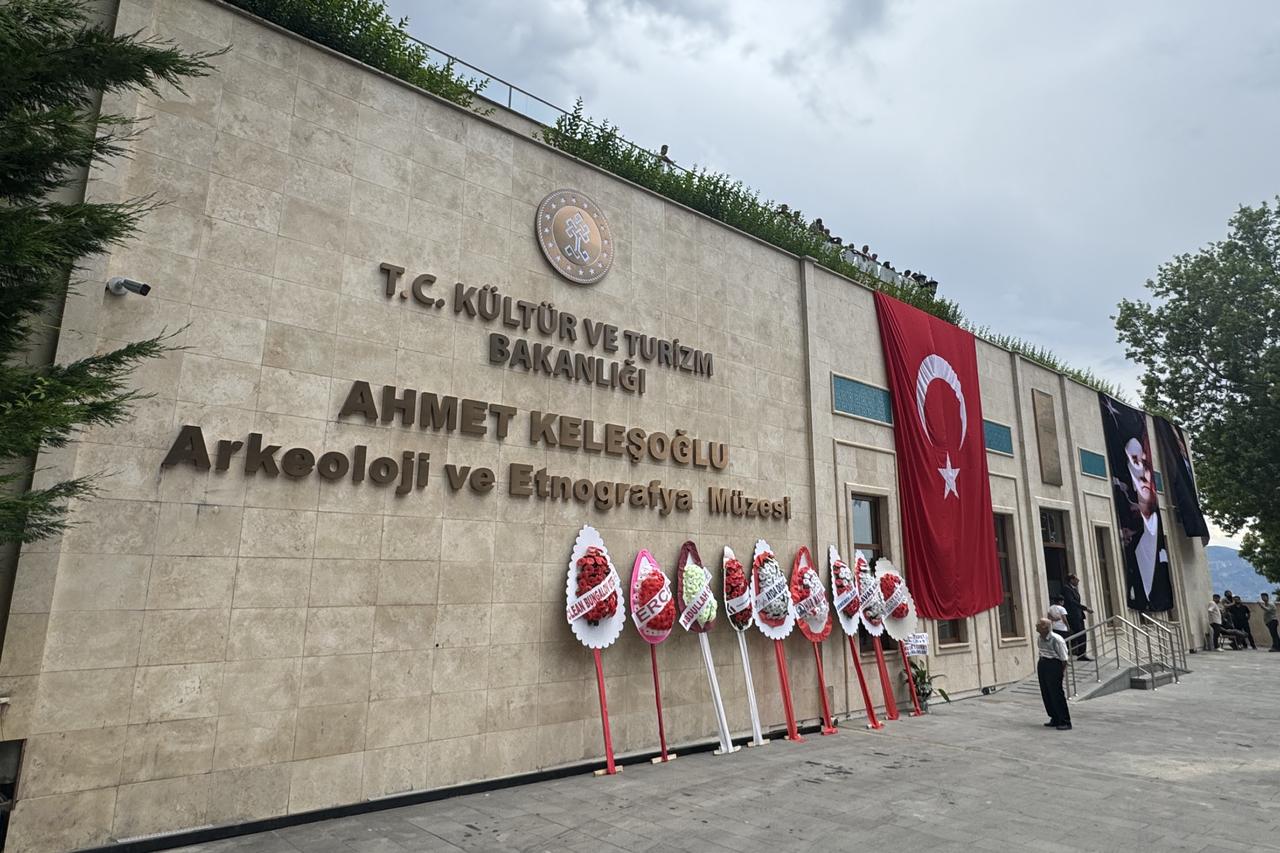
Much of Ermenek's archaeological and ethnographic heritage has been brought together at the Ahmet Kelesoglu Archaeology and Ethnography Museum.
The museum was developed under a protocol involving Türkiye's Culture and Tourism Ministry, Ermenek Municipality and the Ahmet and Nezahat Kelesoglu Foundation. The foundation constructed the building before handing it over to the General Directorate of Cultural Heritage and Museums.
The project also aimed to bring archaeological finds from Ermenek back to the district after some had previously been displayed in museums in Karaman and Konya.
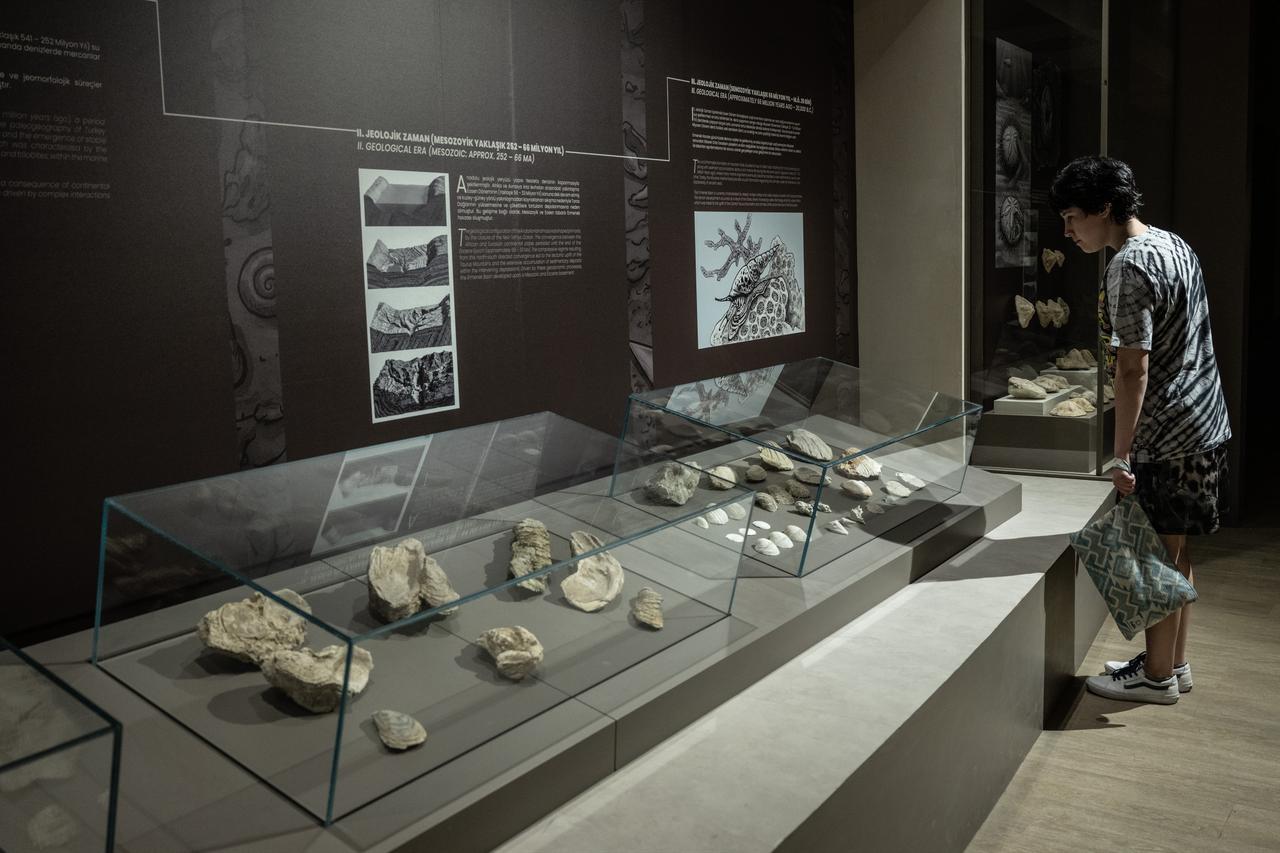
Named after Ermenek-born businessman and philanthropist Ahmet Kelesoglu, the museum houses around 2,000 cultural objects spanning the Hellenistic, Roman, Eastern Roman, Seljuk, Karamanogullari, Ottoman and Republican periods.
A significant part of the archaeological collection comes from excavations at Topraktepe, Yukaricaglar and Gokceseki.
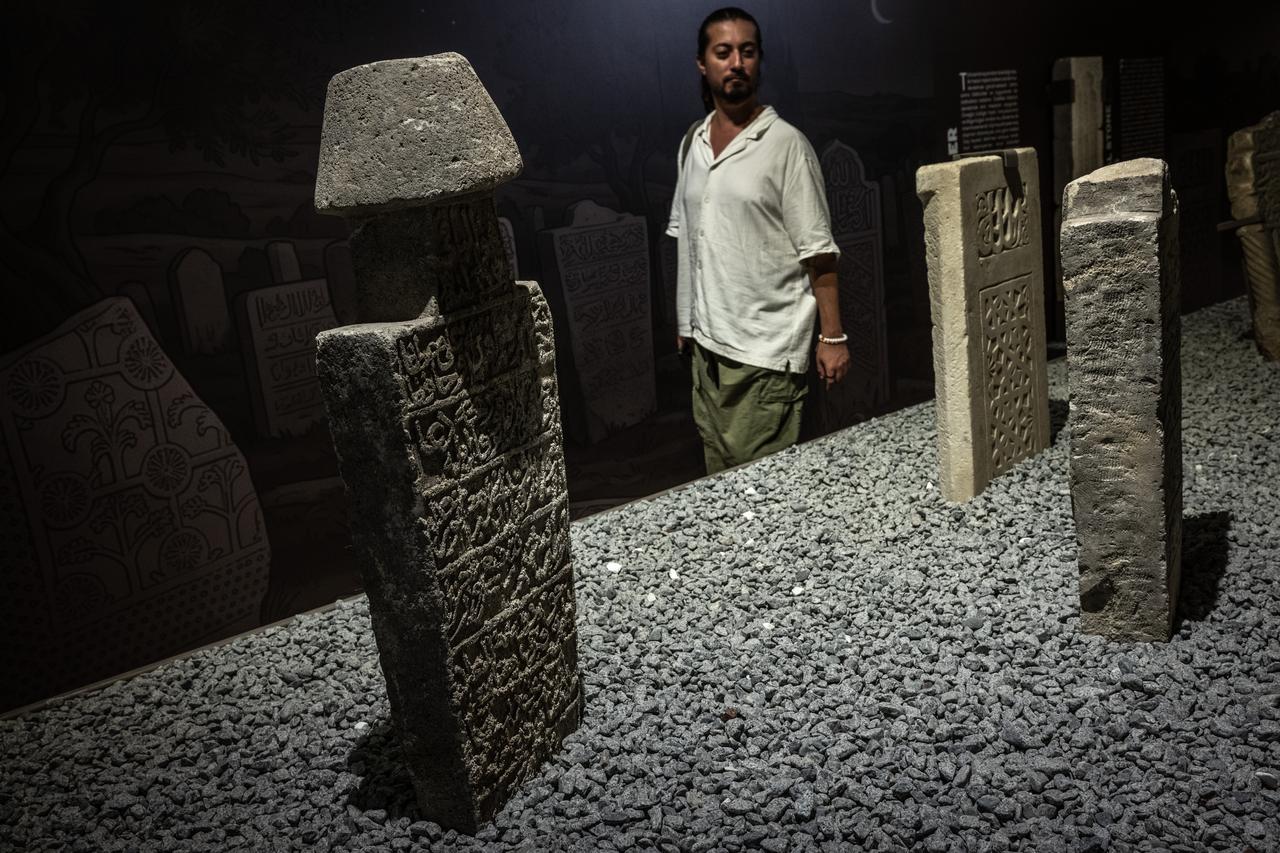
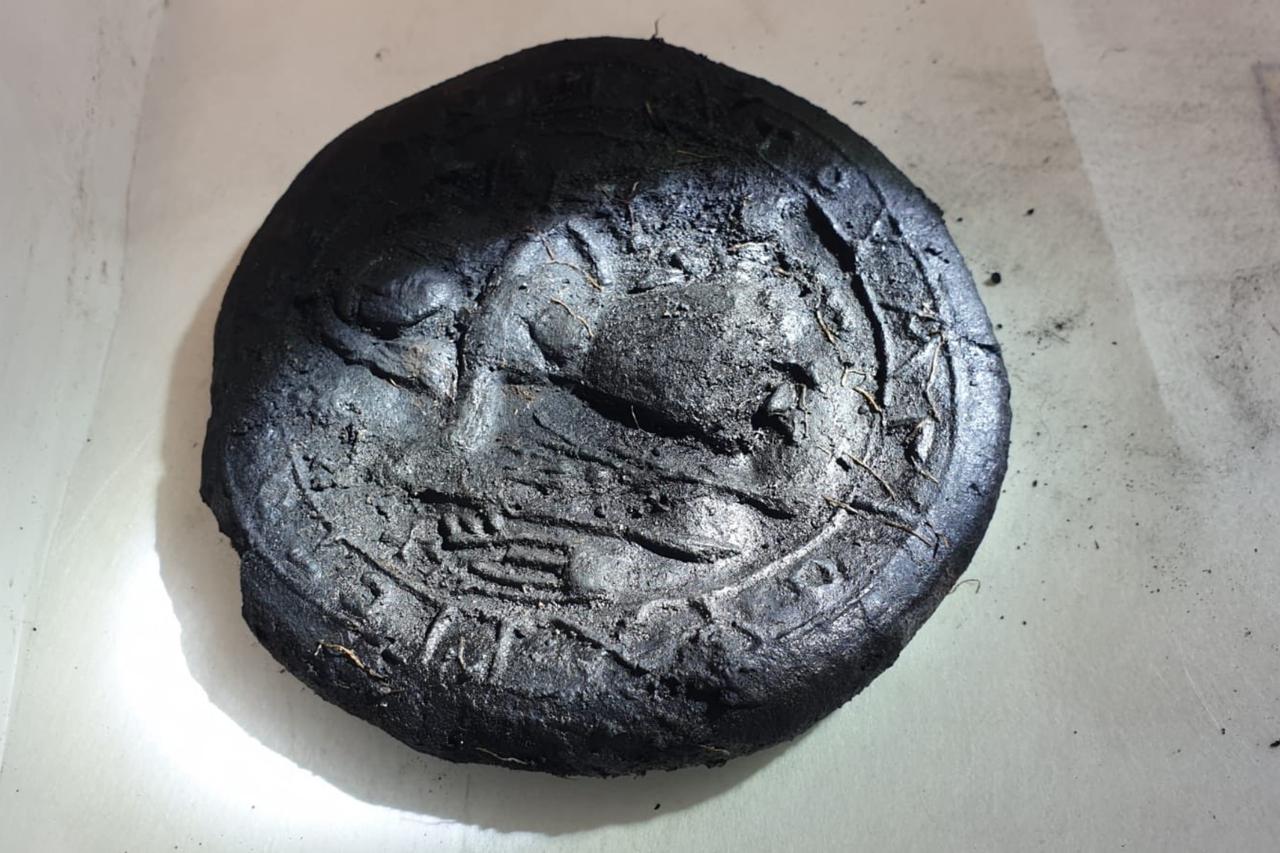
The archaeology section brings together ancient medical instruments, glass and bronze objects, figurines, jewelry, coins and burial finds. Communion breads and textile objects dating from the Eastern Roman period are among the museum's rare pieces.
Its ethnography section shifts the focus toward everyday life, displaying clothing, carpets, copperware, handicrafts and objects related to coffee culture from the Karamanogullari period through the Republican era.
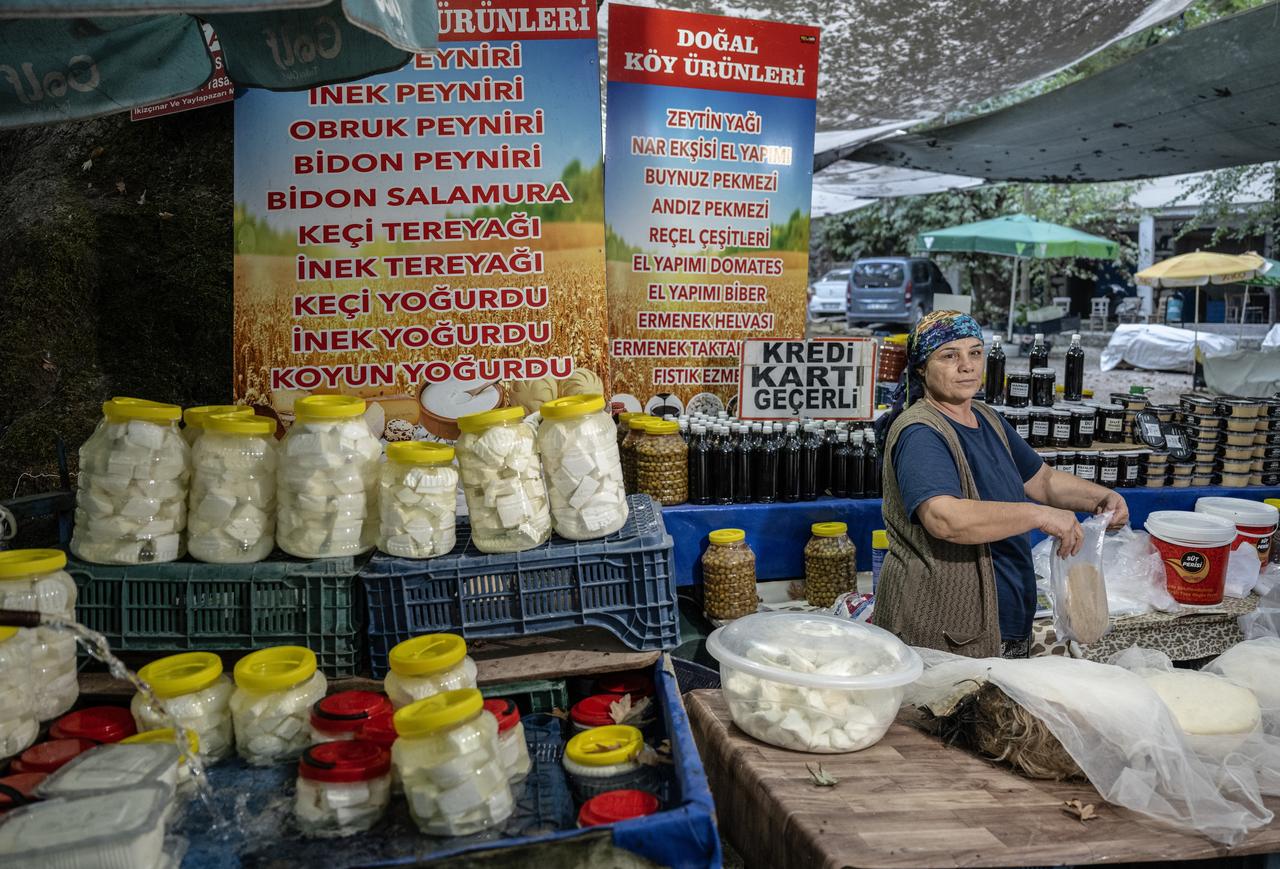
Around 26 kilometers from central Ermenek, Zeyve Pazari offers another link between the district's past and present.
Set around a stream between Ikizcinar and Yaylapazari villages, the market is said to have a history stretching back roughly 500 years. Centuries-old plane trees, cold-water springs and historic water mills surround the market area.
During the summer, producers from nearby villages set up stalls to sell locally grown fruit and vegetables alongside handmade goods such as wooden spoons.
Women selling their own products contribute to household incomes while also carrying forward a production and trading culture that has been passed down for centuries.
With market stalls gathered beneath old plane trees and historic mills standing beside flowing water, Zeyve remains more than a historic marketplace, continuing to function as a meeting point where traditional rural life is still visible.
From the ruins of ancient Sbide and the surviving architecture of the Karamanogullari era to archaeological collections and Zeyve's long-running market tradition, Ermenek brings together traces of different periods within the dramatic landscape of the Taurus Mountains.


 Set as preferred source
 Set as preferred source


 1 min read

 1 min read


