Newsletters


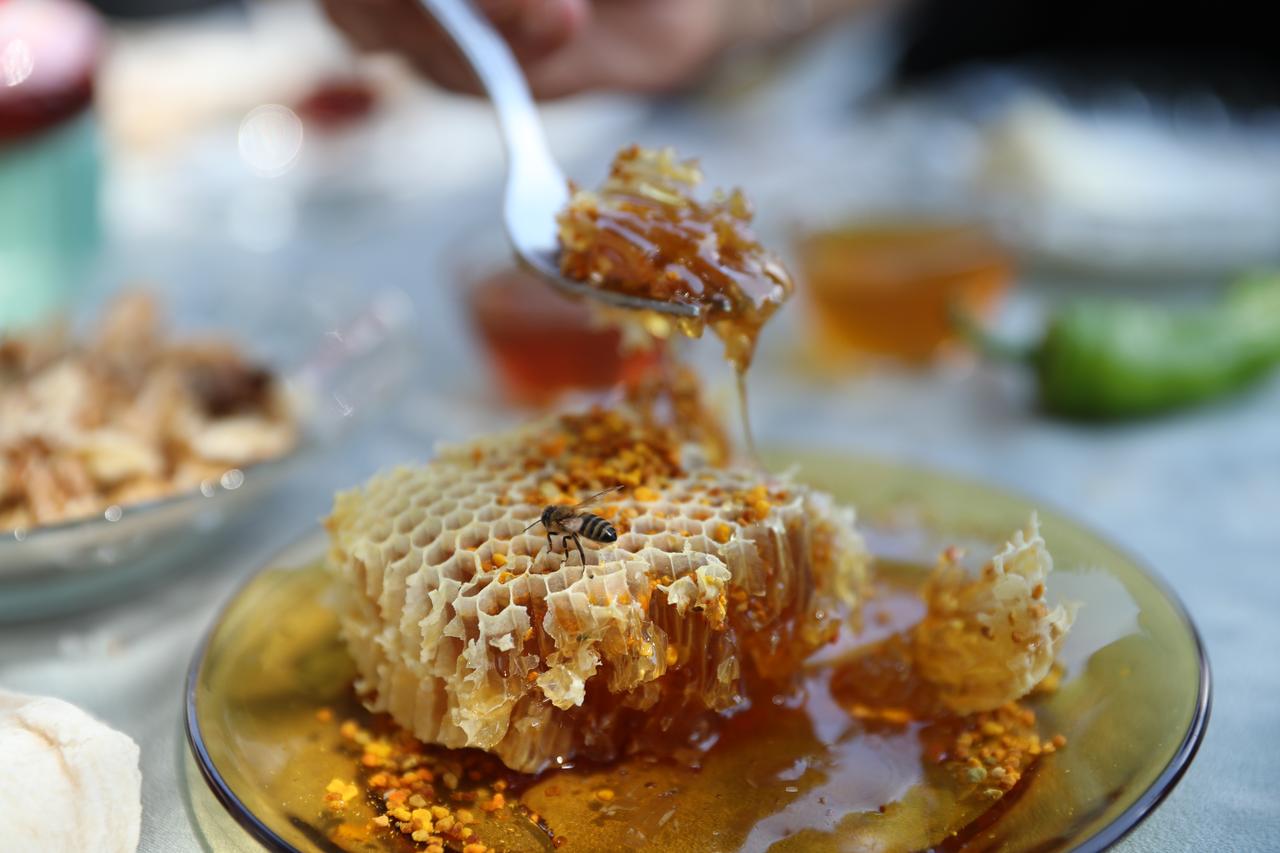


Erzincan, a province in eastern Türkiye, is expanding its range of beekeeping products beyond its three geographically indicated honeys, with plans underway to begin the country's first organic bee venom production.
Around 1,200 beekeepers manage 110,000 hives across the province, producing pollen, propolis, royal jelly and perga alongside honey, according to Anadolu Agency (AA).
Beekeepers in the region benefit from high-altitude plateaus, where astragalus, known locally as "geven," and thyme grow extensively, providing forage for hives positioned across the area.
Three honeys hold geographic indication
The province holds geographic indication status for three honey varieties: Refahiye Honey, Tercan Honey and Erzincan Geven Honey. Organic honey production is also becoming more widespread in the region.
Provincial Agriculture and Forestry Director Alper Kocaker said Erzincan's plant diversity makes it an important region for beekeepers, adding that the province aims to become one of Türkiye's leading honey producers. He said work is underway to boost production and marketing of secondary products such as royal jelly, pollen and propolis.
Kocaker said infrastructure and processing facilities are being developed to bring higher-quality honey to consumers, and that a new facility is planned this year.
"A complex facility that can serve all beekeepers in Erzincan, capable of producing all secondary products, will be initiated this year," Kocaker said.
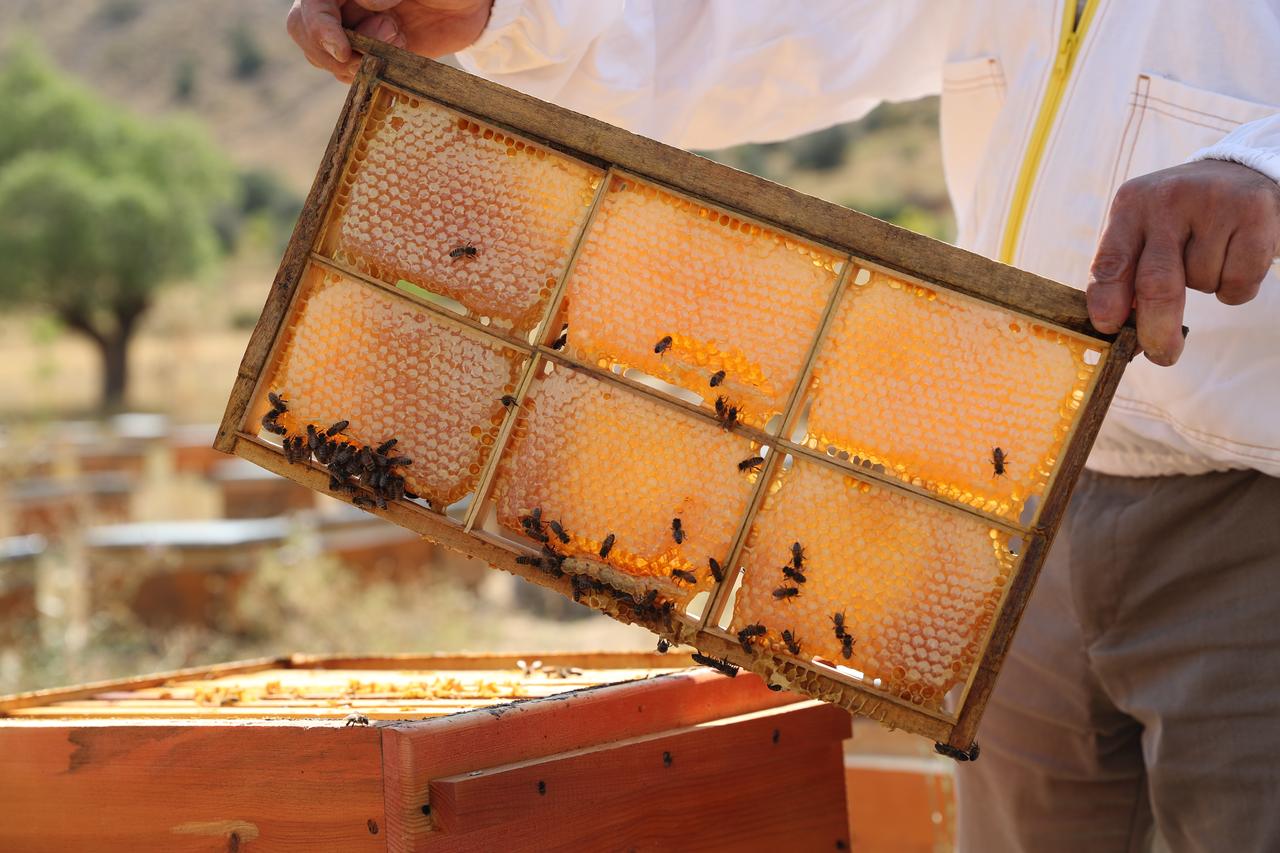

Kocaker also pointed to an apiary in Hakbilir village, part of Erzincan's Kemah district, where organic honey is already produced. He said plans are in place to begin organic bee venom production at the same site, which officials describe as a first for Türkiye.
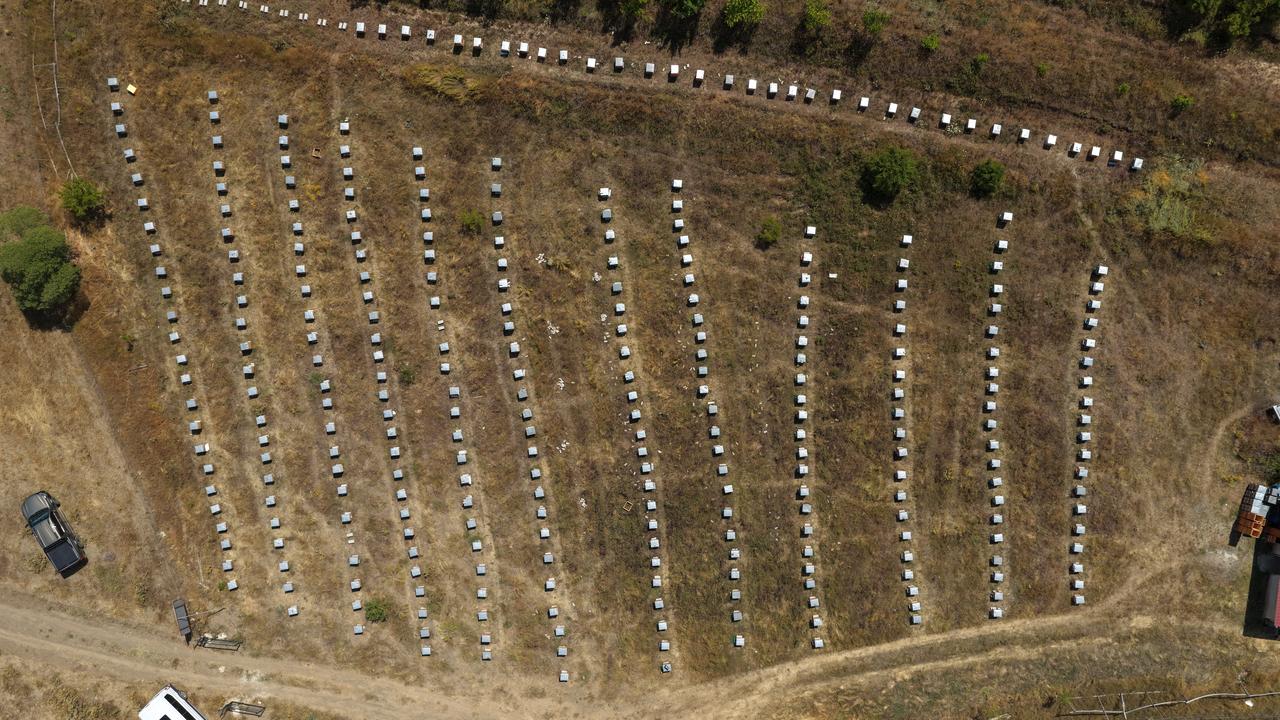
Erzincan Beekeepers Association head Rahmi Ozen said the province produced around 1,250 tons of honey last year, with this year's output expected to range between 12 and 15 kilograms per hive depending on seasonal conditions.
Producer Fatih Ustundag, who said his family has kept bees for five generations, described the thyme and astragalus honey produced in the region, along with organic pollen, bee venom and perga, all certified by accredited organizations.
"The honey we produce here does not fall below 1,000 proline units. We have carried out analysis here for about 20 years. We saw 900 in one season, but the values have otherwise stayed above 1,000," Ustundag said, adding that the level reflects the quality of the honey produced in the region.


 Set as preferred source
 Set as preferred source


 2 min read