Newsletters


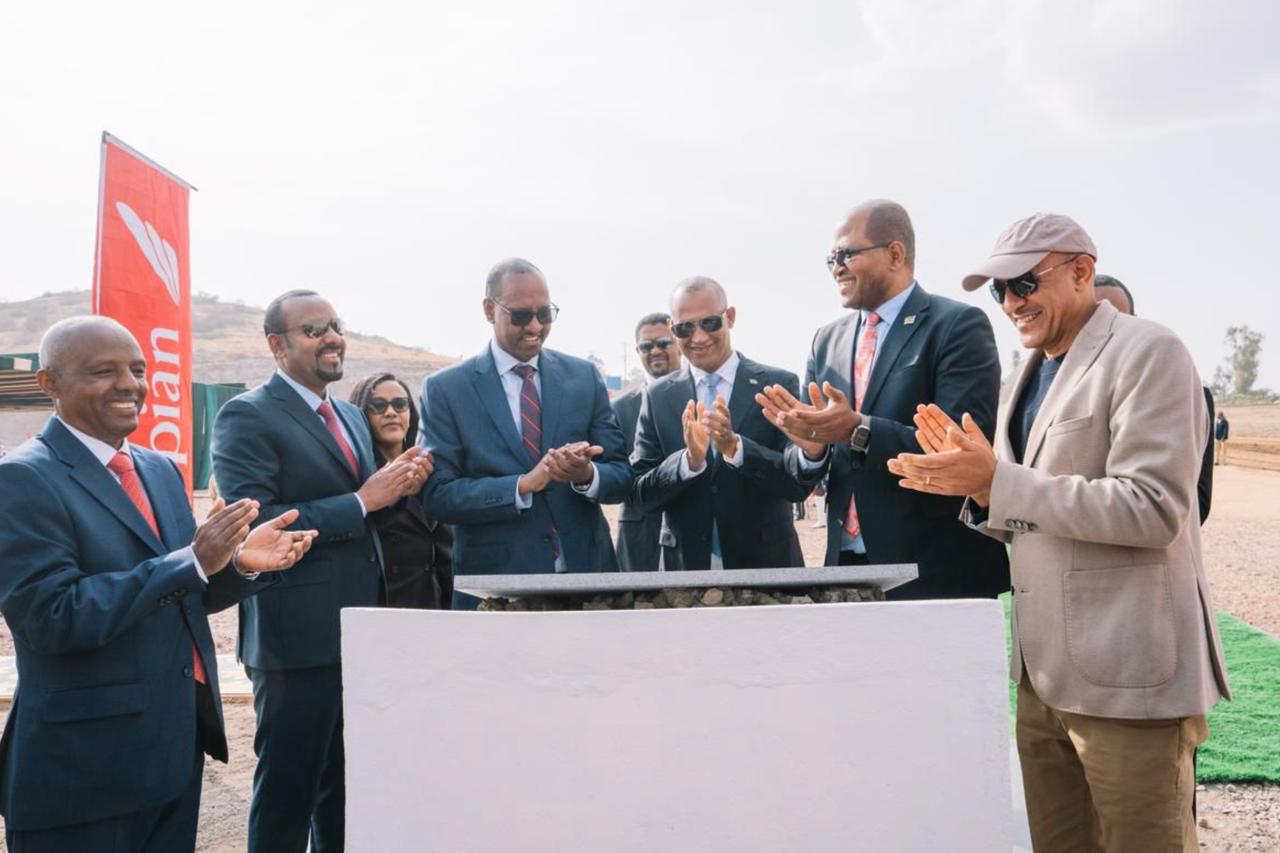


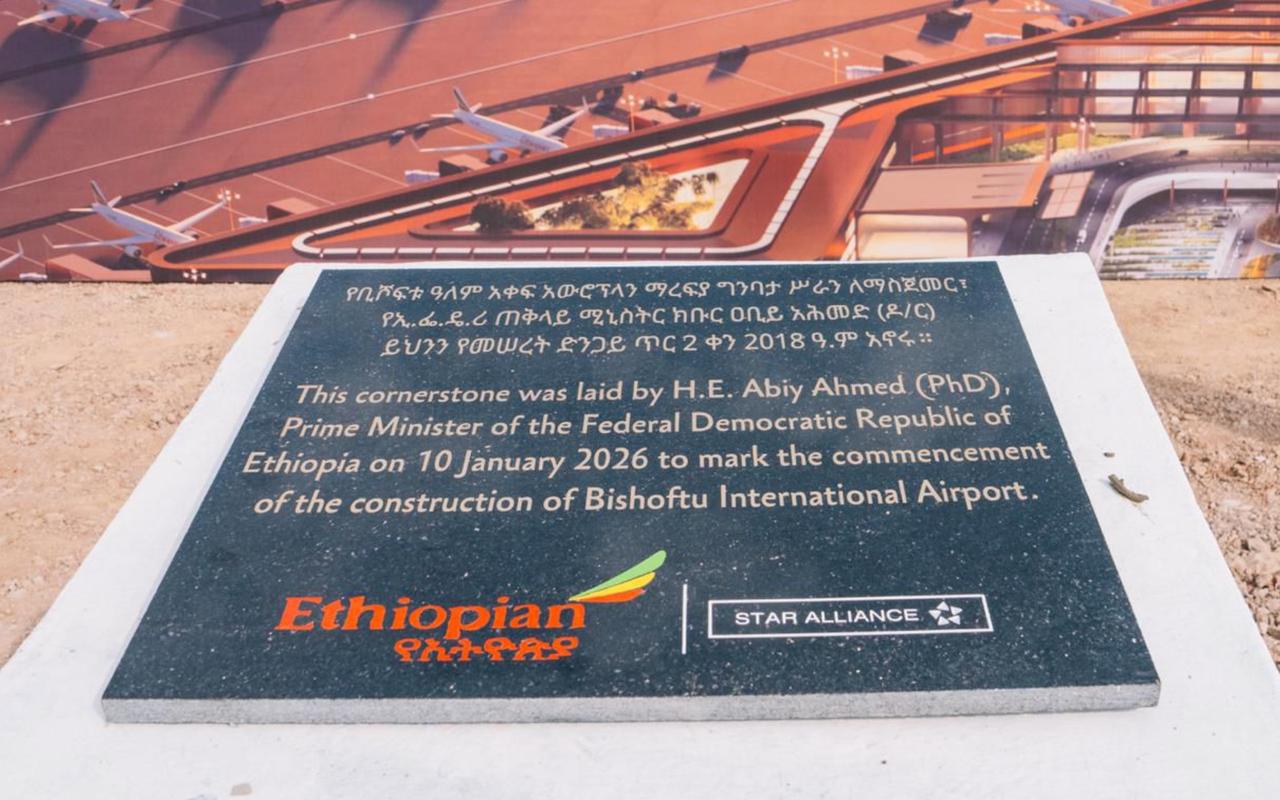
Ethiopia on Saturday began building what the prime minister says will be Africa's biggest airport when completed in the town of Bishoftu, southeast of the capital, Addis Ababa.
The massive travel hub is expected to cost about $12.7 billion and eventually be able to handle about 110 million passengers a year at full capacity. Construction is expected to take five years.
Partly financed by national carrier Ethiopian Airlines, the Bishoftu hub is expected to replace the capital's Bole Airport, which can handle up to 25 million passengers annually.
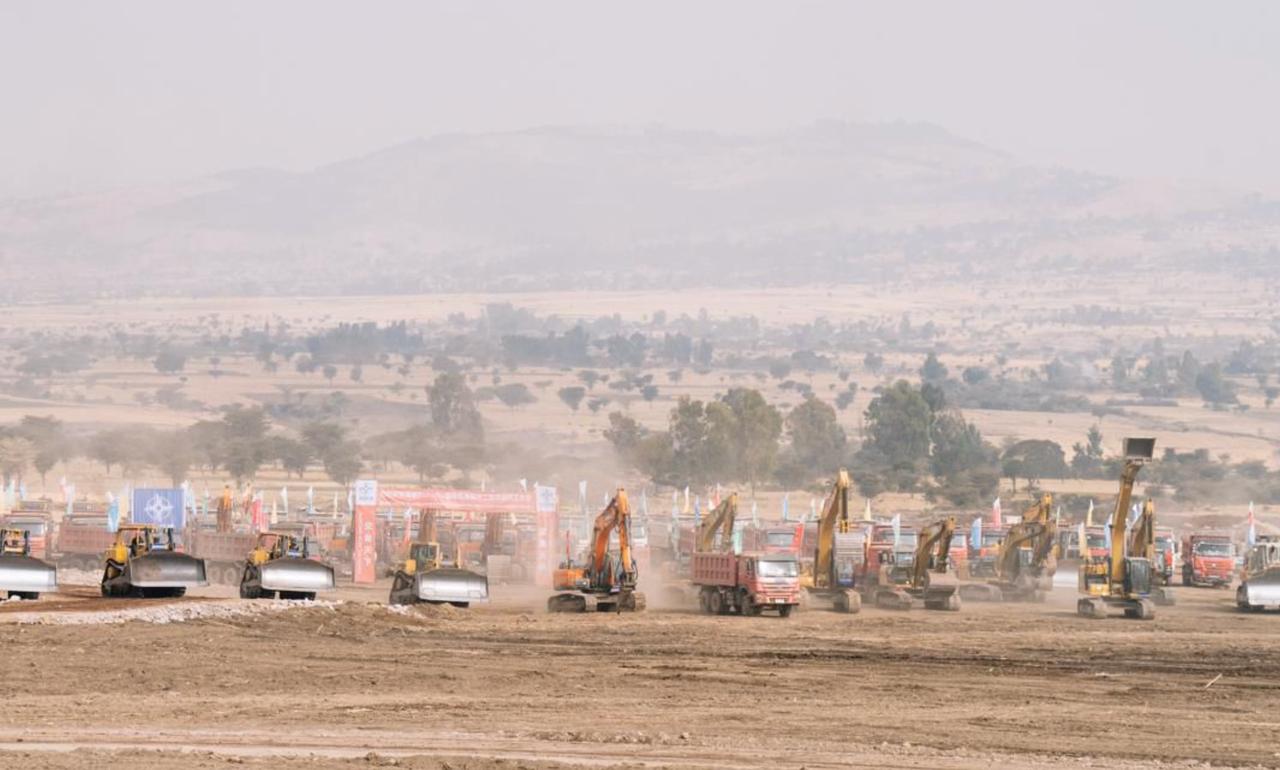

Prime Minister Abiy Ahmed on Saturday announced construction of "the largest aviation infrastructure project in Africa's history" had begun.
"This multi-airport strategy aims to future-proof Ethiopia's role as Africa's leading air transport gateway," he said in a post on X.
He said the project will strengthen Ethiopian Airlines' global competitiveness, enhance African connectivity, expand trade and tourism corridors, and position Ethiopia as a major intercontinental hub.
The project includes a multilane motorway to link the new facility to the capital and a 38-kilometer (23.6-mile) high-speed railway, which Abiy said would reach speeds of up to 124 mph (200 kph).
The African Development Bank has earmarked $500 million toward the project, and Ethiopian authorities are in talks to raise further tranches with the Asian Development Bank, the European Investment Bank, and the U.S. Development Finance Corp.
Ethiopia hopes to attract foreign tourism despite the ongoing armed conflict in its two most populous regions, Amhara and Oromia, with Bishoftu located in the latter.
The future airport, which will sit on a 35-square-kilometer site, has already seen the displacement of 2,500 farmers who were rehoused last year for $350 million, Ethiopian Airlines CEO Mesfin Tasew Bekele said in November.
Ethiopia, Africa's second-most populous country with about 130 million inhabitants, has launched major infrastructure projects in recent years.
It officially inaugurated the continent's largest dam last year, and extensive urban renewal projects are underway in Addis Ababa and other major cities.
Ethiopian Airlines’ director of infrastructure development and planning, Abraham Tsvay, told reporters the company will fund 30% of the project, while lenders will finance the remainder.
He said, “Lenders from the Middle East, Europe, China, and the United States have shown strong interest in financing the project.” Among the lenders is the African Development Bank, which said in August it would contribute $500 million and lead efforts to raise $8.7 billion.
Tsvay said the airline has already allocated $610 million for engineering excavation works, which are scheduled to be completed within a year, with main contractors set to begin work in August 2026.
Bishoftu International Airport is located about 40 kilometers southeast of the capital, Addis Ababa, at an elevation of around 1,910 meters above sea level.
The site offers favorable operating conditions for aircraft and supports efficient passenger and cargo operations, with easier integration into Ethiopia’s existing aviation system due to its proximity to the capital and major economic centers.
Under the plan, the project’s first phase will have a capacity of about 60 million passengers per year, with final operating capacity expected to reach 110 million passengers, in addition to significant cargo capacity, positioning Ethiopia to become one of the world’s largest aviation and air cargo hubs and a key driver of economic growth and the country’s role in regional and international trade.


 Set as preferred source
 Set as preferred source



 6 min read