Newsletters


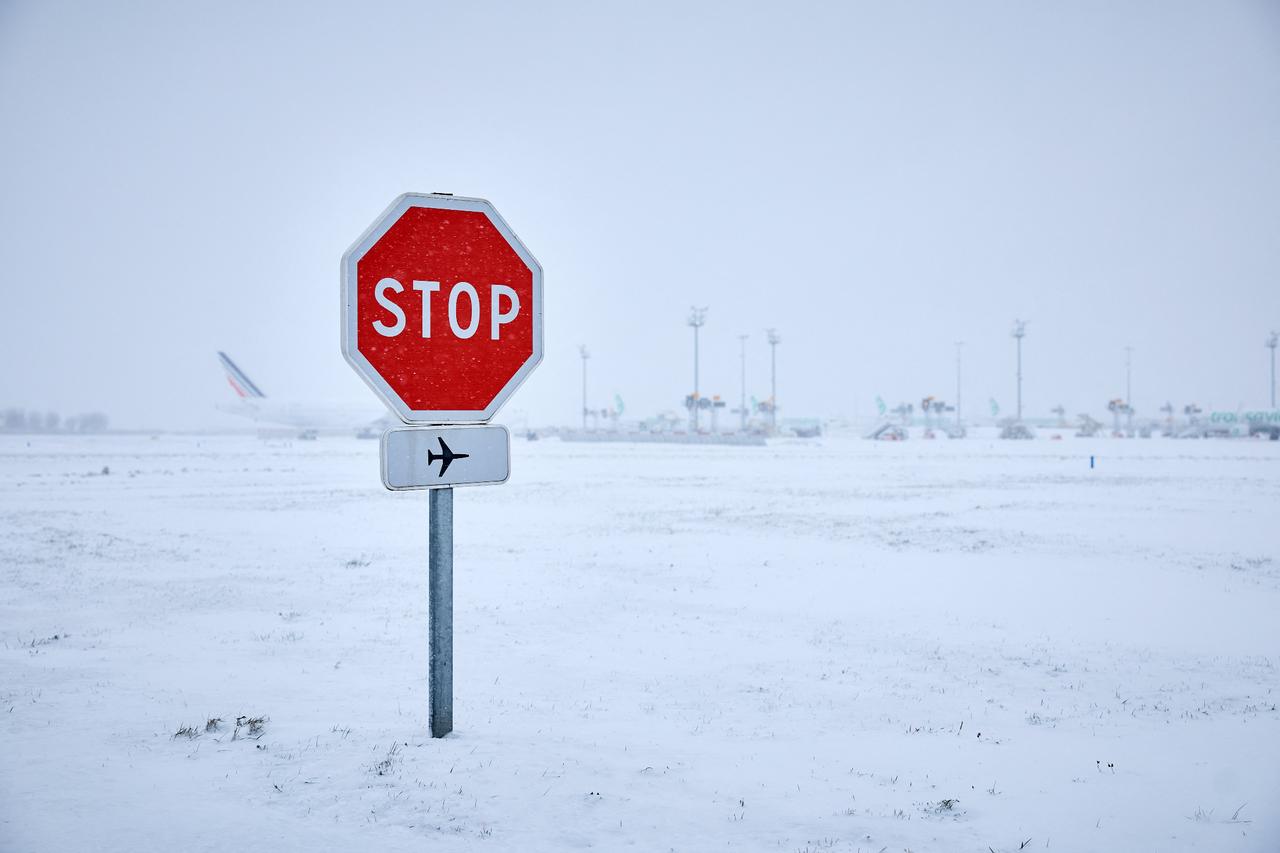


Europe faced widespread travel disruptions on Jan. 7, 2026, as heavy snow, ice, and freezing temperatures triggered mass flight cancellations, rail shutdowns, and road accidents across several countries.
Authorities confirmed at least six deaths linked to the severe weather, while airports in France and the Netherlands, along with major rail routes, struggled to keep services running.
Storm Goretti, the first named storm of the year, pushed Arctic air across western and northern Europe. Weather services warned that conditions remained dangerous, with further snowfall and black ice expected in many regions through midweek.
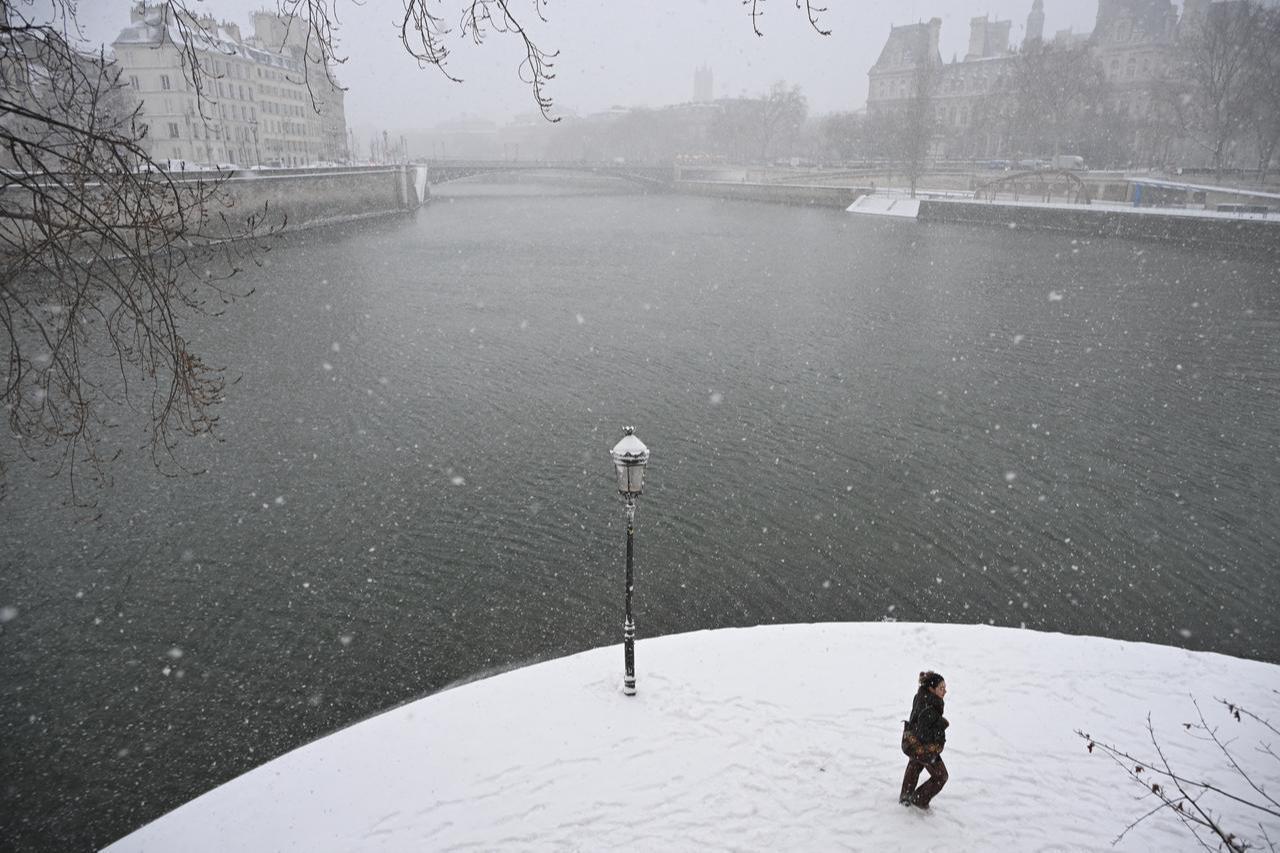

Air travel took the heaviest hit as snow-covered runways and aircraft required repeated de-icing.
At Schiphol Airport, airlines canceled over 700 flights on Wednesday due to snow and wind, following days of weather-related travel disruptions.
Over 1,000 people spent the night at Schiphol, the airport said, adding that it had set up camp beds and offered breakfast to travelers forced to sleep there. The number of cancellations is expected to rise throughout the day.
Dutch carrier KLM said it was close to running out of de-icing fluid due to supply delays caused by the extreme weather. Passengers reported waiting for hours in queues with limited information about rebooking options.
Around 100 flights were cancelled at Paris's Charles de Gaulle airport on Wednesday morning because of snowfall and fierce cold, and a further 40 at the French capital's Orly airport, France's transport minister said.
The disruption had been predicted late Tuesday, with Transport Minister Philippe Tabarot telling CNews television he was "hoping the situation returns to normal this afternoon."
All public bus services in Paris and the surrounding suburbs were also suspended due to icy roads, though the vast majority of metro and suburban rail systems were working, transport officials said.
Brussels also saw delays as crews de-iced runways and aircraft. Airports said safety checks and snow removal slowed operations but warned that knock-on effects could last for days due to aircraft and crew displacement across Europe.
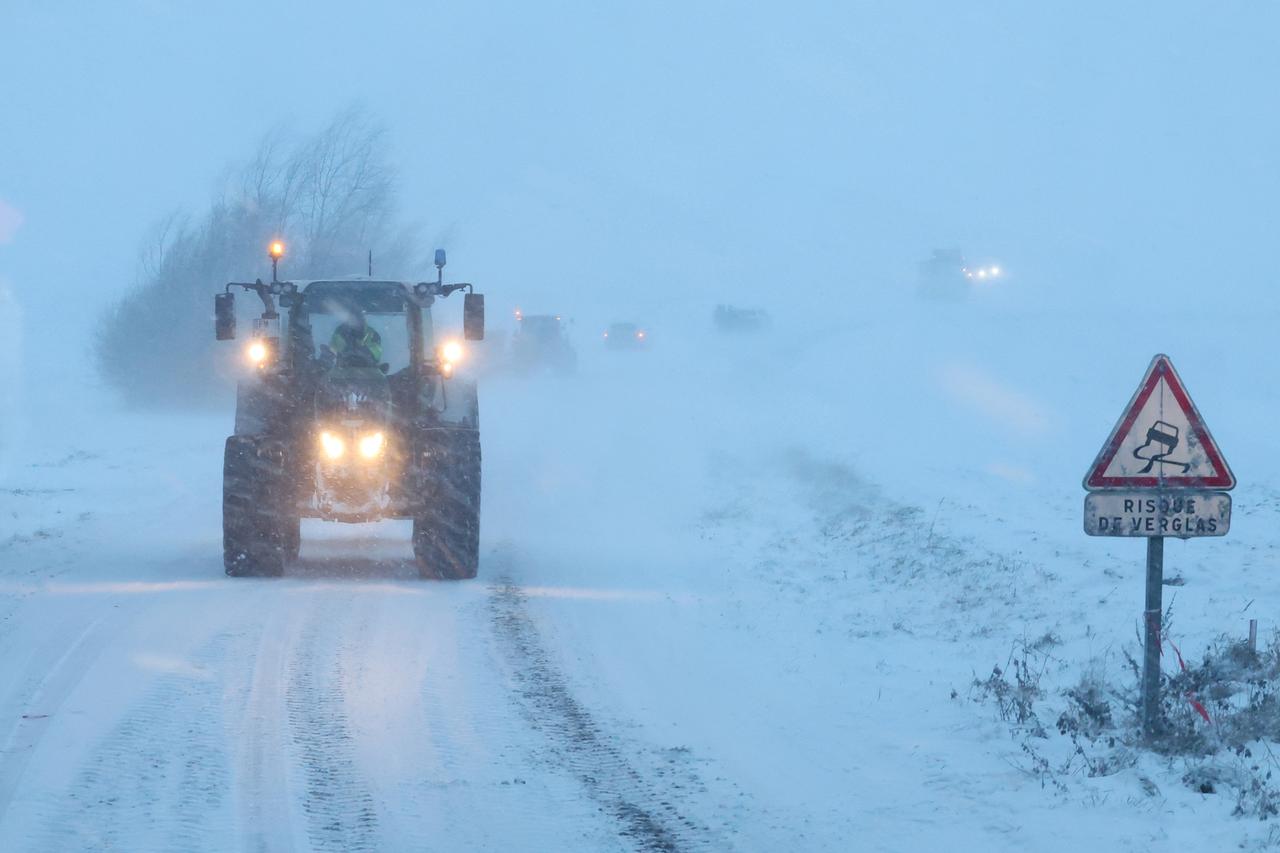
Snow and technical failures also disrupted rail travel across multiple countries.
In the Netherlands, all domestic train services stopped briefly on Tuesday due to an IT outage, compounding weather-related problems.
Although some trains resumed later in the morning, delays and cancellations continued throughout the day. Eurostar services between Amsterdam and Paris were either cancelled or ran late.
In France, regional and long-distance rail services faced cancellations as black ice formed on tracks. In Britain, rail operators warned of ongoing disruption, while parts of Scotland saw services suspended due to frozen lines and heavy snow.
Transport authorities in several countries urged people to work from home and avoid nonessential travel as conditions remained unstable.
Officials confirmed six deaths linked to the severe weather.
Five people died in France in separate road accidents caused by black ice and snow. Incidents occurred in the Landes region in the southwest and around Paris, including a fatal collision with a heavy goods vehicle and another case where a taxi plunged into the Marne River.
In Bosnia and Herzegovina, a woman died in Sarajevo after a tree weighed down by heavy snow collapsed. Heavy snow and rain also affected other parts of the Balkans, closing roads, cutting power and swelling rivers.
Meteorological agencies in France, Britain and Germany described the cold snap as unusually intense for the season. Temperatures fell below minus 10 degrees Celsius in parts of Germany, while Britain recorded its coldest night of the winter so far at minus 12.5 degrees.
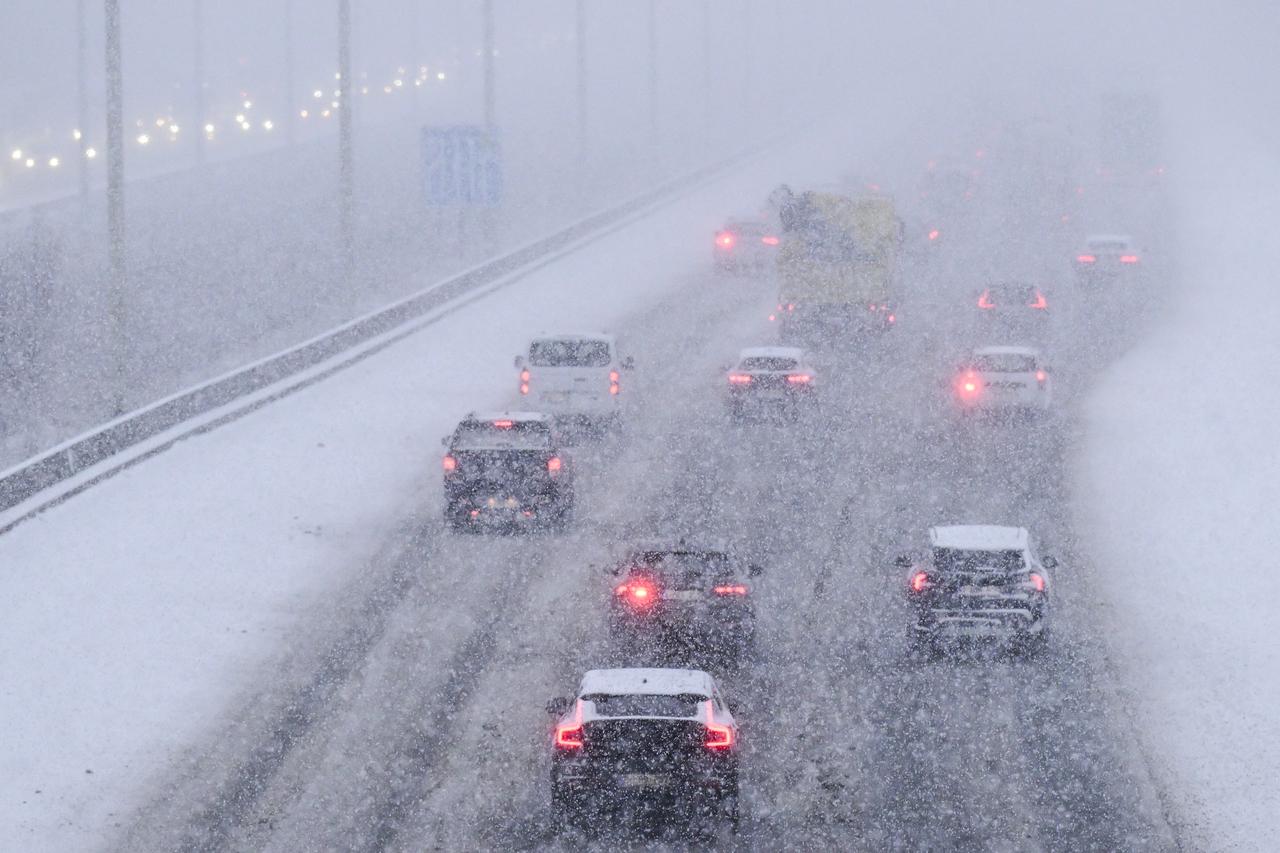
Authorities and airlines warned that disruption could continue as snow clearance and de-icing operations struggled to keep pace with the weather.
Travelers moving through Europe were advised to prepare for delays and last-minute changes:
Officials across France and the Netherlands repeated calls to limit travel and work remotely where possible until conditions improve.


 Set as preferred source
 Set as preferred source



 2 min read