Newsletters


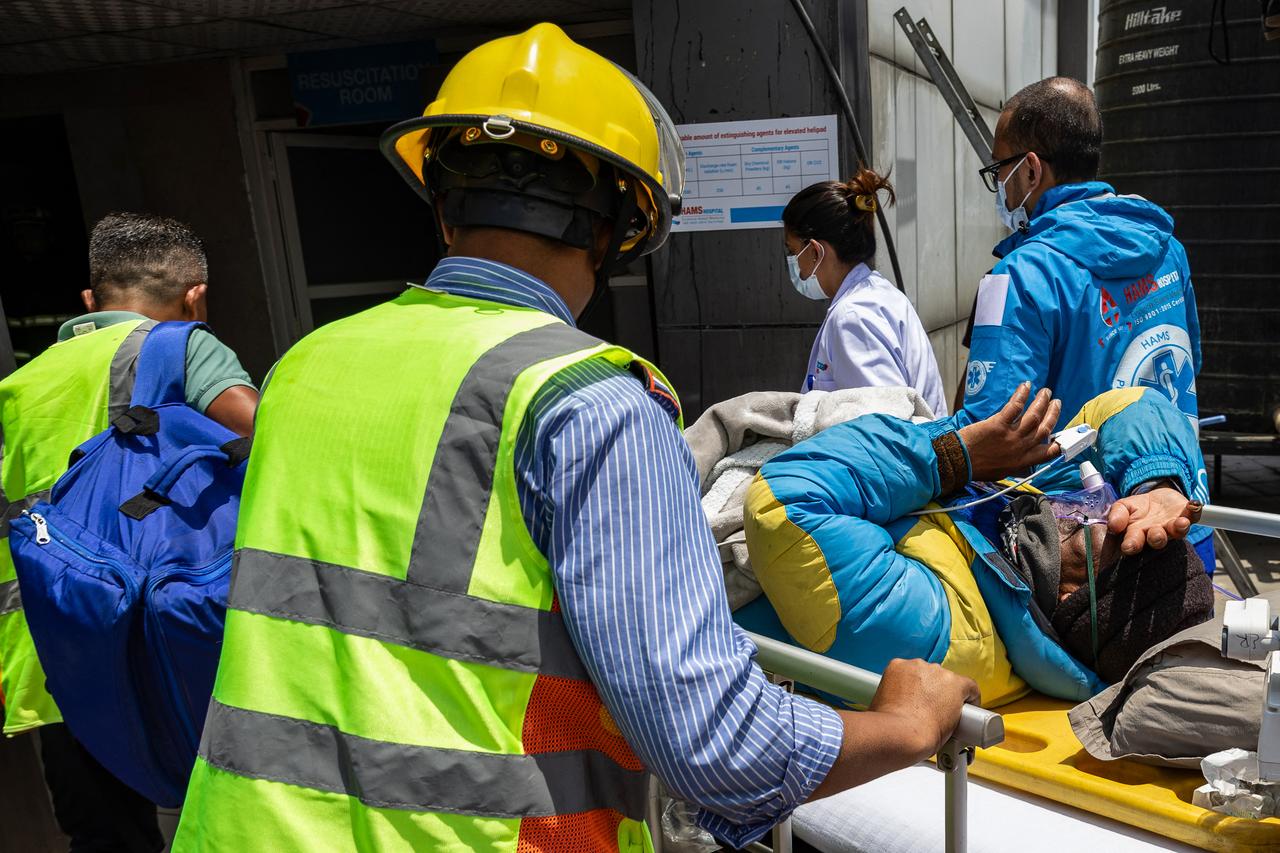


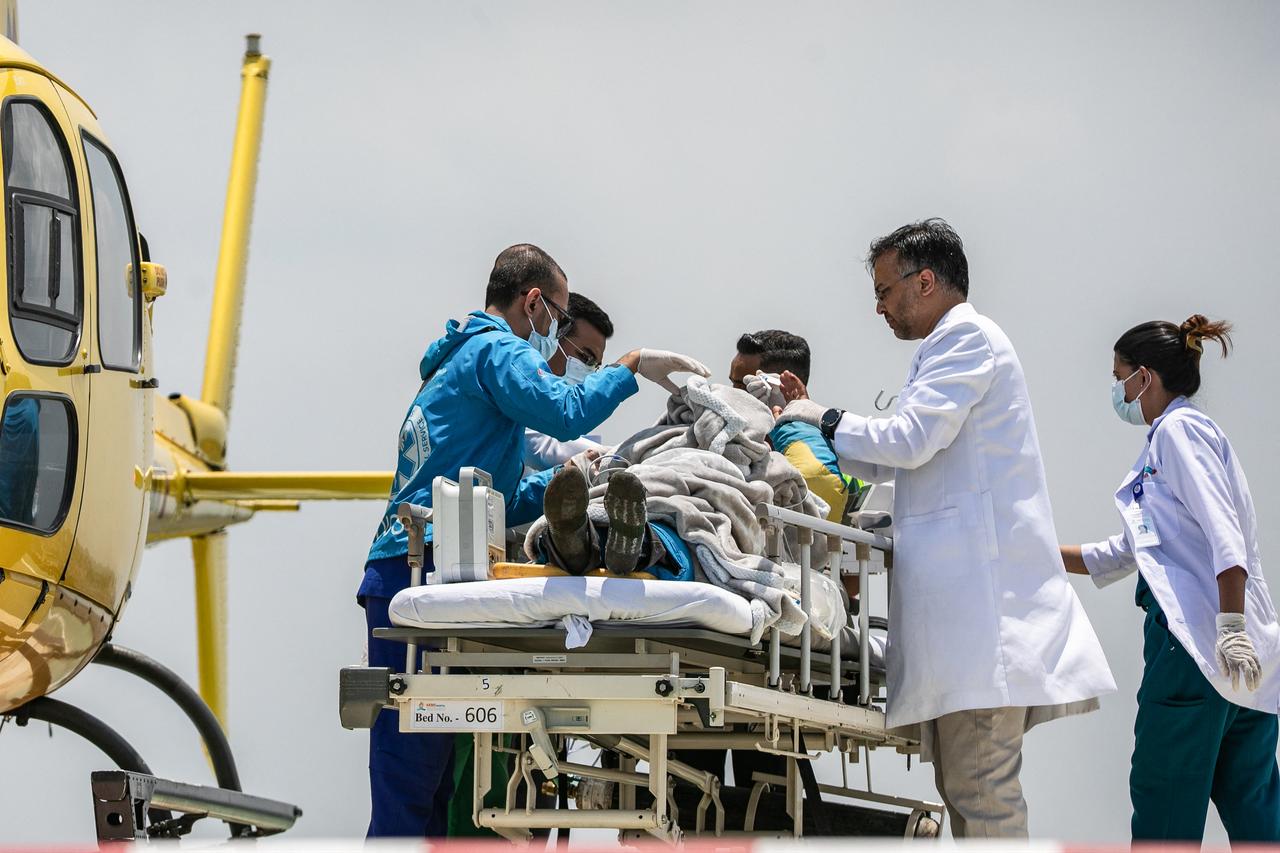
A Nepali climbing guide who survived six days missing on Mount Everest after being presumed dead has been found alive. Believed to have perished in the harsh conditions, mountaineer Dawa Sherpa managed to crawl on his own back to Everest Base Camp, officials told AFP on Thursday.
Speaking from a hospital in Kathmandu, his wife, Damu Sherpa, told AFP she had already begun performing his funeral rituals when the news of his survival arrived. Dawa is currently recovering there from "some frostbite" but is conscious.
Dawa Sherpa, who is in his 50s—nicknamed Hillary after famed climber Edmund Hillary due to his years of experience—vanished on the upper reaches of the world's highest mountain in bitter conditions, early on May 30.
He was found on Thursday morning close to Base Camp by the Sagarmatha Pollution Control Committee (SPCC), a Nepali team that helps set routes on Everest and clean up the waste left behind.
"He was found by a team of SPCC this morning close to the base camp, he was crawling down," Pemba Sherpa of 8K Expeditions, which was overseeing search and rescue efforts, told AFP. A helicopter flew him to Kathmandu.
"I spoke to the doctors; he has some frostbite, but otherwise seems okay," Pemba added.
Damu said her family was overjoyed. "We were very happy to hear the news, we had given up hope," she said. "We also began puja (death prayers) yesterday."
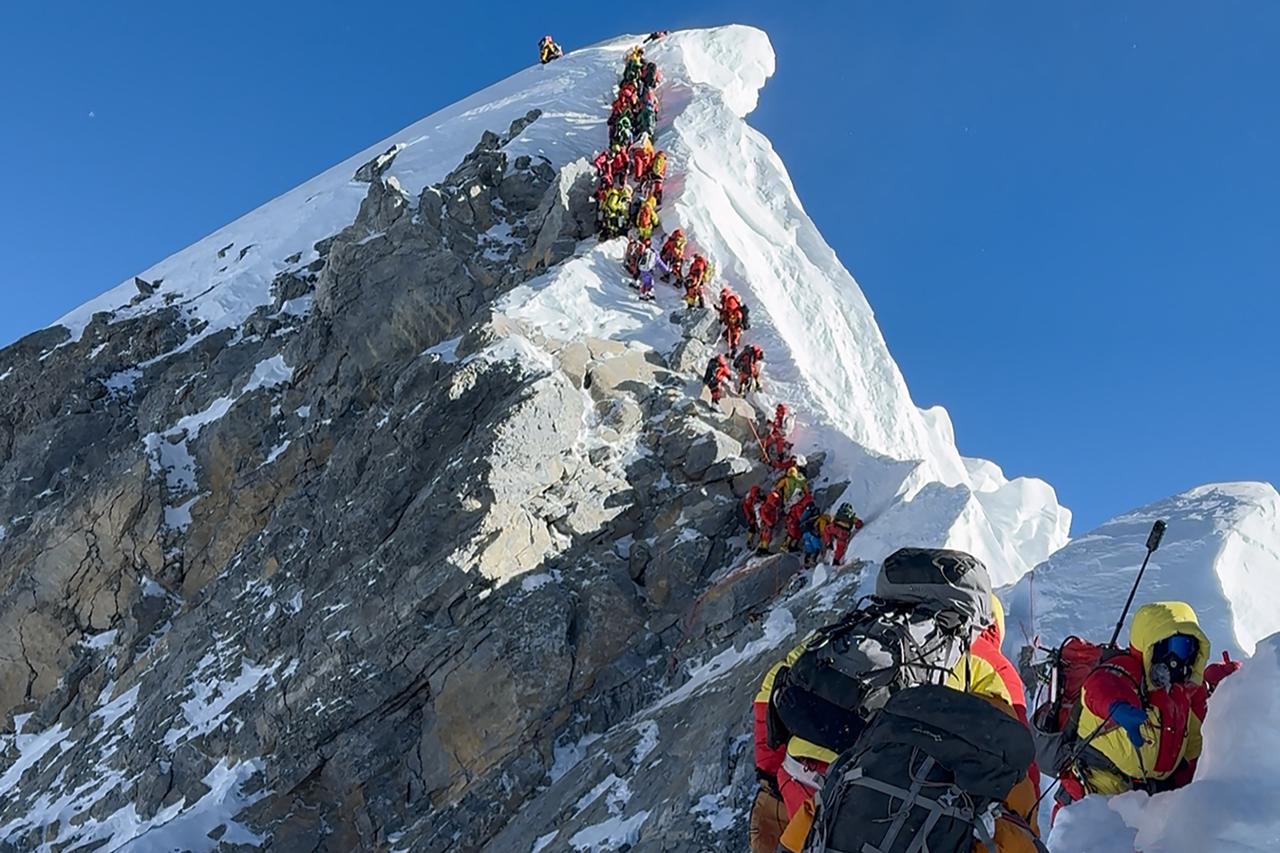

Climber Chris Thrall, a former British Royal Marine, said he successfully summited the 8,849-meter (29,032-foot) peak with the sherpa around 5:00 pm local time (11:15 a.m. GMT) on May 29.
He posted a video message on Instagram on Wednesday, mourning what he thought was the death of Dawa. He called him an "absolute gentle giant of a man and a true 'tiger of the mountains'," in a post that assumed the worst.
Thrall described how on May 30 he had begun to descend from Camp Four, at around 7,950 meters, and just below the low-oxygen "death zone."
He said that as he descended, Dawa Sherpa stopped. "He sat down for a rest with his backpack, these guys carry huge loads," he said.
"And I turned and I said, 'Hillary, are you okay, brother?' He said, 'Yes, yes, fine Chris, please go, go!' This is nothing new, you know, I'd go ahead, he'd go ahead."
As Thrall went down, he found a Polish climber who was struggling after running out of supplementary oxygen and had suffered frostbite.
"It had been a long summit push. What should have been five days to the summit and back took us 11 days, that's how challenging the conditions were," said Thrall.
"So, do I go back for Sherpa, who's probably going to rock up and be fine, as he has done hundreds of times before?" he added. "Or do I help my fellow climber, who's got no oxygen, frostbite in his fingers, and obviously you're never far off hypothermia up there?"
Thrall described tough conditions, sharing his oxygen cylinder with the Pole as they descended, taking 11 hours to get to Camp Three. It would usually take two hours. "I realized we had a really serious situation," he said.
Search teams set out to find Dawa, but he was not seen again until Thursday morning, having made his way down on his own.
The climb was one of the last of the season, meaning that there were few other mountaineers on the peak.
At least five people have died this season, including two Indians and three Nepali climbers involved in Everest preparations.
More than 1,000 climbers reached the summit of Everest this season, according to initial tallies by Nepali officials, making it the busiest season on record.


 Set as preferred source
 Set as preferred source



 1 min read