Newsletters


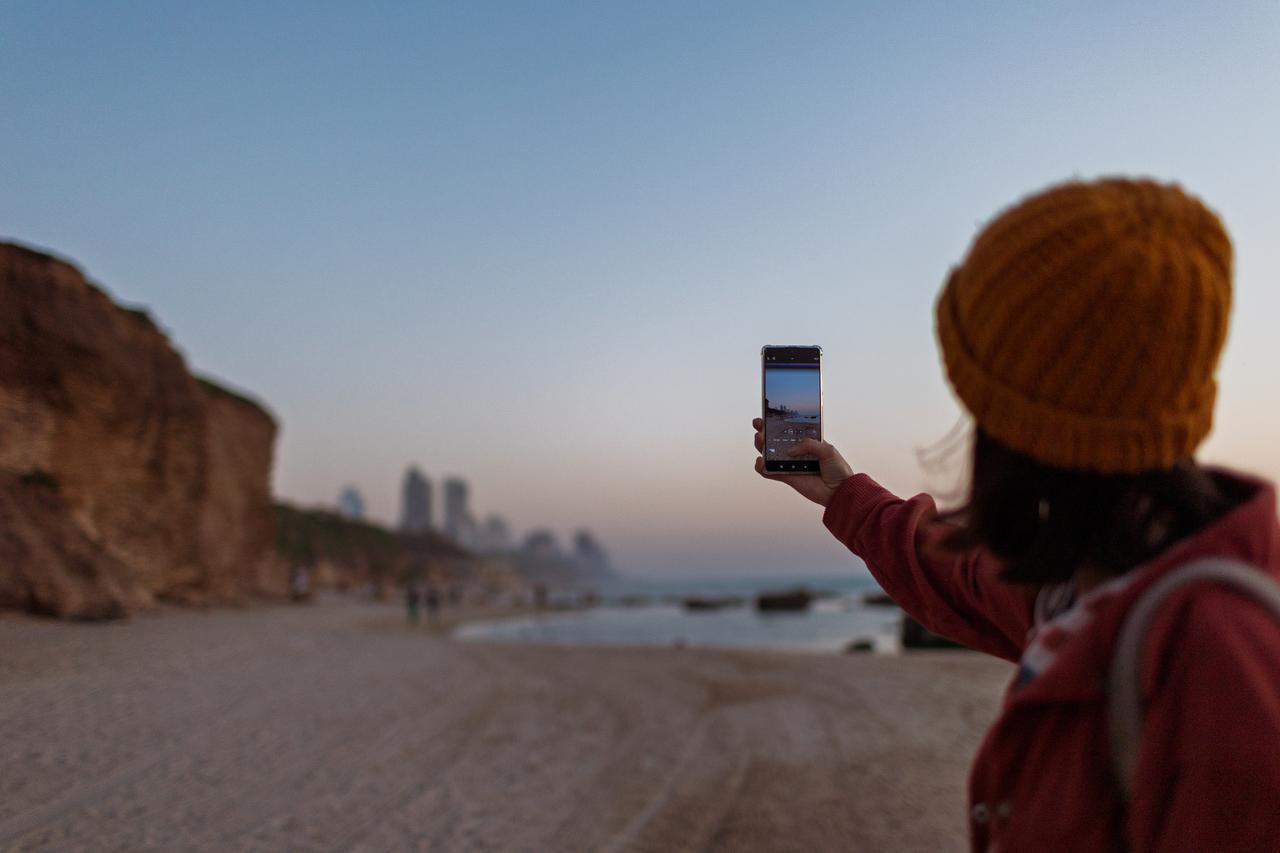


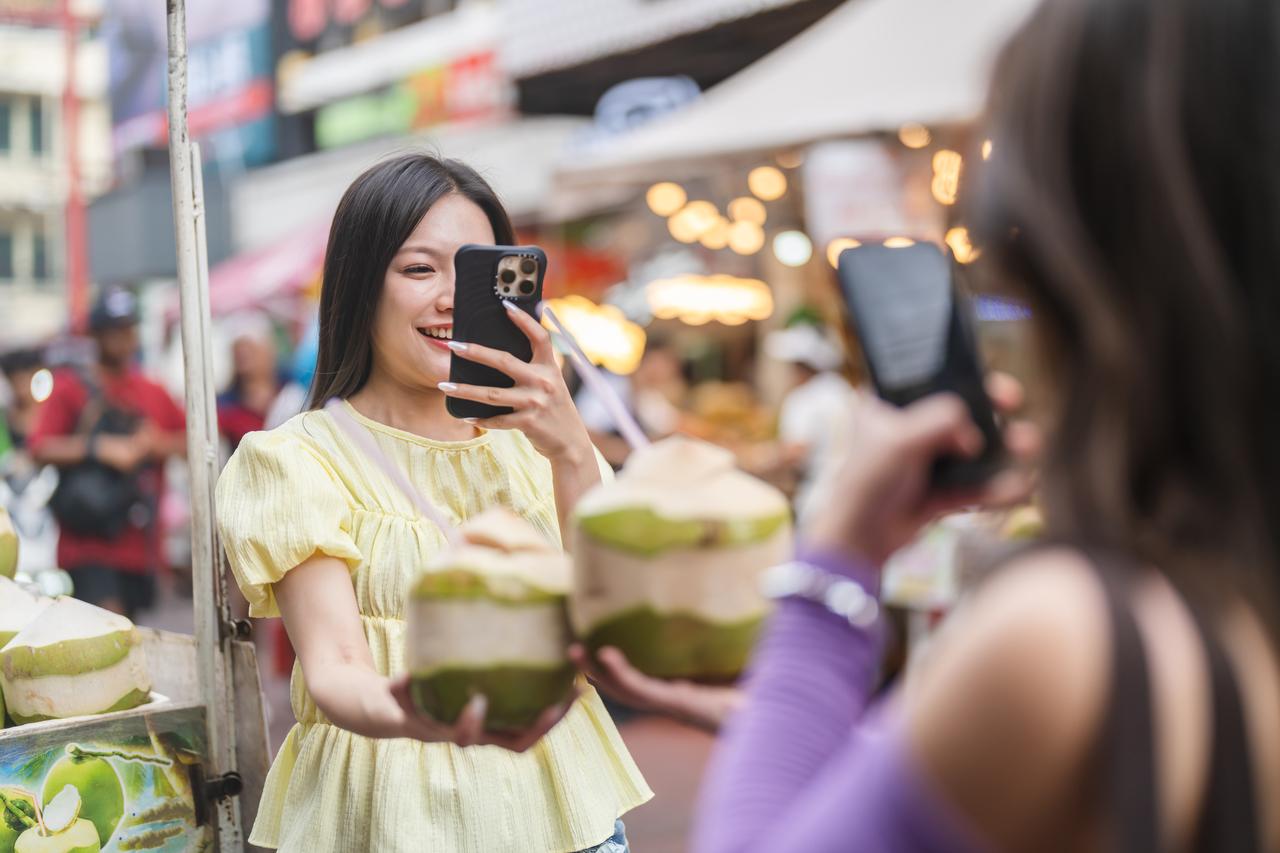
A photo or video on social media now inspires many trips, and tourism promoters should use that power to encourage longer stays and real contact with local communities rather than quick sightseeing stops, a Swiss communication professor said.
Lorenzo Cantoni, associate dean of the Faculty of Communication, Culture and Society at Universita della Svizzera italiana, made the comments in an interview in Antalya, where he was attending the 6th International Media Studies Symposium organized by Akdeniz University’s Faculty of Communication.
"Today, many trips begin with a photo or video someone saw on social media," Cantoni said. Destinations should avoid being presented as places people can visit and leave within a few hours, he said.
Instead, promotion should encourage visitors to try local food, tour museums and architecture, and learn about a region’s religious history.
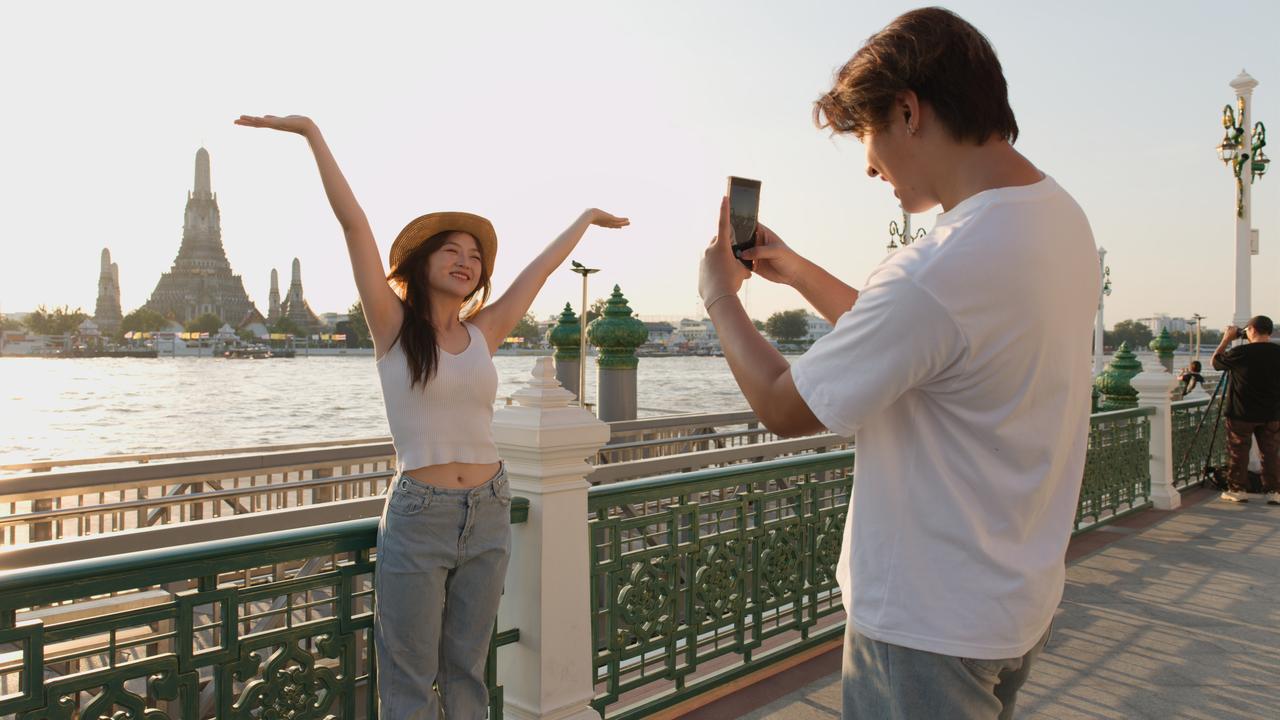

Cantoni warned that destinations that go viral on social media can face crowding that strains residents and cultural heritage. He said promotion strategies should take residents’ needs into account.
Among the options he suggested were steering visitors toward off-peak periods and shielding fragile sites from too many visitors.
He also said local culture should not be reduced to stereotypes and that people who work in tourism should engage with local communities as well as with tourists.
Digital tools can help preserve cultural heritage and introduce it to wider audiences, Cantoni said.
Augmented reality, for example, could give visitors extra information about historic and cultural sites. But technology should not get in the way of experiencing a place directly, he said, and it can help strengthen ties between tourists and locals.
Connecting visitors directly with local businesses could also help tourism revenue reach the regional economy and support small enterprises, he said.
Cantoni said Türkiye has a rich cultural heritage in its cuisine, its varied religious traditions and its local ways of life, and that tourism promotion should present these authentically.
Describing a country as a place to see in a few days and move on from misses what it is, he said. Showing its real character, he added, "can encourage people to stay longer and form meaningful interactions with local people."


 Set as preferred source
 Set as preferred source


 1 min read

 1 min read