Newsletters


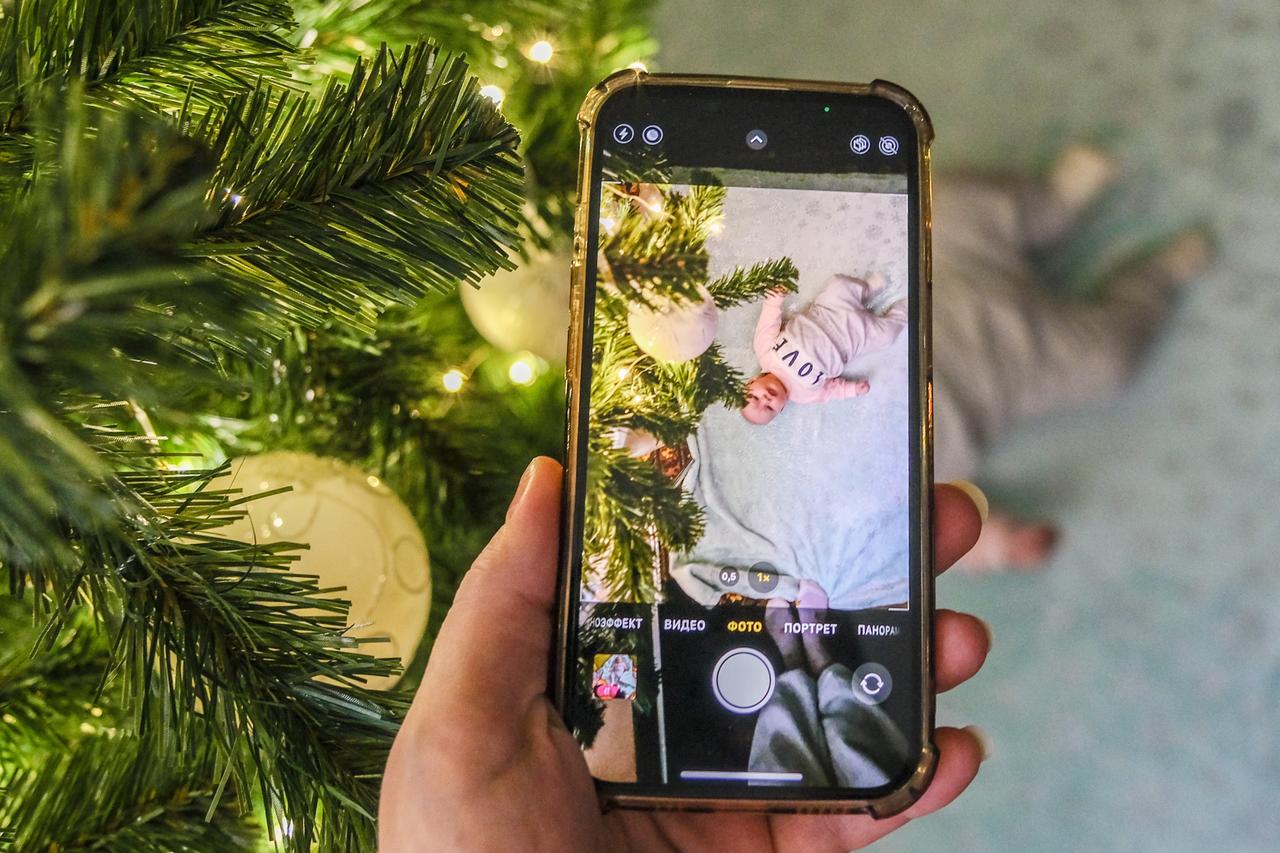


Experts in Türkiye are urging parents to think twice before sharing their children's photos and videos on social media, warning that posts that may look harmless today can turn into long-lasting “digital traces” that shape a child’s future identity, wellbeing, and relationships.
In an assessment shared by Anadolu Agency, academics said the spread of family images from highly private spaces at home to public places like playgrounds can increase a child’s “digital visibility,” while also opening the door to risks that may surface years later, including misuse, humiliation, and family conflict.
Specialists said families often want to document joyful moments through photos and videos, yet they may unintentionally cross into violating a child’s privacy. As these posts are shared with wider audiences, they can stop being simple memories and start functioning as a lasting digital footprint, meaning content that can be stored, copied, and resurfaced later in ways that are difficult to control.
Experts described this as a process that can leave deep marks on a child’s future, especially when images include embarrassing or highly private moments.

Professor Ali Buyukaslan, dean of the Faculty of Communication at Istanbul Medipol University, said parents sharing normal, embarrassing, or private images of their children can have long-term effects, and he warned that these visuals may later appear in front of the child for exploitative purposes.
He also argued that parents who are not highly informed about media literacy may not be able to predict where a child’s image can end up online, adding that making a child part of digital content at a very young age can create challenges later when the child tries to build a healthy relationship with both the online world and real life.
Buyukaslan said some parents even turn their children’s most private moments into content, and he cautioned that such posts can return years later “in different forms,” potentially harming the parent-child relationship.
He also urged families to weigh the risks created by digitalization, ranging from digital addiction to peer bullying and cyberbullying, stressing that the aim should not be to remove children completely from the digital world, but to encourage conscious use so children are not left “unguided.”
Professor Ekmel Gecer, a faculty member in the psychology department at Marmara University’s faculty of human and social sciences, said sharing a child’s images without consent can harm their psychology and may lead them to blame their parents later in life.
He said this can trigger serious communication breakdowns between parent and child and can contribute to self-confidence problems. Even if communication does not fully collapse, he added, a child may feel as if they are living inside an artificial studio, constantly being watched and staged.
Gecer also warned that children may experience delayed trauma when they grow up and become more aware of what was posted about them, which can push them into re-evaluating their parents and even affect the child’s future relationships.
Gecer said this behavior is sometimes described as “digital bullying” or “parental bullying,” arguing that bullying involves acting without consent, a power imbalance, and the pressure of one side over the other. Since parents hold more power than children, he said, posting a child’s images without permission can match that definition, even if the child does not recognize it at the time.
He also suggested that many posts are not truly made for the child, but instead to meet the parents' psychological needs, which he said can weaken secure attachment and harm trust in the parent-child bond. He emphasized that protecting a child’s sense of privacy matters, and families should avoid building a social media life around their child.
Associate Professor Haldun Narmanlioglu, a faculty member in Journalism at Marmara University’s faculty of communication, said the long-term impact of parents publishing children’s images online can be significant, especially as digital platforms have created a new economy where people open channels to earn money and may end up objectifying children.
He described profiting through a child as a form of “free family labor,” arguing that children often do not fully understand what they are doing online, while their content can be watched by other children and turned into advertising value.
Narmanlioglu said families may use children in content production to gain a share of this economy, and he stated: “This is digital bullying a parent does to their child.”
He also warned that privacy has shifted in the platform age, with people increasingly sharing bedrooms, bathrooms, and other intimate moments, making private life public and then using children’s appeal, expressions, and “cute” behavior to attract likes and attention.

Narmanlioglu also warned that children’s images can be used with artificial intelligence to commit crimes, and he said parents should build media literacy and understand how a post today can turn into a lasting digital footprint tomorrow.
He stressed that children remain under parental custody until they reach legal adulthood, but that does not mean parents can use them however they want in physical or digital environments. He added that parents should act in line with the child’s best interests, and he said children may have the right to sue their parents after becoming adults, potentially leading to family conflict over damaged personal and digital rights.


 Set as preferred source
 Set as preferred source


 1 min read

 1 min read