Newsletters


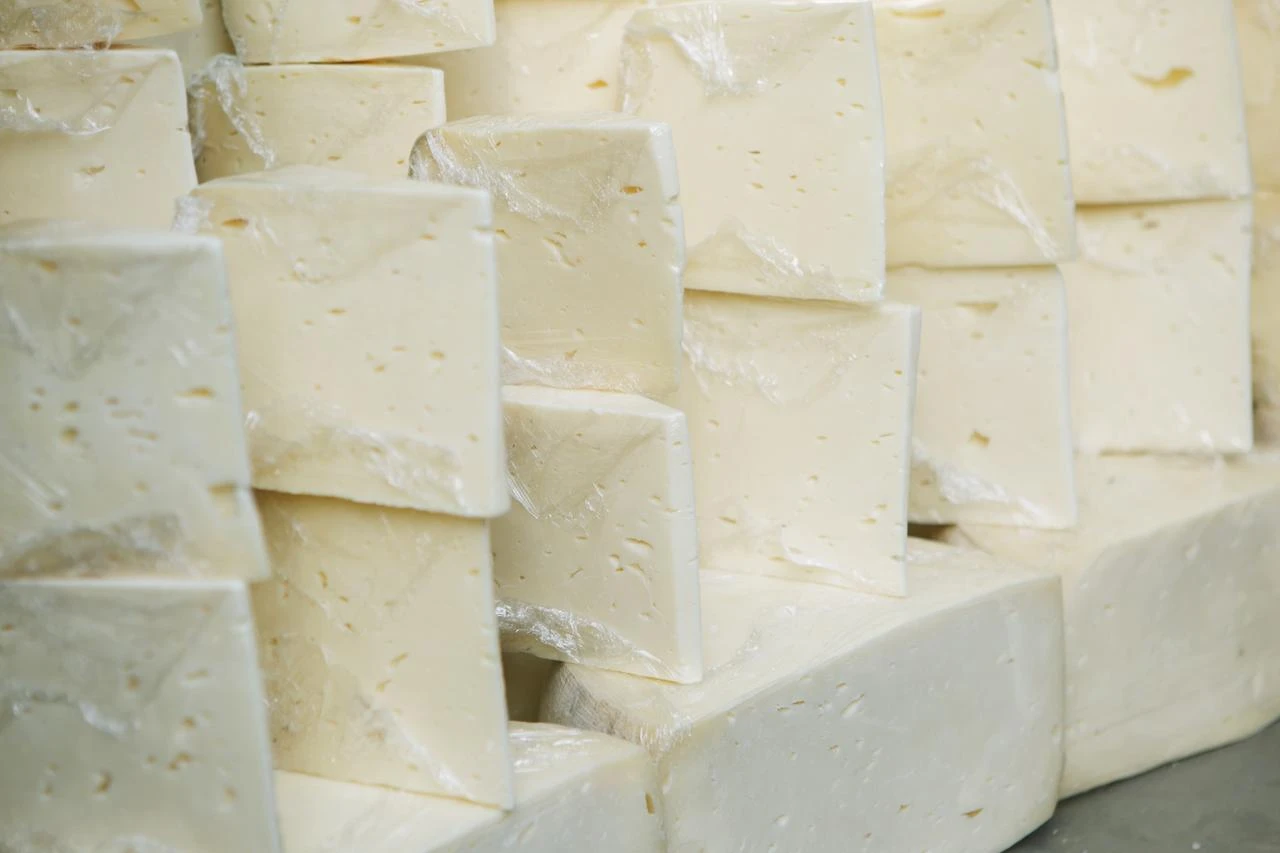


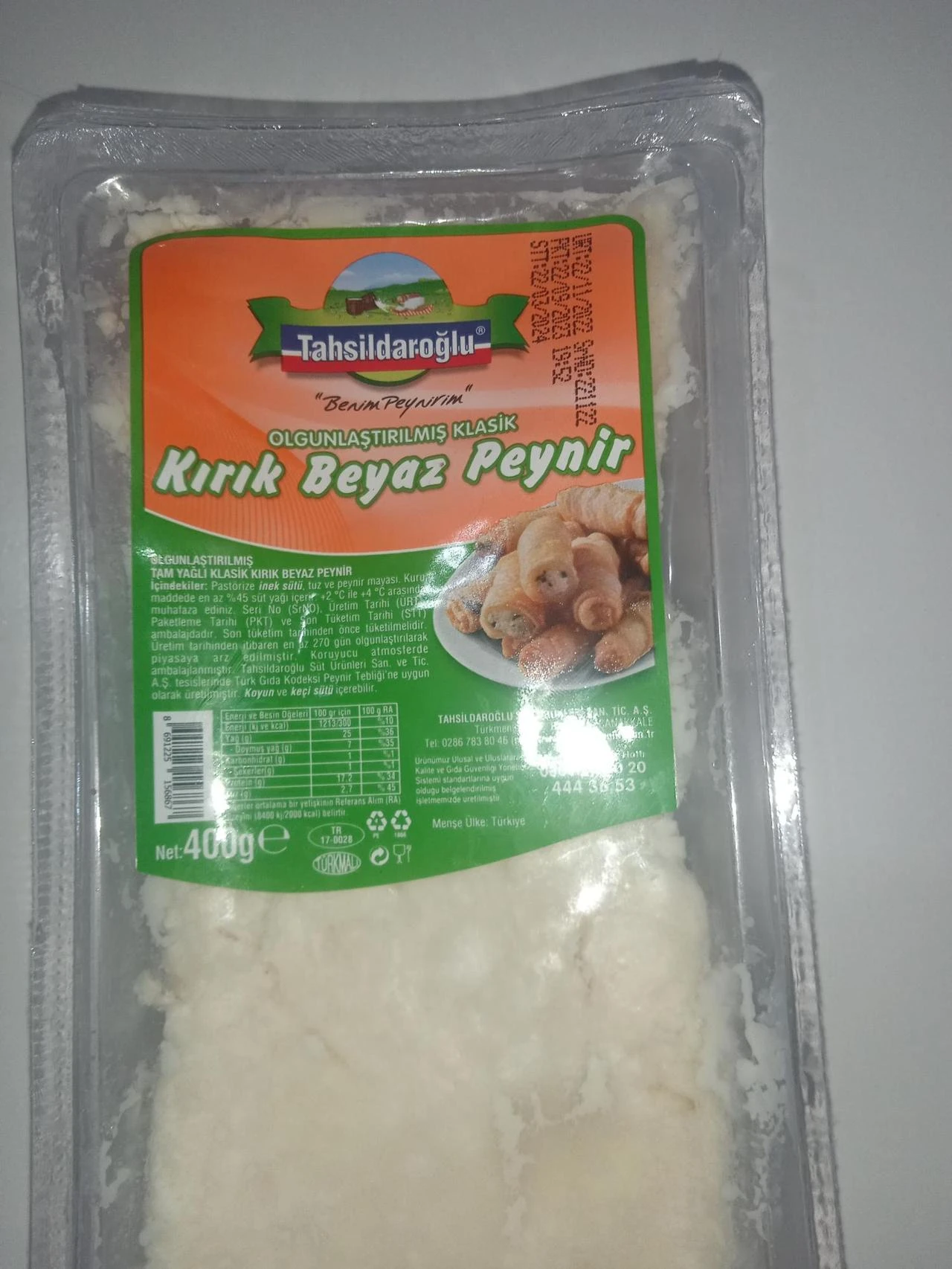
A batch of white cheese produced by renowned Turkish dairy brand Tahsildaroglu has been recalled after laboratory tests detected Listeria monocytogenes, a bacterium that can cause life-threatening infections.
The finding prompted Turkish authorities to pull the affected products from the market, while the company maintained the contamination was limited to a single batch and that no irregularities were found in its other products.
The contamination came to light this week after a consumer, who was hospitalized after eating the cheese, filed a complaint through Türkiye's Alo 174 Food Hotline.
Inspectors visited the retailer the following day and collected samples of the company's 400-gram Matured Classic Broken White Cheese, batch number 290625, a product widely sold through supermarket chains across Türkiye, before sending them for laboratory testing.
The Agriculture and Forestry Ministry said the product failed to meet the microbiological criteria set out in the Turkish Food Codex and ordered all products from the affected batch to be withdrawn from shelves and destroyed.
Tahsildaroglu confirmed it had been informed that the affected batch tested positive for L. monocytogenes and said it immediately launched a precautionary recall after officials carried out inspections at its production facility.
The company said it took environmental samples from 37 locations inside the plant, along with samples from retained products and consecutive production batches, all of which tested negative for the bacterium.
It also noted that the recalled cheese was produced on a separate production and packaging line and that inspections found no irregularities in its other products.

Listeria monocytogenes is a foodborne bacterium that causes listeriosis, a rare but potentially life-threatening infection, according to the World Health Organization (WHO).
Unlike many other bacteria that cause food poisoning, it can survive and continue multiplying at refrigerator temperatures, allowing contaminated ready-to-eat foods to become increasingly hazardous during storage.
The bacterium is commonly associated with unpasteurized milk and dairy products, soft cheeses, deli meats, smoked seafood, pre-packaged ready-to-eat foods, and fresh produce contaminated during processing or handling.
Although proper cooking and pasteurization kill the bacteria, foods consumed without further cooking pose the greatest risk.
Healthy people may experience mild illness, with symptoms including fever, muscle aches, nausea, vomiting, and diarrhea. In severe cases, however, the infection can spread beyond the digestive system, leading to bloodstream infections, meningitis or sepsis.
Symptoms can appear within a few days after eating contaminated food but, in some cases, may take several weeks or even up to 90 days to develop.


 Set as preferred source
 Set as preferred source


 1 min read

 1 min read