Newsletters


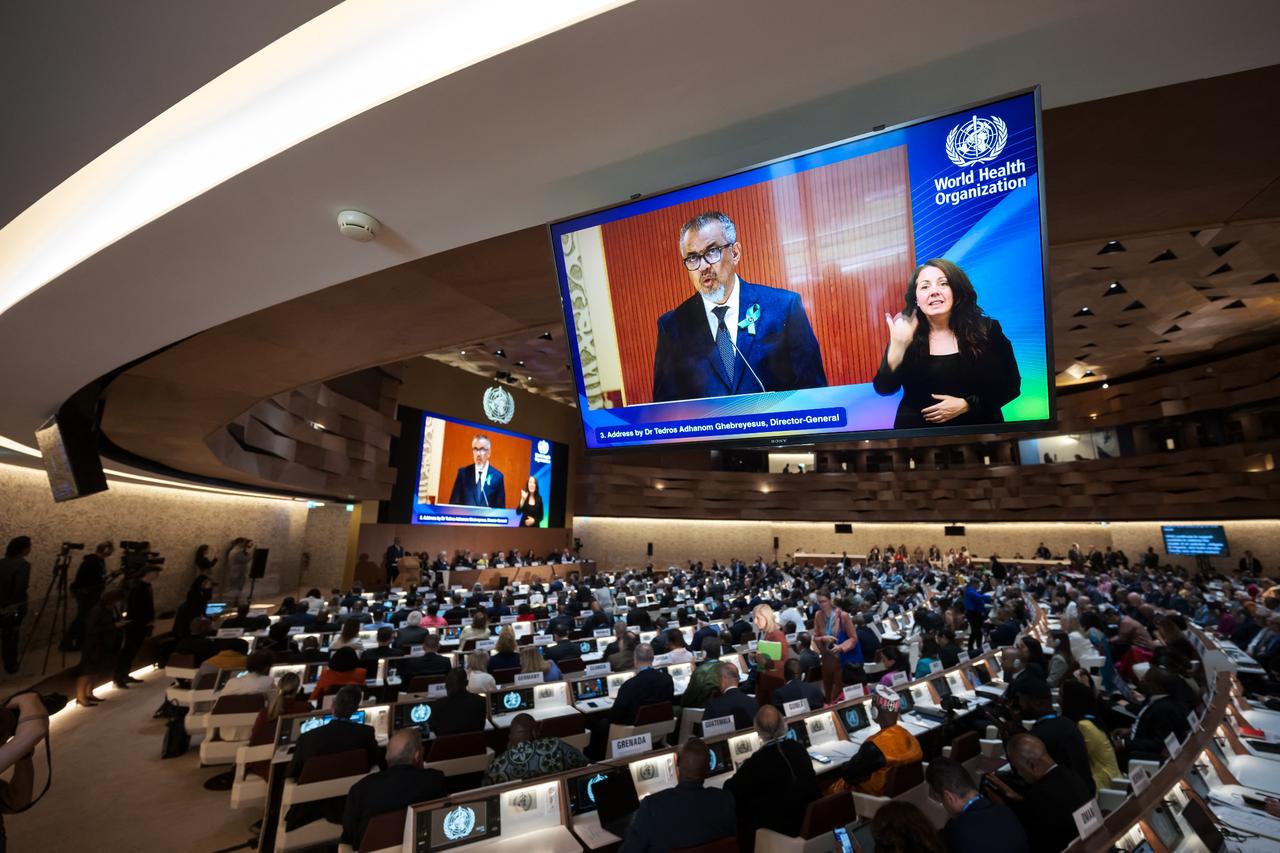


Negotiators opened an extra week of talks in Geneva on Monday to complete a key part of an international pandemic treaty, as wealthy and developing countries remain divided over how the agreement should work in practice.
The talks at the World Health Organization (WHO) center on the Pathogen Access and Benefit-Sharing system, known as PABS, which is designed to regulate access to pathogens with pandemic potential and share benefits such as vaccines, tests and treatments.
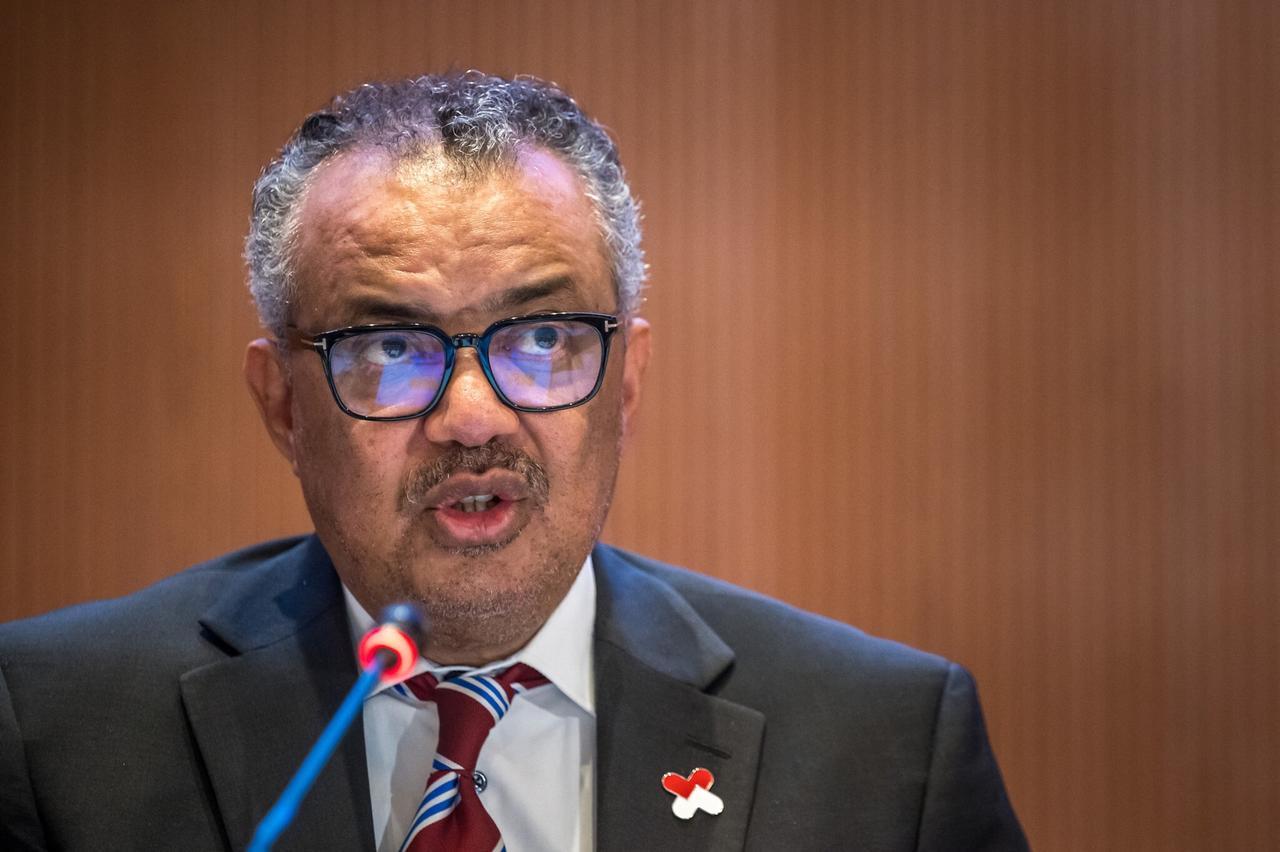
“The world cannot afford to lose this opportunity and risk being unprepared for the next pandemic,” WHO chief Tedros Adhanom Ghebreyesus said at the start of the talks.
“It will not be perfect; no agreement ever is. But it can be fair; it can be functional,” he told negotiators.
WHO members adopted the landmark pandemic agreement in May 2025 after more than three years of negotiations prompted by the COVID-19 crisis.
The accord aims to improve global coordination, surveillance and access to vaccines to avoid a repeat of the fragmented international response to the coronavirus pandemic.

PABS, described as the core of the treaty, was left out of the agreement last year so the wider deal could be approved.
The mechanism is expected to define how countries share pathogens and how resulting benefits, including vaccines, diagnostics and treatments, are distributed.
Countries have until Friday to negotiate the system so it can be approved during the World Health Assembly of WHO member states, which opens May 18.
Jean Karydakis, a diplomat at Brazil’s mission in Geneva, said progress had been slow and finding a compromise would be difficult, though the European Union was now “making an effort to demonstrate some flexibility.”
WHO chief scientist Sylvie Briand said developing countries remain concerned about sharing viruses without guarantees of fair access to vaccines during a crisis.
“Developing countries are voicing their mistrust, fearing they will share their viruses without any guarantees of equitable access to vaccines in the event of a crisis,” Briand said.
The pathogen-sharing provisions are considered crucial by developing countries, especially in Africa, where many countries felt abandoned during the scramble for COVID-19 vaccines.
The treaty already says participating pharmaceutical companies should make 20% of their production of vaccines, tests and treatments available to the WHO for redistribution, with at least half donated and the rest provided “at affordable prices.”
However, the terms and conditions still need to be defined, along with access to health data and tools outside pandemics.
Non-governmental organizations (NGOs) and developing countries want mandatory rules for laboratories to ensure poorer countries receive vaccines.
Olena Zarytska of Doctors Without Borders said samples from African patients during Ebola outbreaks helped lead to treatments without such obligations, resulting in limited supplies in Africa and stockpiles in the U.S.
Developing countries also want a user registration and tracking system for the PABS database.
K. M. Gopakumar, senior researcher with the Third World Network, said developed countries, including Germany, Norway and Switzerland, support keeping access anonymous.
A joint letter by 100 non-governmental organizations, including Oxfam, said anonymous access would make it “impossible” to track who is using pathogen information and whether benefits are being shared.
A Western diplomat, speaking on condition of anonymity, said there were also “excessive demands from some developing countries,” adding that “the blame is shared” for the deadlock.


 Set as preferred source
 Set as preferred source


 1 min read
 1 min read