Newsletters


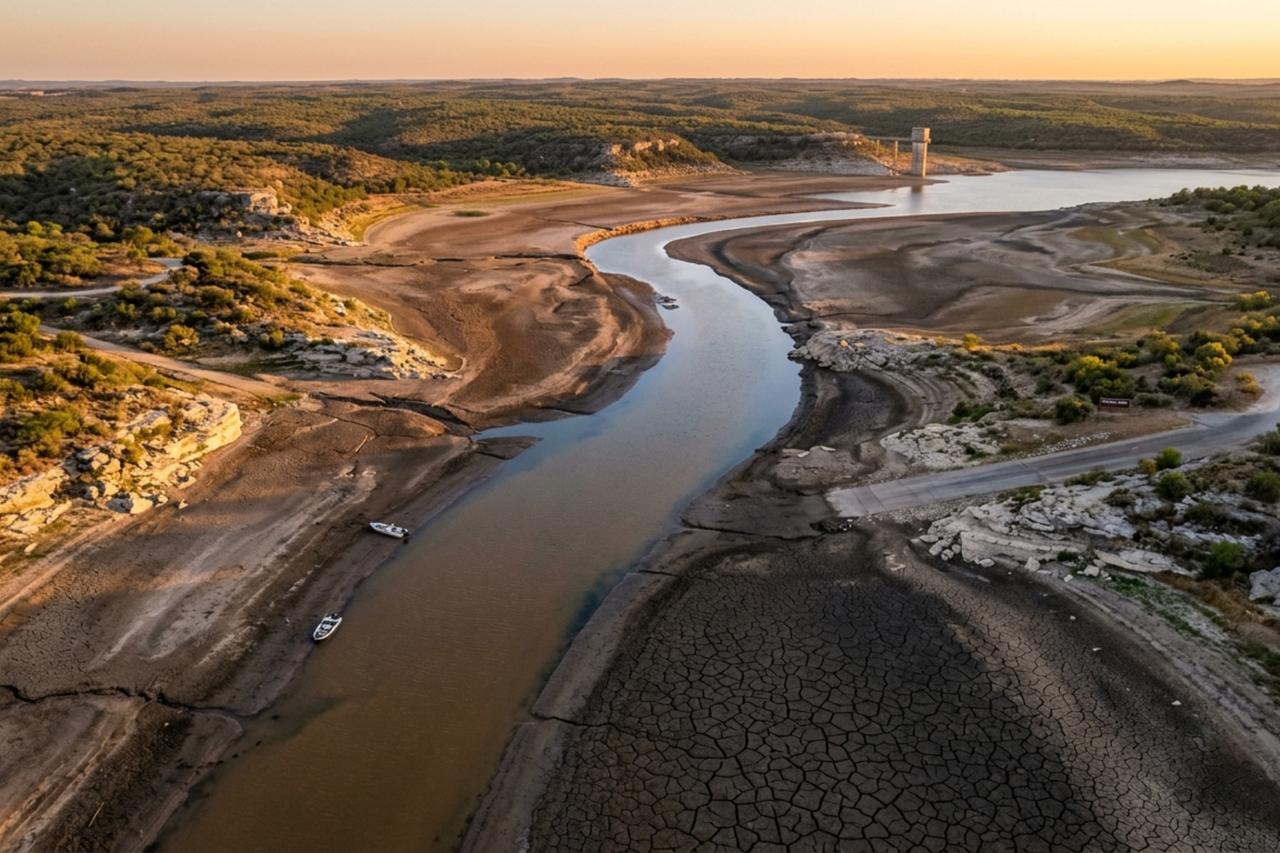


Corpus Christi, Texas, could become the first American city to completely run out of water. A long drought and years of poor water planning have left its reservoirs nearly empty.
The city has over 500,000 residents and is a major center for petrochemical plants. It may soon require everyone to cut water use by 25% as early as September.
City Manager Peter Zanoni announced the target at a City Council meeting this week and described the situation as very serious. “We have no precedent to follow. There’s no manual, there’s no video,” Zanoni told the council.
It is still unclear how these water cuts will be implemented. Officials have not yet decided how to enforce the rules, who might get exemptions, or how the cuts will be shared among homes, businesses, and industry.
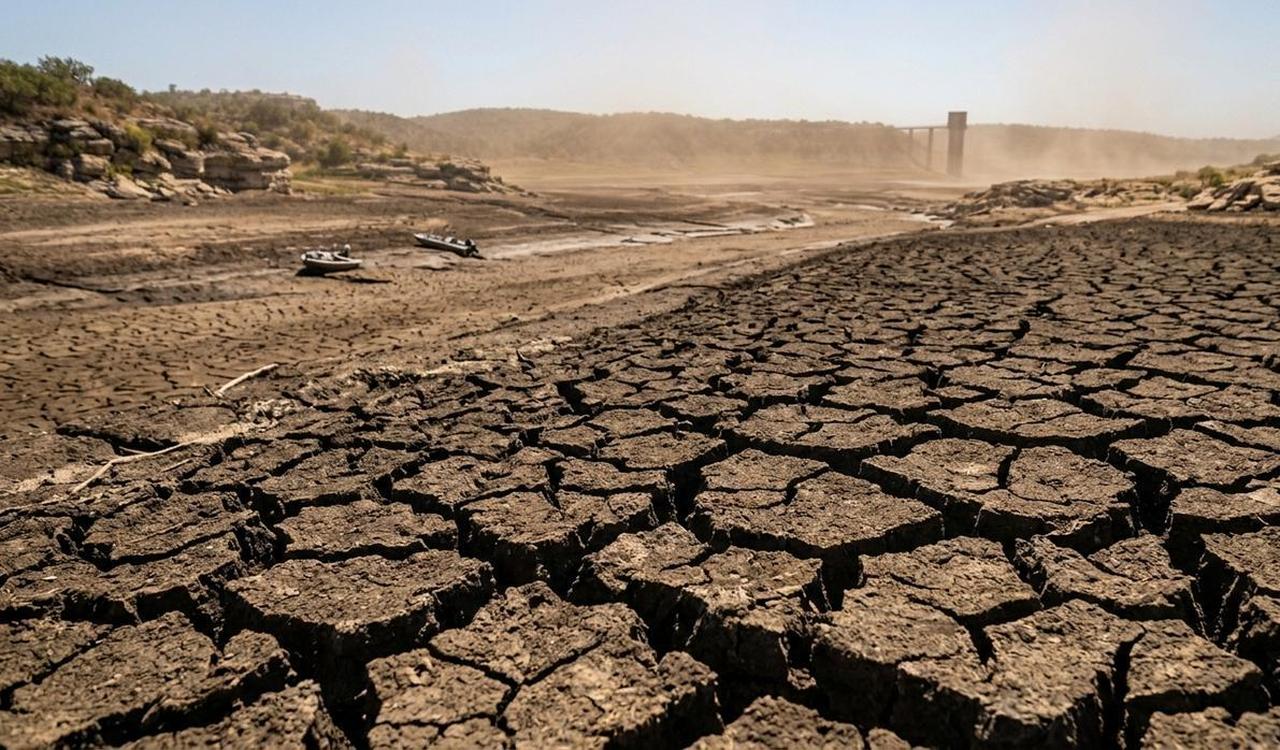

Climate scientists have long warned that South Texas is at risk of prolonged periods without enough water. The current five-year drought has created a crisis that experts say could have been predicted.
Shannon Marquez, a professor at the Columbia Water Center, told the climate publication Grist that Corpus Christi might be part of a larger trend rather than a one-time event.
“What we’re seeing in Corpus Christi is really not an isolated crisis,” Marquez said. “It’s very consistent with how things are going to unfold if we don’t start to plan.”
The Texas Observer has reported that climate forecasts for South Texas have warned about water crises for years, but planning has not matched the level of risk.
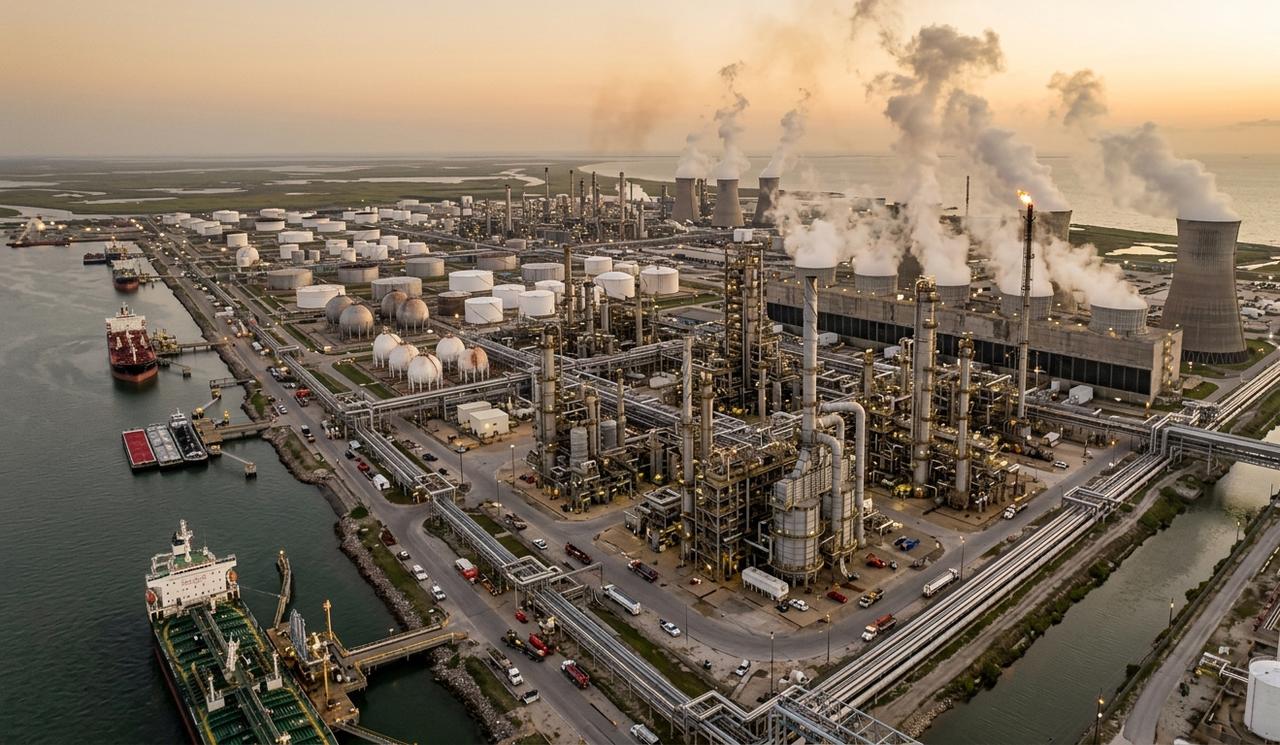
A key issue in this crisis is how much water large industries use. Residents have not been allowed to water their lawns since 2023, and about 70% of households already use less water than the new limits. This means most of the needed cuts must come from industry.
City data released this week shows that officials want to cut 15.7 million gallons of water use per day by September, and none of these cuts are expected to come from residents.
Major companies like ExxonMobil, Valero, and Occidental Chemical have facilities in the Corpus Christi area. One ExxonMobil plastics plant alone uses about 13 million gallons of water each day.
Industry representatives have not said publicly how they will handle the water cuts.
“The industry will never reveal their cards,” said Drew Molly, former chief operating officer of Corpus Christi Water, noting the competitive nature of operational data.
City Manager Zanoni agreed that it is hard to get details. “They said it would be tough for them to disclose how they would operate their business if they had to use less water. It’s proprietary information.”
Michael Miller, who serves on the Corpus Christi Planning Commission, warned that enforcing rules on industrial users will be legally complicated. “There’s going to be a lot of legal opinions and possible litigation,” Miller said.
City officials have said that hospitals will be exempt, but they have not explained the details.
Schools are drilling their own water wells as a backup plan. The Corpus Christi Independent School District, which serves 33,000 students, has said it does not plan to switch to virtual classes during an emergency.
Businesses are also unsure what will happen. H-E-B, which runs its largest bakery in Corpus Christi and supplies bread and tortillas to stores across Texas, said it does not have enough information from the city to know how it will be affected.
“We don’t have enough information from the city to make a statement on how we would proceed or how this would affect our business,” an H-E-B spokesperson said.
There is no set end date for the water emergency. If there is not enough rain, experts say the city will likely make sure homes have water first and cut off industry before letting drinking water run out. This would probably lead to legal challenges from companies.
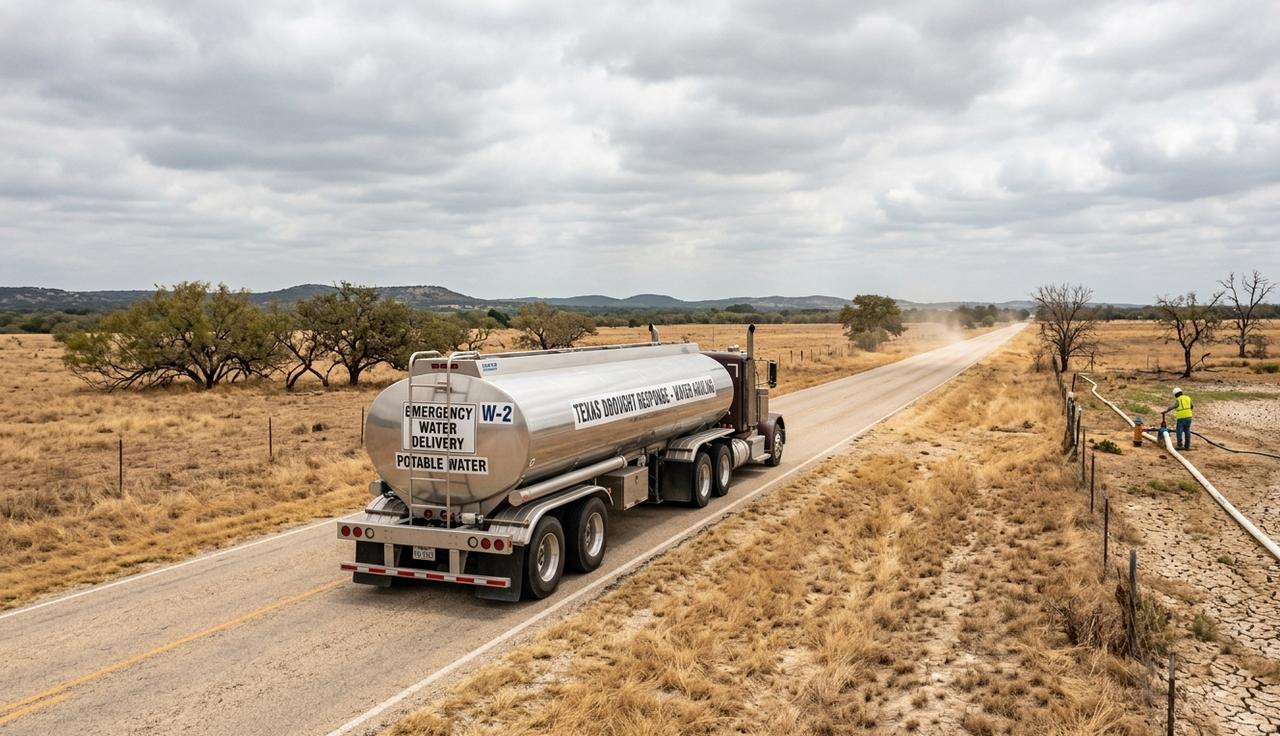
In the worst cases, officials might provide water to different areas at different times or bring in water by tanker trucks. Evacuating people is not likely but is still being considered.
“Without lots and lots of rain, industry will be forced to shut down,” said Don Roach, former assistant general manager of the San Patricio Municipal Water District.
“Without industry, what other businesses could exist? This is an unprecedented disaster.”


 Set as preferred source
 Set as preferred source


 1 min read


 1 min read