Sign in
 Newsletters


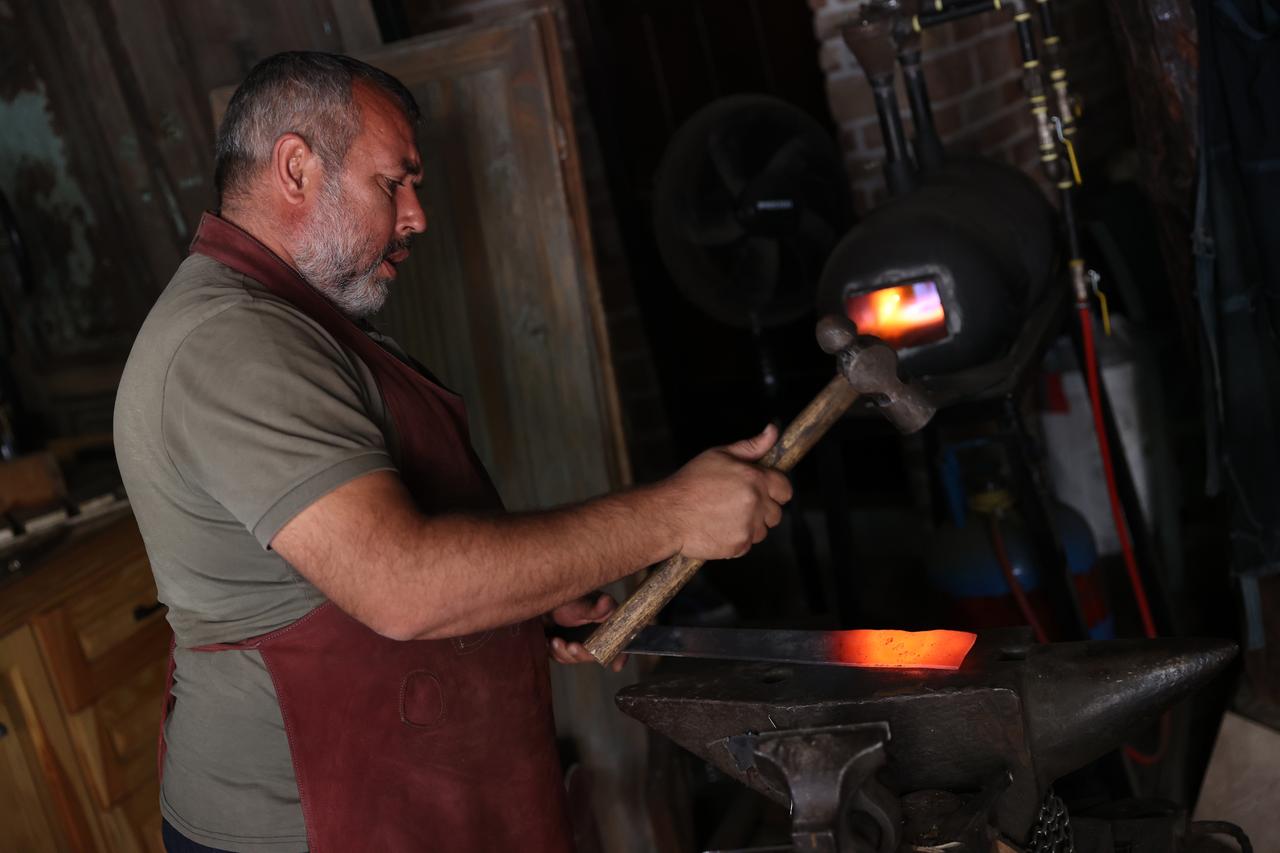


In the historic Sille neighborhood of Konya, craftsman Selim Karabulut is keeping traditional knife-making alive by heating, hammering, and shaping steel by hand, creating Damascus steel blades whose patterns ensure that no two finished pieces look exactly alike.
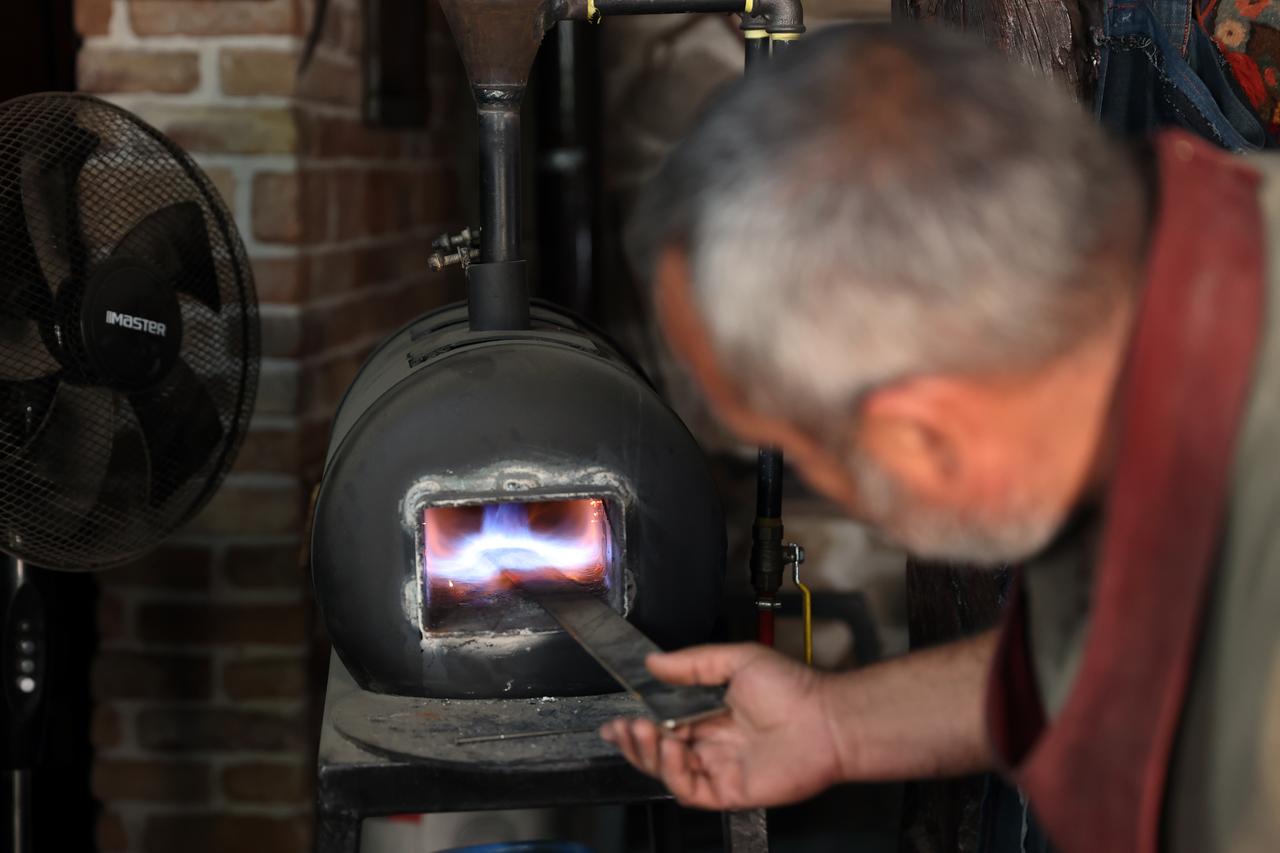
The 46-year-old craftsman works from his workshop in Sille, a neighborhood with a history stretching back 5,000 years, where he heats steel to over 1,000 degrees Celsius in a furnace he calls the "cehennemlik," or "hell pit," before hammering it into shape.

Alongside the blades, Karabulut prepares handles using materials including buffalo and deer antler, walnut, bone, and other types of wood, while leather sheaths are also made according to customers' requests.
His work ranges from personalized designs and chef's knives to hunting and calligraphy knives, with different materials and techniques brought together depending on each piece.
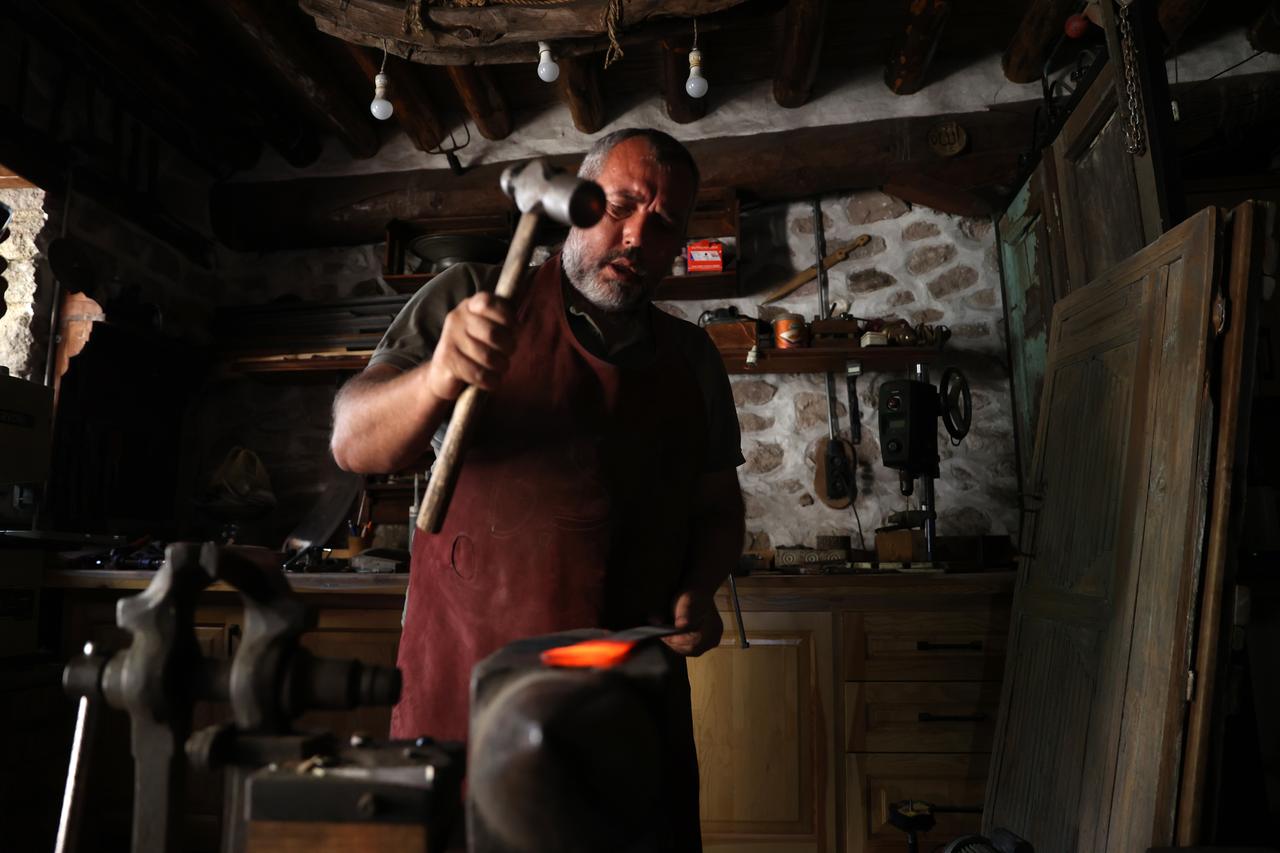
Karabulut said the stages he enjoys most are forging the steel and bringing out its patterns, partly because the final appearance cannot be fully predicted in advance.
Describing the process he uses, Karabulut said Damascus steel is produced by bringing different steels together in the furnace and repeatedly forging them, in some cases building up as many as 512 layers before the metal is shaped into a knife.
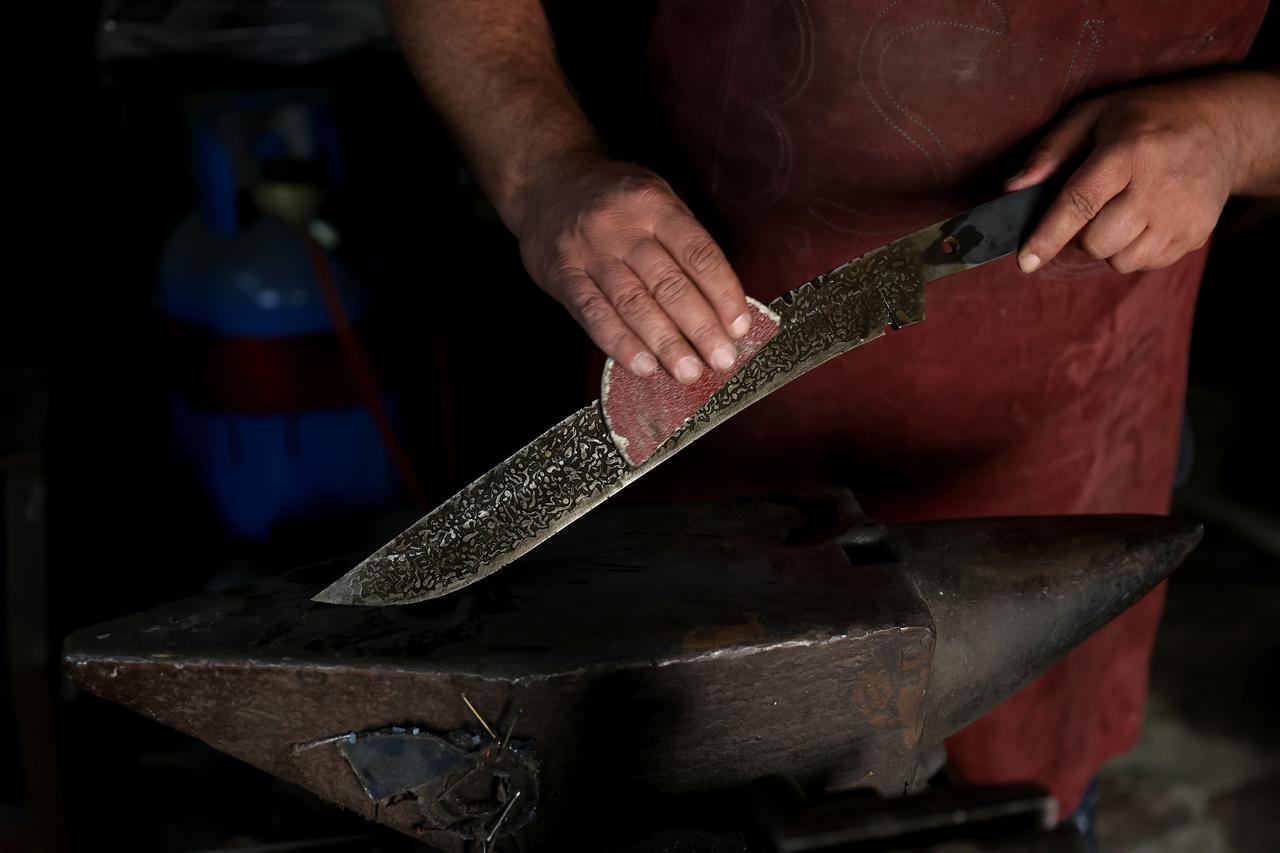
He generally works with steel containing a high proportion of carbon, heating and hammering it into form before fitting the finished blade with a handle and sheath.
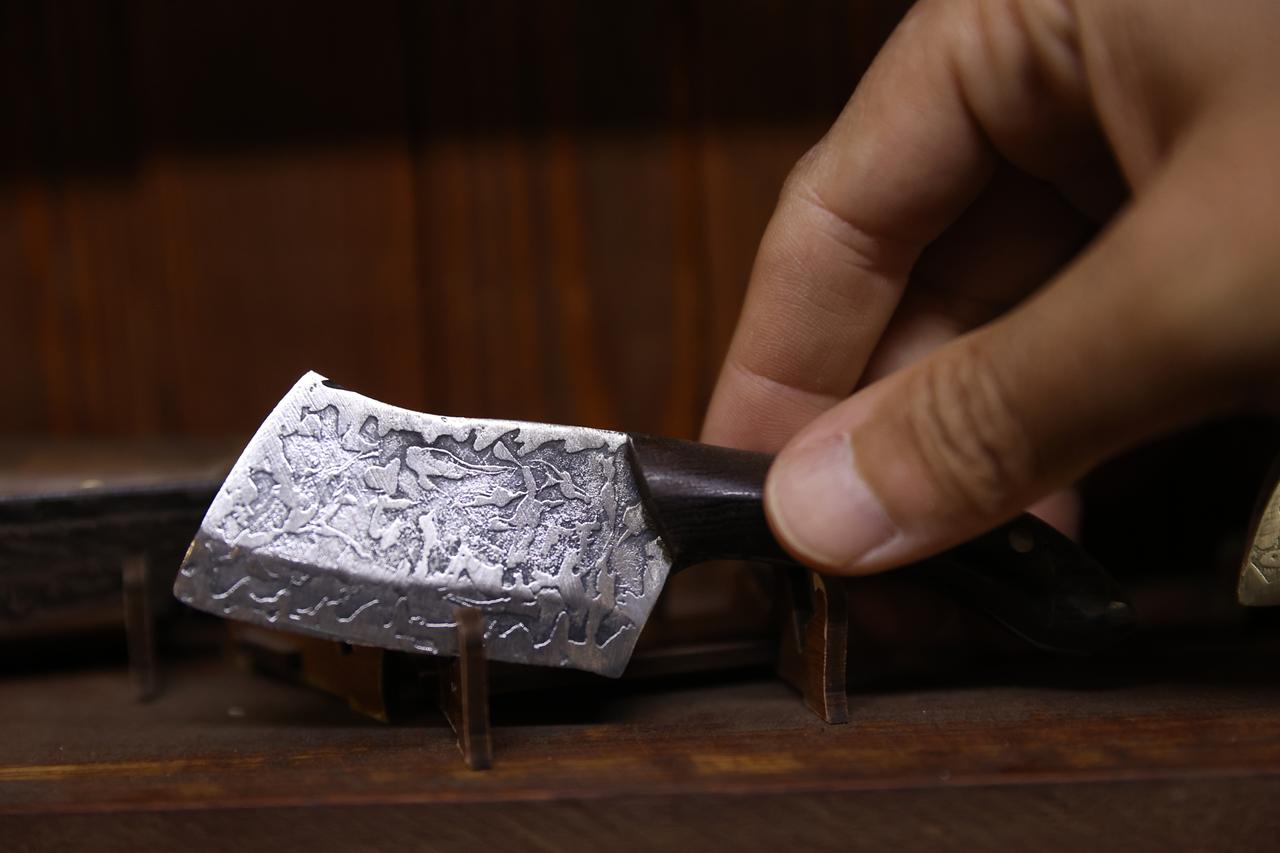
The visual character of the knives emerges later, when acid is used to bring out patterns across the metal surface.
"Because of the nature of Damascus steel, I create different patterns on the metal using an acid-assisted etching method, and none of them look the same. That actually gives the piece another quality, because people end up owning a product that does not have a second copy," Karabulut said.
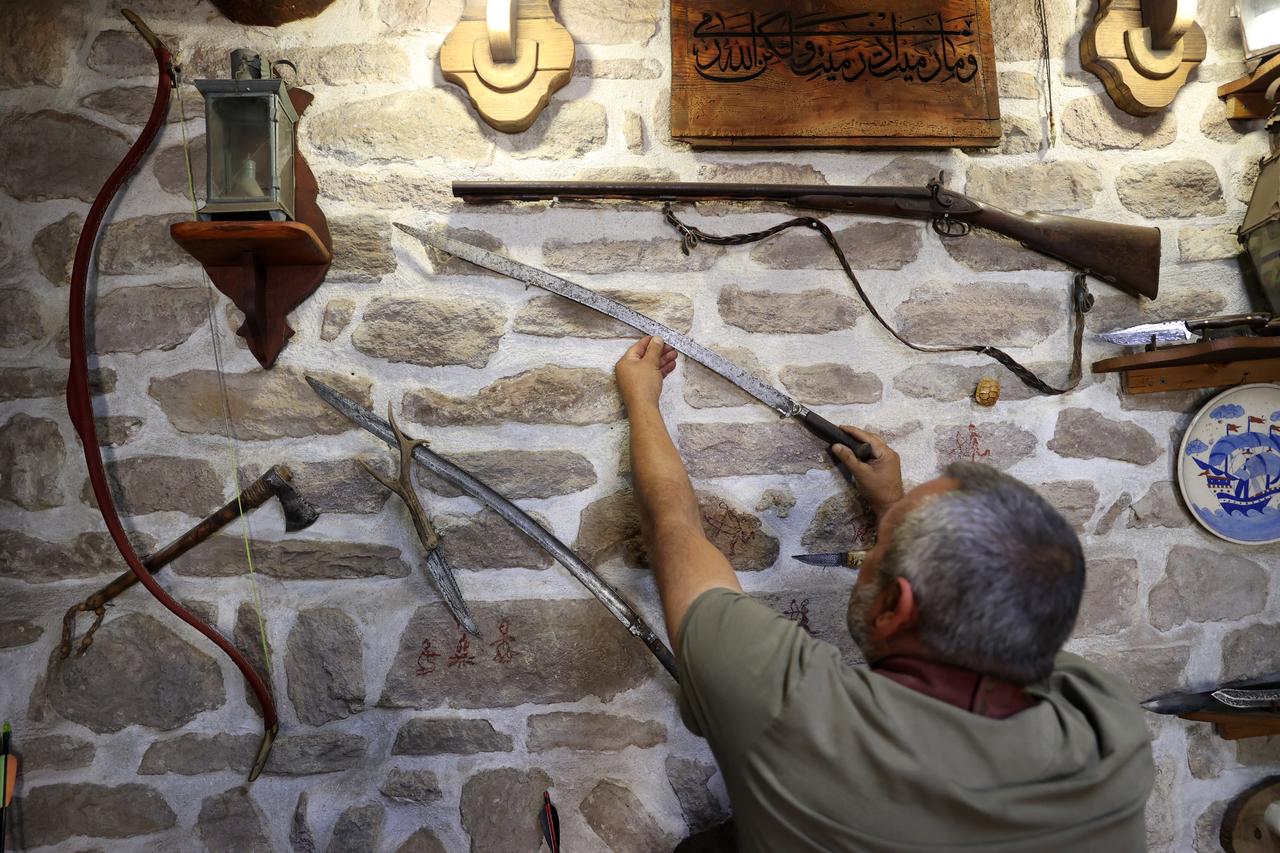
Karabulut also takes on personalized commissions, including designs customers have sketched themselves or knives they have seen on screen and want recreated.
He said people sometimes come to the workshop with a drawing they made at home or an image taken from a film, and he works to turn those ideas into finished pieces based on their requests.
 2 min read

Beyond producing new knives, Karabulut also applies his experience to the maintenance and restoration of antique daggers, swords, and blades, working to make surviving pieces usable again.
Through his workshop in Sille, he continues to carry out the craft by hand within the historic setting where he has practiced and developed his knife-making skills over the years.


 Set as preferred source
 Set as preferred source



 1 min read