Newsletters


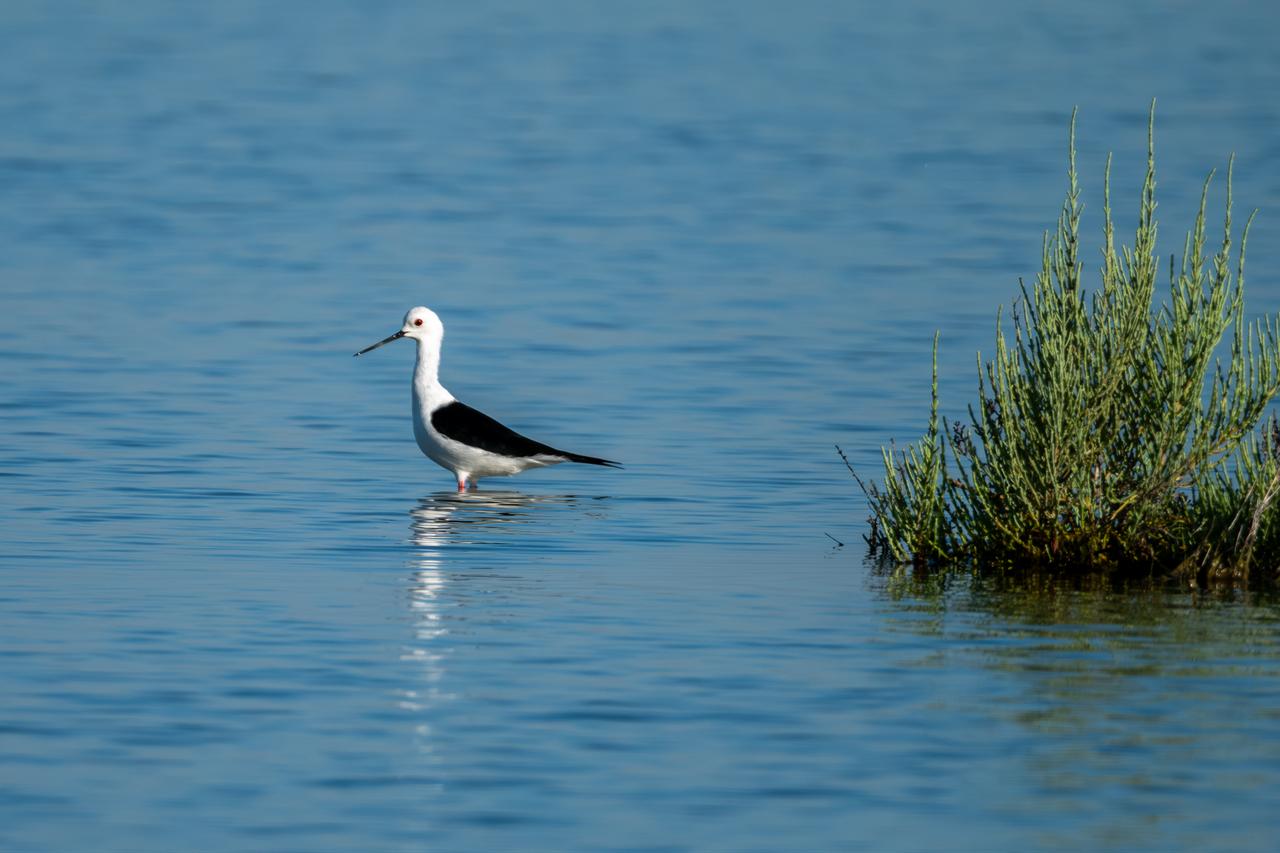


Türkiye’s wetlands turned into a living highway for migration this winter, as nearly 287,000 waterbirds from 74 species were counted across six provinces in the country’s south and center.
The census was conducted in Adana, Hatay, Mersin, Kayseri, Osmaniye and Nigde, all of which fall under the responsibility of the General Directorate of Nature Conservation and National Parks’ 7th Regional Directorate. This area stands out at the national level, as it includes four of Türkiye’s 14 Ramsar sites. Ramsar sites are wetlands recognized under the Ramsar Convention, an international treaty that aims to protect wetlands of global ecological value.
According to the results of the midwinter count, a total of 287,254 waterbirds were observed, belonging to 74 species. These wetlands regularly host species such as flamingos, grey herons, Eurasian curlews, shovelers, terns, and pied kingfishers, making the region a key hub for birdlife during migration and wintering periods.
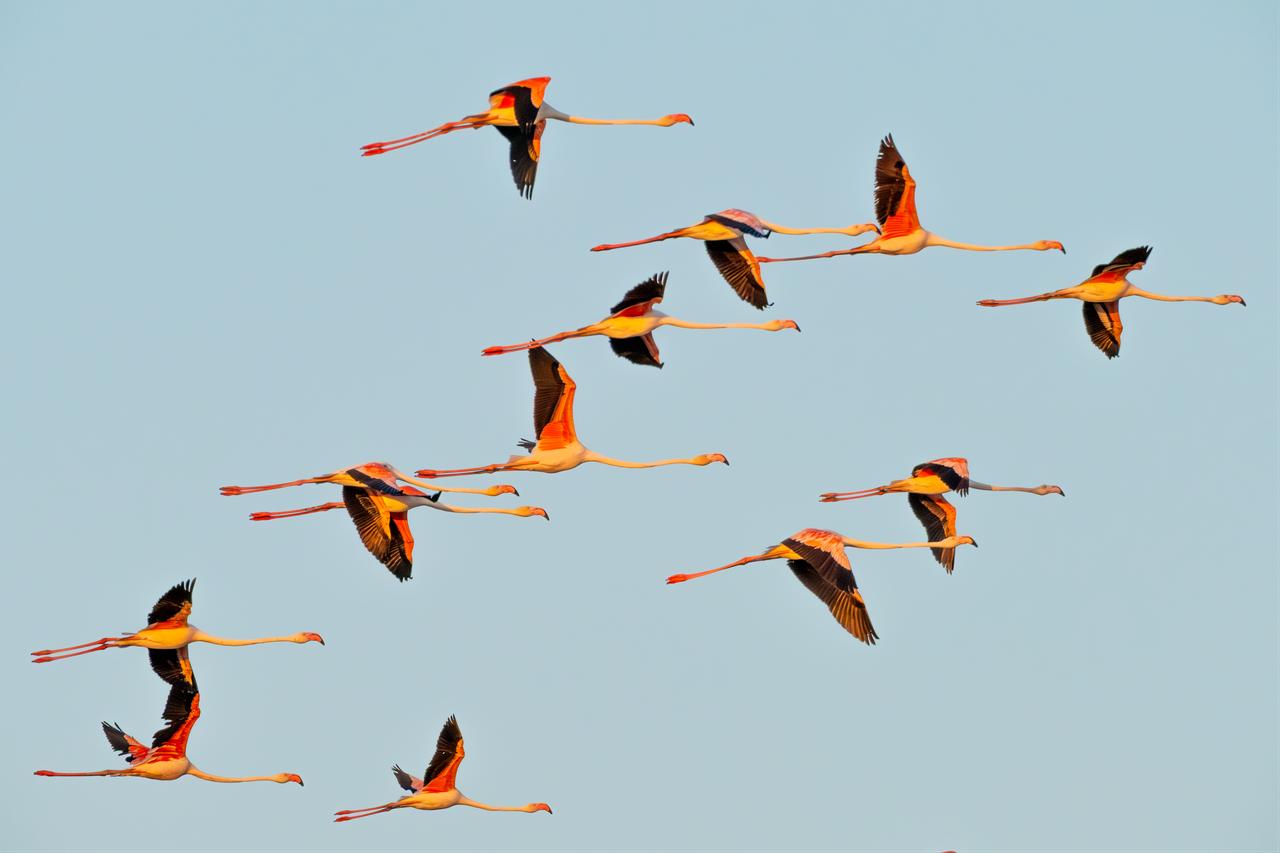

The midwinter waterbird census in Türkiye is carried out simultaneously with counts across the Western Palearctic, a large biogeographic region that covers Europe, North Africa, the Arabian Peninsula, and western Asia. This synchronized effort allows scientists and conservation authorities to track population trends and assess the health of wetlands along major migratory routes.
Faruk Atmaca, Regional Director of Nature Conservation and National Parks for the 7th Region, underlined that the wetlands under their responsibility are exceptionally rich in biodiversity. He noted that the presence of four internationally important wetlands increases both the significance and the workload of conservation activities in the area. Alongside Ramsar sites, nationally designated wetlands are also managed with a focus on protection, sustainable use, and continuous monitoring.
Atmaca emphasized that wetlands rank just behind tropical forests as the most biologically diverse ecosystems on Earth. He pointed out that they are particularly crucial for Türkiye, as they provide essential breeding, sheltering, and feeding grounds for migratory birds.
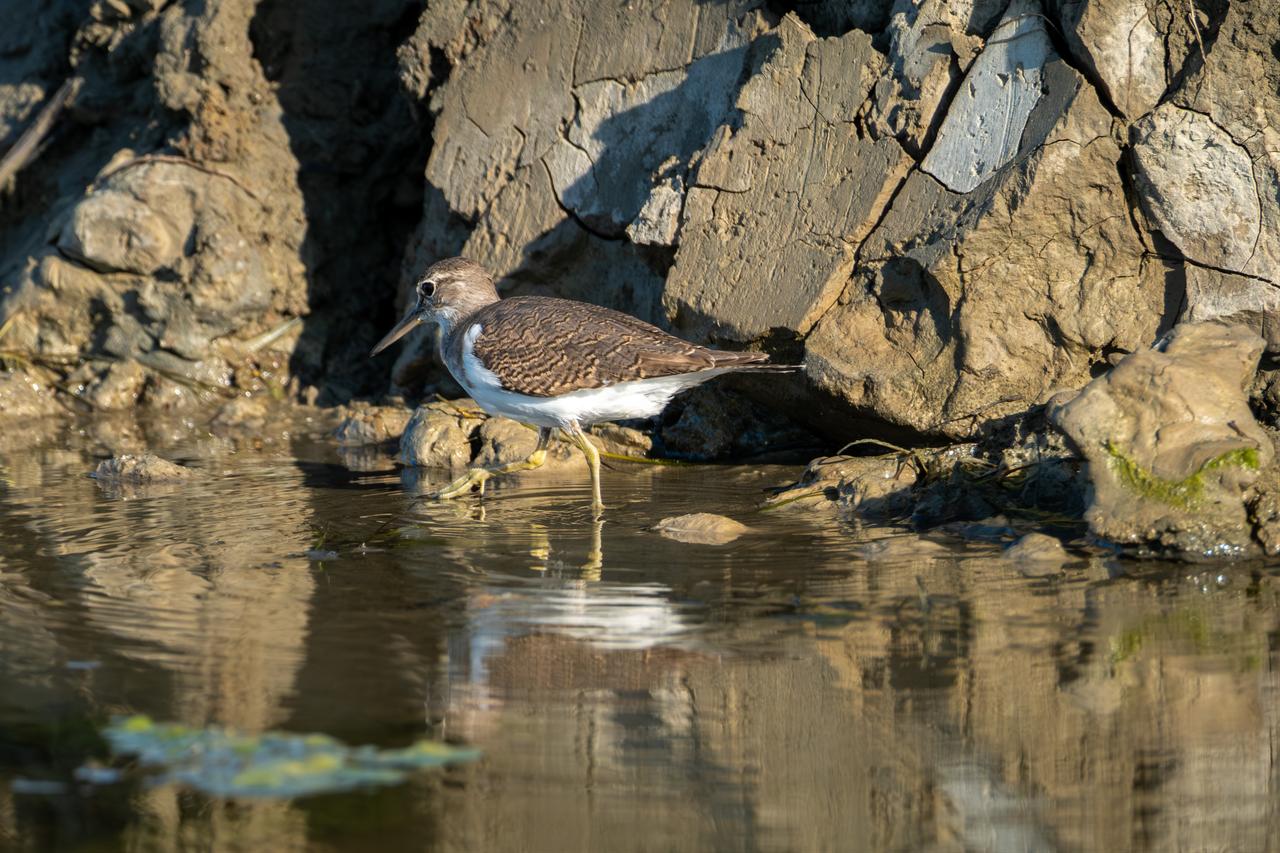
Türkiye lies on two major bird migration routes linking Europe and Asia with Africa. Atmaca explained that these routes pass through the region and continue south through the Belen Pass toward Africa. In this context, local wetlands serve as indispensable stopover points where birds can rest and feed during long-distance journeys.
He also shared that Türkiye is home to 503 bird species in total, and that annual counts are carried out in regional wetlands to monitor migratory bird populations. The latest census confirmed the presence of 74 species within the 7th Region alone.
Atmaca added that Feb. 2 is marked as World Wetlands Day under a United Nations decision, drawing global attention to the need to protect these fragile and valuable ecosystems.


 Set as preferred source
 Set as preferred source



 1 min read