Newsletters


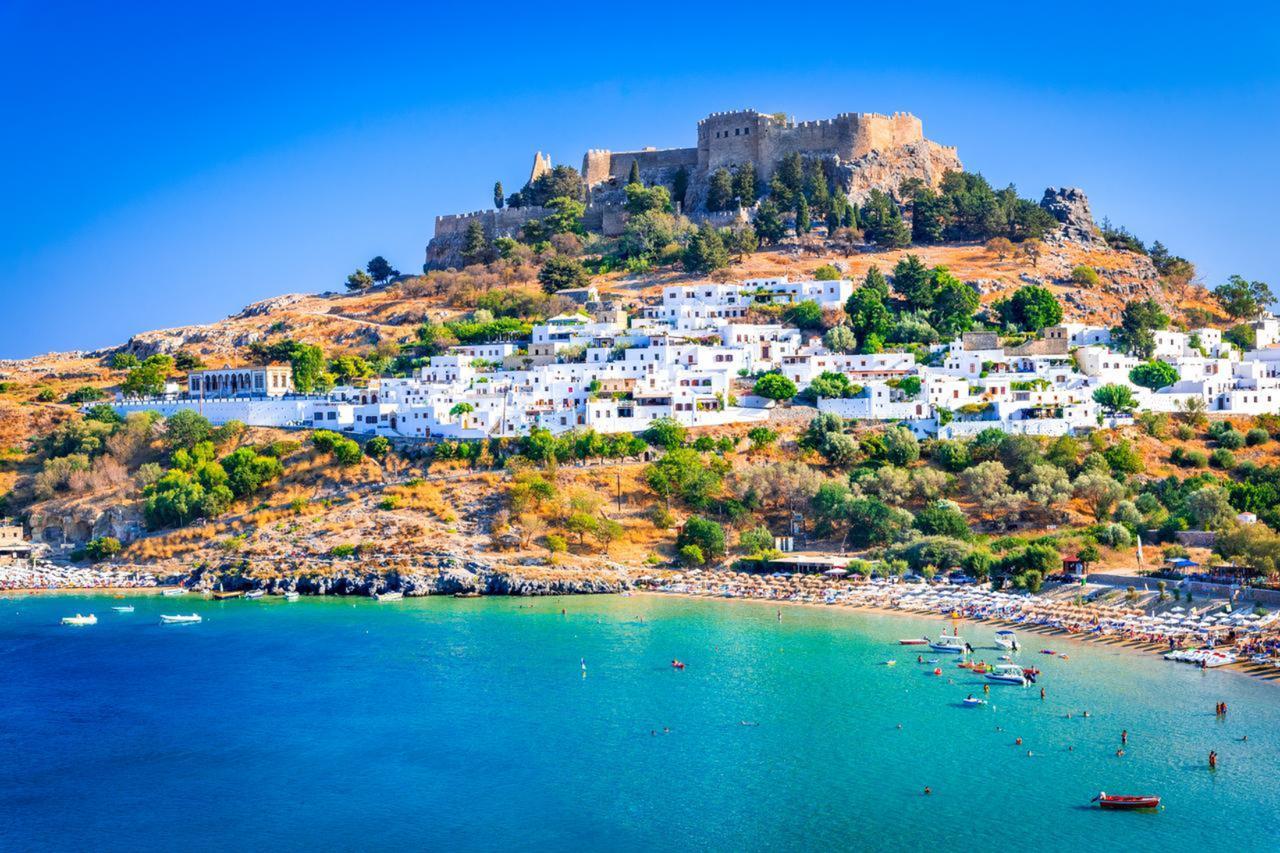


Greece is tightening coastal regulations just weeks before the summer rush, introducing wide-ranging restrictions on beach use in an effort to confront the growing pressure of overtourism.
The move targets some of the country’s most environmentally sensitive areas and reflects a broader shift toward regulating how tourism interacts with fragile coastal ecosystems.
From April 2026, a total of 251 beaches have been brought under stricter protection within the Natura 2000 framework, up from 198 when the initiative began in 2024.
The expansion marks one of the most extensive attempts in Europe to limit commercial use of coastal space while preserving natural landscapes that have increasingly come under strain.
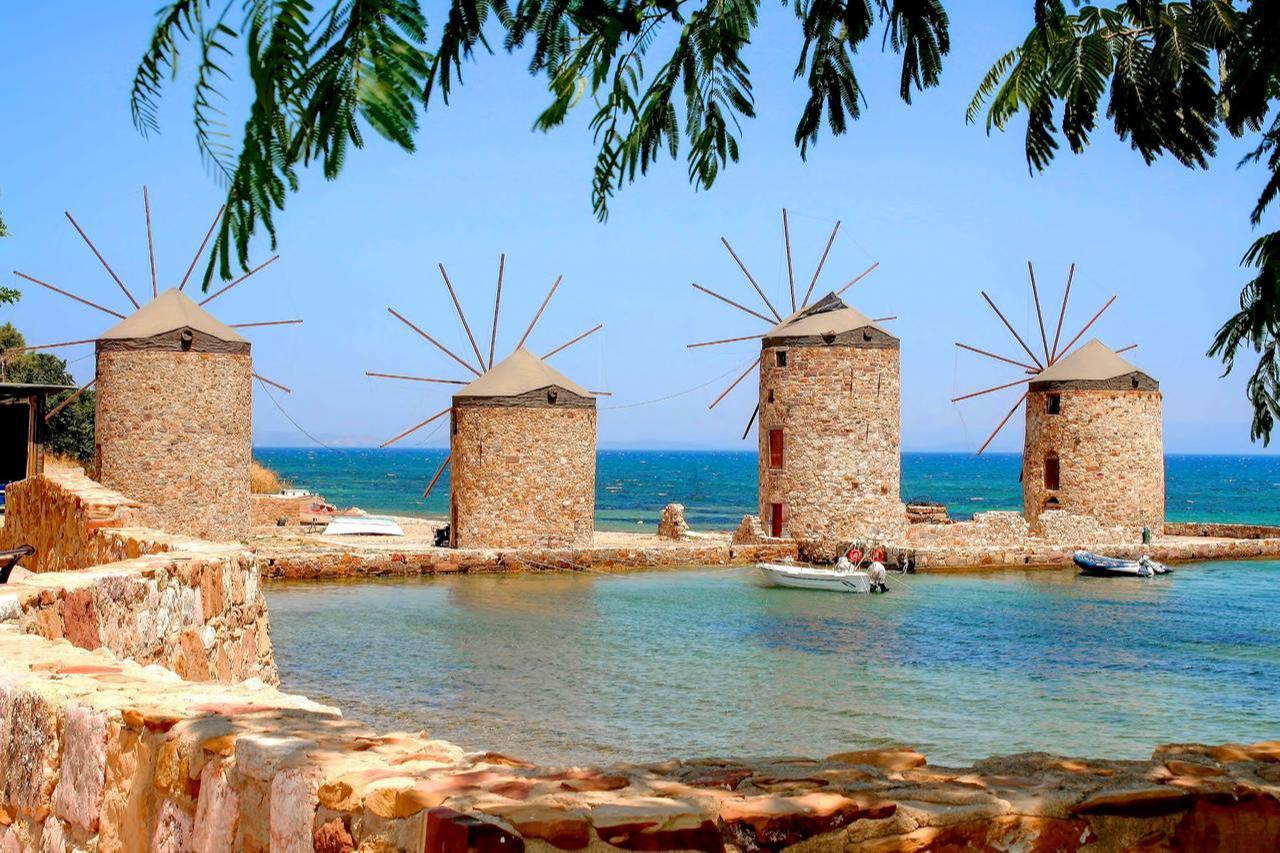

Under the new rules, visitors will no longer be allowed to use sun loungers, umbrellas, or speakers on designated beaches.
The restrictions also extend to a broader range of activities that have become standard in high-traffic destinations.
Organized sports, beach bars, and most commercial operations have been banned, while hotels are no longer permitted to enclose sections of the coastline for private use. In some cases, beaches that were previously dominated by commercial activity are expected to be fully reopened to the public.
Authorities have also imposed strict limits on infrastructure and access.
Construction of paved walkways, sea walls, and concrete piers is prohibited, and vehicles are not allowed on sandy areas. Events involving more than 10 people are banned, and amplified music has been fully restricted.
The Greek Environment Ministry said the regulation “seeks to effectively protect beaches that have particular aesthetic, geomorphological or ecological value,” while preserving the habitats and species found in these areas.
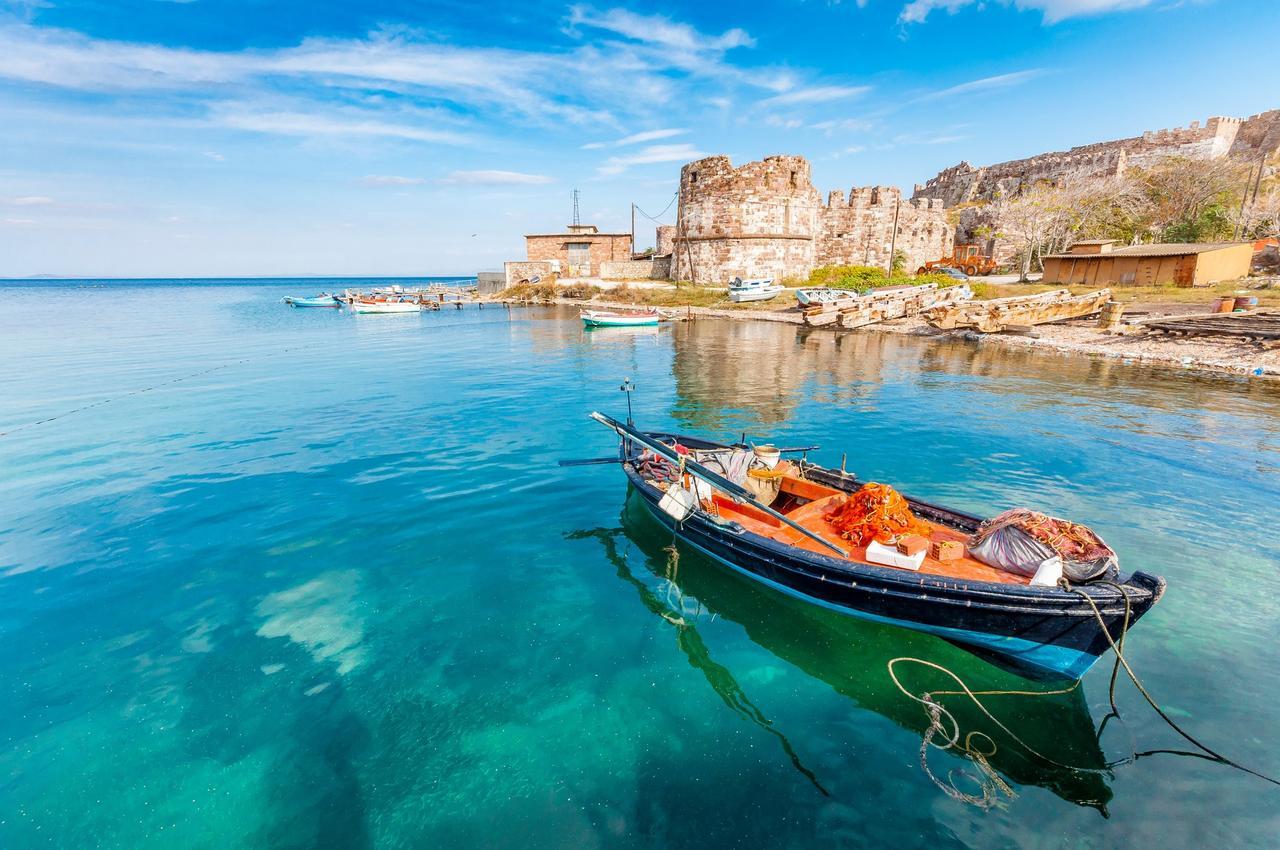
The policy comes as Greece faces increasing strain from rising visitor numbers, particularly in island destinations where tourism has outpaced local infrastructure.
The Ionian island of Zakynthos, often cited as a case of overtourism, has seen visitor numbers far exceed its resident population, with millions of overnight stays recorded in recent years despite a relatively small local population.
Other destinations such as Mykonos and Santorini have already introduced seasonal fees for cruise passengers in an attempt to manage the flow of visitors.
Officials say the latest restrictions are part of a longer-term strategy to protect coastal ecosystems while maintaining the viability of the tourism sector.
“Our goal is to protect the environment and the right of citizens to access the beach freely, and to preserve our tourism product,” Deputy Prime Minister Kostis Hatzidakis said in an earlier statement on beach regulations.
The measures also build on previous enforcement efforts, including the use of drones and digital monitoring tools to investigate complaints about businesses illegally occupying beaches.
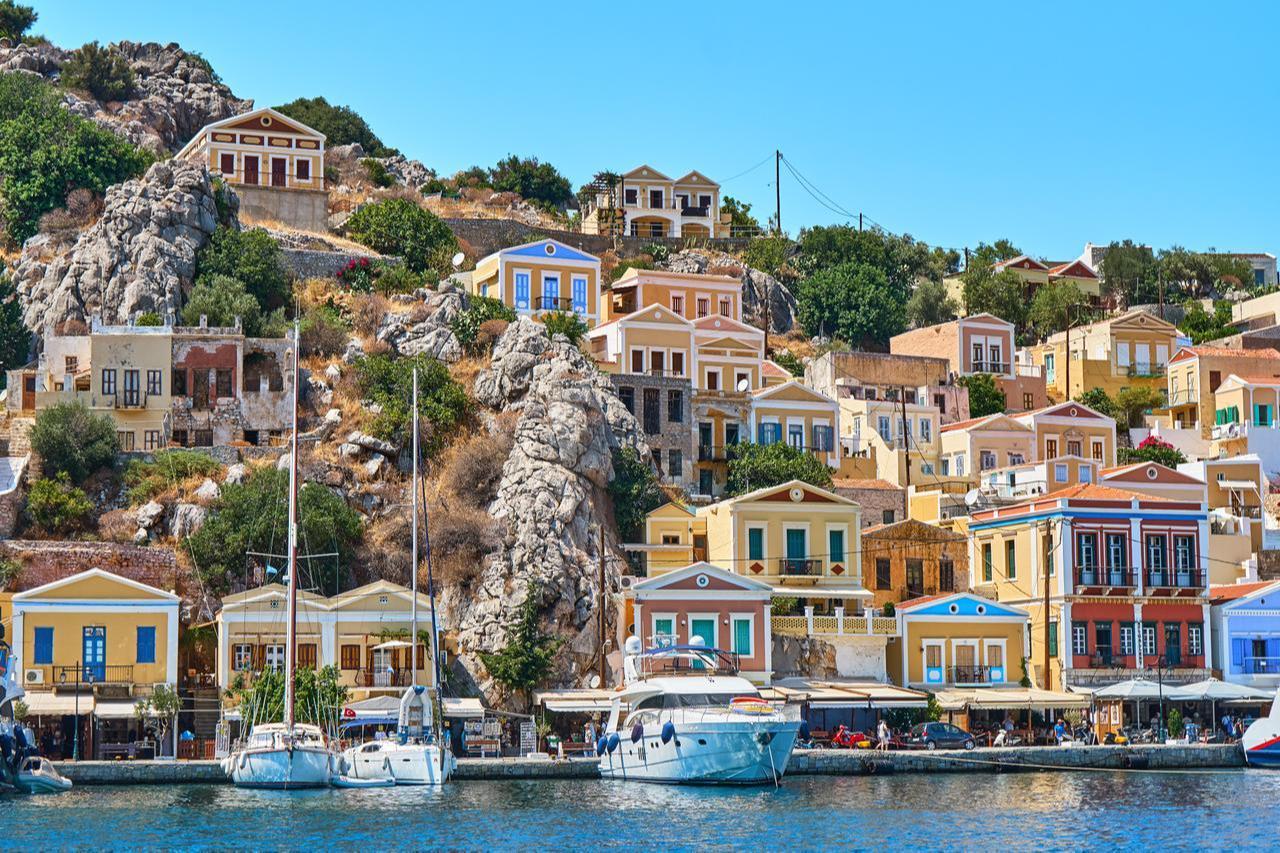
The protected list includes both remote coastlines and internationally known destinations such as Balos Beach, Elafonisi Beach, and Falassarna Beach, as well as numerous sites across islands, including Naxos, Rhodes, Corfu, and Lefkada.
Officials argue that preserving these “untouched” beaches is essential not only for biodiversity but also for the long-term sustainability of tourism, as demand continues to grow across the Mediterranean.
Mobile refreshment units will still be allowed in some areas, offering limited services without permanent infrastructure, but the broader direction is clear: reduce commercial footprint, restore public access, and prevent further environmental degradation.


 Set as preferred source
 Set as preferred source



 2 min read