Newsletters


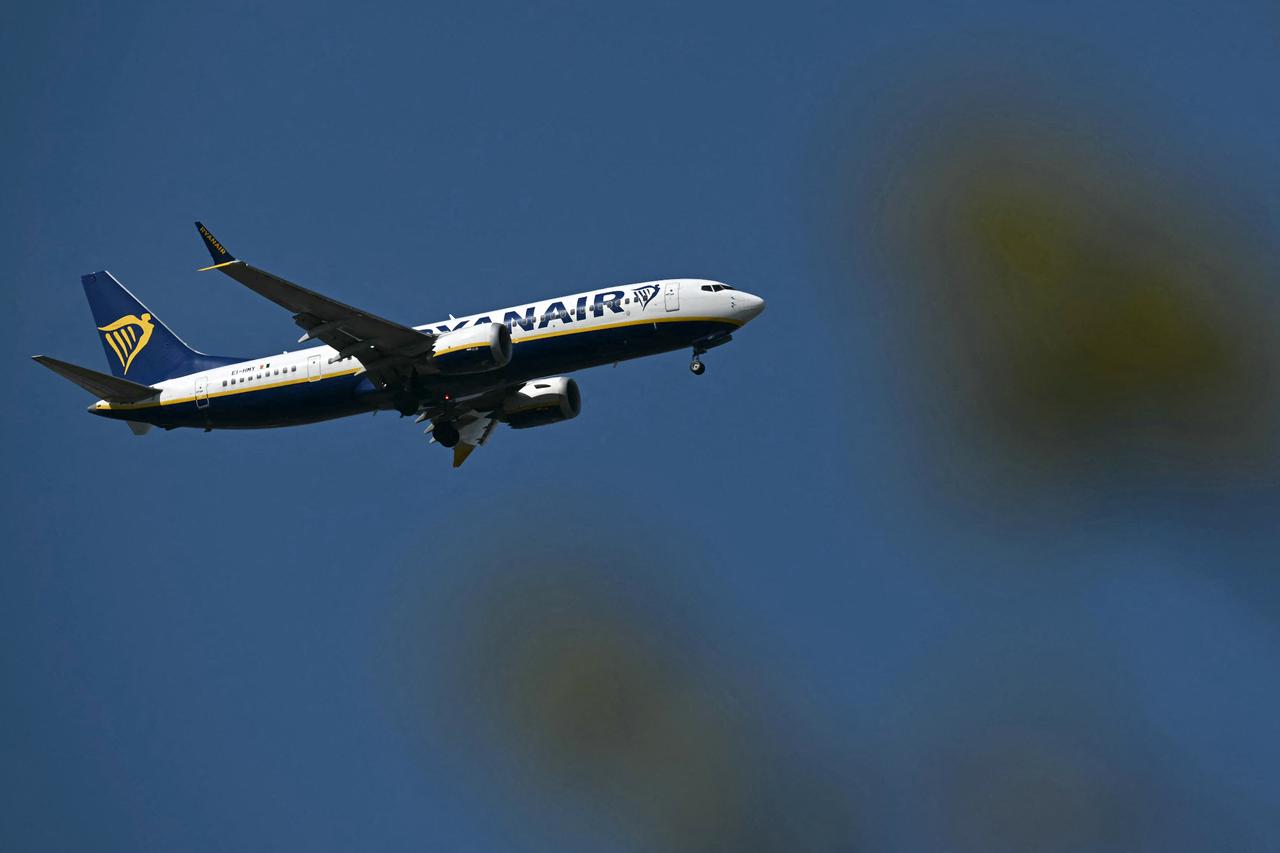


Low-cost airlines, including Ryanair, Transavia, Volotea and AirAsia X are cutting flights as soaring jet fuel prices linked to the Middle East war and the closure of the Strait of Hormuz increase pressure on carriers.
The closure of the Strait of Hormuz has removed a large share of oil supplies from the market, pushing up jet fuel prices and raising fears of shortages that could force more airlines to cancel flights.
Budget airlines are being hit early because of their business model. With cheaper tickets, they have less room to absorb rising fuel costs.
Low-cost carriers control a little more than a third of the global market, according to various estimates.
Financial analyst Dudley Shanley of investment bank Goodbody said some cancellations may reflect normal seasonal schedule adjustments when demand falls short on certain routes.
But he added that “if jet fuel prices remain at this level, there will have to be a little bit more trimming for low-cost airlines.”

Airlines are not waiting for fuel shortages before adjusting schedules.
Travel Therapy TV host Karen Schaler warned travelers in an Instagram reel over the weekend that airlines were cutting thousands of flights and advised them to “book early.”
Ryanair chief Michael O’Leary also said earlier this month that concerns about fuel shortages were causing some people to delay booking flights.
EU energy commissioner Dan Jorgensen told Sky News last week that many holidays were likely to be affected by cancellations or much more expensive tickets.
Air Transat, a low-cost Canadian airline, has cut 6% of its May-October flight schedule.
AirAsia X, Southeast Asia’s largest low-cost carrier, said Friday it was cutting more flights and some connections, without giving an overall figure. Earlier this month, the Malaysia-based airline said it was raising fares by up to 40% and had cut about 10% of its total flights.
Spain’s Volotea has reduced nearly 1% of flights from its summer schedule since the beginning of the month.
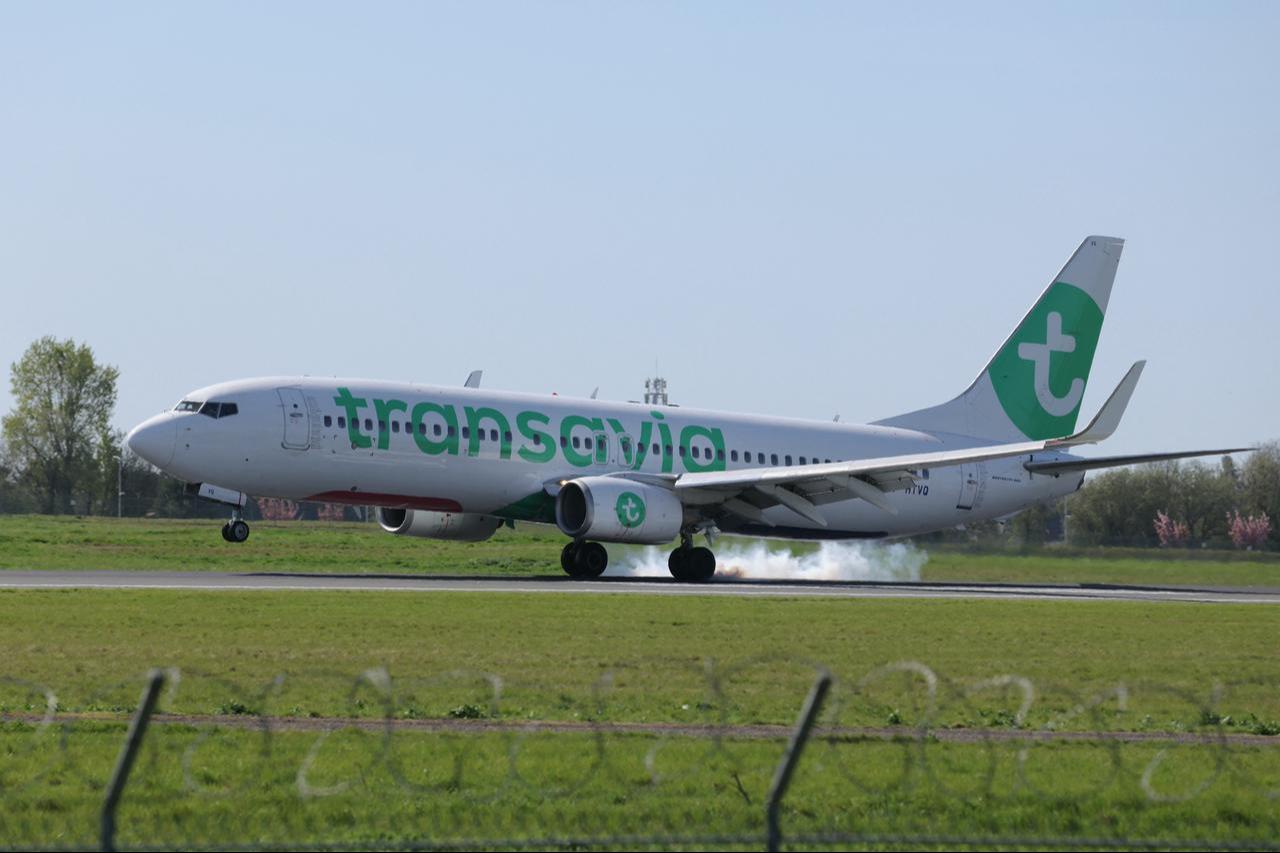
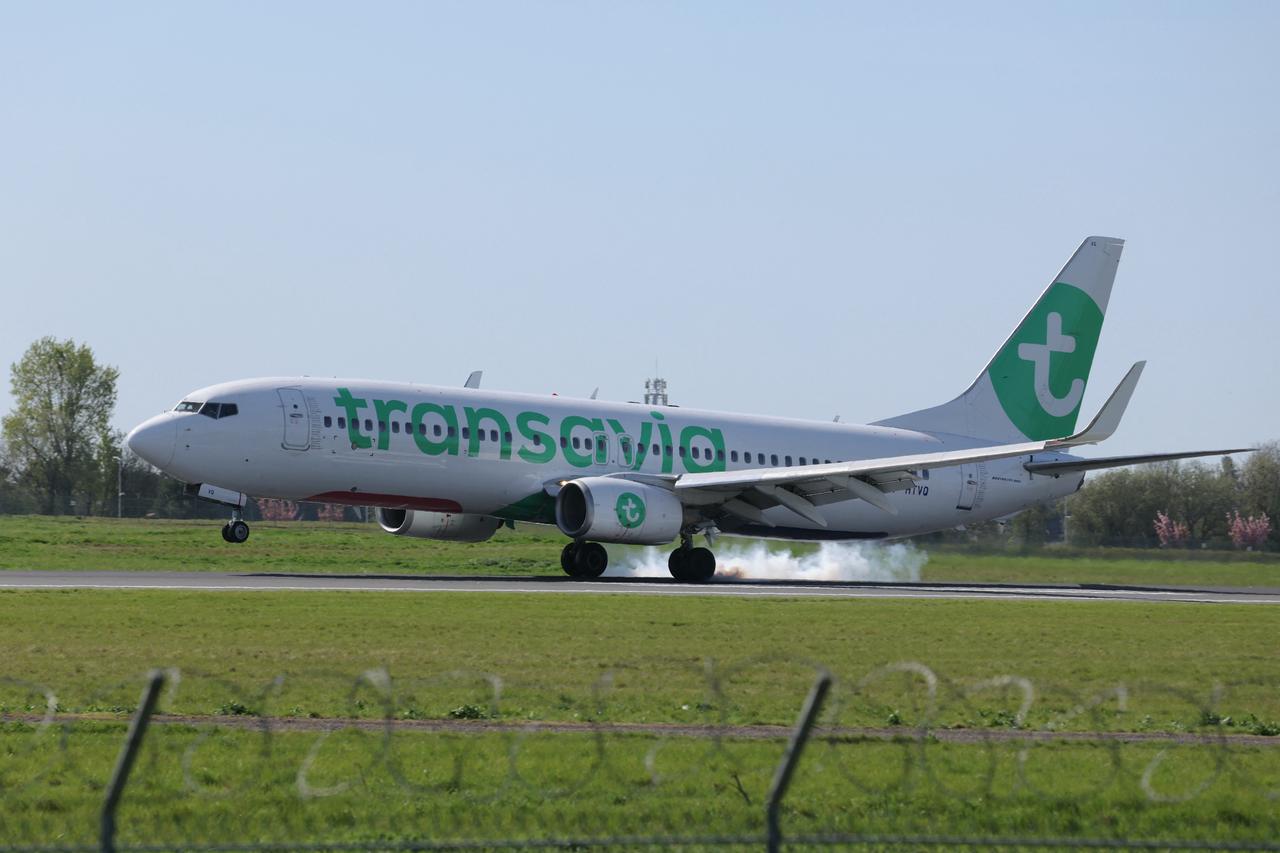
Air France-KLM has cut 2% of flights in May and June at its low-cost Transavia subsidiary, while KLM has kept cancellations to 1% of its European flights.
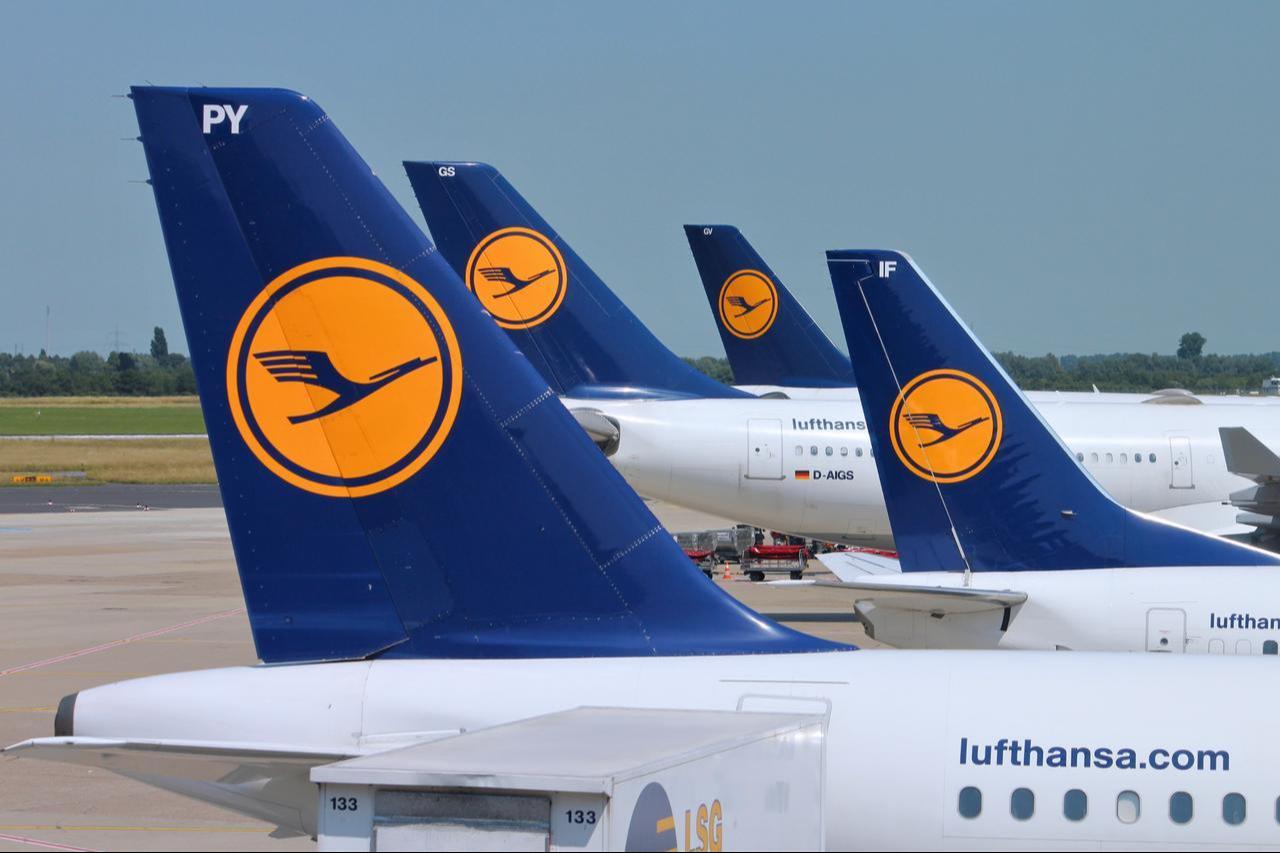
German group Lufthansa announced one of the largest reductions, cutting 20,000 flights from its schedule through October and halting its regional feeder airline CityLine.
Hungarian low-cost airline Wizz Air has so far resisted cutting capacity.
“We are not taking capacity out, because I think the other guys will take capacity out,” Chief Executive Jozsef Varadi was quoted as saying by Aviation Week.
Ryanair did not cite fuel prices when announcing last week that it would reduce flights to and from Berlin starting in October, instead pointing to high costs and taxes. It is also cutting 10% of flights from Dublin, citing limited airport capacity.


 Set as preferred source
 Set as preferred source


 1 min read
 1 min read