Newsletters


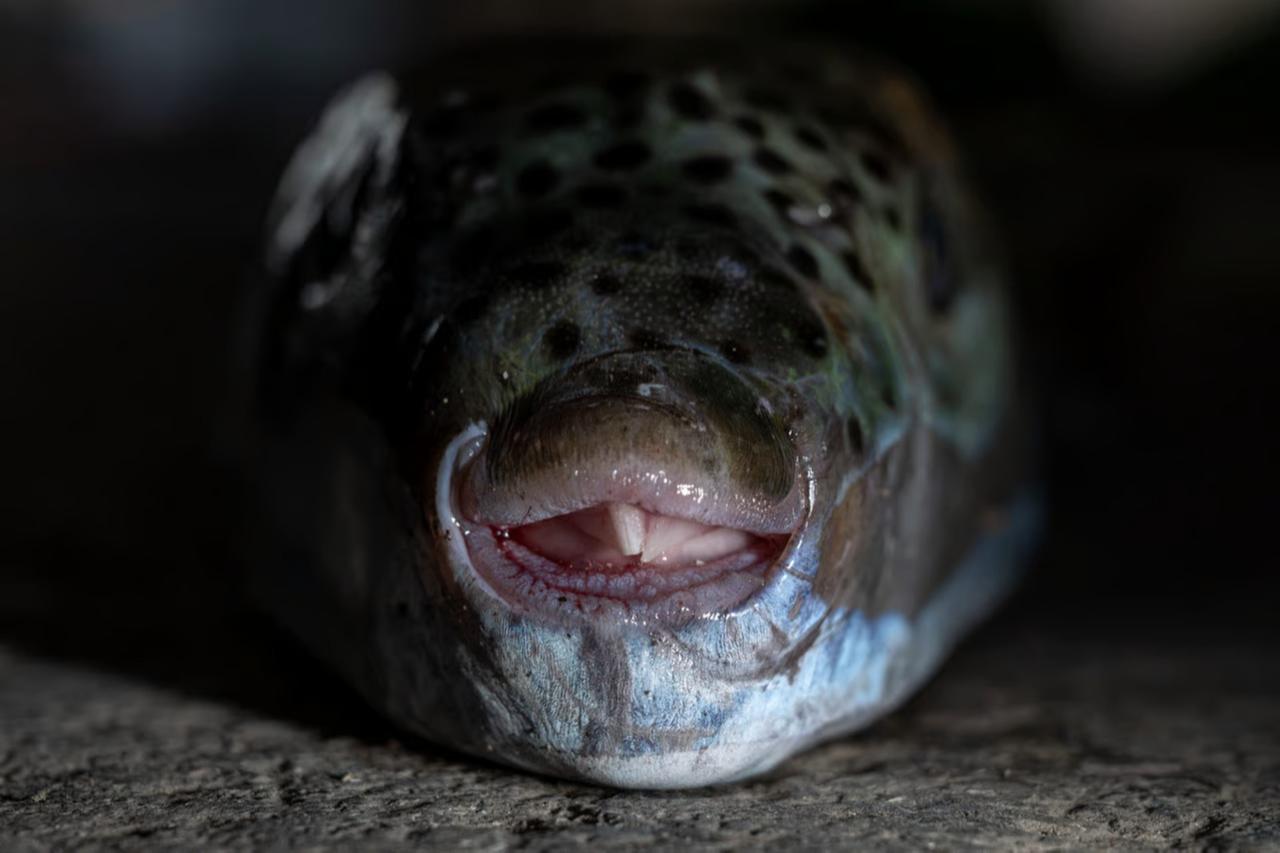


Greece is rolling out payments for fishermen to catch and remove the silver-cheeked pufferfish, a poisonous invasive species that has spread across the Mediterranean through the Suez Canal and is now damaging fisheries and marine ecosystems.
The pilot program will pay fishermen more than €5,33 (about $6.08 or ₺285) for each kilogram of pufferfish collected. The scheme will first focus on the southern Aegean and Crete, where fishermen have been among the hardest hit.
The silver-cheeked pufferfish, known scientifically as Lagocephalus sceleratus, reached the Mediterranean from the Red Sea through the Suez Canal. The species usually measures 40 to 60 centimeters and is considered dangerous because its flesh contains tetrodotoxin, a powerful neurotoxin that can be fatal if consumed and has no known antidote.
Its sharp teeth and strong jaws have also caused serious problems for fishermen, as the fish can damage nets and fishing gear while feeding on other marine species.
Marine experts say the spread of the pufferfish reflects broader changes in the Mediterranean. Rising sea temperatures linked to climate change have helped invasive species settle in new areas, while the Suez Canal has served as a route for species moving in from the Red Sea.
The impact has become increasingly visible in Greek waters, especially around Crete and Rhodes, where fishermen have long complained about damaged nets, shrinking catches and rising operating costs. The invasive fish has now been recorded in almost all Greek waters, with more frequent sightings near Athens drawing wide public attention.
The Hellenic Center for Marine Research estimates that pufferfish cause each fishing boat in the region around €8,500 in annual losses through damaged equipment and reduced income.
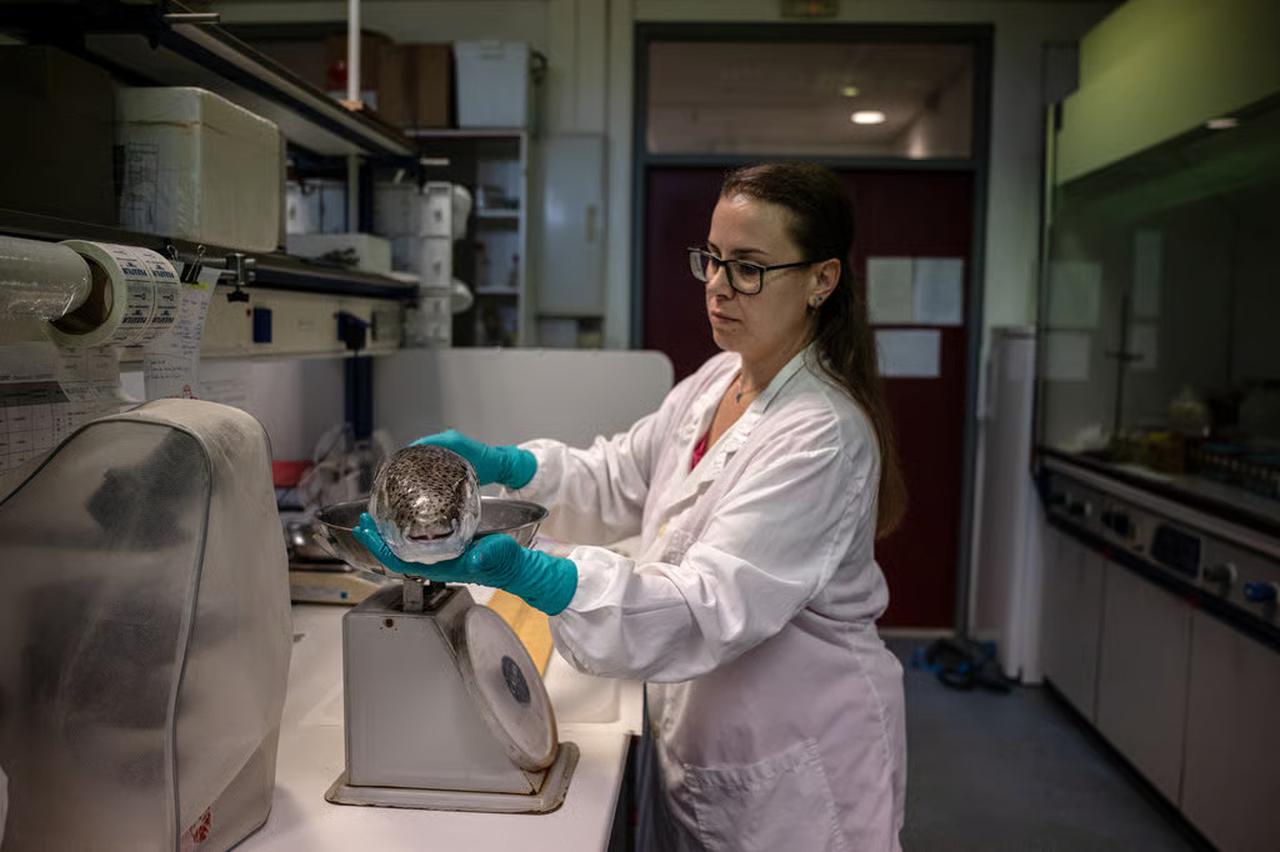

Michalis Margaritis, a fisheries officer at WWF Greece, said the species feeds heavily on marine life, including octopus and clams. He explained that warmer seas give the fish favorable conditions to settle, while the lack of natural predators and the fact that it cannot be safely eaten by humans allow it to spread quickly.
Fisherman Michalis Karpodinis from Rhodes said the situation has changed where crews can work, explaining that areas once used for fishing are increasingly avoided because of the pufferfish. He said fishermen who previously worked at 40 to 45 meters now often have to go close to 200 meters deep to find red mullet.
Cyprus has already introduced a subsidy system to encourage the capture and removal of the invasive species after its fisheries were badly affected. Greece is now adopting a similar approach through a pilot program announced by the Agriculture Ministry.
The wider support package is worth €1.5 million and is aimed at protecting the livelihoods of around 16,000 fishermen. Alongside the pufferfish payments, the government also announced temporary fuel subsidies for professional fishermen to help bring down operating costs.
Spiros Protopsaltis, general secretary at the Agriculture Ministry, said the aim was to offer fishermen a financial incentive to help limit the population of the species.
"Since it arrived in the Mediterranean, the pufferfish has come to stay. The question is how we will limit its population," he said.
According to the plan, pufferfish will be targeted during breeding periods, recorded and then destroyed through incineration.


 Set as preferred source
 Set as preferred source



 2 min read