Newsletters


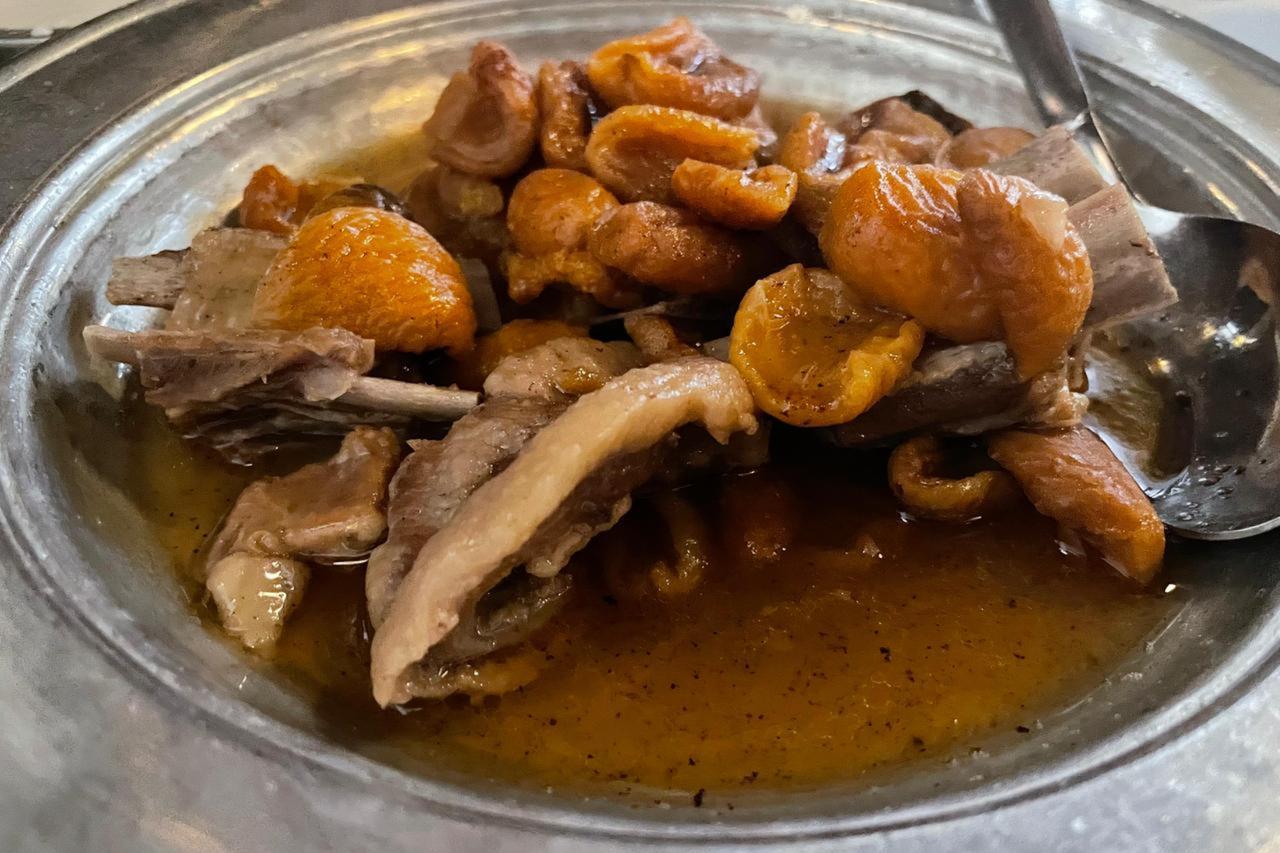


Anatolian cuisine offers remarkable richness through its use of fruits and vegetables in a wide variety of dishes. Depending on the region, fruits such as quince, plum and green almond (cagla) have long been paired with meat to create distinctive flavors. How did we lose these tastes over time, and how are we still losing them today?
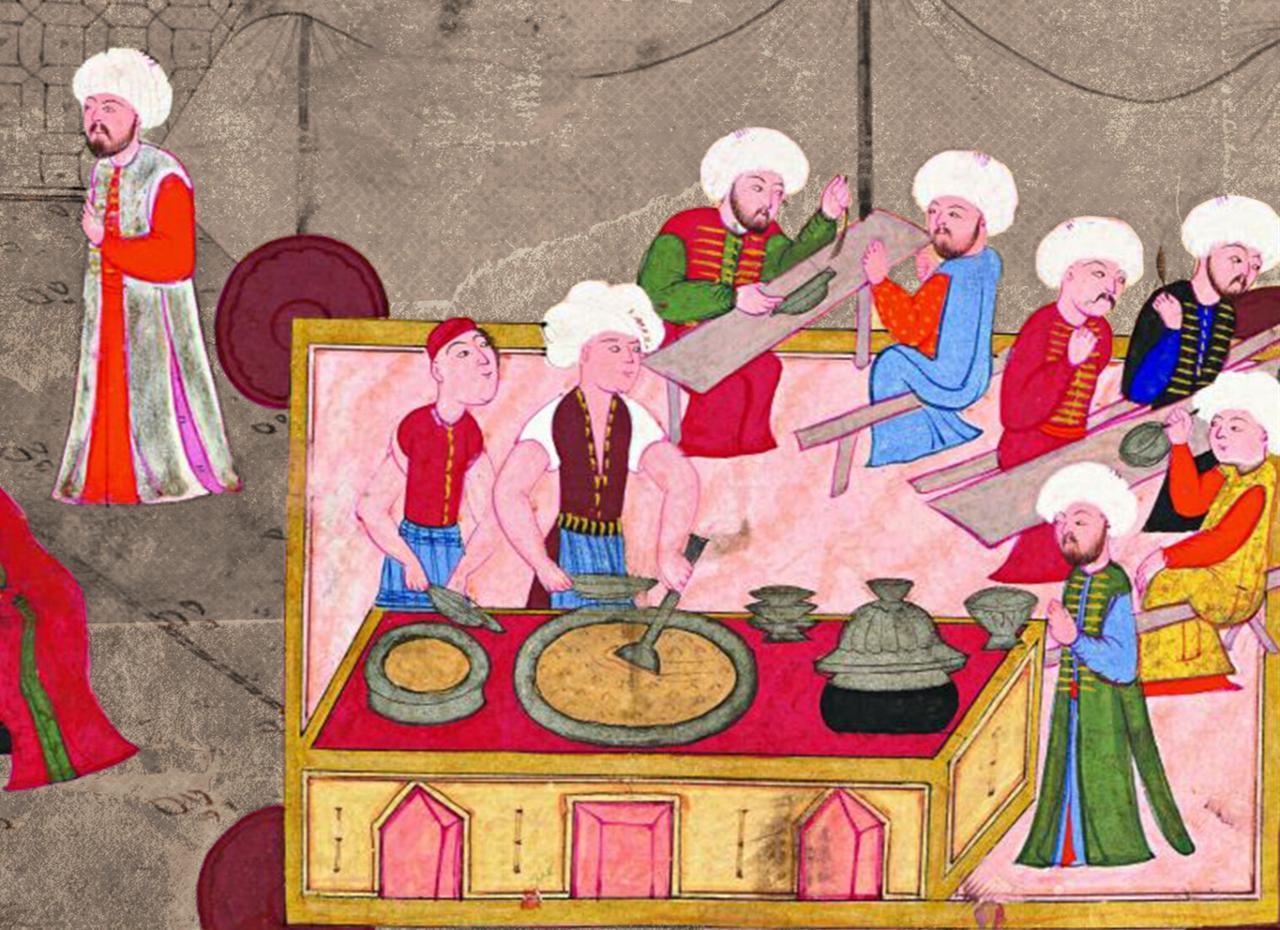

In Anatolia, fruit-based dishes exist in almost every season. Sometimes dried fruits are used, sometimes fresh ones, creating an extraordinary diversity. The first fruits of spring are green almond (cagla) and plum. These are followed by other fruits that take their place in local markets depending on the region. Fresh cagla, plums and the fruits that follow are used in a wide range of dishes.
One of the most striking examples is the calla yemegi from Konya, dating back to the Seljuk period. Made with sour plums, this dish gained its distinctive flavor at a time when tomato paste did not yet exist. Across Anatolia, many dishes based on early fruits developed for similar reasons.
Examples include murdum plum dishes in Bartin; cherry dible and taflan kavurmasi in Giresun; cagla dishes in Adana; meat with plums in Burdur; cagla asi, plum pan dishes and loquat kebab in Antep; plum asi in Isparta; plum and almond dishes in Icel; green almond and can plum stews in Maras. These are only some of the dishes made with the earliest fruits of the season.
Anatolia also has a rich tradition of flower-based dishes. One of the first spring dishes across many regions is stuffed zucchini flowers, prepared either with meat or olive oil. Salads made from flower petals are also common. Particularly notable is the Afiyan salad, made from poppy leaves in Afyon. Leaf-based salads are widespread throughout the country. In southeastern regions, decorating outdoor tables with narcissus flowers is customary; if the flowers are unavailable, a dish called nergisleme (an egg salad inspired by the flower’s colors) is prepared instead.
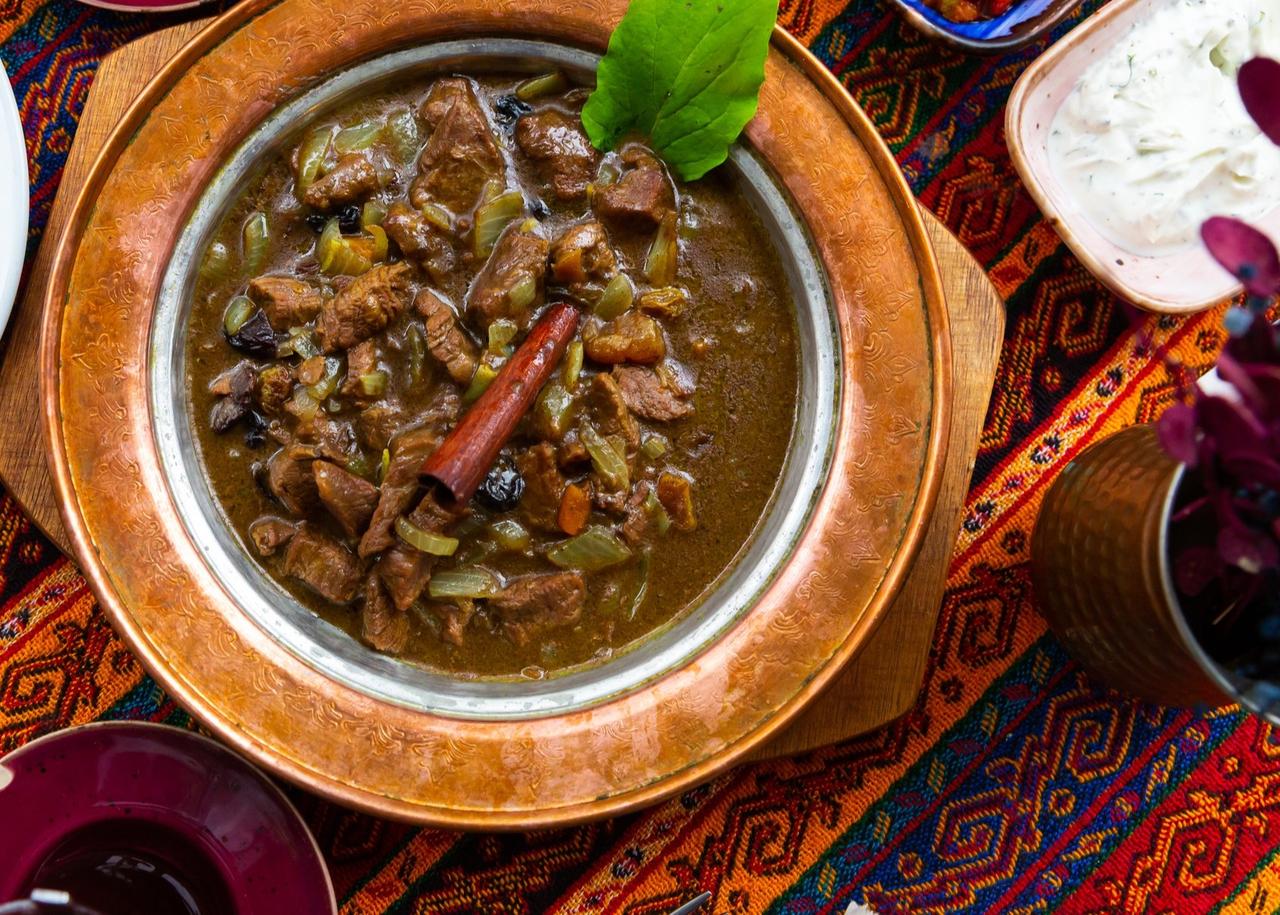
The cultural richness of Anatolian cuisine is beyond dispute. This richness is also clearly reflected in fruit-based dishes. For centuries, Anatolia had limited access to many vegetables, making it natural for local cuisines to rely on fruits grown in the region.
The fruits used in dishes that have survived, diversified and evolved over time include quince, apple, pear, apricot, chestnut, grape, plum, cherry, sour cherry, loquat, jujube, melon, almond and walnut.
Regionally, meat dishes prepared with fruit are less common in the Aegean region. By contrast, Central and Western Black Sea regions, Southeastern Anatolia and the Mediterranean show a much stronger tradition of fruit-based cooking.
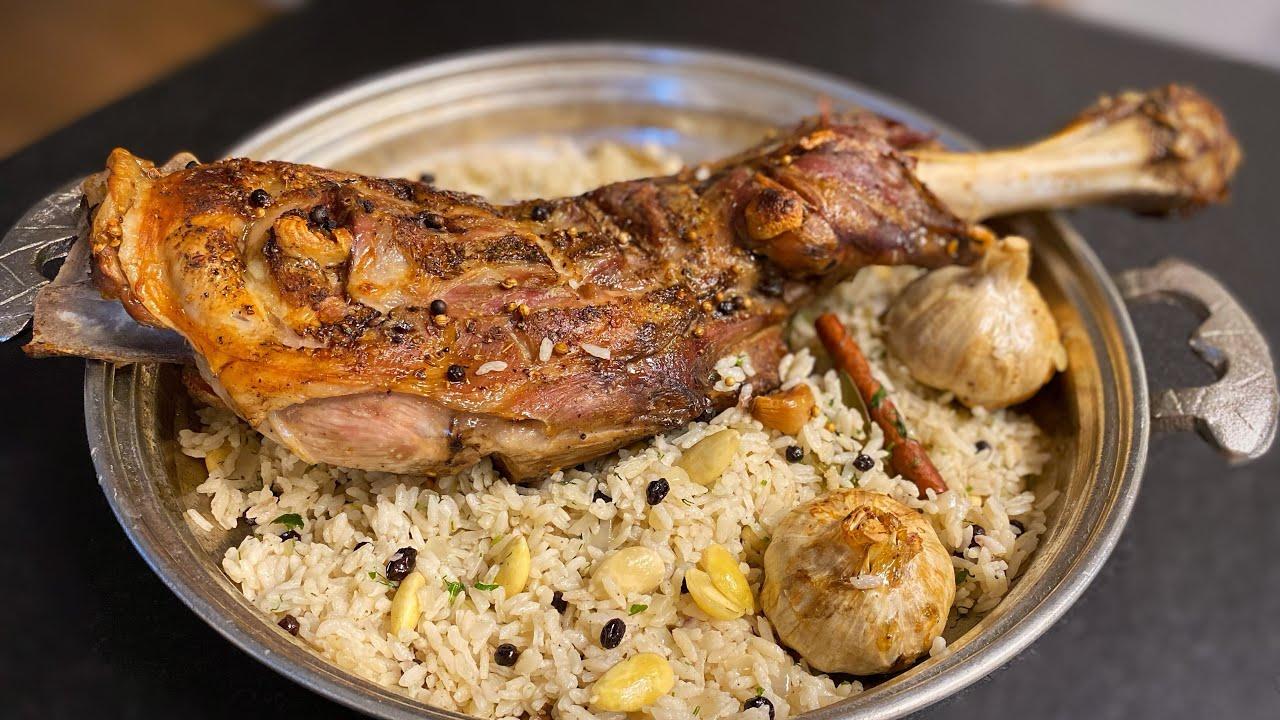
Quince galles—Amasya
Meat with chickpeas is cooked without salt. Quince is sliced into rings and arranged in a pot. Sugar is sprinkled on top. Shredded cooked meat and plenty of chickpeas are added. The dish is simmered gently. Molasses may be added if desired.
Quince kebab—Gaziantep
Lamb meat is finely chopped with tail fat, salted and kneaded. Quinces are quartered, then sliced crosswise into walnut-sized pieces. Skewers are prepared alternately with quince and meat. After grilling, the kebabs are placed in a pan. Hot fat and water are poured over them, covered and gently steamed.
Quince meatballs—Diyarbakir
Minced meat is kneaded with egg, salt, black pepper and red pepper flakes. Small, flat meatballs are shaped. Quince is sliced and fried. Meatballs and quince are layered in a pot. Water, tomato paste and salt are added, and the dish is simmered until the liquid reduces and the quince softens.
Ayvali tarakli—Gaziantep
Also known as egsili tarakli, rib cuts of meat are sealed in butter and cooked with spices and a little water. Unpeeled quince slices are added near the end. Pomegranate molasses is stirred in and the dish is briefly boiled.
Quince Dish—Kastamonu
Bread quinces are sliced and boiled. Fresh minced meat is sauteed and placed on top. A little water and sugar are added, then cooked. Butter is added before serving.
Ayva asi (quince asi)—Diyarbakir, Gaziantep
Meat and chickpeas are boiled, then combined with sauteed onions and tomato paste. Unpeeled sliced quince is added. If the fruit is too sour, sugar is added. Chickpeas are not used in the Diyarbakir version.
Meat with quince—Gumushane
Fatty, bone-in lamb is cooked first. Sliced quince is added on top. Once cooked, sugar or currants and butter are incorporated.
These dishes could go on endlessly. What have we lost, and what are we still losing?
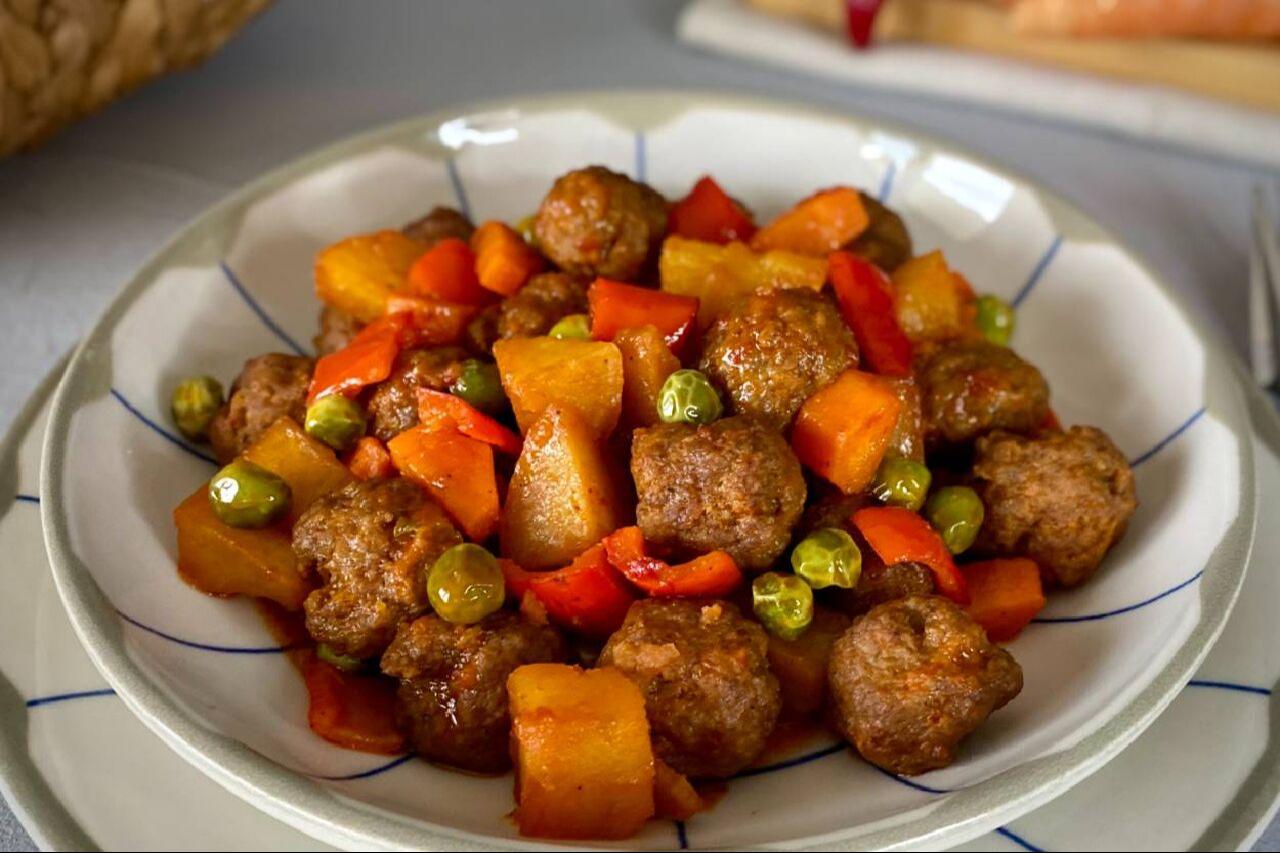
Ingredients
For the meatballs:
For the sauce:
Preparation
Grate the onion and combine with minced meat, egg and breadcrumbs. Season and knead well. Shape into small balls. Boil the peas. Fry diced potatoes, then carrots, and lightly fry the meatballs. Transfer all to a pot, add peas, pour over the prepared sauce and simmer for about 15 minutes.
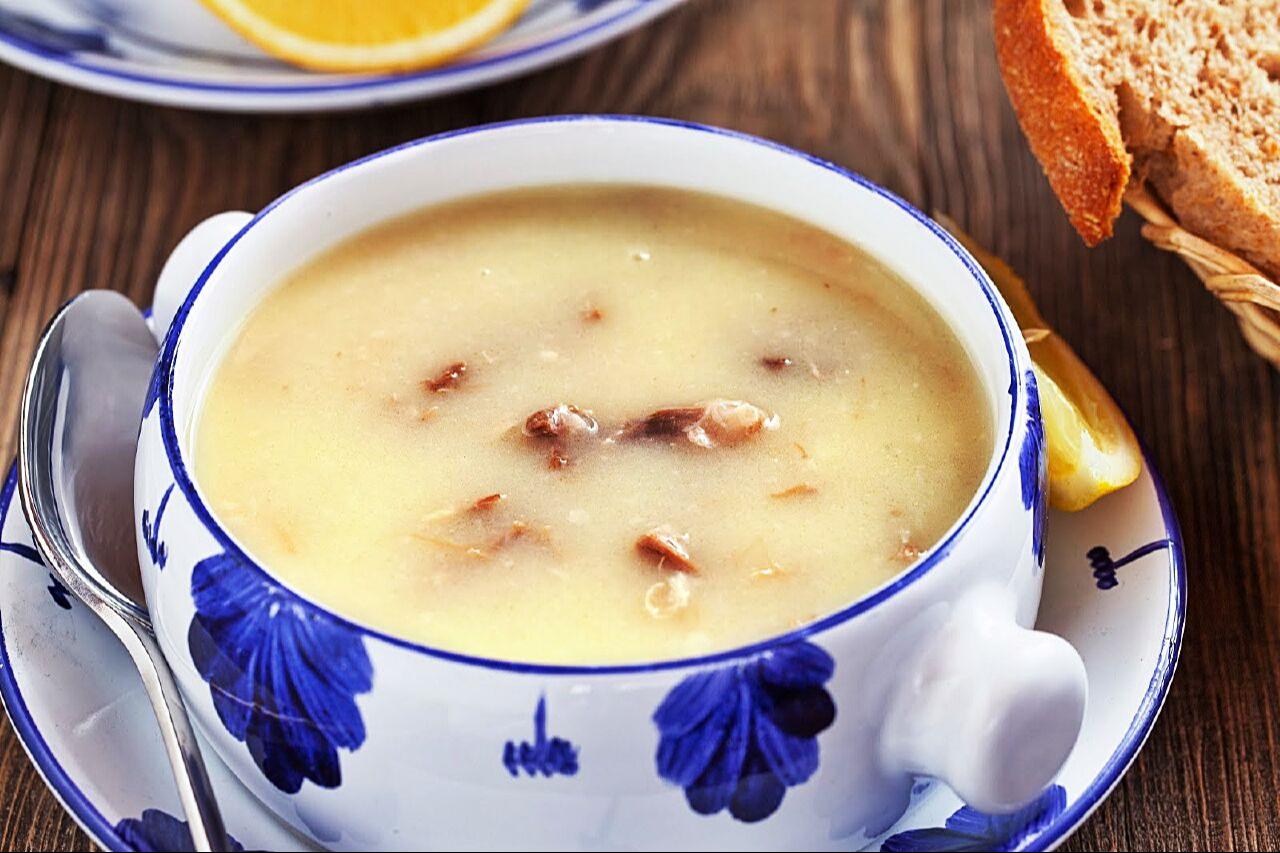
Ingredients
For the dressing:
For topping:
Preparation
Boil the lamb neck gently, skimming foam. Separate the meat and shred. Whisk dressing ingredients. Temper with broth and add slowly to the pot, stirring constantly. Add meat and cook gently. Finish with butter and spices.
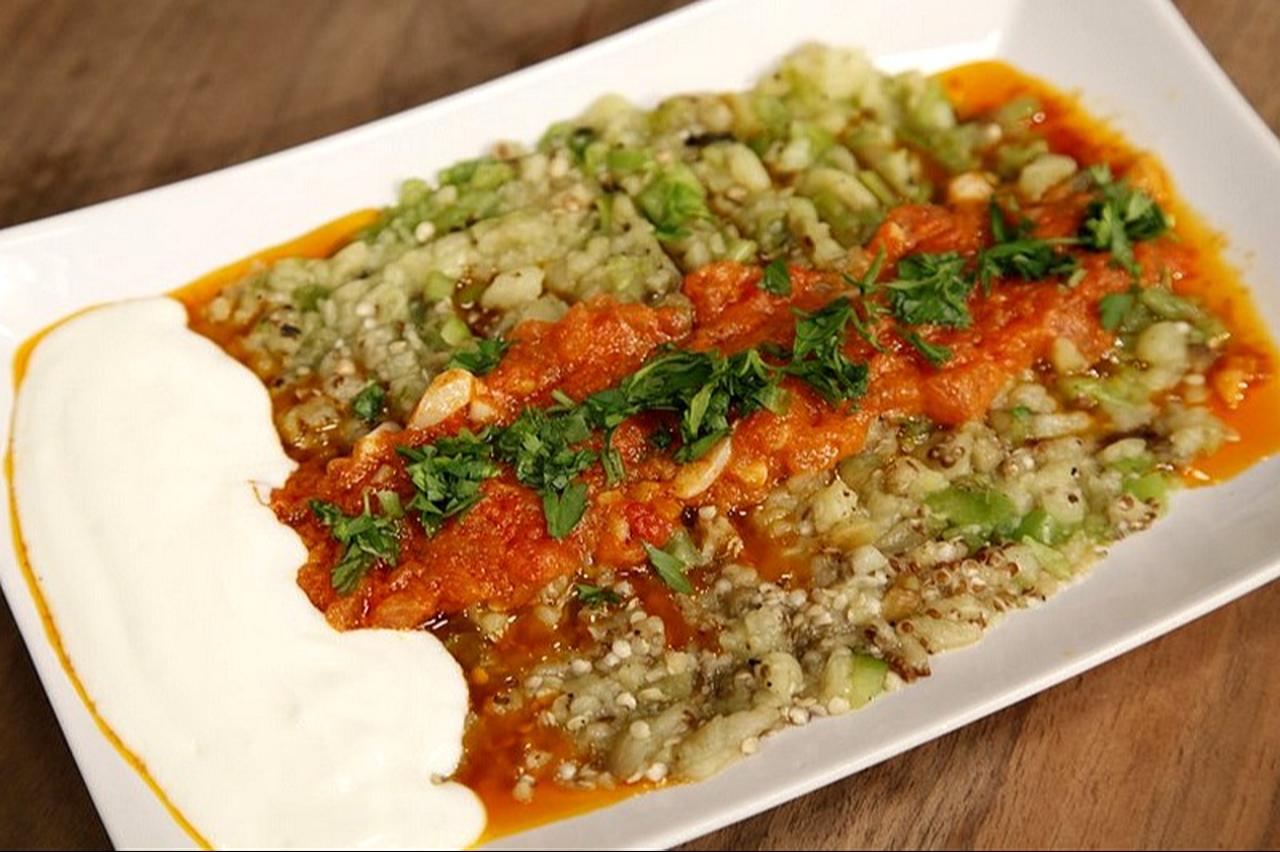
Ingredients
Preparation
Roast eggplants over an open flame, peel and finely chop. Add chopped tomatoes, peppers and parsley. Season with salt. Top with garlic yogurt and drizzle with red pepper oil.


 Set as preferred source
 Set as preferred source


 1 min read
 1 min read