Newsletters


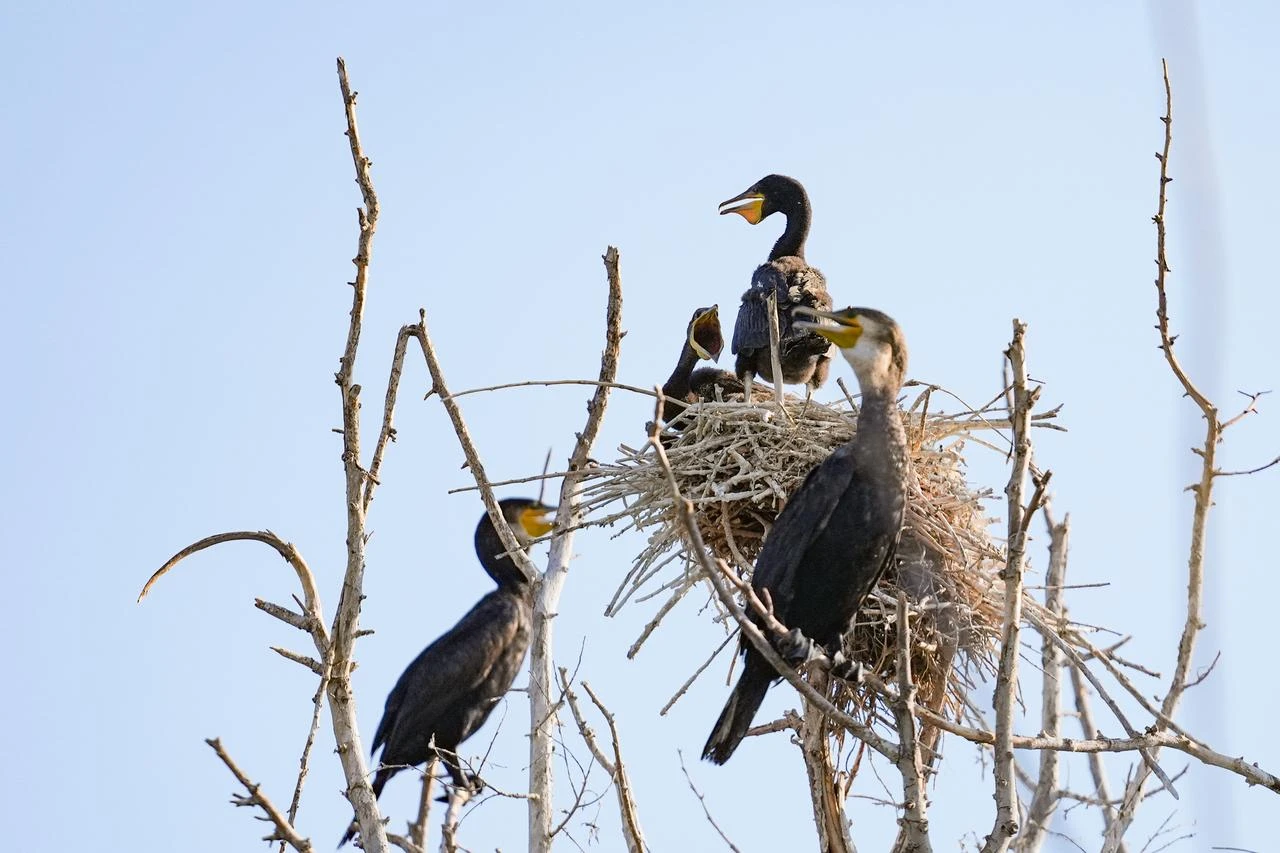


Migratory birds face a growing range of human-caused threats during their seasonal journeys, according to Dr. Ergun Bacak, head of the Hunting and Wildlife Program at Istanbul University-Cerrahpasa's Forestry Vocational School.
Bacak said insulation is essential along the electric lines of the high-speed rail line running from Kucukcekmece, a district on Istanbul's European side, to Edirne, near Türkiye's border with Bulgaria and Greece. He said storks migrate along that line each year.
"More ornithological monitoring studies need to be carried out before electric lines and wind turbines are installed in Thrace, and necessary measures need to be taken in areas that pose risks," Bacak said, referring to the region of European Türkiye bordering Greece and Bulgaria.


Of the roughly 11,000 bird species worldwide, 1,800, or 20%, migrate annually in search of better feeding and living conditions, according to information compiled from various sources. Migratory birds are among the most visible and widely distributed elements of global biodiversity and play a significant role in maintaining ecosystems.
An estimated 51% of migratory bird species are declining worldwide. At least 189 bird species are believed to have gone extinct or vanished from their natural habitats since the 1500s, with migratory species accounting for 4% to 8% of that total.
According to the International Union for Conservation of Nature, 43 migratory bird species are currently critically endangered. Habitat loss and degradation account for 65% of the threat facing species in that category, followed by overhunting, predation by invasive mammals, incidental catch from industrial fishing and poisoning.
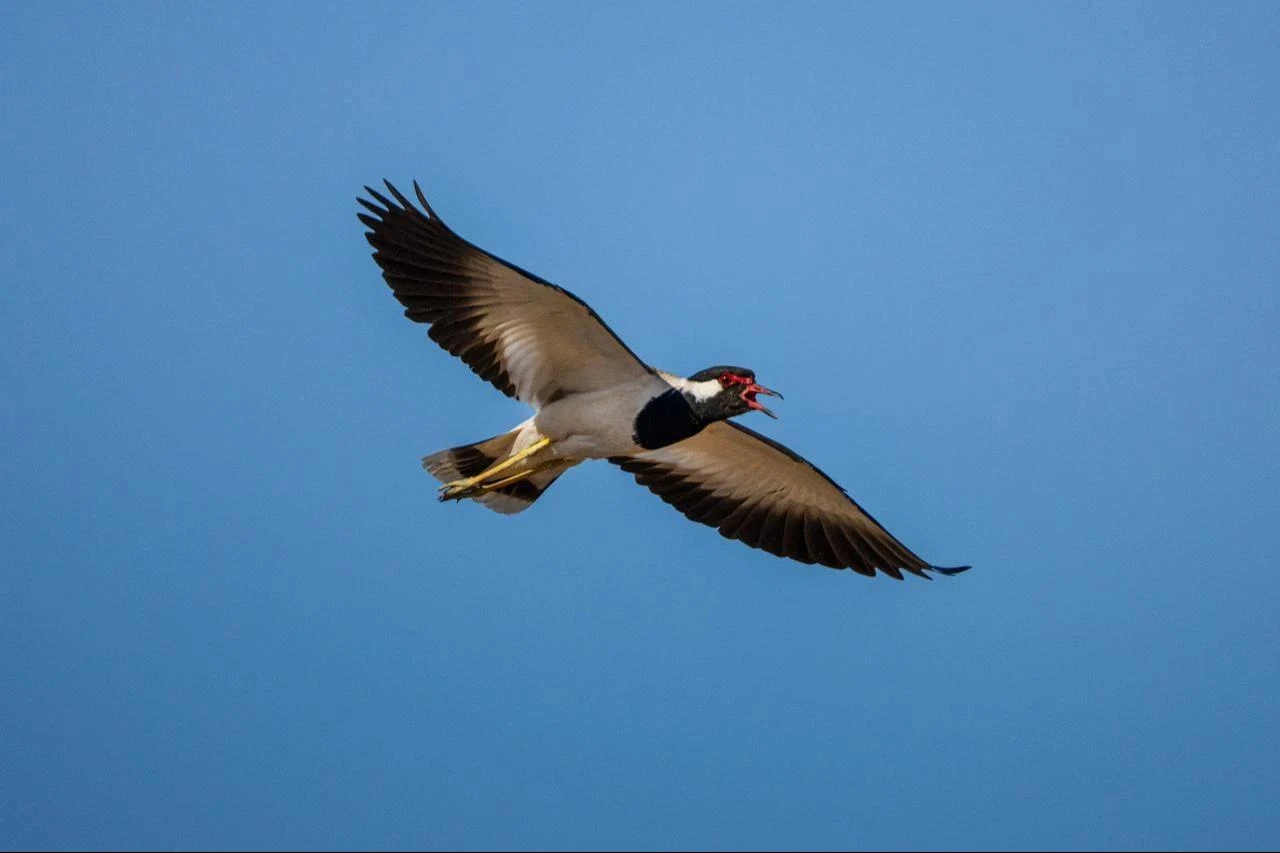
In the United States and Canada, more than 1 billion birds die each year from collisions with buildings, while cat predation causes a similar number of deaths annually, according to comprehensive data available for those countries and for marine migration routes.
Along the East Asian-Australasian flyway, trapping negatively affects 47% of terrestrial bird species, pushing species such as the yellow-breasted bunting and the spoon-billed sandpiper toward critically endangered status.
Hundreds of species are hunted across Southeast Asia, affecting millions of birds, while millions more are illegally hunted or trapped each year across Europe and the Middle East.
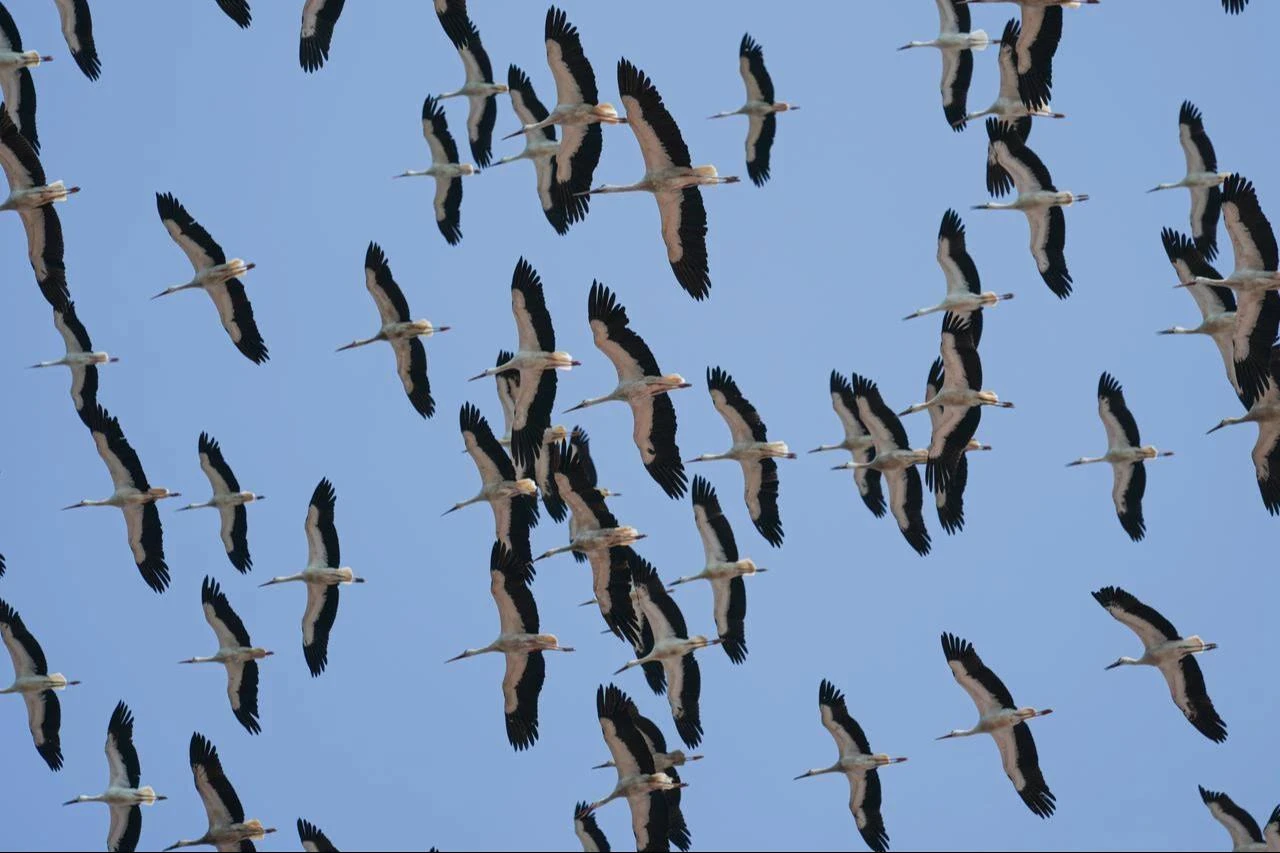
Türkiye, positioned at the intersection of Asia, Africa and Europe, lies along a major migratory route, with millions of birds passing through the country each spring and autumn.
Storks recently died after coming into contact with electrification equipment near Kucukcekmece Lake in Istanbul, prompting Turkish State Railways to launch a scientific study into the issue.
Separately, Yesilirmak Elektrik Dagitim, an electricity distribution company, said it installed 23,000 meters of insulation coating on power lines along bird migration routes in the northern provinces of Samsun, Sinop and Corum over the past two years.
Bacak said storks are increasingly forced to land on power poles because habitat loss leaves them without safe places to roost. "If storks land on the ground, they can fall prey to animals such as jackals and stray dogs, so they prefer to perch somewhere high overnight," he said. "When these birds, which have wide and long wingspans, perch on power poles, they can come into contact with two different electric wires and die of electrocution."
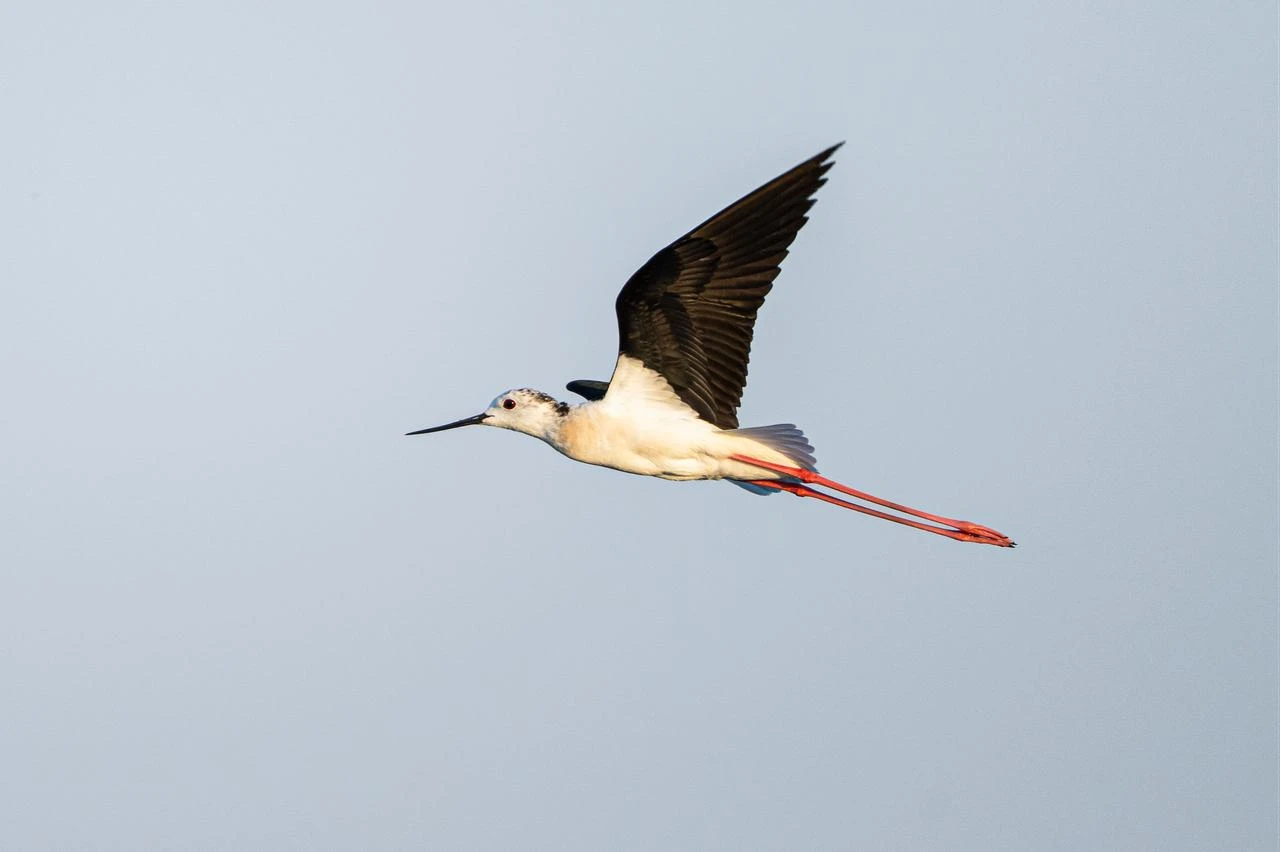
Bacak identified the Bosphorus Strait, which divides Istanbul's European and Asian sides, the Dardanelles Strait near Canakkale in northwestern Türkiye, the Belen Pass in the southern province of Hatay, and the Coruh Valley in the northeastern province of Artvin as particularly high-risk locations, describing them as narrow corridors where soaring migratory birds concentrate in large numbers.
He said construction, wind turbines and power lines in those areas increase risks to birds. Outside Thrace, he said the provinces of Mersin, Hatay and Adana in southern Türkiye report the highest numbers of bird deaths linked to power lines and poles.
Insulation work has also been carried out on power poles in several Thrace villages in recent years to protect storks that nest there, Bacak said, adding that insulation requirements should always be completed when new power lines are built.
Hunting, both legal and illegal, also affects migratory birds, Bacak said. He described the Middle East, including Lebanon and Syria, as among the world's most significant locations for the hunting of raptors and songbirds, adding that similar issues occur in Syria, Iraq, southern Türkiye and Egypt.
Describing migratory birds as a global resource, Bacak said experts should help meet ecological needs and implement protective measures along migration routes.
He said the stork migration season is expected to continue until mid-September, with close to 1 million storks expected to pass through Istanbul during the autumn migration period, at times exceeding 70,000 to 80,000 birds in a single day.


 Set as preferred source
 Set as preferred source



 2 min read