Newsletters


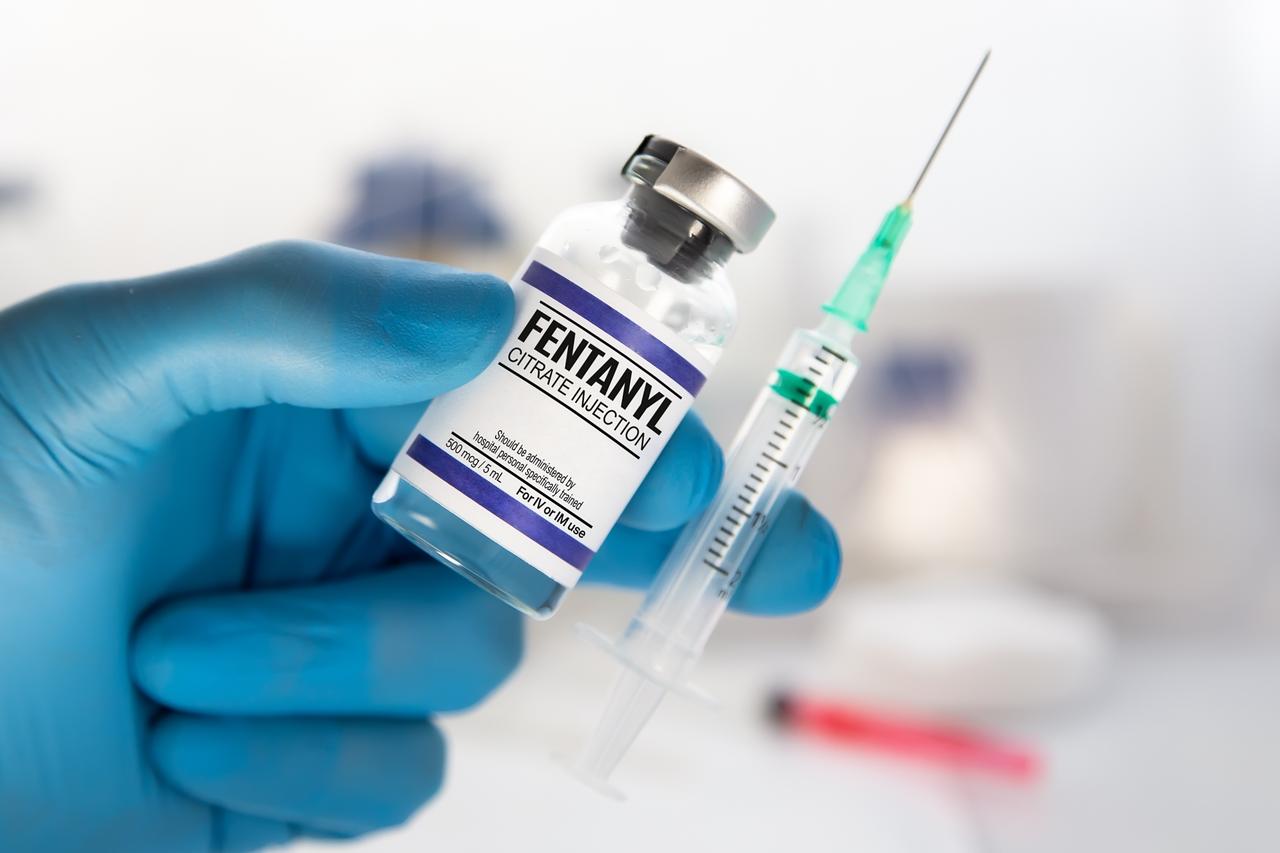


An experimental vaccine designed to block the effects of fentanyl will begin human trials in early 2026, marking a potential shift in how opioid overdose is prevented.
The vaccine, developed by researchers at the University of Houston and licensed by biotech startup ARMR Sciences, will be tested in a Phase I clinical trial in the Netherlands.
The first trial will enroll around 40 healthy adult volunteers and will focus on safety rather than effectiveness.
Researchers will monitor participants for side effects and measure whether the vaccine triggers the production of antibodies that recognize fentanyl. Enrollment is expected to begin in January or February.
Fentanyl is a synthetic opioid that is far more potent than heroin or morphine. Even a dose measured in a few grains can suppress breathing to fatal levels. In the United States, synthetic opioids, mainly fentanyl, are linked to nearly 70% of overdose deaths.
Current overdose responses rely on naloxone, an antidote that reverses opioid effects after an overdose has already begun. The vaccine under development takes a preventive approach.
Instead of acting on opioid receptors in the brain, the vaccine works in the bloodstream. It trains the immune system to recognize fentanyl molecules and bind to them before they reach the brain. Once attached to antibodies, fentanyl becomes too large to cross the blood-brain barrier and cannot trigger euphoria or respiratory suppression.
To achieve this, researchers linked a synthetic fragment of fentanyl to CRM197, a deactivated diphtheria toxin already used in approved vaccines. They also added dmLT, an immune-boosting compound derived from modified E. coli toxins. Neither component is toxic in its vaccine form.
Animal studies showed strong results. In rat experiments, the vaccine blocked fentanyl from entering the brain and prevented the respiratory suppression that leads to overdose. Researchers reported that this protection lasted between about 20 weeks and six months after the initial vaccination series.
“This would be the first treatment that does not work on the opioid receptor,” ARMR chief executive Colin Gage told Live Science, describing the vaccine’s mechanism as a fundamental departure from existing therapies.
The upcoming Phase I trial will proceed in stages.
Researchers will first give participants a series of injections, followed by booster doses. Blood tests will track whether anti fentanyl antibodies develop and persist.
If safety benchmarks are met, later trials will examine effectiveness. In Phase II studies, some participants may receive carefully controlled medical doses of fentanyl under close supervision. This will allow scientists to test whether the vaccine blocks the drug’s effects in real conditions.
Researchers stress that the vaccine remains experimental. Even if early trials succeed, further testing would take years before any regulatory approval.
Developers describe the vaccine as an added layer of protection rather than a standalone solution.
Potential groups who could benefit include:
The vaccine does not block other opioids such as morphine, methadone, or oxycodone. It also does not interfere with buprenorphine, a common medication used in addiction treatment. This means vaccinated individuals could still receive pain relief or continue existing therapies.
There are limits. Antibody levels are finite, and in theory, extremely high doses of fentanyl could overwhelm them. Researchers also emphasize that the vaccine is intended for people who want to stop using fentanyl, not as a way to safely continue use.
In 2024, an estimated 48,000 people died from opioid overdoses in the United States, according to provisional data. Some overdoses occurred among people who did not know they were taking fentanyl.
Clinical trials beginning in 2026 will determine whether the vaccine’s promise in animals translates to humans. If successful, it could become the first preventive medical tool designed to stop fentanyl overdose before it begins, rather than responding after the damage is already underway.


 Set as preferred source
 Set as preferred source




 2 min read