Newsletters


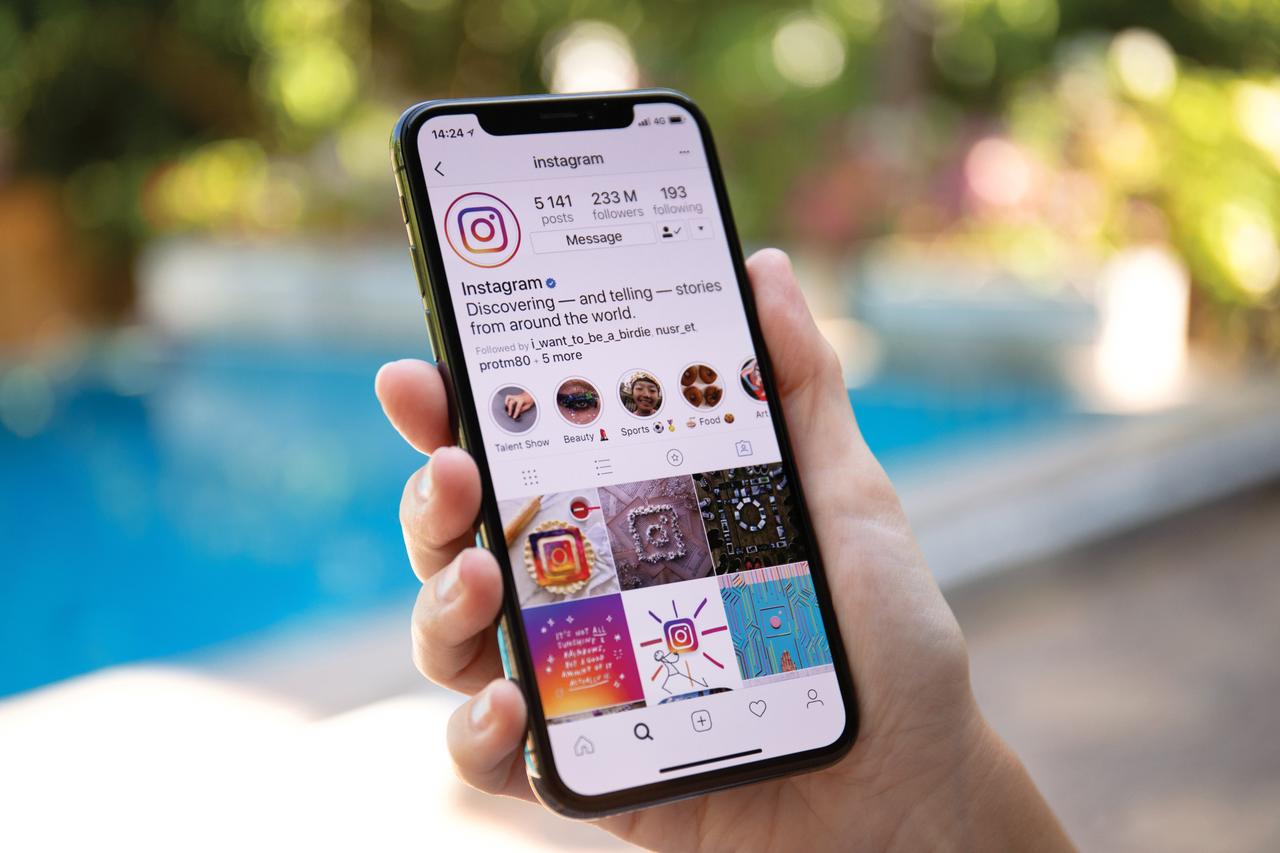


Instagram marks its 16th anniversary on Oct. 6 with more than 3 billion monthly active users and growing scrutiny over data privacy and youth mental health.
Kevin Systrom and Mike Krieger launched Instagram as a photo-sharing app on Oct. 6, 2010. Meta acquired the platform two years later for around $1 billion. Video sharing and direct messages arrived in 2013, followed by short-form Reels in 2020.
India has the largest user base with 480 million active users, followed by the United States, Brazil, Indonesia, Japan, Türkiye, Mexico, the United Kingdom, Germany and Argentina, according to Statista's October 2025 data. About 34% of global users are aged 25-34, while those aged 18-24 make up 27.6% of the user base.
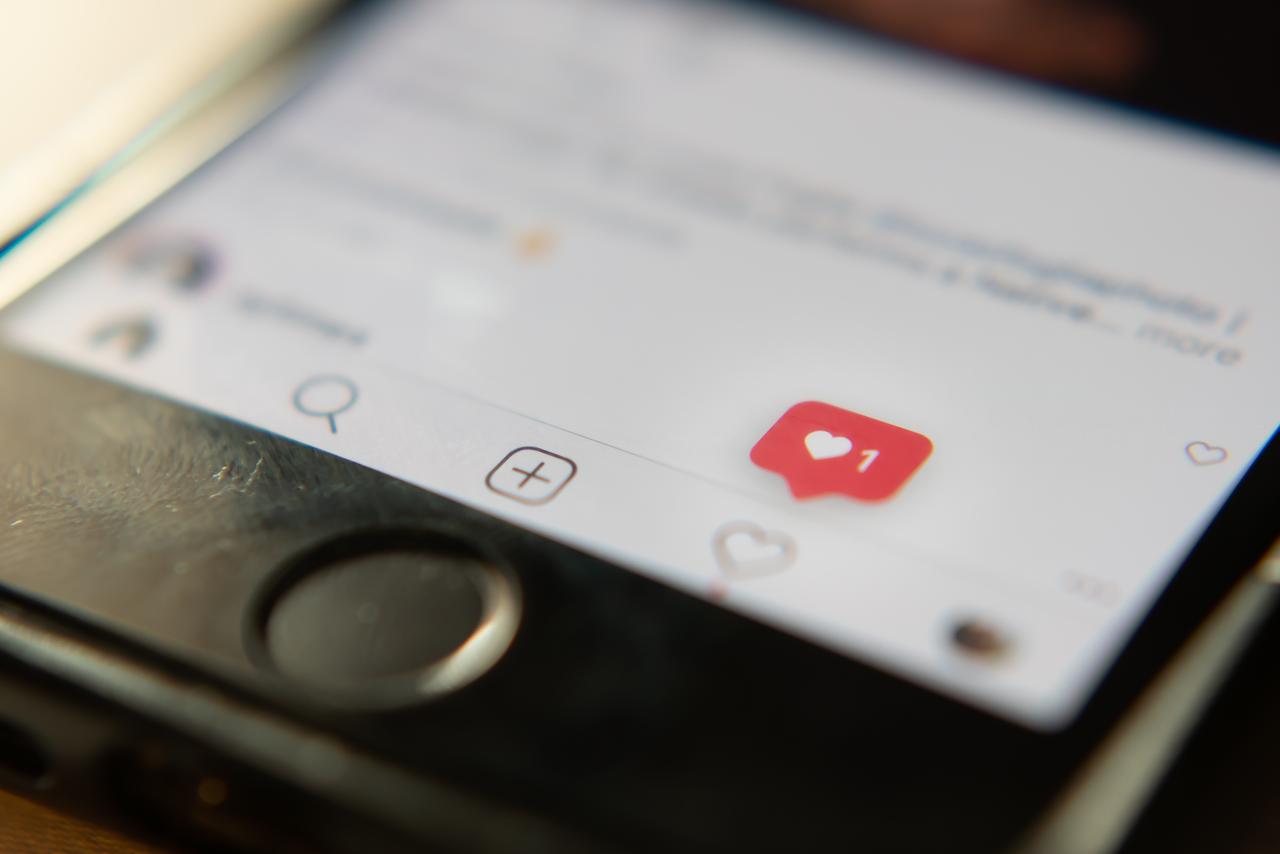

Instagram gave rise to the modern influencer economy, as profiles with large followings can use their demographic reach on the app. In-app shopping features introduced in 2020 created an e-commerce showcase for major brands and independent entrepreneurs.
The platform also faces regulatory and legal pushback worldwide. The Irish Data Protection Commission (DPC) fined Instagram €405 million ($453.6 million) in 2022 for violating EU regulations protecting the personal data of minors. In 2023, some 41 U.S. states sued Meta over allegedly addictive features of the app that harm children's mental health. The dispute led to a settlement in August 2026.
Yasmin Ibrahim, deputy dean of the business school and professor of digital economy at Queen Mary University of London, told Anadolu that Instagram reshaped the relationship between visibility, social interaction and commerce. She said users can turn their routines into marketable assets without a high entry cost.
Ibrahim said users often struggle to tell commercial endorsements apart from genuine social interactions because sponsored products are seamlessly integrated. She said this places influencers in an ambiguous position between friend, celebrity and sales representative.
Ibrahim said the platform's visually driven design leads users to compare their bodies, achievements and unedited realities with the edited and curated lives of strangers. According to Ibrahim, this environment fuels anxieties about not being enough, not consuming enough or not living life to the fullest.
She said content saturation causes attention fatigue, yet users keep returning because of fear of missing out. She added that Instagram integrates ads into social spaces and turns the social sphere into a source of commercial value.


 Set as preferred source
 Set as preferred source


 3 min read