Newsletters


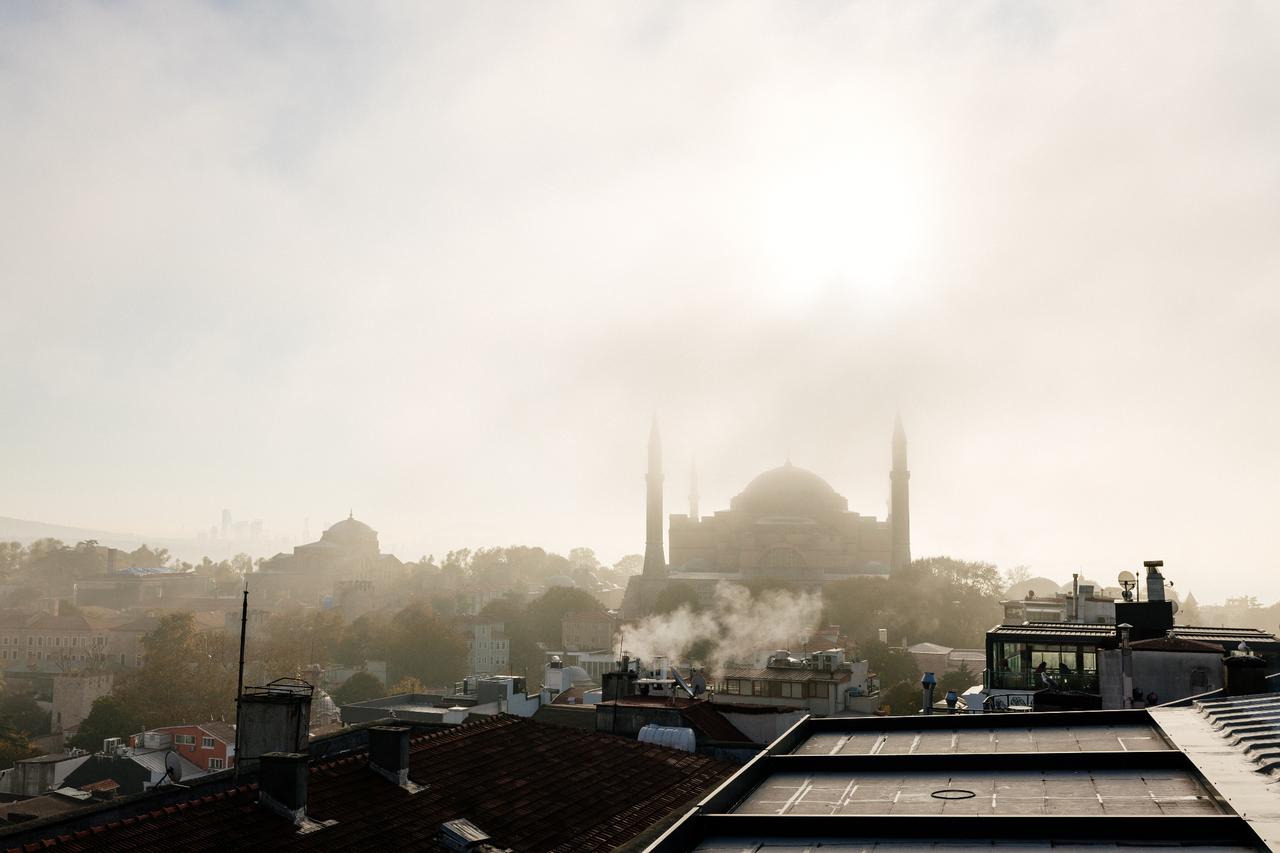


Air pollution levels in Istanbul increased by 23% in April 2026 compared to the same month last year, according to a study conducted by Istanbul Technical University (ITU).
The research, led by Professor Huseyin Toros of ITU’s Department of Climate Science and Meteorological Engineering, analyzed particulate matter (PM10) data collected from air quality monitoring stations operated by the Istanbul Metropolitan Municipality and the Ministry of Environment, Urbanization and Climate Change.
Findings show that the average concentration of particulate matter (PM10) across 25 monitoring stations reached 34.1 micrograms per cubic meter (µg/m³) in April 2026, up from 27.7 µg/m³ recorded in April 2025.
The data indicate a clear deterioration in air quality across the city, with significant variation between districts.
The highest PM10 concentrations were recorded in:
The lowest levels were observed in:
The study found that air pollution increased in 19 monitoring stations, while 6 stations recorded declines.
The sharpest increases were observed in Sariyer, with a rise of 139% and Arnavutkoy, which recorded an increase of 138%. Kagithane also registered a substantial increase.

Conversely, improvements were recorded in several districts, including Kartal, where pollution levels decreased by 26%, Esenler with an 18% decline and Sultangazi 1 with a 6% reduction.
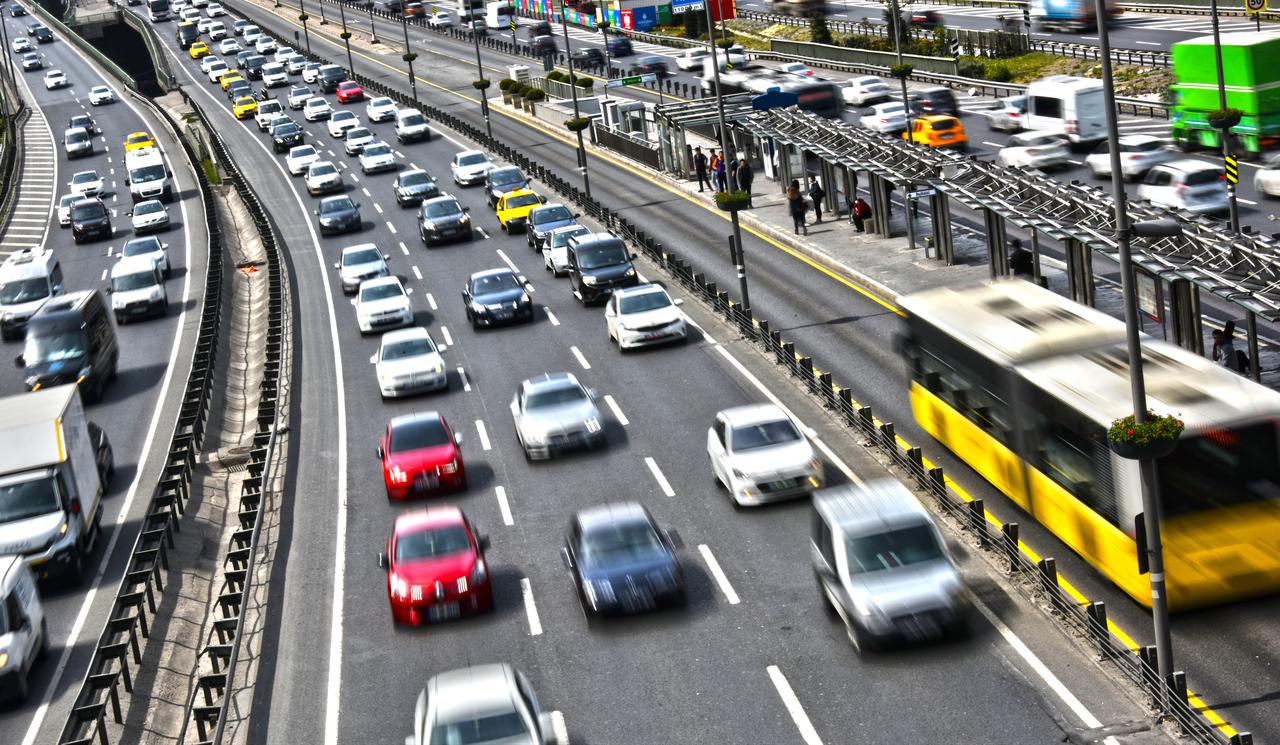
According to Toros, major contributors to air pollution in Istanbul include heavy road traffic, industrial activity, and residential heating in certain areas. He noted that the city has more than 6 million registered vehicles, and stop-and-go traffic conditions significantly increase emissions.


 Set as preferred source
 Set as preferred source



 3 min read