

 Newsletters


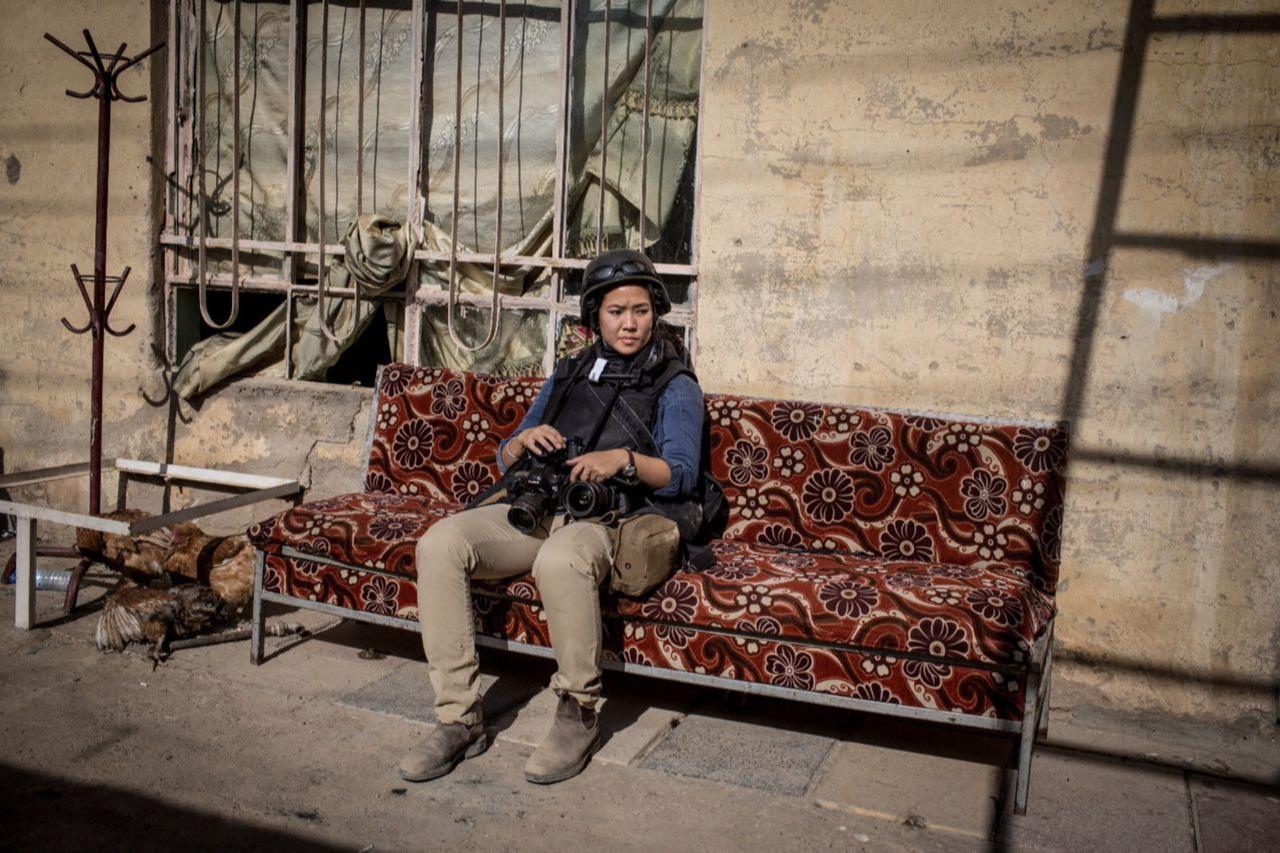


Istanbul Photo Awards 2026 brought forward some of the most striking visual accounts of global crises, with jury member Nicole Tung emphasizing that this year’s entries reflected both widely covered conflicts and stories that often go unnoticed.
Tung said the contest stood out for the strength and impact of its submissions, noting that even at the early stages of judging, many images immediately conveyed powerful narratives from across regions such as Gaza and Sudan.
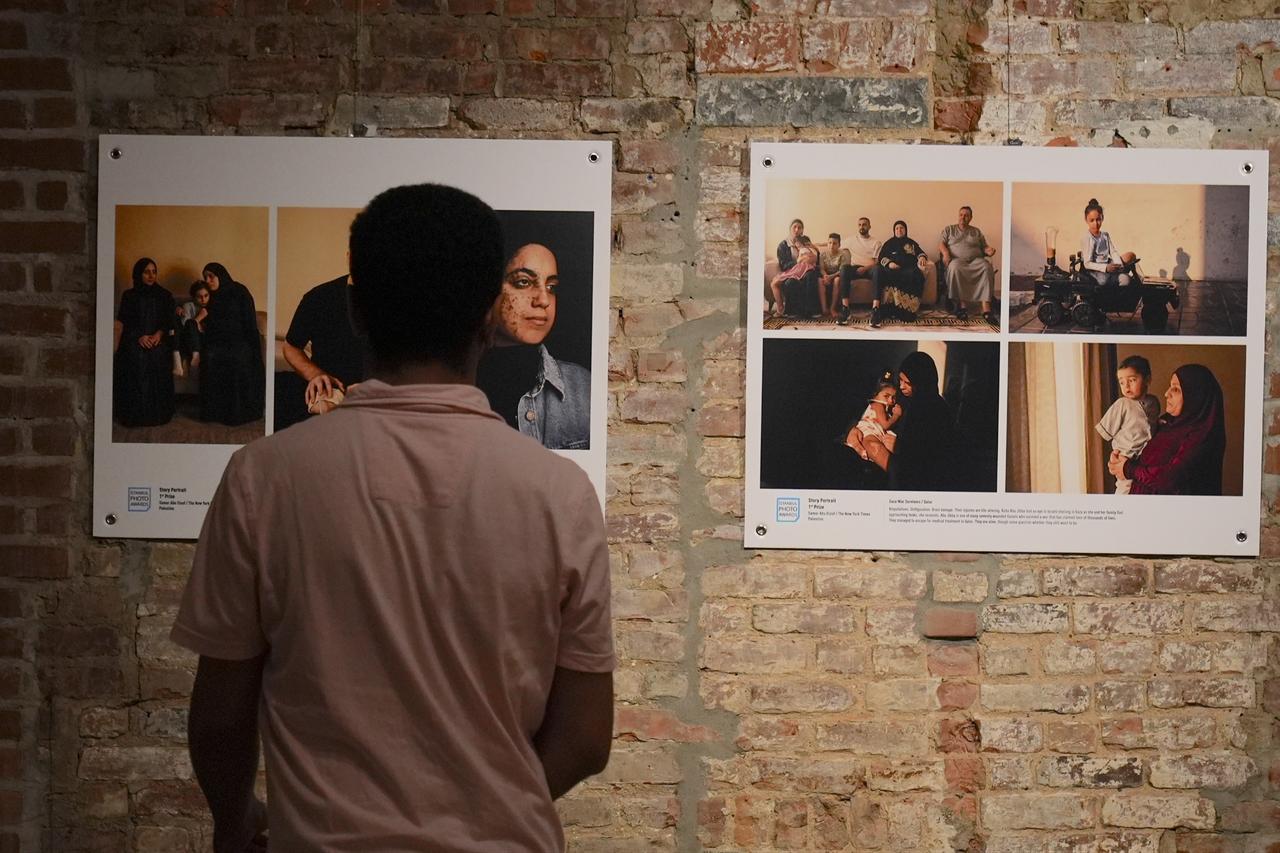
One of the most prominent themes, Tung explained, was Gaza, where photographers documented not only the war itself but also worsening humanitarian conditions, including hunger and limited access to aid.
She stressed that the Photo of the Year clearly captured the severity of the situation, describing it as an image that defined 2025 and reflected how serious conditions had become. The photograph, which depicts an emaciated child held by its mother, stood out for both its subject and composition, reinforcing its emotional impact.
While the image is described as shocking, Tung underlined that it maintains dignity, avoiding exploitation while still conveying the gravity of what she called a man-made catastrophe.
Drawing on her experience covering conflict zones, Tung said impactful photography depends on the ability to tell a story while also conveying emotion and intent. A single image, she noted, should stand on its own, offering viewers immediate insight into a situation and its human dimension.
At the same time, she pointed out that photo story categories are judged differently, with greater emphasis placed on how images are sequenced. According to Tung, a successful series must flow logically from beginning to end, rather than appearing as unrelated images grouped together.
Among the award-winning works, Tung highlighted a second-prize single news image from Hong Kong as particularly striking. The photograph shows a man in shock against the backdrop of burning buildings following a deadly fire.
She noted that the image resonated deeply with her, partly due to her personal connection to Hong Kong, and because such disasters are rare in the city. The photograph was seen as capturing not only the immediate aftermath but also a broader sense of shock among residents.
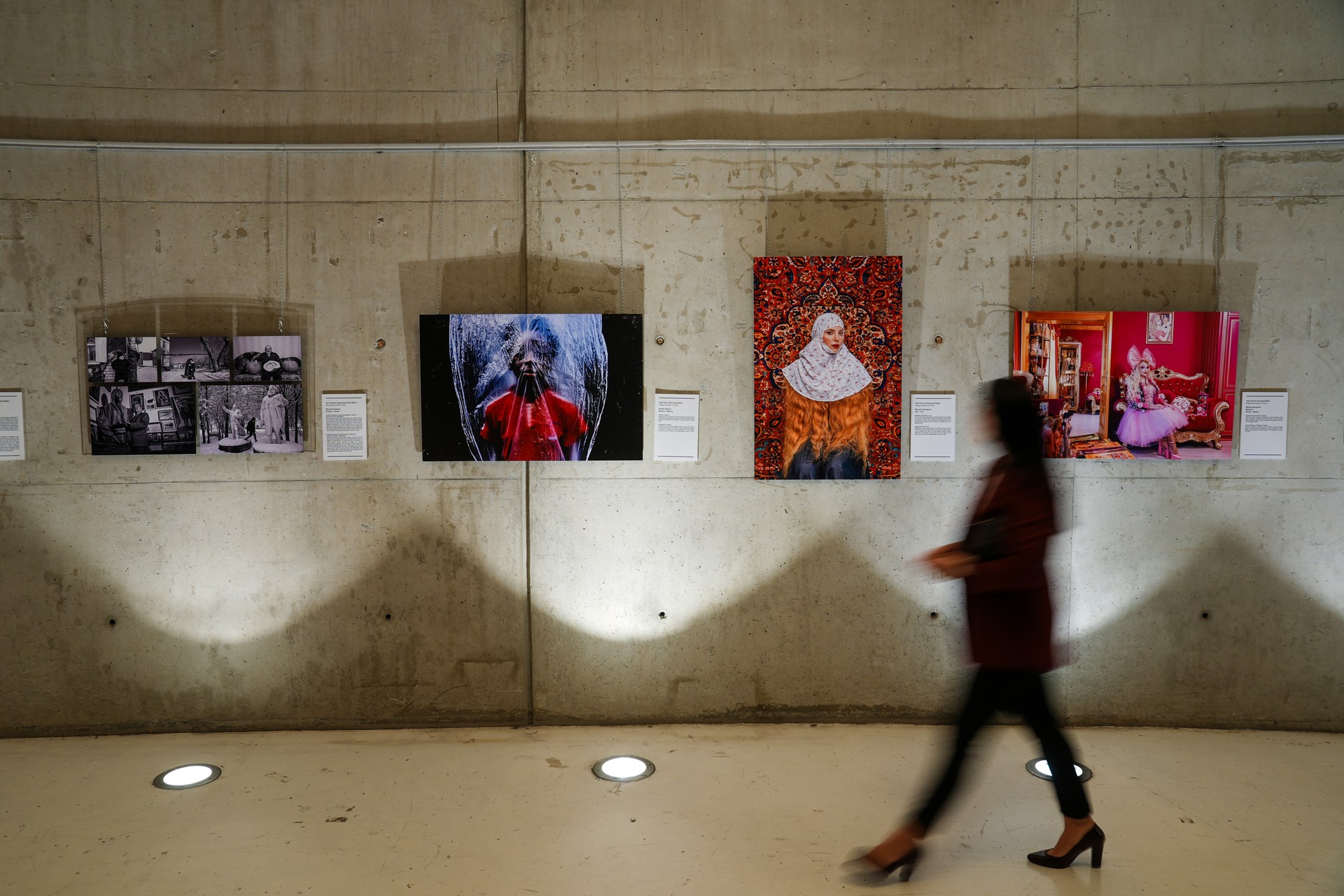
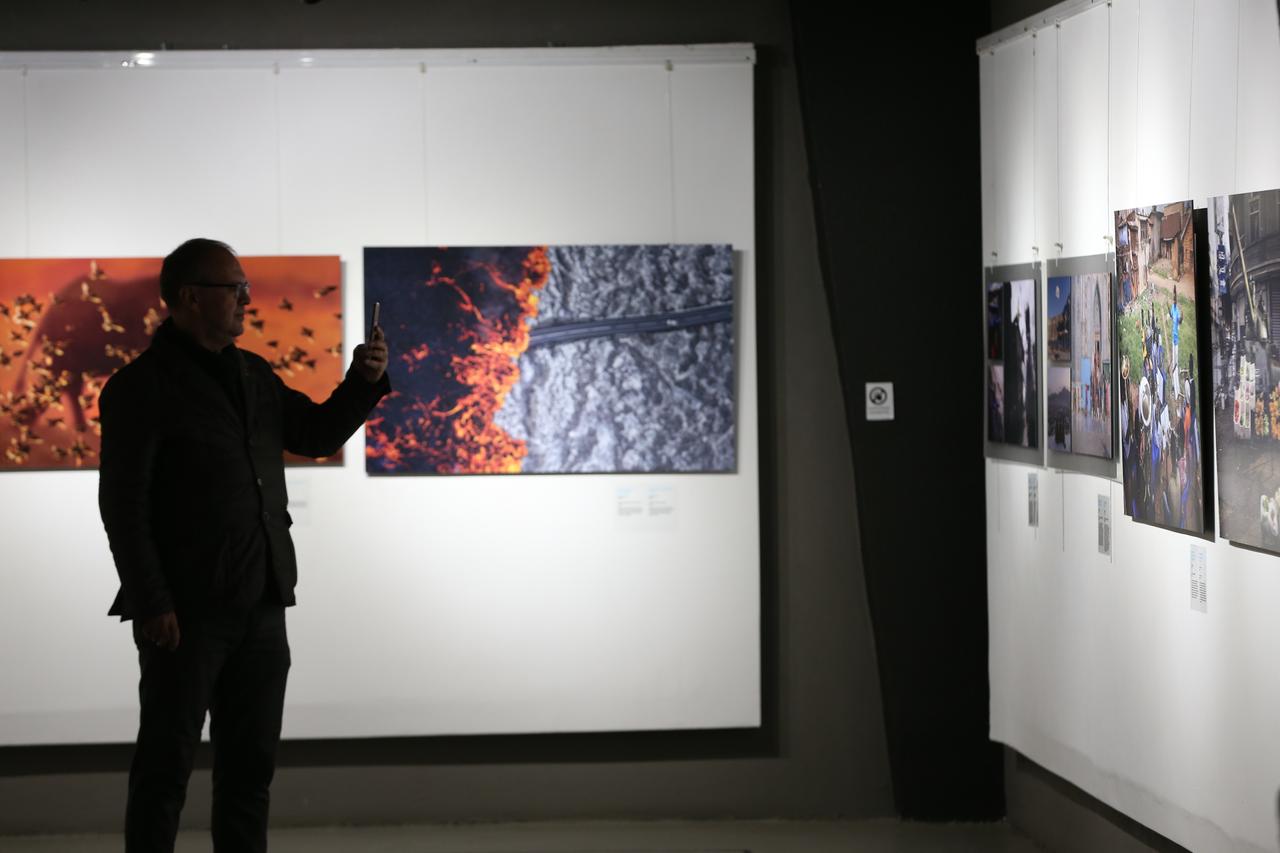
Tung said photography competitions such as Istanbul Photo Awards play a key role in preserving the context of major events while also drawing attention to stories that may receive limited coverage.
She pointed to Sudan as an example, referencing an award-winning image by Giles Clark that highlighted a crisis with restricted access and limited international visibility. According to Tung, this is where such contests are most effective, helping audiences catch up on events they may have missed during a busy news cycle.
She added that these platforms also showcase the work of photographers operating under extremely difficult conditions, often documenting ongoing hardships that do not always receive sustained attention.
 1 min read
Tung also emphasized the importance of recognition for freelance photographers, describing them as essential to the industry. In an increasingly competitive environment, awards provide validation for work that is often produced without institutional backing.
She noted that photographers themselves tend to be the most critical judges, as their field experience allows them to interpret not only what is visible in an image but also what lies beyond the frame.
The jury process, which included figures such as Carol Guzy and Muhammed Muheisen, offered opportunities for exchanging perspectives and refining evaluations.
Since its launch in 2014, Istanbul Photo Awards has grown into a major international platform, drawing participation from thousands of photographers and contributing to the field through exhibitions and published collections.
Tung concluded that the awards not only recognize outstanding work but also encourage photographers to reflect on their efforts and continue documenting difficult realities, reinforcing the role of visual storytelling in shaping public understanding.


 Set as preferred source
 Set as preferred source


 1 min read


