Newsletters


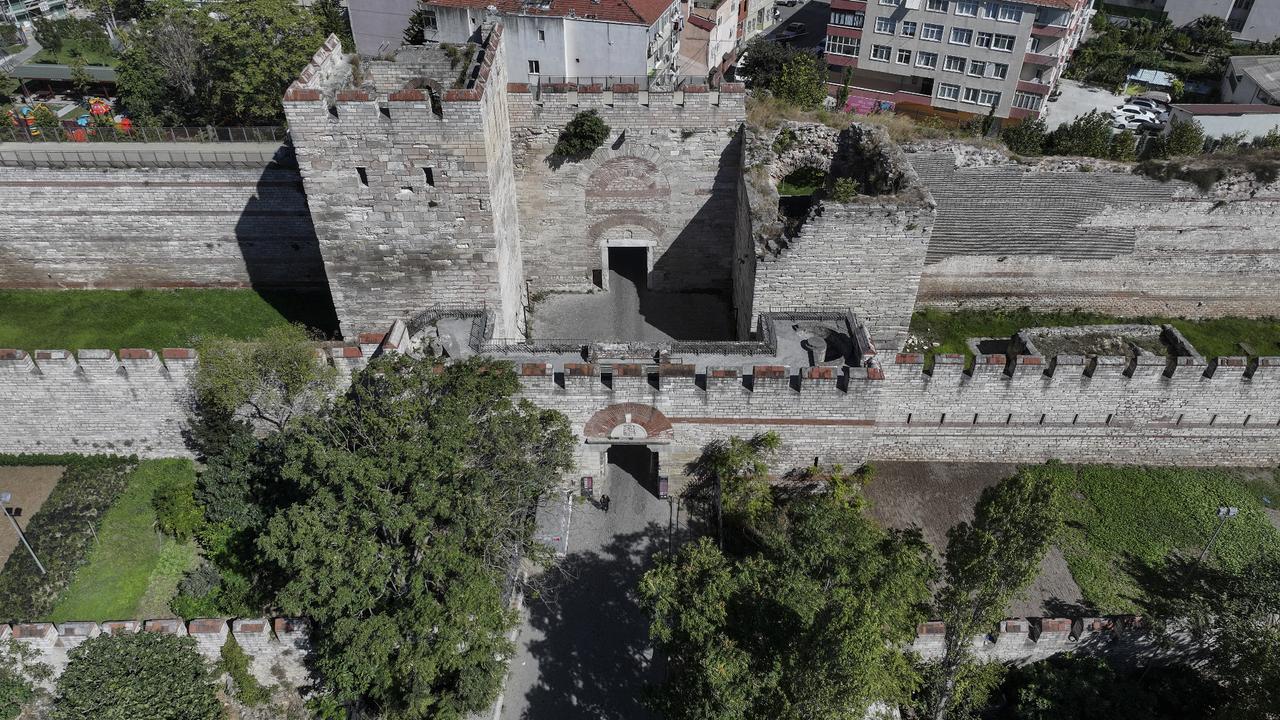
Istanbul's 11 historic gates, including Edirnekapi, Topkapi, Silivrikapi, Mevlanakapi, Sulukule Gate, Belgradkapi, Yedikule Gate, Altinkapi, Cibalikapi, Ayakapi and Egrikapi, carry the traces of every civilization from Rome and Byzantium to the Ottoman Empire and the Republic.
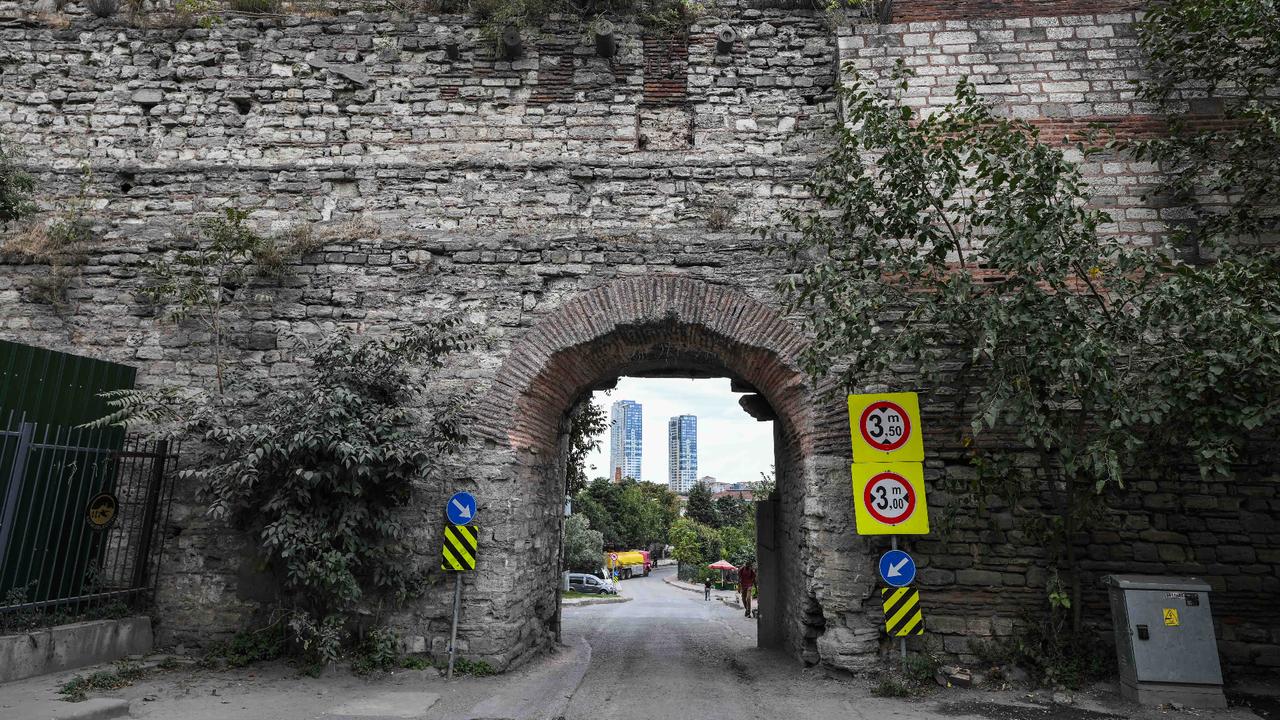
Built as important parts of the land walls constructed during the reign of Theodosius II, the gates regulated entry to and exit from the city, directed trade and hosted ceremonies in different periods.
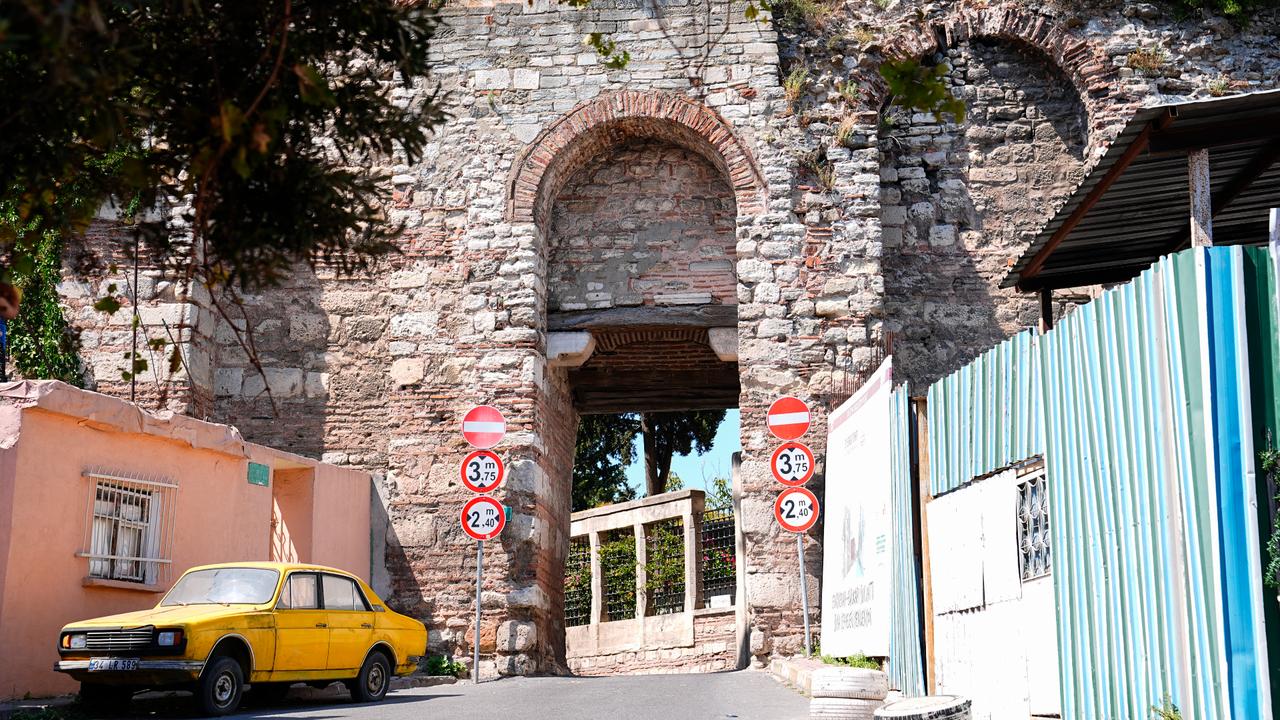
Edirnekapi is remembered as the gate through which Sultan Mehmed the Conqueror entered the city with his army after performing prayers at Hagia Sophia following the conquest, while the walls near Topkapi were battered by imperial cannons during the siege.
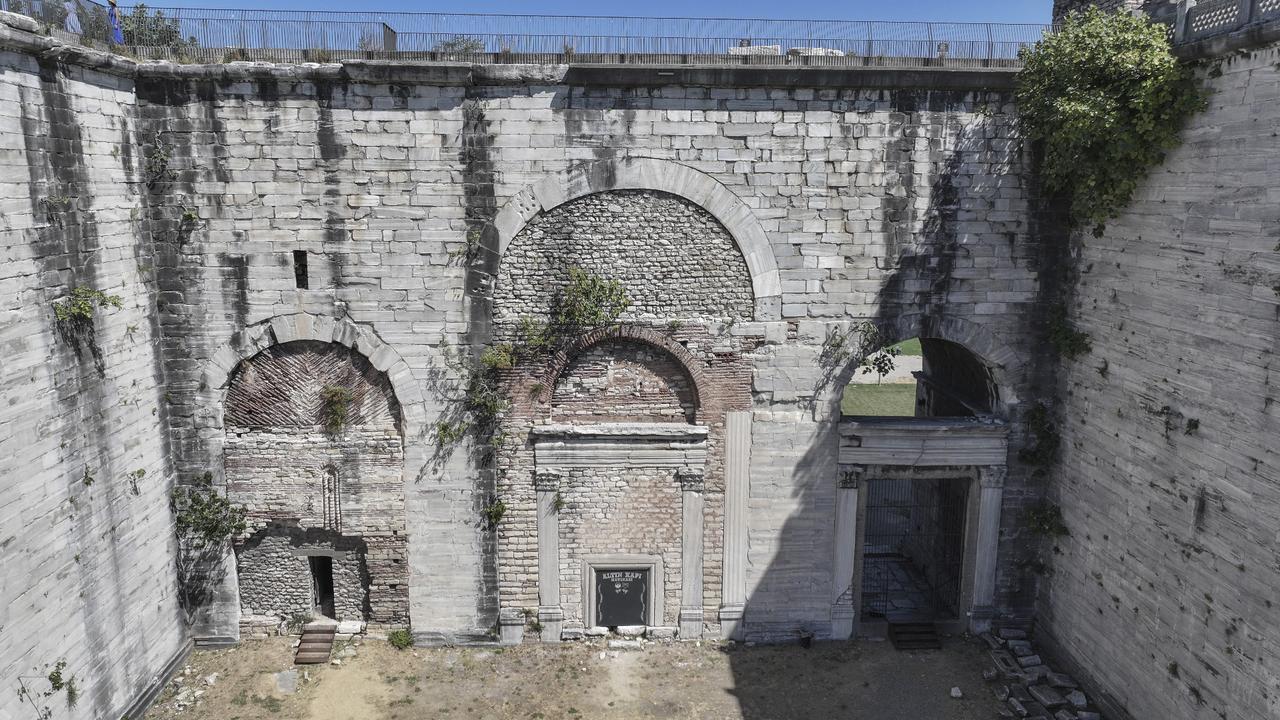
Altinkapi, the magnificent gate through which Byzantine emperors entered the city in victory processions, took on an entirely different identity in the Ottoman period when it became part of the Yedikule Fortress.
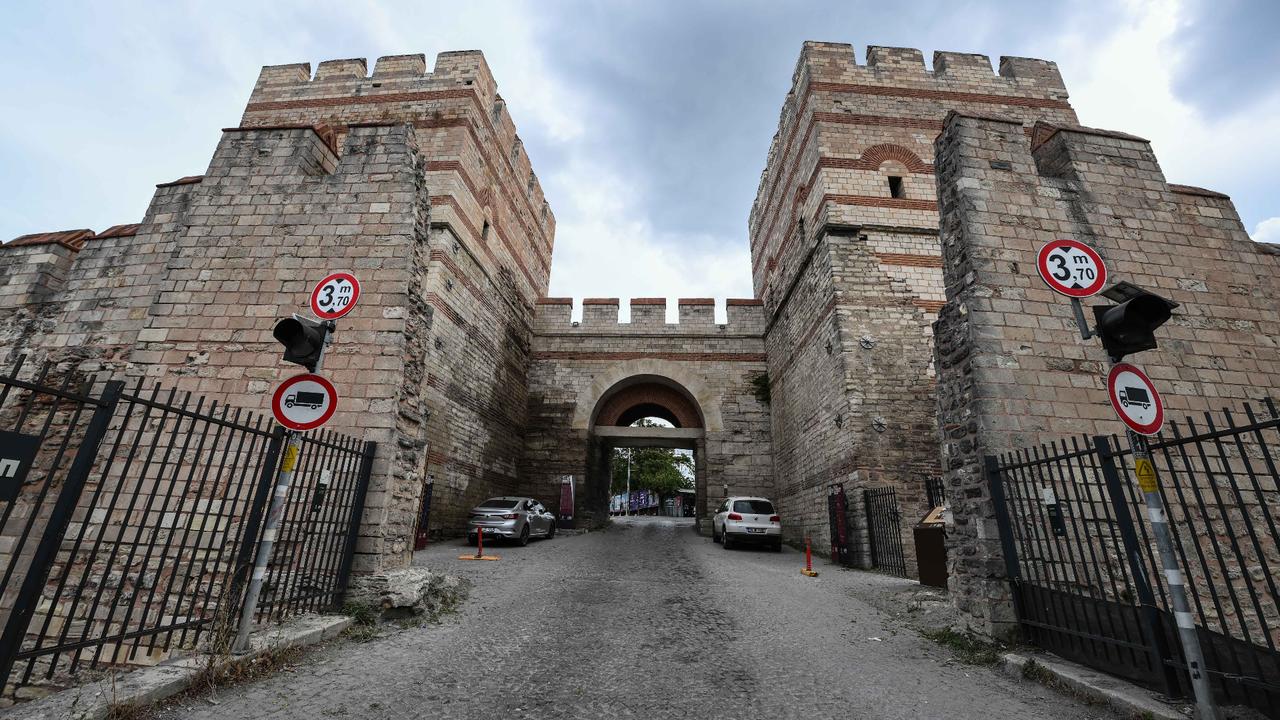
Several gates owe their names to the people and places around them, as Belgradkapi is named after settlers from Belgrade placed in the area during the Ottoman period, and Mevlanakapi takes its name from the nearby Yenikapi Mevlevi Lodge, a Sufi religious center.
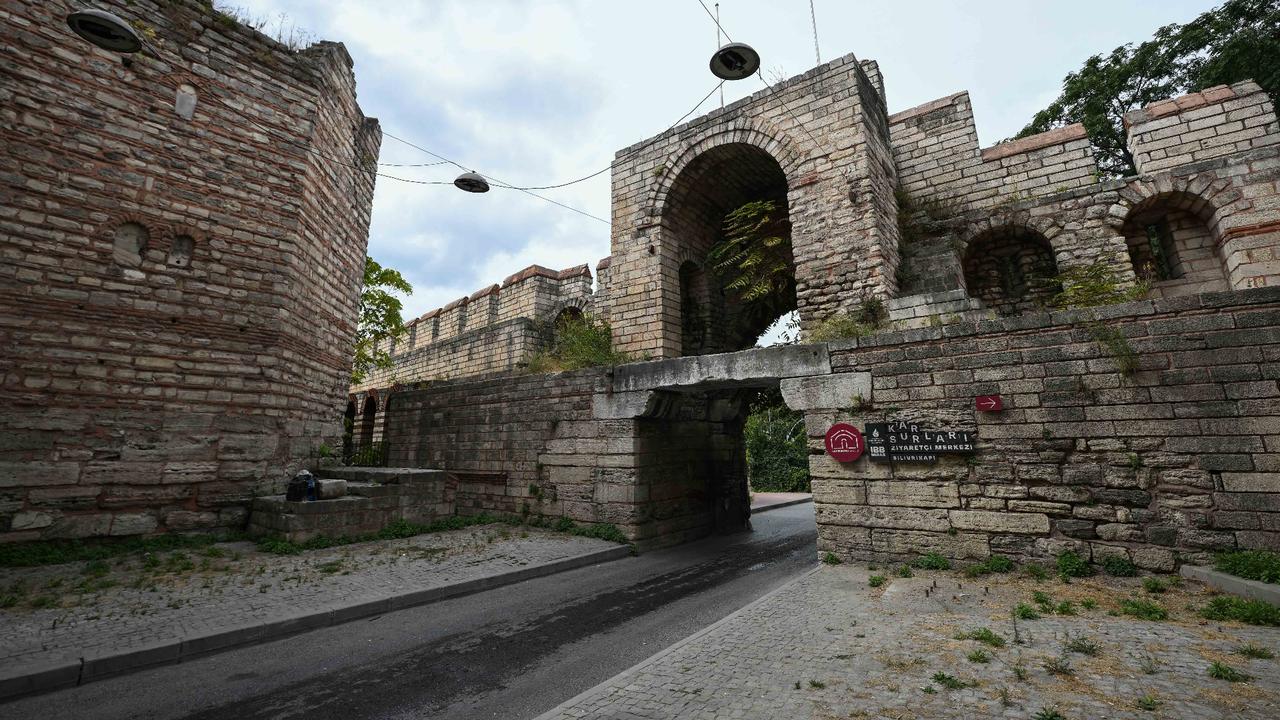
Silivrikapi played an important role in Istanbul's commercial life for centuries as one of the entry points for goods arriving from Rumelia, the name used for the Ottoman Empire's European territories.
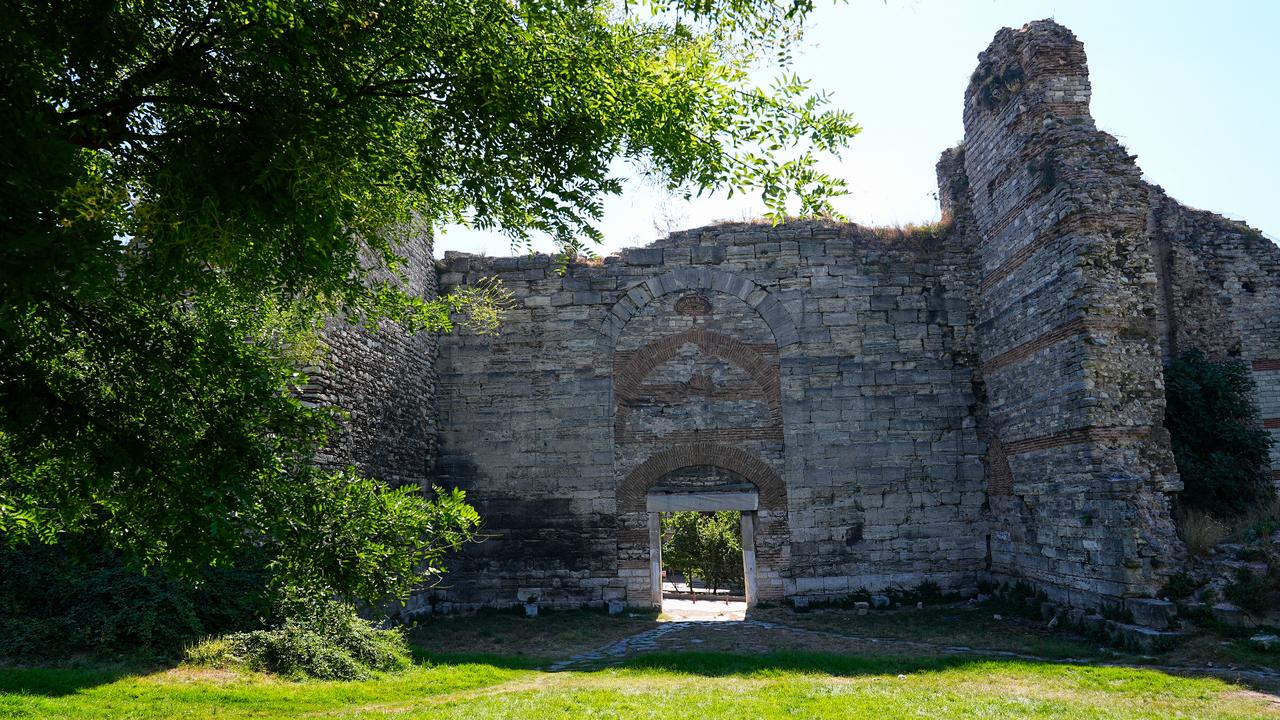
Sulukule Gate holds a special place in accounts of the conquest, standing out as one of the most vulnerable points of the walls.
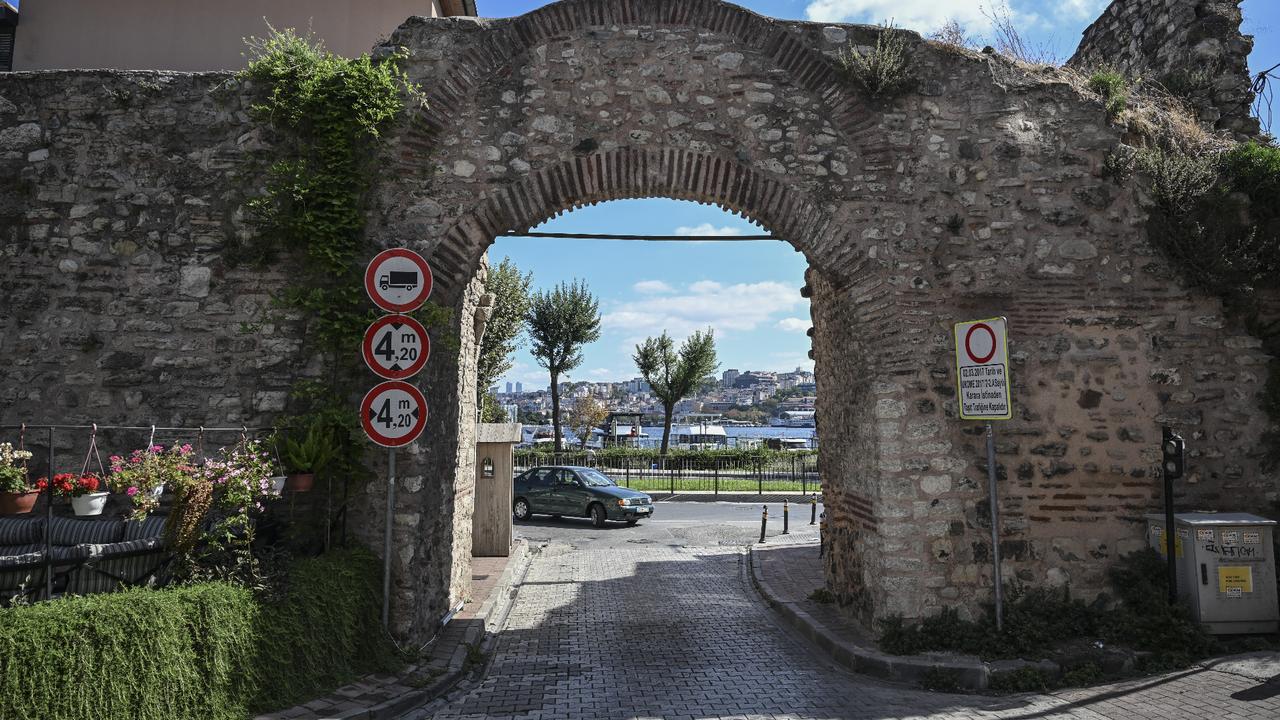
Cibalikapi, which takes its name from Cebe Ali, one of the notable figures of the conquest, has connected the city to the sea throughout a history of roughly 1,800 years.
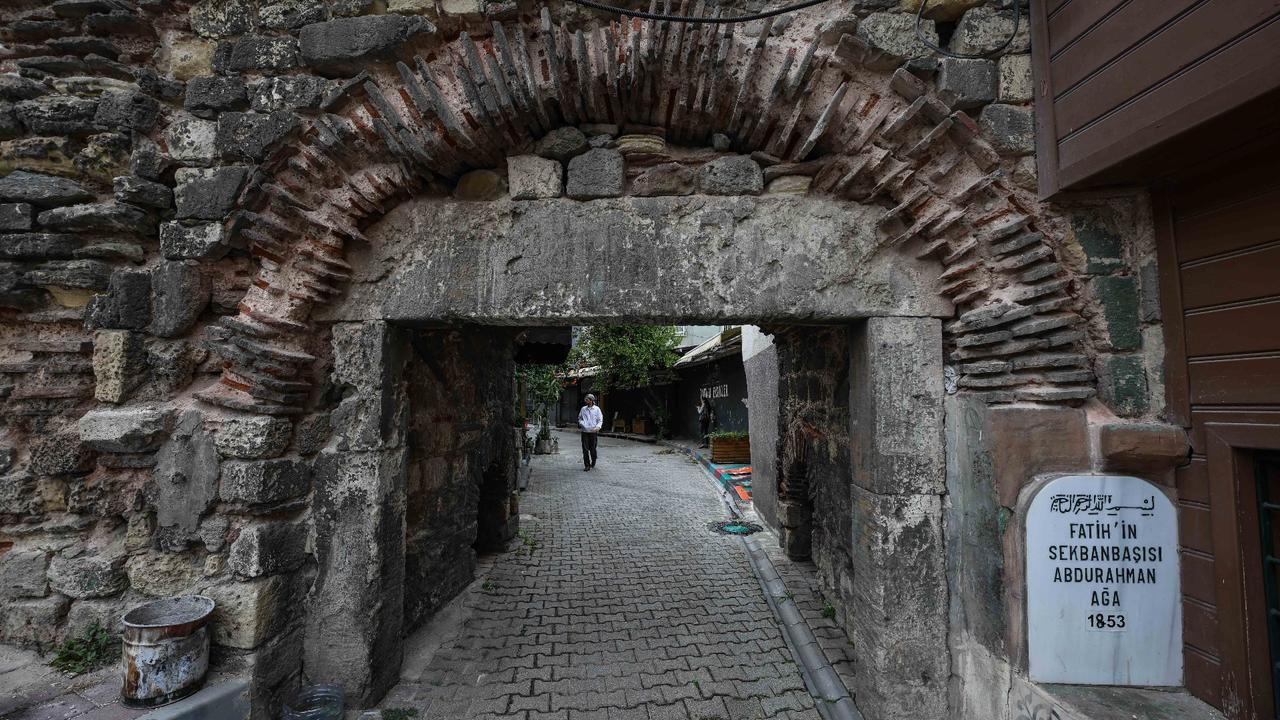
Ayakapi on the Golden Horn shore and Egrikapi in the northern walls are among the structures that carry the traces of life between Istanbul's coastline and its land walls to the present day.
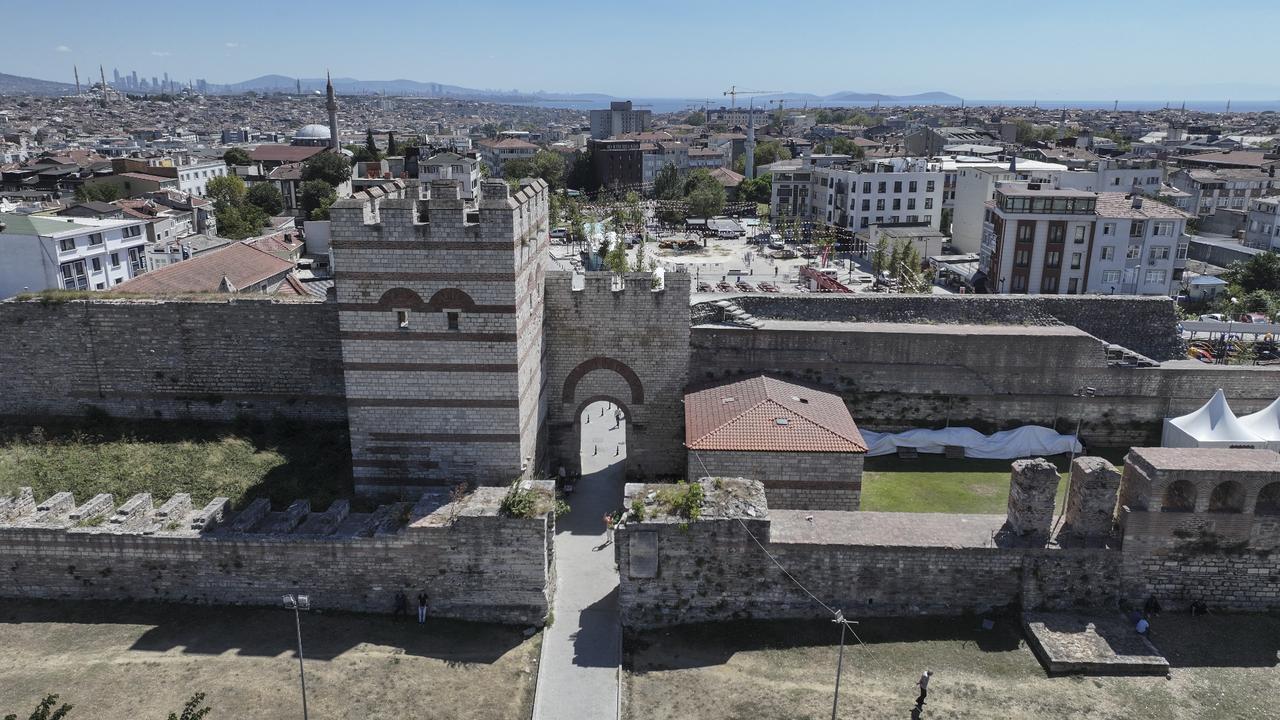
The gates are registered structures under conservation boards, meaning every repair or event requires permission, a mechanism local officials describe as key to their survival, while the city hosts 18 million visitors a year, with hundreds of thousands of people walking around the Historic Peninsula every day.

 6 min read
 1 min read


 Set as preferred source