

 Newsletters


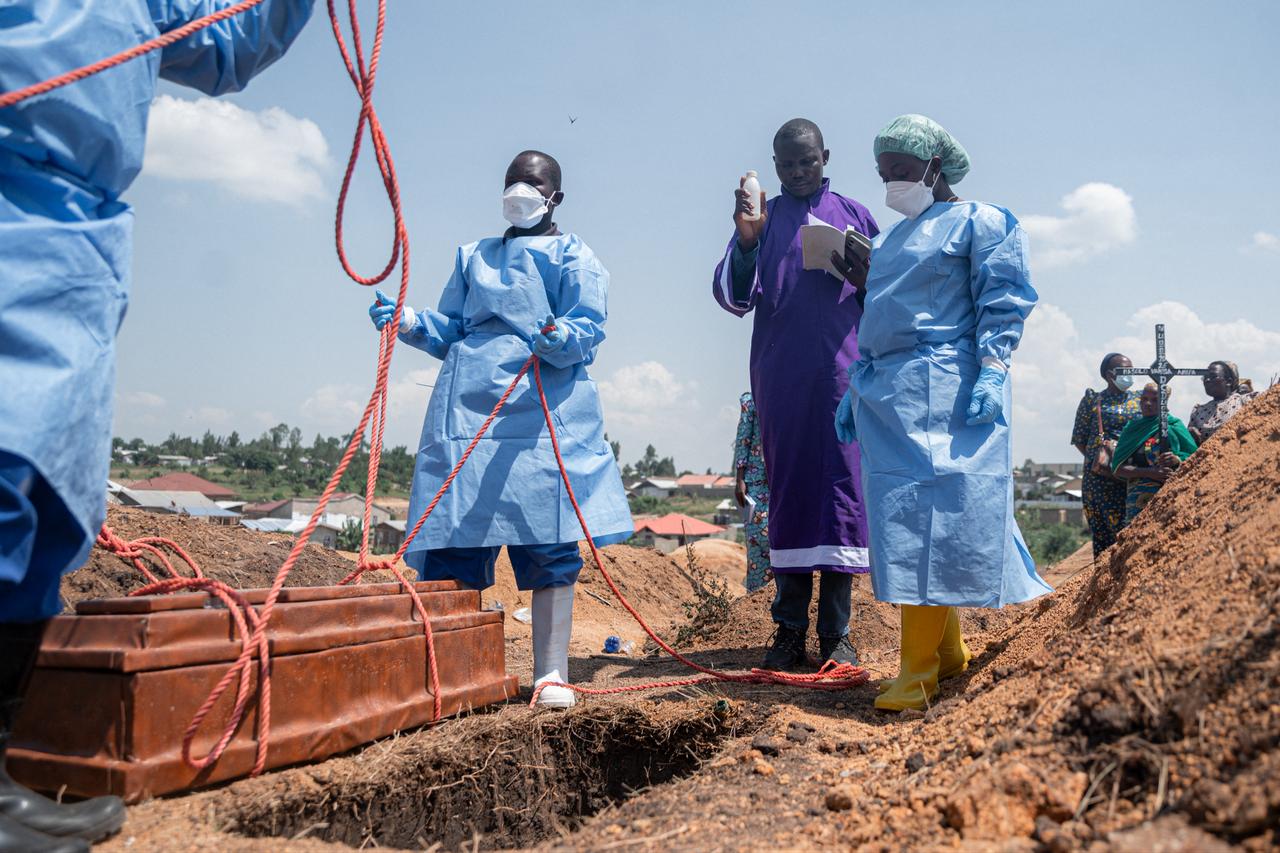


Japan announced $3.5 million in emergency grant aid to help contain a fast-spreading Ebola outbreak in the Democratic Republic of Congo and Uganda, as confirmed cases in DR Congo have moved beyond 1,000.
Foreign Minister Toshimitsu Motegi said Monday that the assistance would be delivered through international organizations to meet urgent humanitarian needs linked to the outbreak, which has spread across parts of Central and East Africa since mid-May.
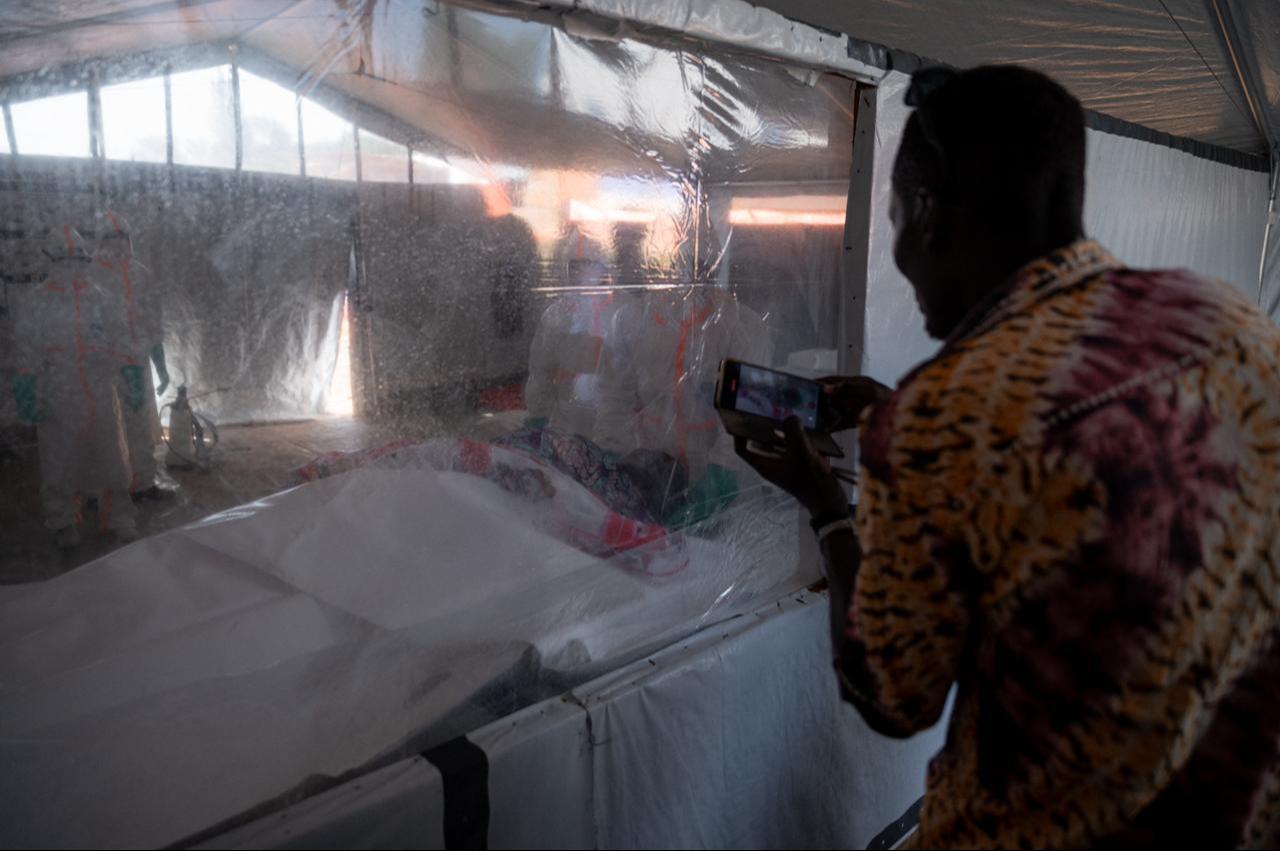

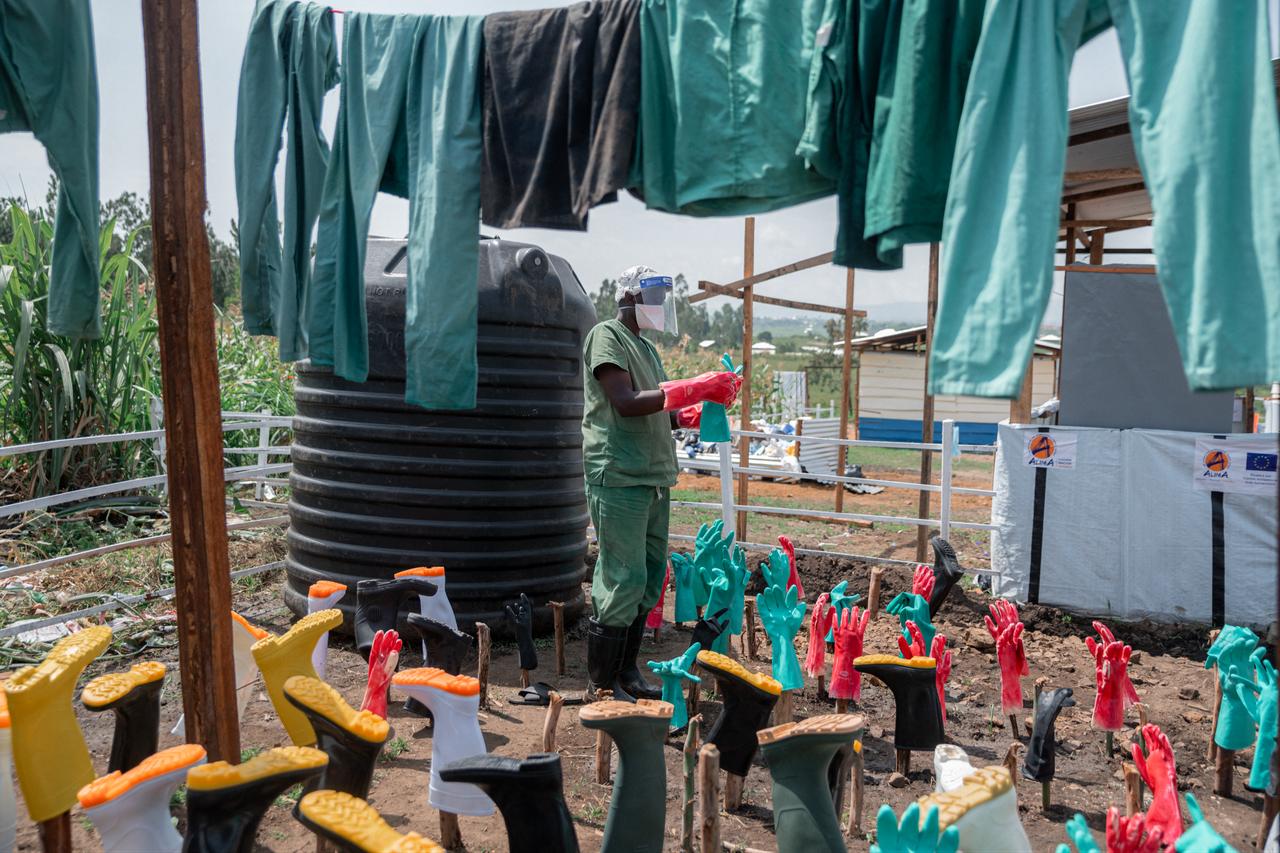
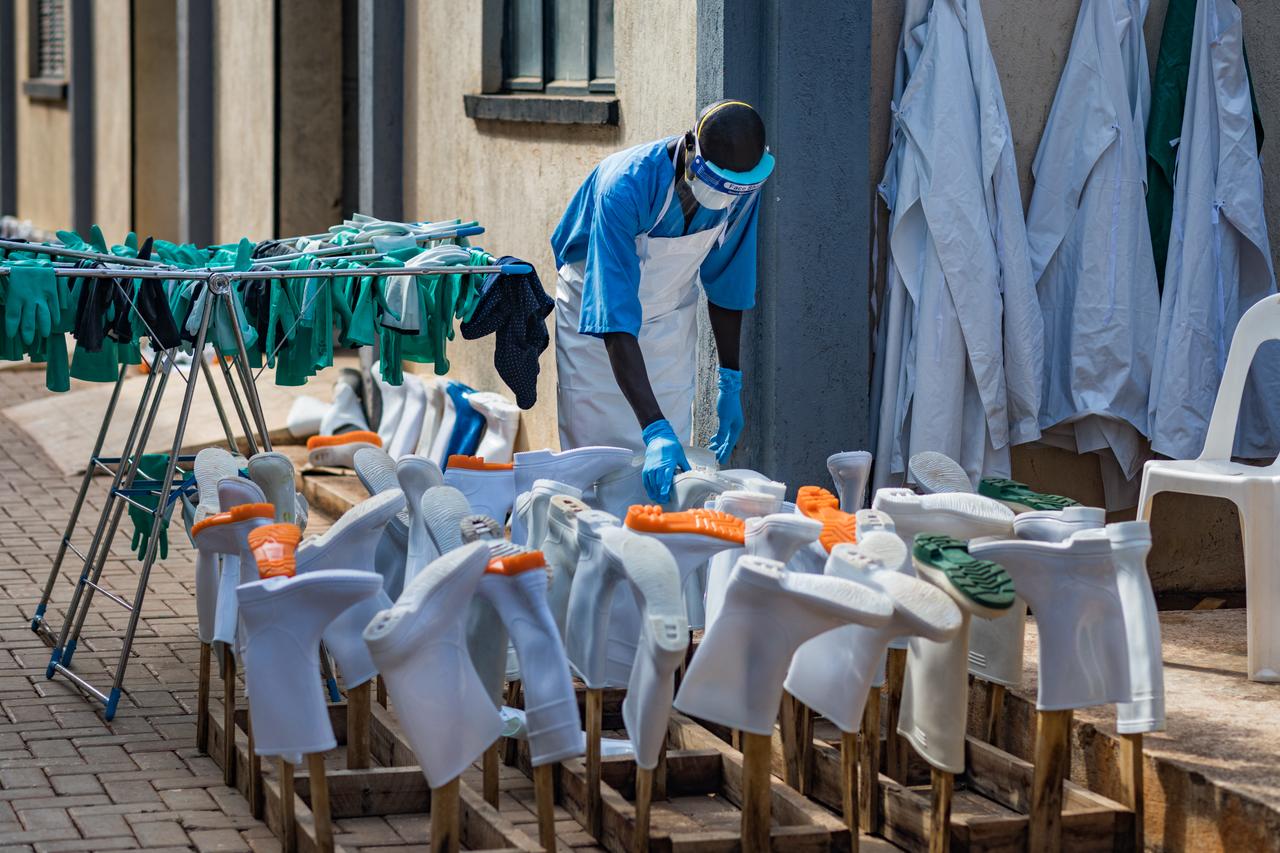
The funding is set to support emergency healthcare services, infection-prevention work, treatment programs, and water, sanitation and hygiene projects in affected communities.
“The government of Japan has decided to implement emergency grant aid totaling $3.5 million,” Motegi told a news conference, saying the assistance would help strengthen local response capacity and support vulnerable populations.
Japan said the aid would also be used for community awareness campaigns and improvements to water and sanitation systems, both of which are aimed at slowing down transmission.
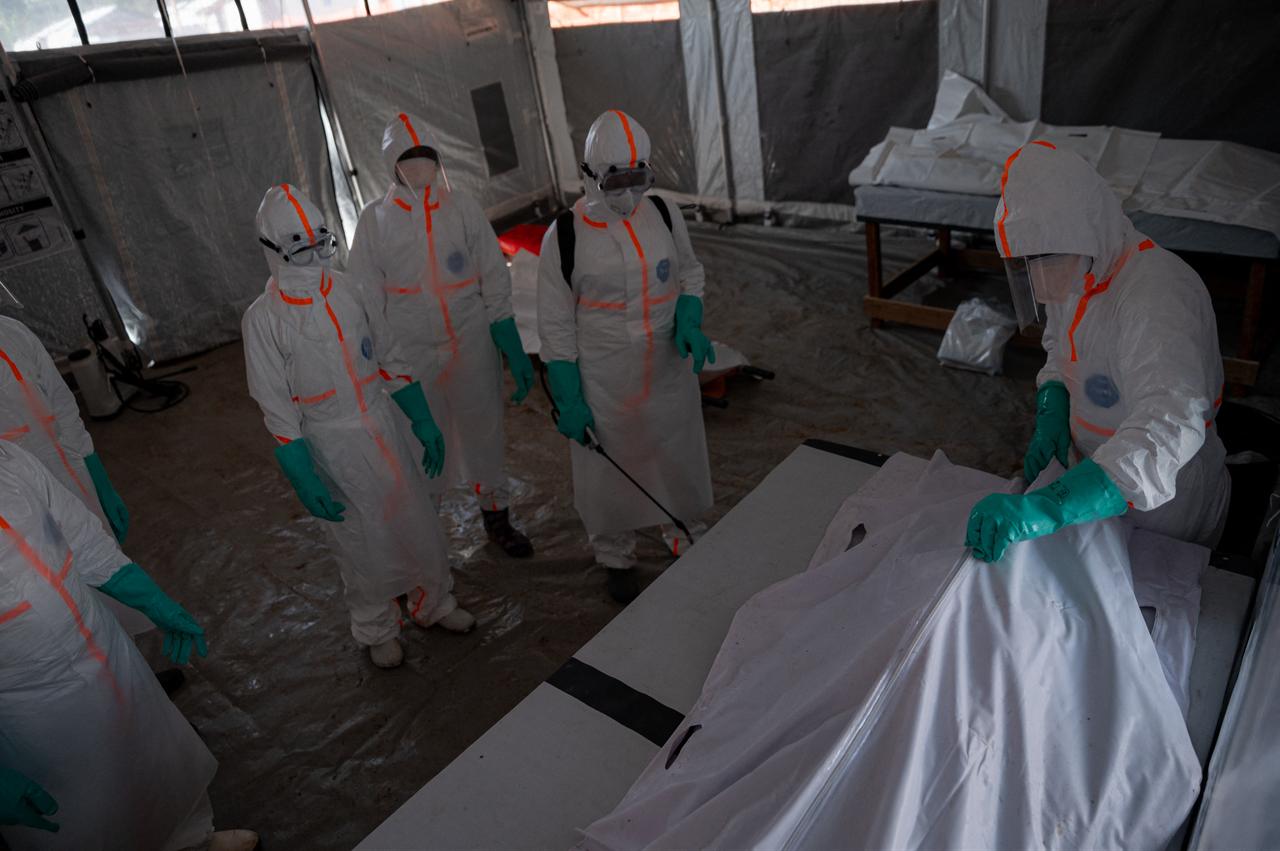
The announcement came as Congolese health authorities reported that confirmed Ebola cases had surpassed 1,000 for the first time in the current outbreak.
As of Sunday, DR Congo had recorded 1,003 confirmed infections and 254 deaths, according to local health authorities.
The outbreak is centered in Ituri, an eastern province of DR Congo, but it has also spread to neighboring areas. Uganda has stepped up surveillance because of concerns over cross-border transmission.
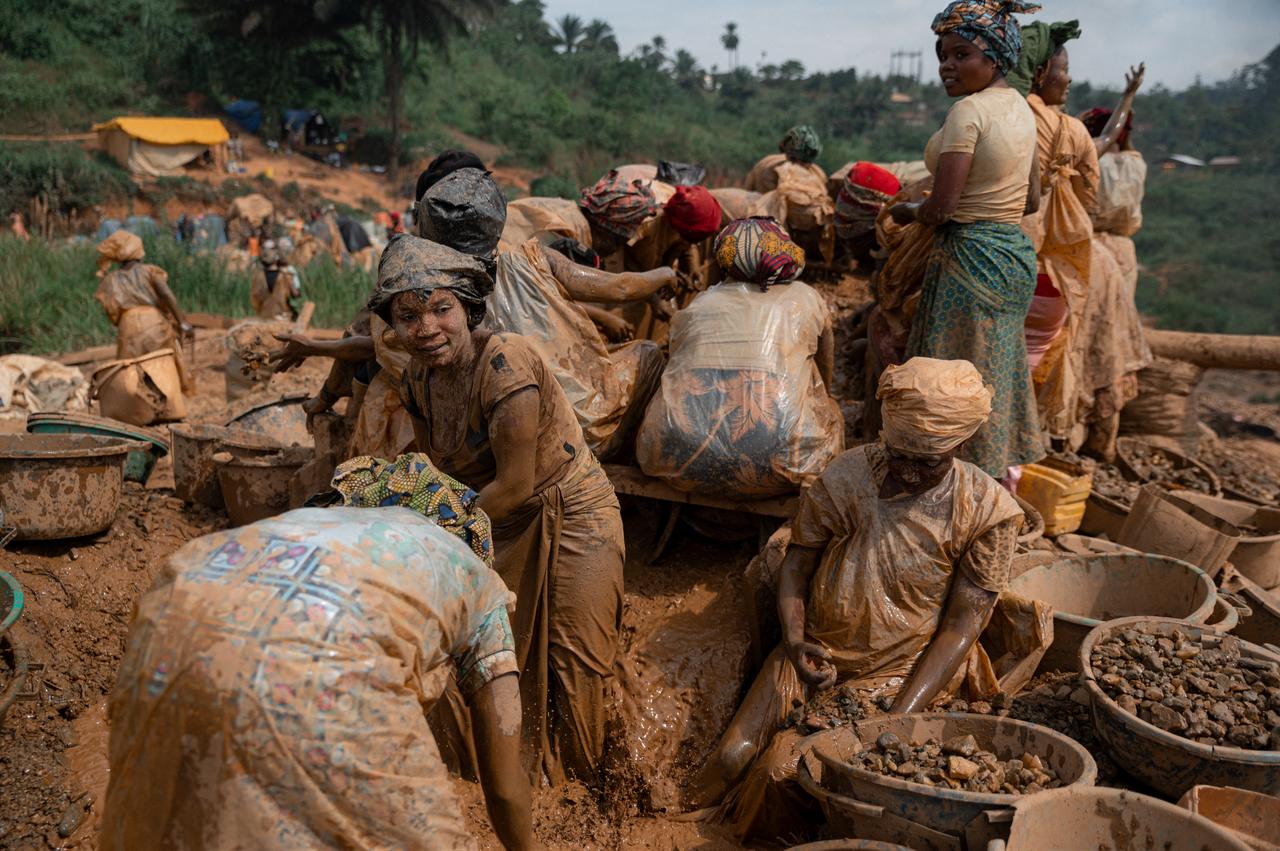
Health officials have warned that the outbreak remains a serious regional threat, especially in areas affected by conflict, displacement and weak healthcare infrastructure.
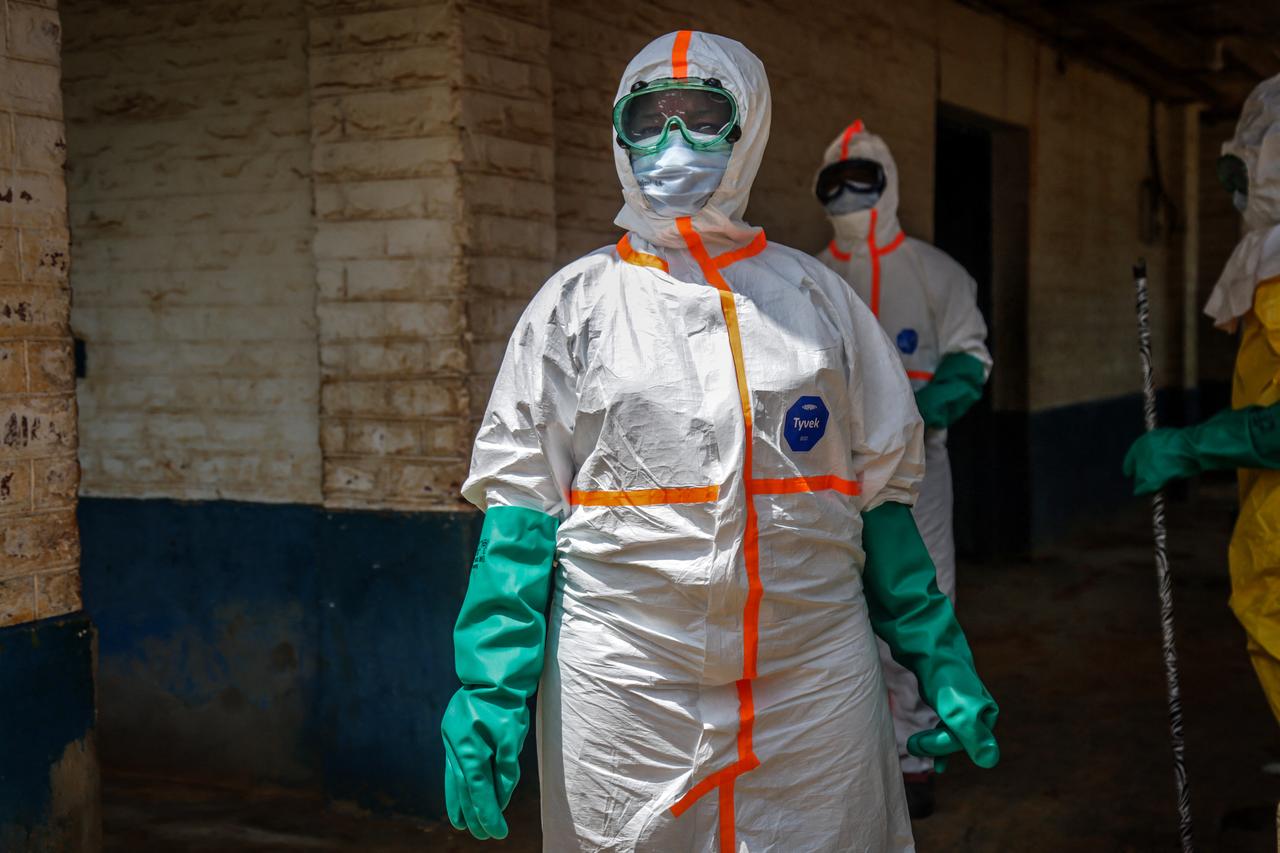
The current outbreak is being driven by the rare Bundibugyo strain of the Ebola virus, for which there is no approved vaccine. Ebola causes severe hemorrhagic fever and spreads through direct contact with infected bodily fluids.
International health agencies have also raised concerns about gaps in contact tracing and monitoring, warning that some infections could go undetected.
Motegi said Tokyo would continue working with international organizations and partner countries to support disease-control efforts and respond to urgent humanitarian needs in the affected regions.


 Set as preferred source
 Set as preferred source


 1 min read
 1 min read


