Sign in
 Newsletters


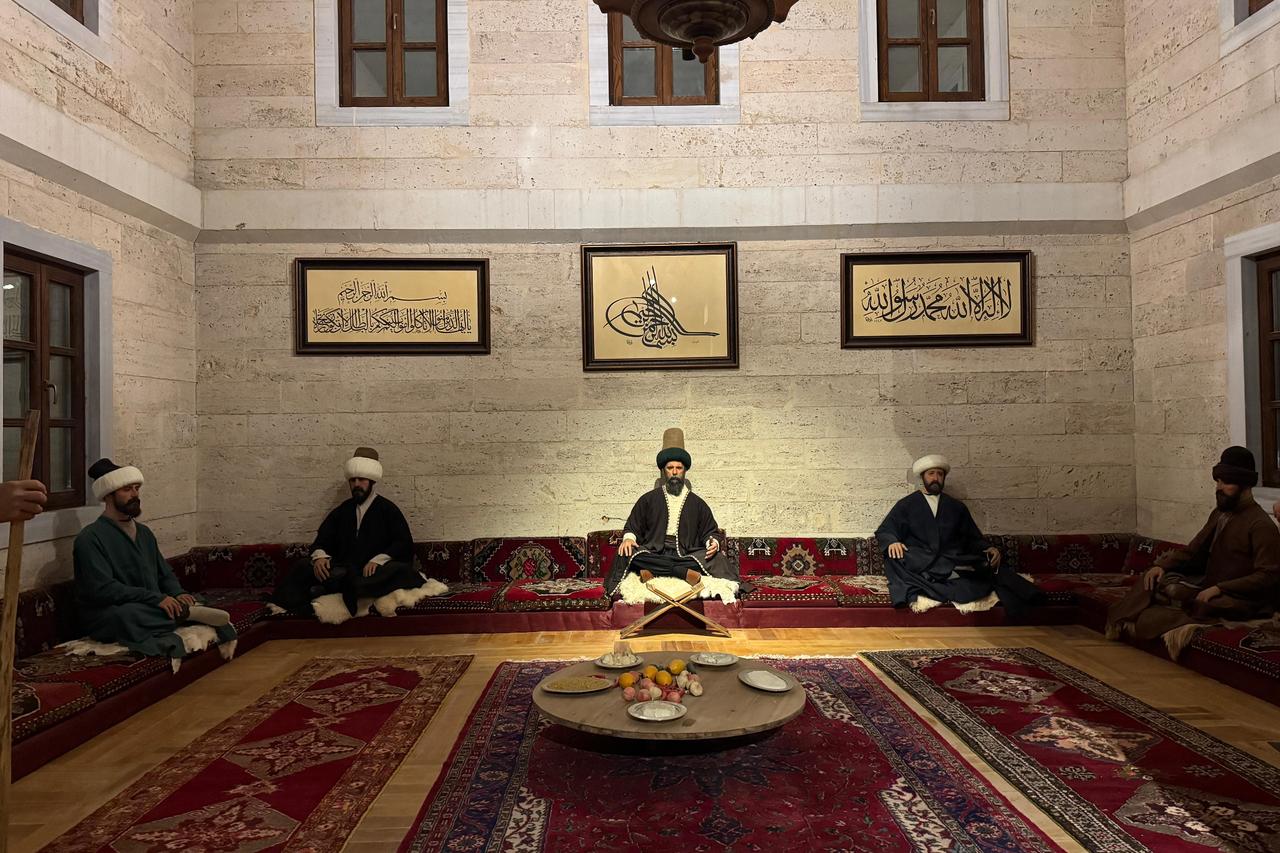


Kirsehir, a long-settled town in Anatolia, is a cultural tourism destination known for monuments from the Seljuk era, underground cities carved into rock, the heritage of the Ahi brotherhood, folk bards, and archaeological sites.
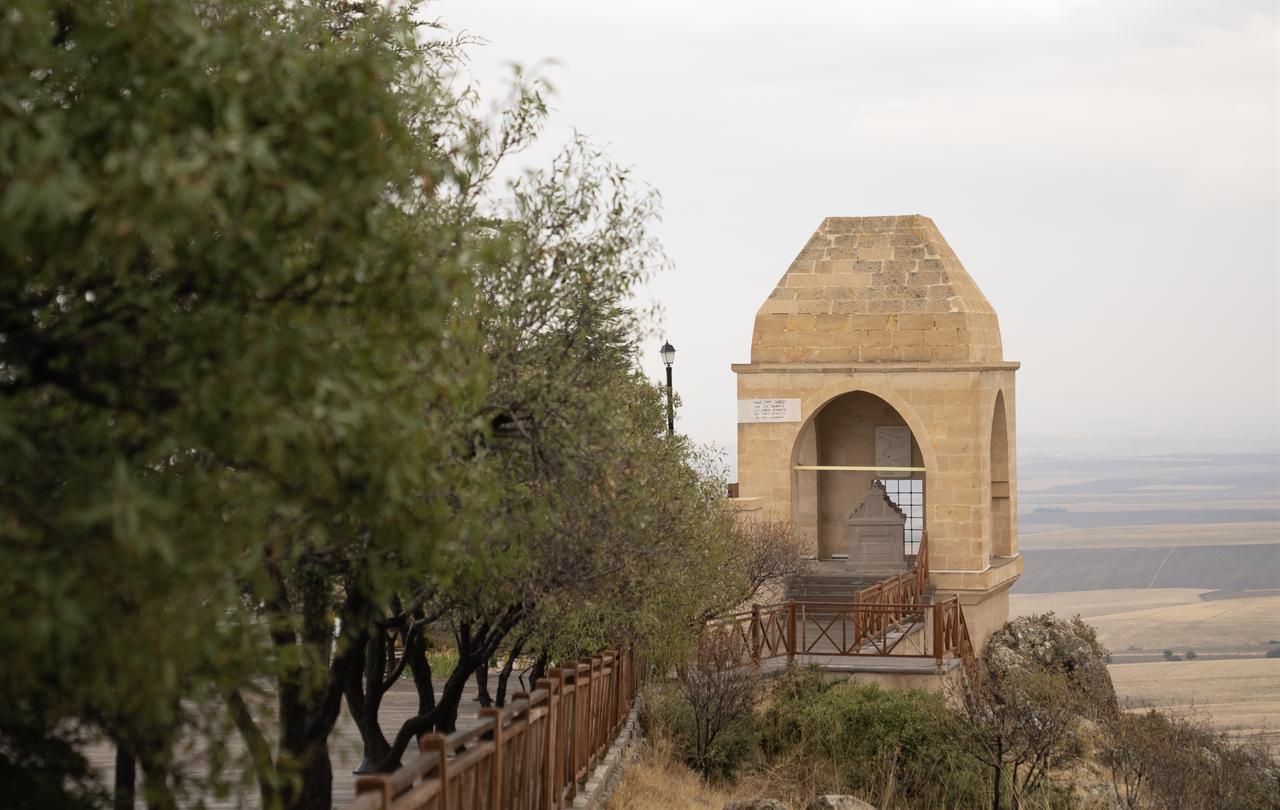
In Ulupinar, the square-plan stone tomb of Anatolian Sufi poet Yunus Emre sits on a rocky hill, with his cilehane 250 meters south. The site hosts annual commemorations celebrating his philosophy of tolerance and love.
In the city center, the all-marble tomb of 13th-century Sufi poet Asik Pasa, author of the Turkish landmark Garibname, features scallop-shell portal carvings and a dome shaped like a Kyrgyz yurt.
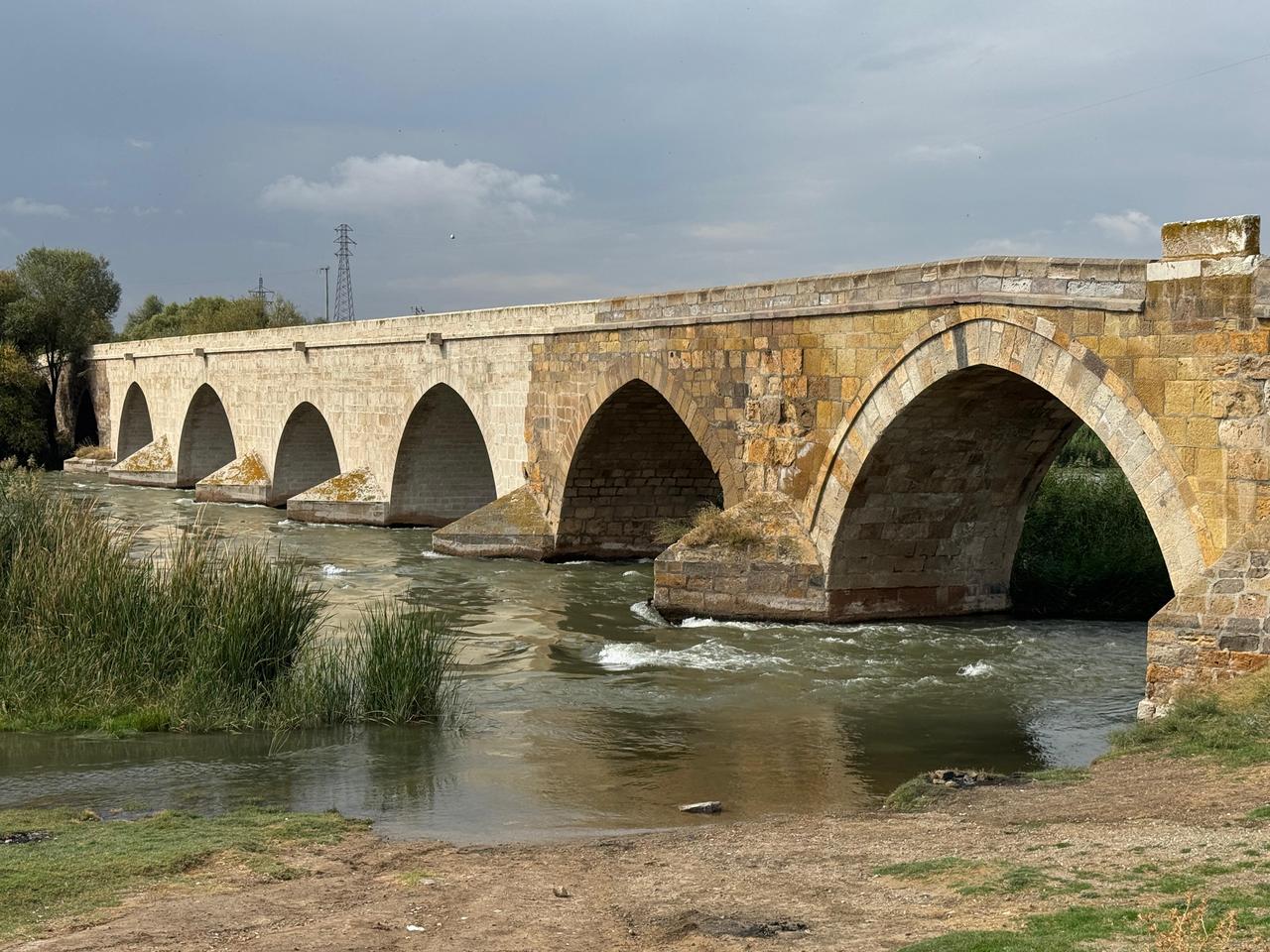
Spanning the Kizilirmak River 20 kilometers south of the city, the 400-meter, 13-arch Kesikkopru Bridge, built under Sultan Izz al-Din Kaykaus II along the Silk Road, stands alongside the 13th-century Kesikkopru Caravanserai.
In the city center, the Cacabey Astronomy Madrasa, built in 1272 by Governor Nureddin Cibril bin Cacabey and now a mosque, reflects Seljuk scientific scholarship with planetary columns, an observation well, and a watchtower.

Kepez Underground City in Mucur features rectangular halls linked by tunnels carved into multicolored rock, illuminated for visitors since 2002 excavations. Fifty kilometers north, the 4th- to 5th-century Christian-built Dulkadirli Underground City resembles a Seljuk caravanserai, opening from a 22-meter vaulted tunnel into a 30-by-50-meter courtyard surrounded by five halls, eight rooms, a well, and a prayer space.
Kirsehir is the historical heart of the Ahi guild, which championed professional ethics and solidarity. The 14th-century Ahi Evran Complex houses the tomb of founder Ahi Evran-i Veli and the Ahi Museum, displaying manuscripts, attire, and guild artifacts.
Nearby, the historic Long Bazaar (Uzun Carsi) and Artisans' Bazaar (Zanaatkarlar Carsisi) preserve traditional craftsmanship, while Agalar Mansion showcases local civil architecture and cuisine.
Built with Japanese government support in Kaman, the Kaman Kalehoyuk Archaeology Museum exhibits regional finds alongside a large Japanese Garden and mound-style landscaping. In the city center, the Kirsehir Museum displays prehistoric-to-Seljuk artifacts and local ethnography.
Meanwhile, Hamidiye Mosque, rebuilt between 2015 and 2017, features nature-inspired interiors with sky-painted ceilings, poplar and grapevine walls, a waterfall mihrab, the prayer niche that shows the direction of Mecca, and grass-green carpets.
Finally, the Neset Ertas Gonul Sultanlari Cultural House, set in a restored governor's residence, honors Kirsehir's native bozlak, a folk music style, master, Neset Ertas. Visitors can explore instruments and listen to folk songs via a digital statue of Ertas, who is buried beside his father, Muharrem Ertas, in Bagbasi Cemetery.


 Set as preferred source
 Set as preferred source


 2 min read