Newsletters


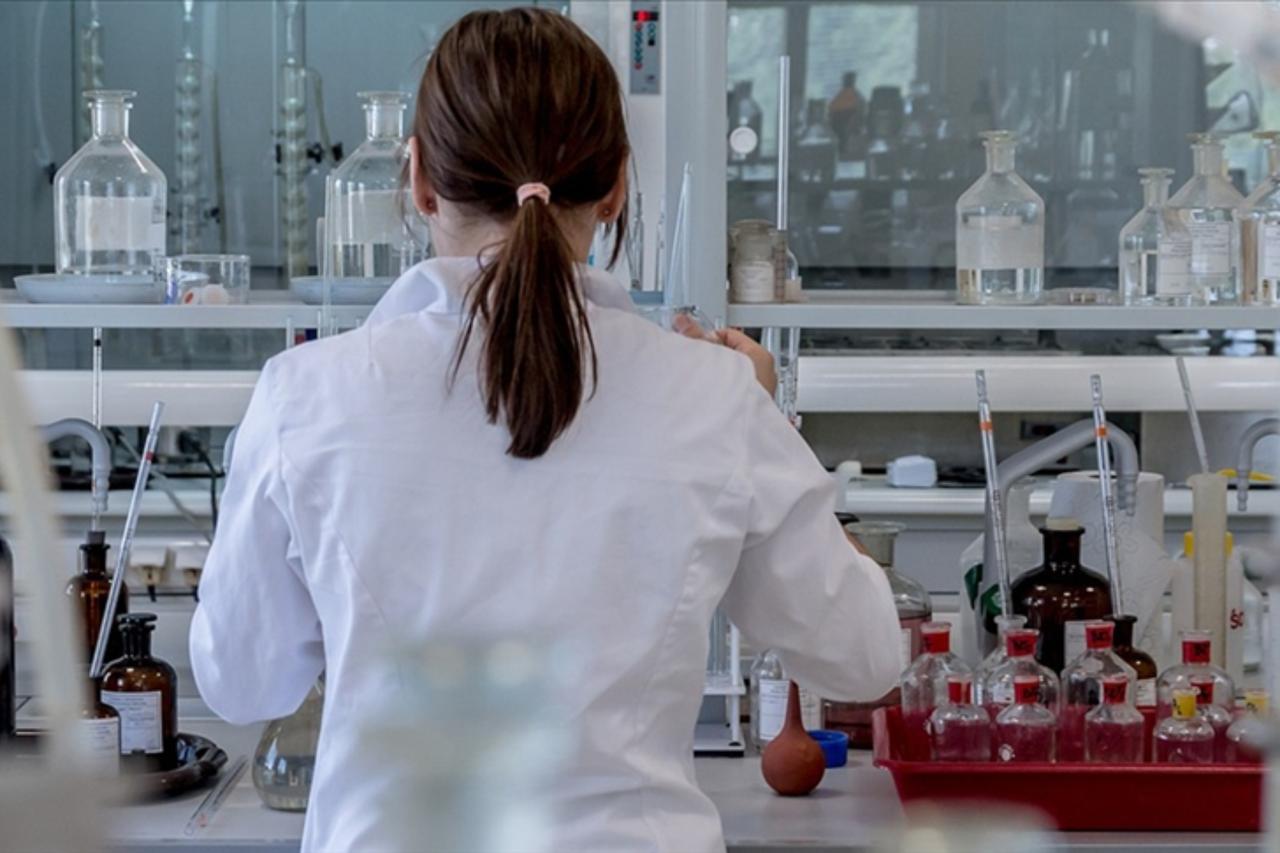


Scientists have successfully created human embryo-like structures in the laboratory without using sperm or egg cells. Known as “synthetic embryo models,” these structures mimic the early stages of human embryonic development but cannot develop into a full fetus.
Researchers say the breakthrough could provide new insights into human development, infertility, and genetic disorders, while raising ethical and legal discussions.
Researchers are now able to generate embryo-like structures using only pluripotent stem cells, cells that can develop into almost any cell type, such as Induced Pluripotent Stem (IPS) cells, without relying on sperm or eggs.
These cell clusters replicate the first 14 days of human embryonic development, before implantation in the uterus.
Some even develop extra-embryonic tissues, including placenta-like and yolk sac structures, but they do not form complex organs like the brain or heart.
Scientists emphasize that these structures are not embryos; they are models designed to study embryological development.
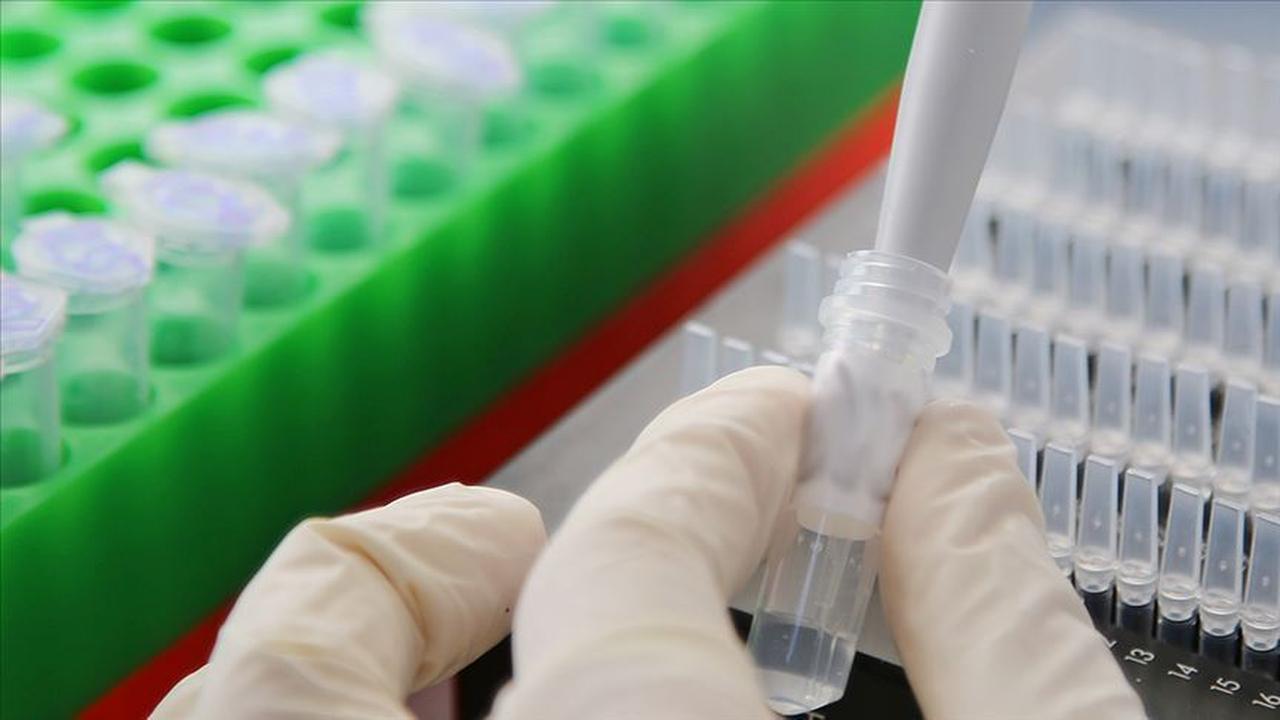

Synthetic embryo models offer new opportunities for medical and scientific research. They provide a window into early embryonic stages, helping researchers understand miscarriages and genetic abnormalities.
Early pregnancy loss and genetic defects can now be studied in unprecedented detail, while lab-grown embryo-like structures also serve as models for organ development, transplantation studies, and drug testing.
These developments have the potential to significantly advance infertility treatment, regenerative medicine, and developmental biology.
Although the creation of synthetic embryo models represents a major scientific advance, there are important ethical and legal considerations. Implanting these structures into a uterus is prohibited, and most countries have regulations preventing their use in pregnancy.
Scientifically, these cell clusters cannot form complex organs such as the brain or nervous system, making it essential to distinguish between creating real human embryos and producing embryo-like models.
Synthetic embryo models have the potential to revolutionize research on human development, infertility and genetic disorders.
However, careful ethical oversight, legal frameworks, and scientific caution remain critical. These models accelerate our understanding of early human development while ensuring responsible research practices.


 Set as preferred source
 Set as preferred source



 3 min read