Newsletters


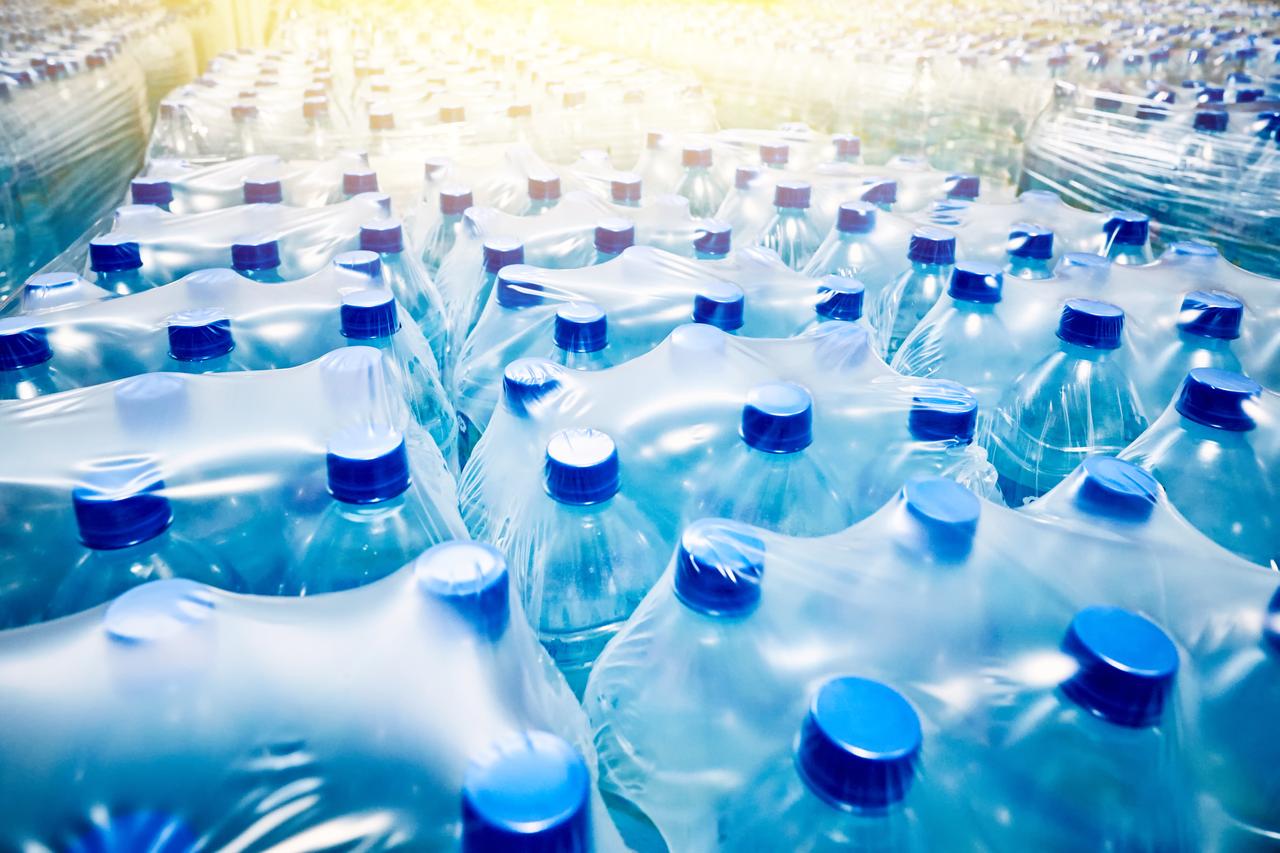


A laboratory test shared by a Turkish academic has raised fresh questions about the hygiene of bottled water brands sold in supermarkets across Türkiye.
Assoc. Prof. Ahmet Ali Berber, a faculty member at Canakkale Health Services Vocational School, tested seven different packaged water brands in a lab setting and shared the results on social media.
Berber sought to answer a common consumer question: Which ready to drink water is the cleanest?
He placed samples from sealed bottles into petri dishes with culture medium and showed the incubation results on camera. Some brands remained fully clean. Others showed visible bacterial growth.
Berber stressed that the experiment reflects a personal observation based on a single sample. He ended his video with the words, “Let's not forget that water is life.”
According to the video shared by Berber, the seven brands tested were Erikli, Abant, Saka, Gumus, Damla, Pursu and Ozkaynak.
The petri dish results appeared as follows:
The video does not provide colony counts or detailed microbiological analysis. It shows visible growth patterns only. The academic did not publish a peer reviewed paper alongside the footage.
Many residents and visitors buy bottled water daily from supermarkets across Türkiye. Berber conducted the test on sealed bottles under laboratory conditions and showed the incubation results on camera. The footage reflects what developed in those samples rather than a broader regulatory inspection.
The test also comes at a time when ownership structures in the food and beverage sector have drawn public attention.
A 2025 report examined foreign ownership in the food sector. It noted that many well known bottled water and carboy brands now belong to global beverage groups.
The report identified Erikli, Sirma, Saka, Hayat, Akmina and Damla Su among the brands owned by international beverage companies, including Danone, Groupe Lactalis, Nestle Waters, Dydo Drinco and Coca Cola.
The report linked rising prices in food and bottled water to broader structural changes in the sector, including acquisitions by foreign companies.
For consumers in Türkiye, bottled water remains a daily necessity rather than a lifestyle choice.
Regulatory oversight continues under national health authorities as Berber’s experiment adds a new data point to a debate that blends consumer safety, pricing and market control.


 Set as preferred source
 Set as preferred source



 2 min read