Newsletters


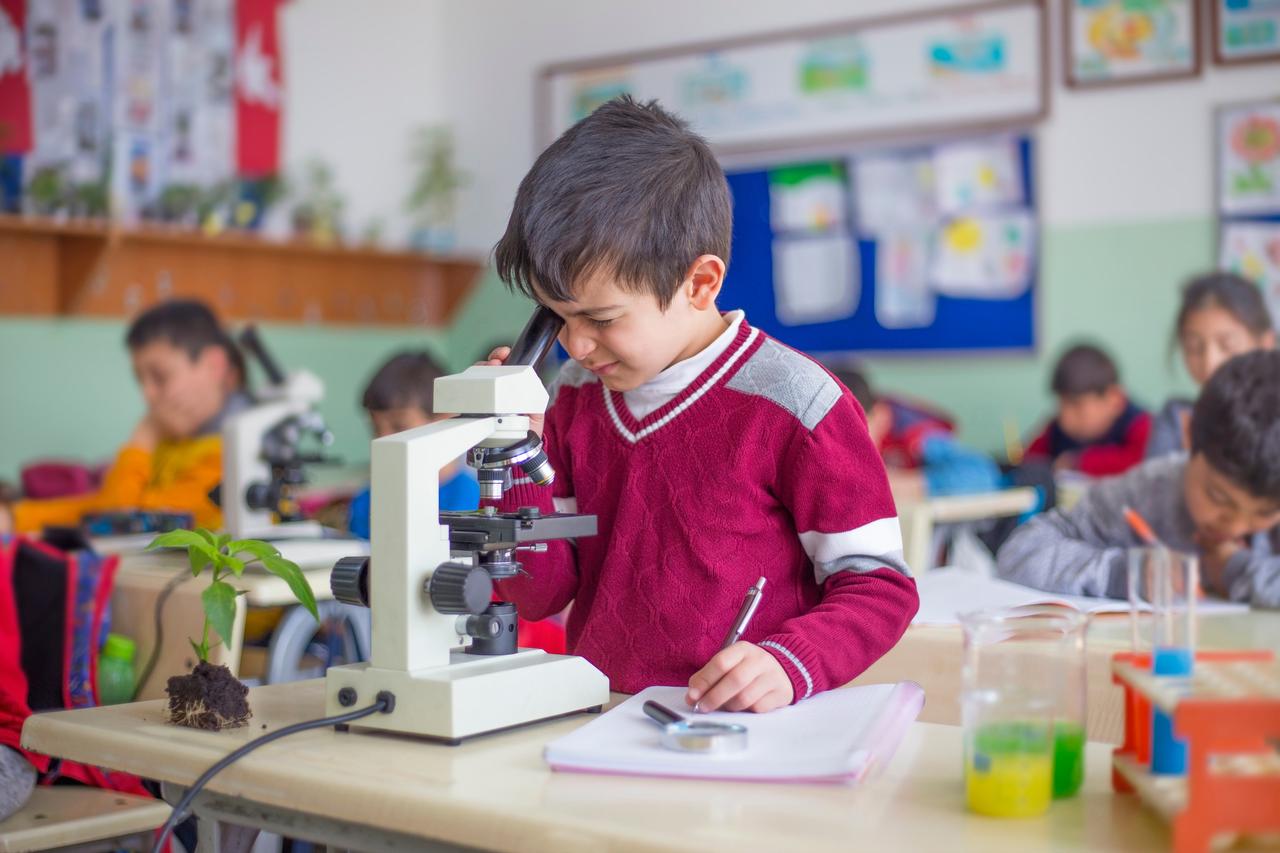


Student numbers in private schools across Türkiye are falling as demographic changes and rising costs strain the sector, according to a new industry report presented in Antalya.
The report was unveiled at the 24th Traditional Education Symposium organized by the Türkiye Private Schools Association (TOZOK). Sector representatives, academics and officials attended the event.
Zafer Ozturk, chair of TOZOK’s board, said the findings show that the private school sector no longer grows automatically.
“The private school sector is no longer a structure that grows on its own,” Ozturk said. “The demographic structure is changing. Student demand is becoming limited. Costs are rising far above tuition fee increases. And the sector has reached a financially fragile threshold.”
He added that private schools provide a public education service while trying to survive on their own resources. “This situation is not sustainable,” he said.
The report calls for a shift in focus from rapid expansion to sustainability, and from unplanned growth to strategic and regional planning.


Data shared at the symposium show a widening gap between operating costs and tuition revenues.
When 2018 is indexed as 100, the report shows the following:
The report also points to a long term decline in the 0 to 14 age group. It warns that private school investments must now account not only for income levels but also for regional demographics and urban sustainability criteria.
Ozturk said the challenges are structural. “These problems are structural and we must produce solutions together,” he said.
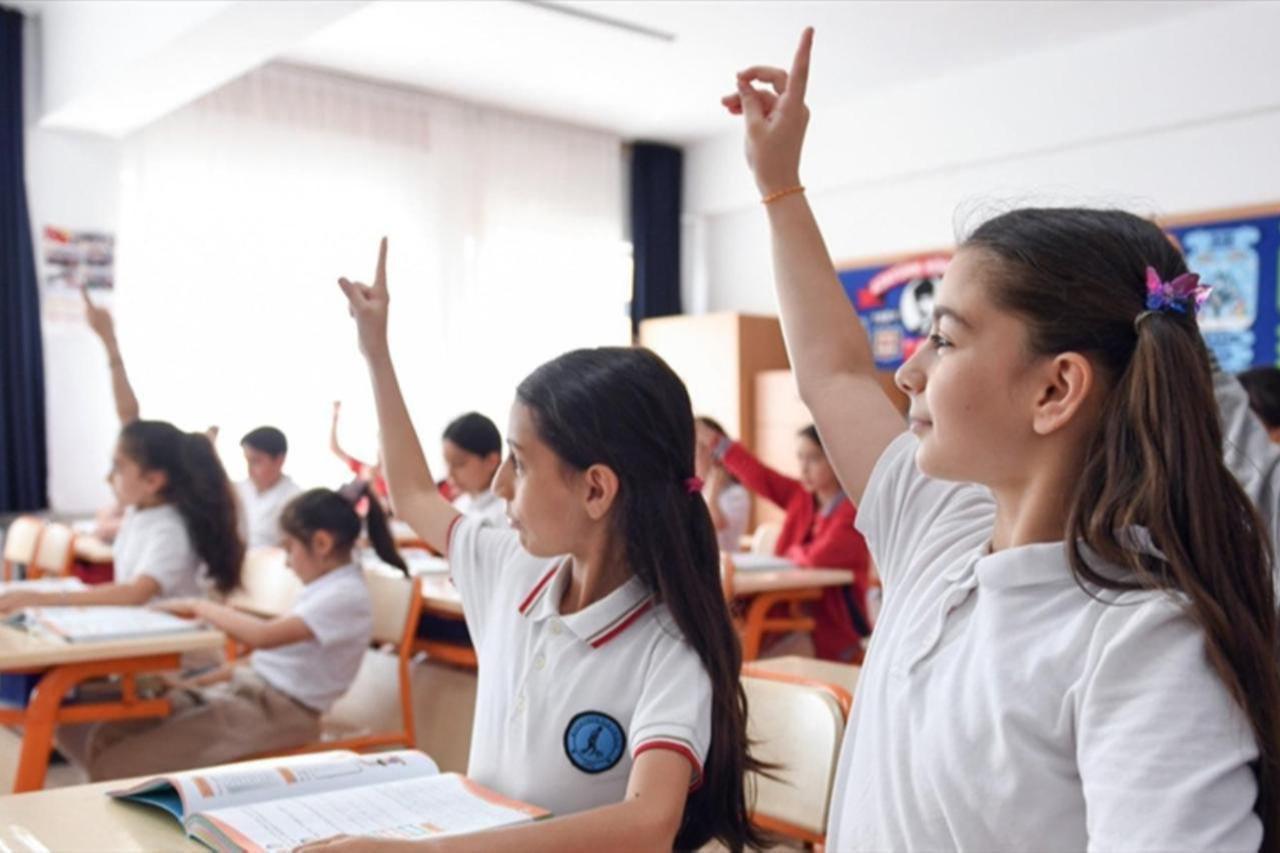
TOZOK outlined three main policy demands during the symposium.
At the symposium, Fethullah Guner, director general for private education institutions at the Ministry of National Education, said authorities are working to protect the Turkish language. He stated that foreign teachers in private schools will be required to provide a C1 level Turkish language certificate.
Yeditepe University Rector Prof. Mehmet Durman also addressed the event. He said Türkiye has strong educational infrastructure and experience. He argued that the system could be strengthened through a more holistic structure from preschool to university.
He added that lifelong learning models applied in European universities have been successfully implemented in Türkiye and show the country’s capacity to align with international standards.


 Set as preferred source
 Set as preferred source



 2 min read