Newsletters


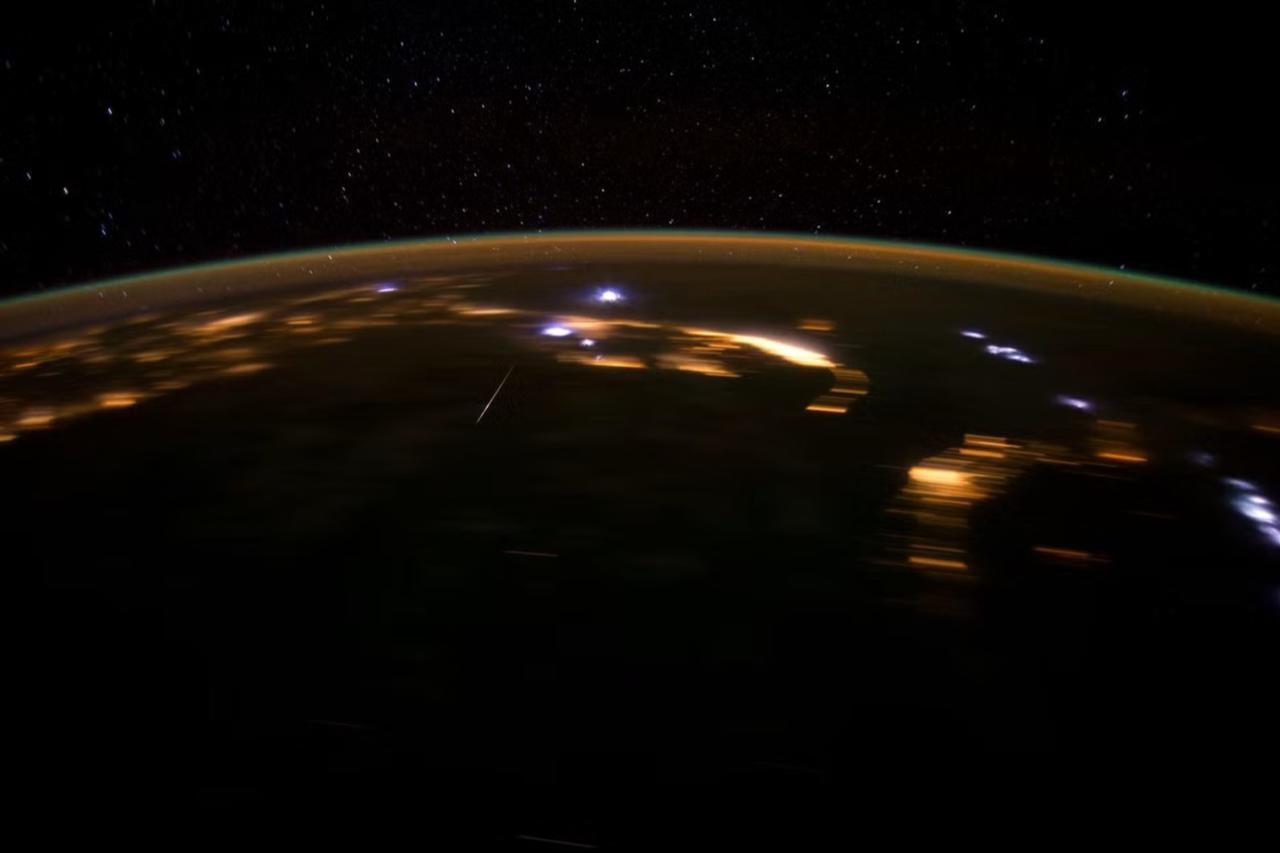


The Lyrid meteor shower reaches its annual peak on Wednesday, April 22, offering one of the clearest viewing opportunities in years.
With the new moon having occurred on April 17, the crescent moon will set in the western sky before sunrise on peak night, leaving the sky dark and unobstructed — conditions that significantly improve visibility for observers.
According to the American Meteor Society (AMS), the shower runs from April 14 through April 30, with peak activity producing between 10 and 20 meteors per hour.
The most favorable window for viewing falls in the early morning hours, particularly around 5 a.m., when the radiant point, located in the constellation Lyra, climbs higher above the horizon.
The Lyrids are also known for producing occasional "fireball" meteors that burn brightly and leave a visible, persistent trail across the sky.
While such outbursts cannot be predicted, historical records show that as many as 100 Lyrid meteors per hour were reported in 1803, 1922, 1945, and 1982, according to NASA.
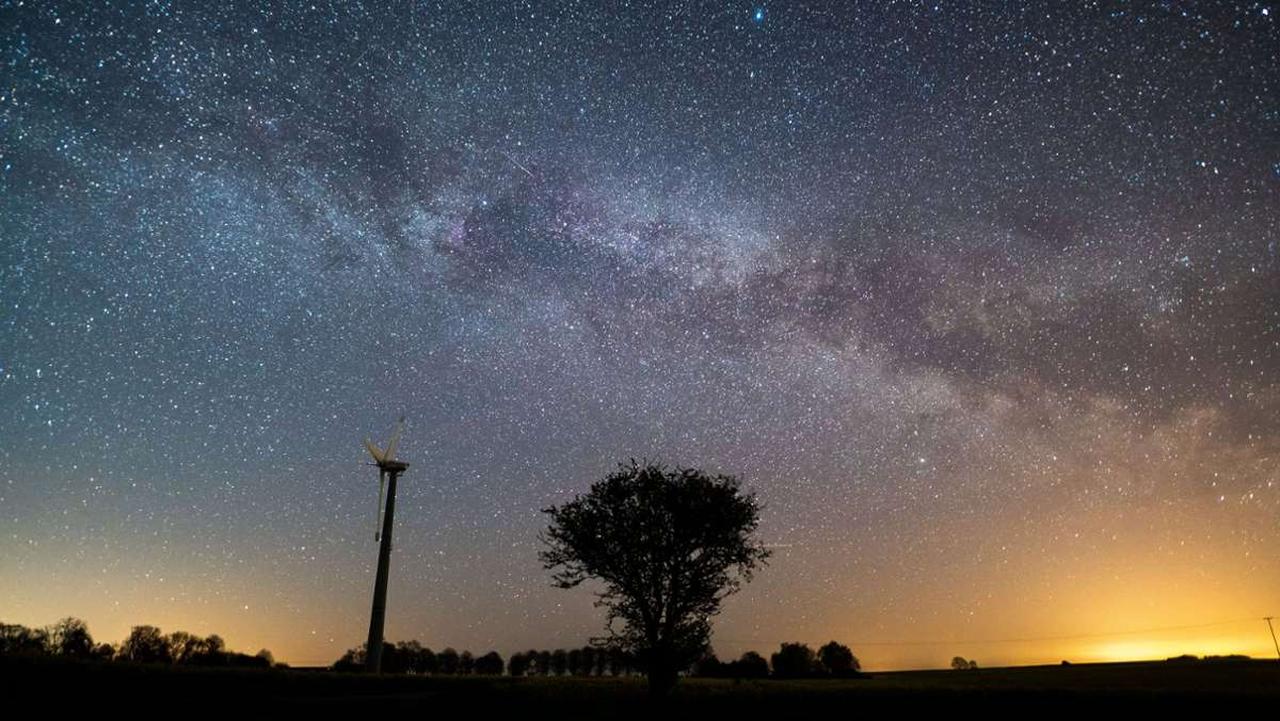

To maximize visibility, observers are advised to find a location well away from city lights. A light pollution map can help identify darker areas nearby.
Once at the viewing location, eyes typically need at least 15 to 20 minutes to fully adjust to the darkness.
No telescopes or binoculars are required – the naked eye is the most effective tool for tracking meteors as they can appear in any part of the sky.
Checking the local weather forecast in advance is also recommended, as cloud cover remains the primary obstacle for observers.
Patience is essential, as meteors appear unpredictably and intervals between sightings can vary.
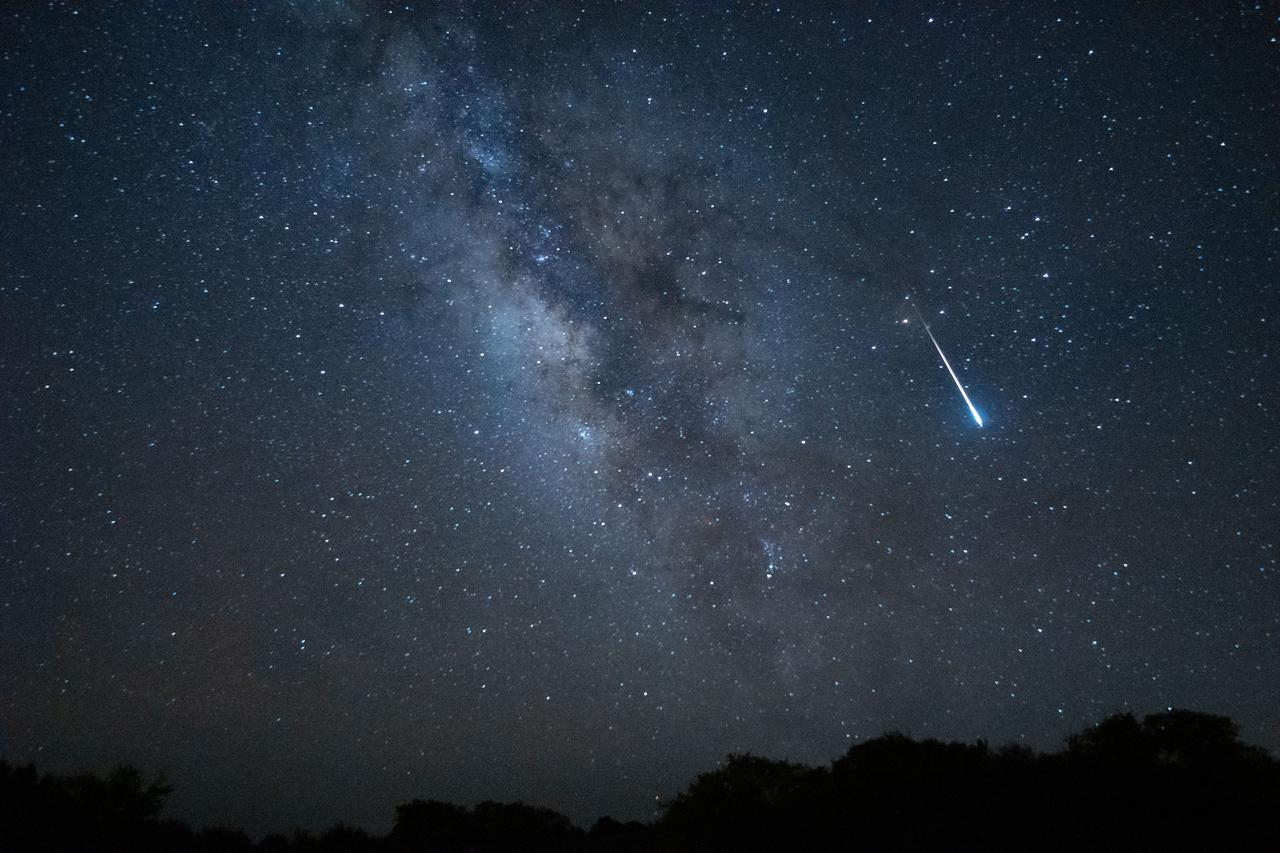
The Lyrids are among the oldest documented meteor showers, with observations dating back thousands of years.
The shower is caused by debris left behind by Comet C/1861 G1 (Thatcher), which orbits the sun every 415.5 years.
Each year, as Earth passes through the comet's debris field, dust and rock particles enter the atmosphere at high speed and burn up, creating the streaks of light visible from the ground.
Comet Thatcher last passed through the inner solar system in 1861, according to NASA. Its next return is not expected until around 2276.
While the Lyrids do not match the intensity of showers such as August's Perseids or December's Geminids, the combination of moonless conditions and the potential for bright fireballs makes this year's peak a notable event for skywatchers.


 Set as preferred source
 Set as preferred source




 6 min read