Newsletters


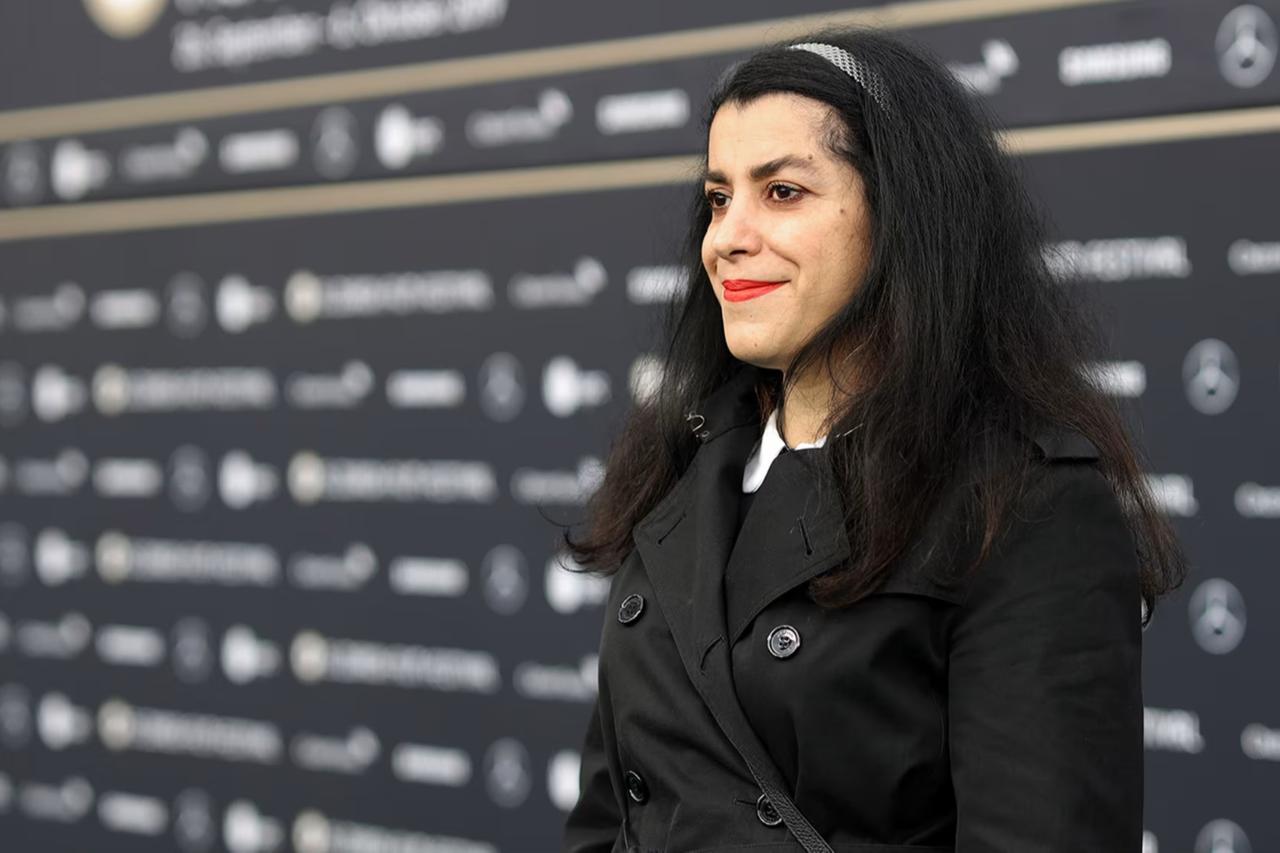


Franco-Iranian artist Marjane Satrapi, the author of the acclaimed autobiographical comic book Persepolis and co-director of its award-winning film adaptation, has died, her entourage told AFP on Thursday.
"Marjane Satrapi died of sadness a little over a year after the death of Mattias Ripa, her husband and the love of her life," they said in a statement sent to AFP.
Satrapi was born in Rasht in northwestern Iran in 1969 and later moved to Paris. She became one of the most widely recognized voices in contemporary comics, cinema and Iranian cultural memory. Her work brought together personal history, political upheaval and exile, making her a defining figure for readers in Europe, the United States and beyond.
Satrapi spent most of her childhood in Tehran after her family moved there shortly after her birth. She grew up in an upper-middle-class Iranian family and attended the French-language Lycee Razi.
Her parents were politically active and opposed the monarchy of Iran’s last shah. After the 1979 Iranian Revolution, her family came under the rule of the new Islamic authorities, a period that deeply shaped Satrapi’s later work.
As a teenager, Satrapi was sent to Vienna in 1983 to continue her education. She later returned to Iran, studied visual communication and earned a master’s degree from the Islamic Azad University in Tehran before moving to France, where she studied in Strasbourg.
Satrapi rose to international fame with "Persepolis," first published in French in four parts between 2000 and 2003. The work tells the story of her childhood in Iran and her adolescence in Europe, using black-and-white comic panels to look back on revolution, war, family and exile.
The English translation appeared in two parts as "Persepolis" and "Persepolis 2." The book won the Angouleme Coup de Coeur Award, a prize given at one of Europe’s most important comics festivals.
Satrapi also wrote "Embroideries" and "Chicken with Plums," the latter winning the Angouleme Album of the Year award. Although her work is often described as “graphic novels,” Satrapi preferred to call them comic books, saying in a 2011 interview: “People are so afraid to say the word 'comic'.”
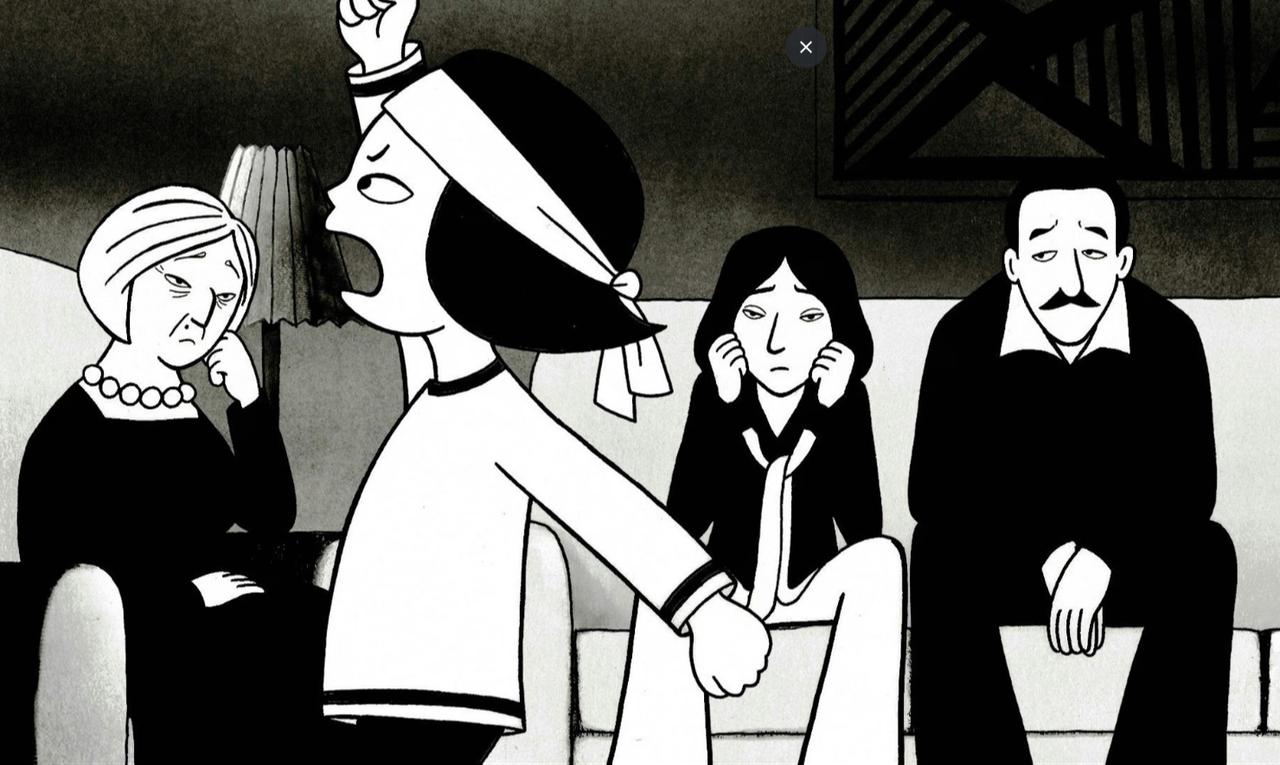
"Persepolis" was later adapted into an animated film, co-written and co-directed by Satrapi and Vincent Paronnaud. The film debuted at the 2007 Cannes Film Festival and shared the Special Jury Prize.
The English-language version was nominated for Best Animated Feature at the 80th Academy Awards in 2008, making Satrapi the first woman nominated in that category. The film also won Best First Film at the Cesar Awards in 2008.
Satrapi continued working in cinema with Paronnaud on a live-action adaptation of "Chicken with Plums." She later directed "The Voices," starring Ryan Reynolds, Anna Kendrick and Gemma Arterton, as well as "Radioactive, a biopic of Marie Curie."
Satrapi also remained politically outspoken. After Iran’s 2009 election, she appeared before the Green Party members in the European Parliament with Iranian filmmaker Mohsen Makhmalbaf.
In 2022, she voiced support for the Mahsa Amini protests and later coordinated Woman, Life, Freedom, a graphic anthology on the uprising and its wider cultural context.
In January 2025, she refused France’s Legion d’honneur, the country’s highest official award, citing what she described as French hypocrisy toward Iran.
Even while rejecting the honor, she said the move was not directed against France, adding: “I deeply love this country, which is my country.”


 Set as preferred source
 Set as preferred source



 1 min read