Newsletters


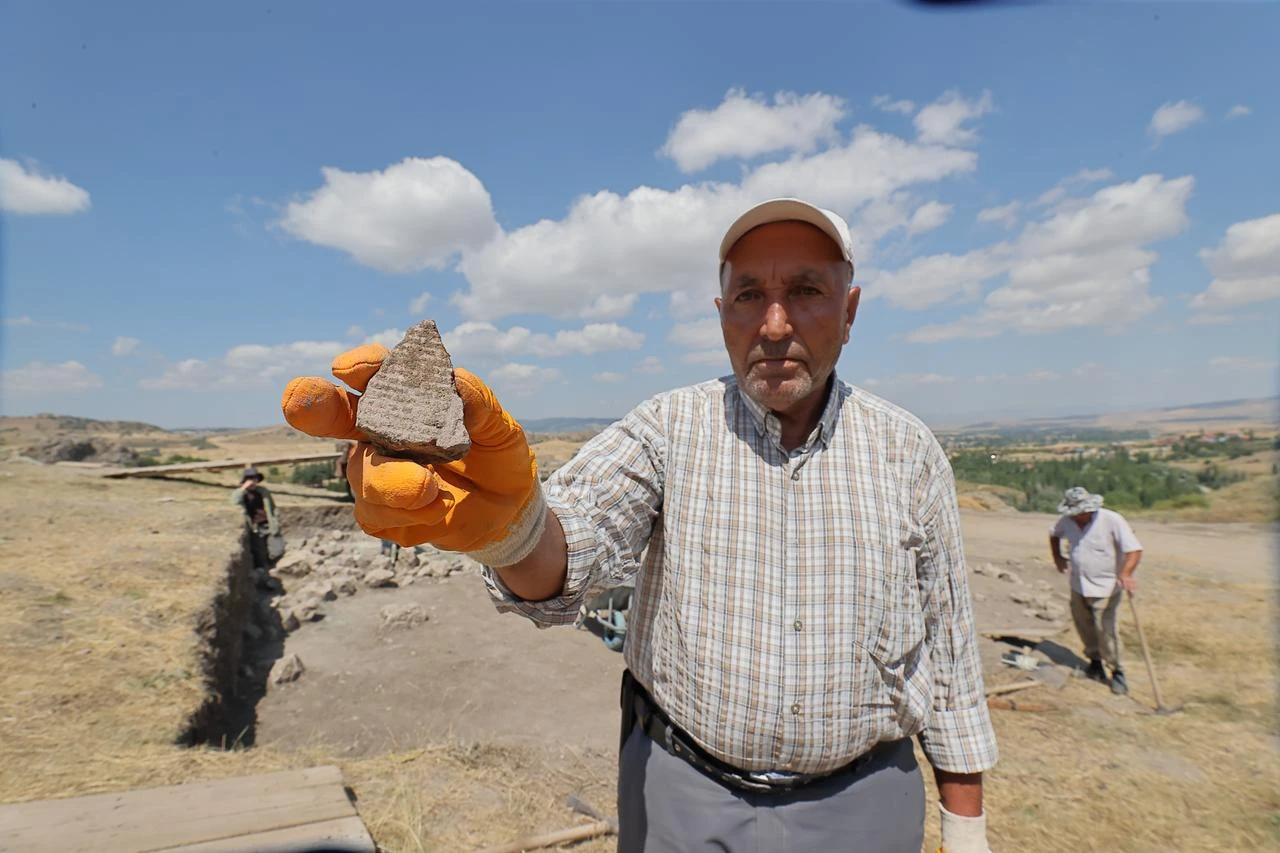


Now 66, Mehmet Erdek has spent half a century helping uncover the past at Hattusa, 51 years of it as a master pickaxe craftsman at the ancient site in Corum's Bogazkale district.
A father of three, Erdek began working at the ancient city of Hattusa in 1975 at the age of 15, where his father worked as a guard.
After his father, from whom he learned the finer points of the profession, passed away in 1993, Erdek continued working at the excavations and was promoted to master craftsman, working with his pickaxe at many points across the roughly 2-square-kilometer ancient city.
Working alongside excavation directors Peter Neve, Jurgen Seeher and Andreas Schachner at Hattusa, Erdek has contributed over the past half-century to unearthing numerous seals, tablets, bronze objects and architectural structures dating back to the Hittites.
During this time, Erdek was also appointed as an excavation guard and took on an official role before retiring two years ago due to age limits.
Having carried out both guard duties and pickaxe work alongside his father in the past, Erdek has continued to work solely as a master pickaxe worker at the excavation site for the past two seasons since his retirement.
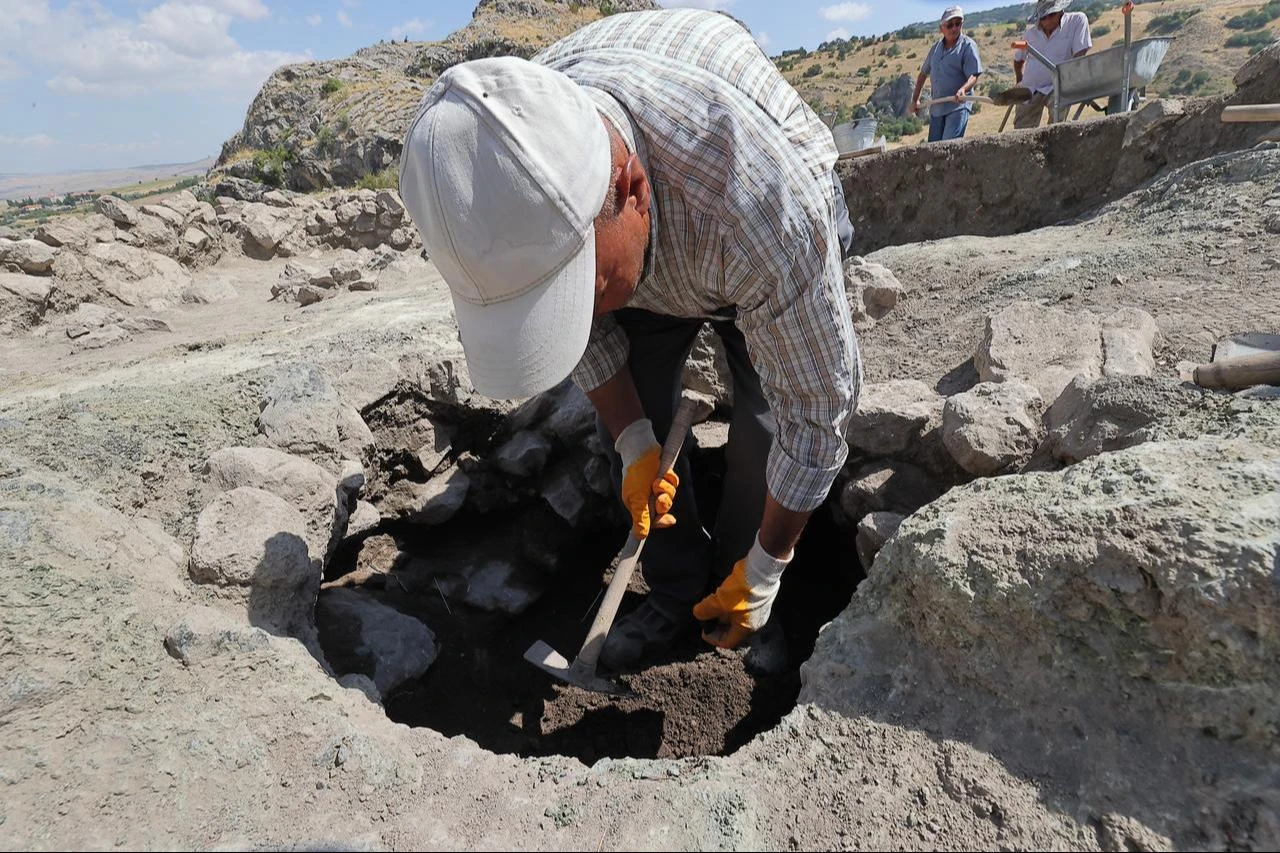

Erdek said he would continue with the excavations he began as a young child for as long as his health allows. Noting that he first picked up a pickaxe at age 15 in the Yerkapi section of the ancient city of Hattusa, he emphasized that he has strived for 51 years to work without offending or upsetting anyone.
"I used to go abroad for work and come back, and when the season arrived, I would work here at the excavation. Then they gave me an official position here, and I worked as a guard. I retired two years ago because of my age,'' he said.
''I've done all kinds of work. Right now I work at the excavation site as a pickaxe worker. This work both supports my household and is good for my health," the craftsman added.
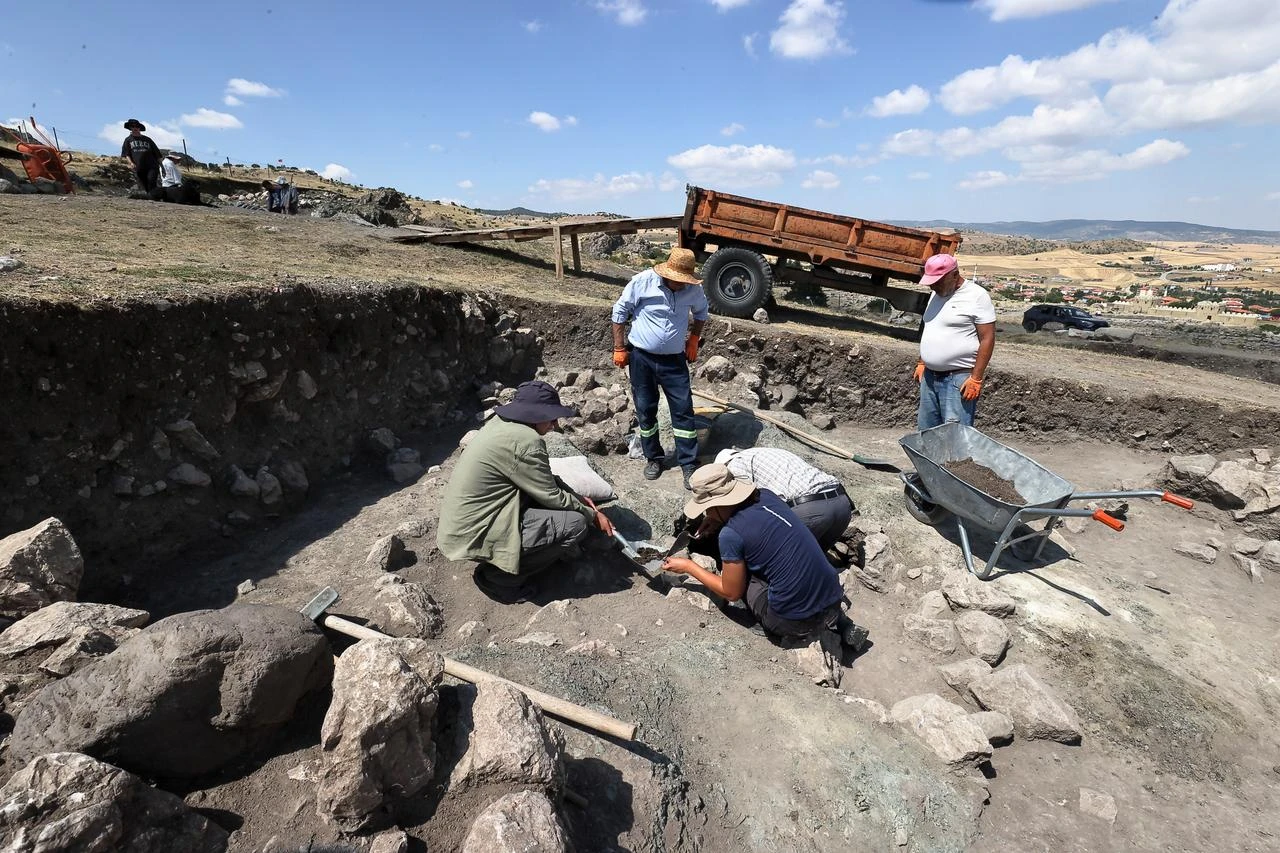
Noting that excavation work is not just about soil, stone and rock, but has many subtleties, Erdek said: "I've been working since 1975, and I've learned a lot here. The most interesting thing I found here was two shoe-shaped seals. I found hundreds of tablets, figurines, and bronzes. There isn't a spot at the Hattusa excavation site that my pickaxe hasn't touched.''
Pointing out that many civilizations lived in the region where the first excavation began 120 years ago, Erdek added: "Everyone who came here built one wall and tore down another, changing the structure.''
''We work in these areas. Generally, the Hittites' walls were built very beautifully. I dig those out. Sometimes we come across pots and vessels. We study the soil and layers to investigate," he said.


 Set as preferred source
 Set as preferred source



 2 min read