Newsletters


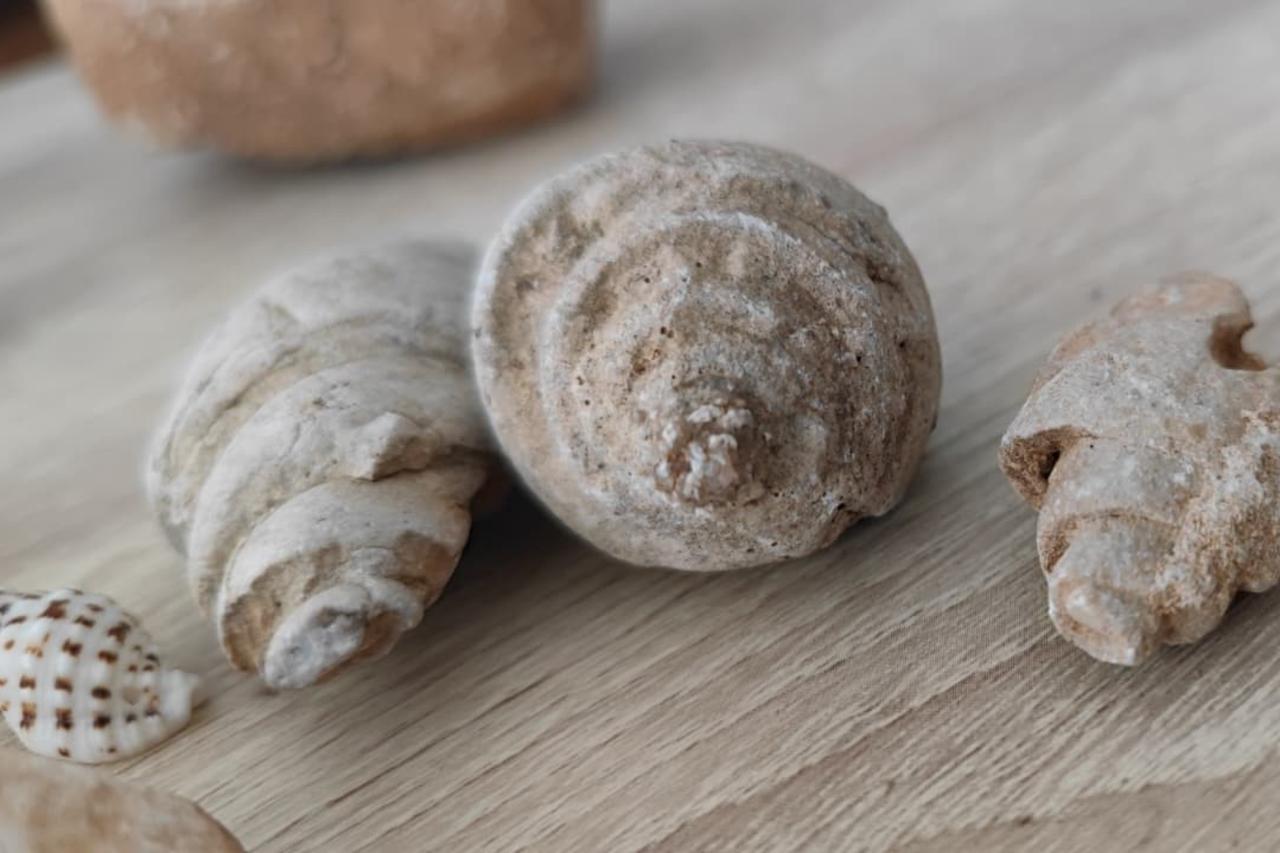


A university-led scientific hiking expedition in southeastern Türkiye has resulted in the discovery of fossilized remains estimated to be tens to hundreds of millions of years old in the Baggoze village and Botan National Park region.
The findings were made during a 15-kilometer field walk conducted by Siirt University staff and students under the supervision of Lecturer Yilmaz Cekmen. The team reported encountering a significant concentration of fossil specimens while surveying geological formations in the area.
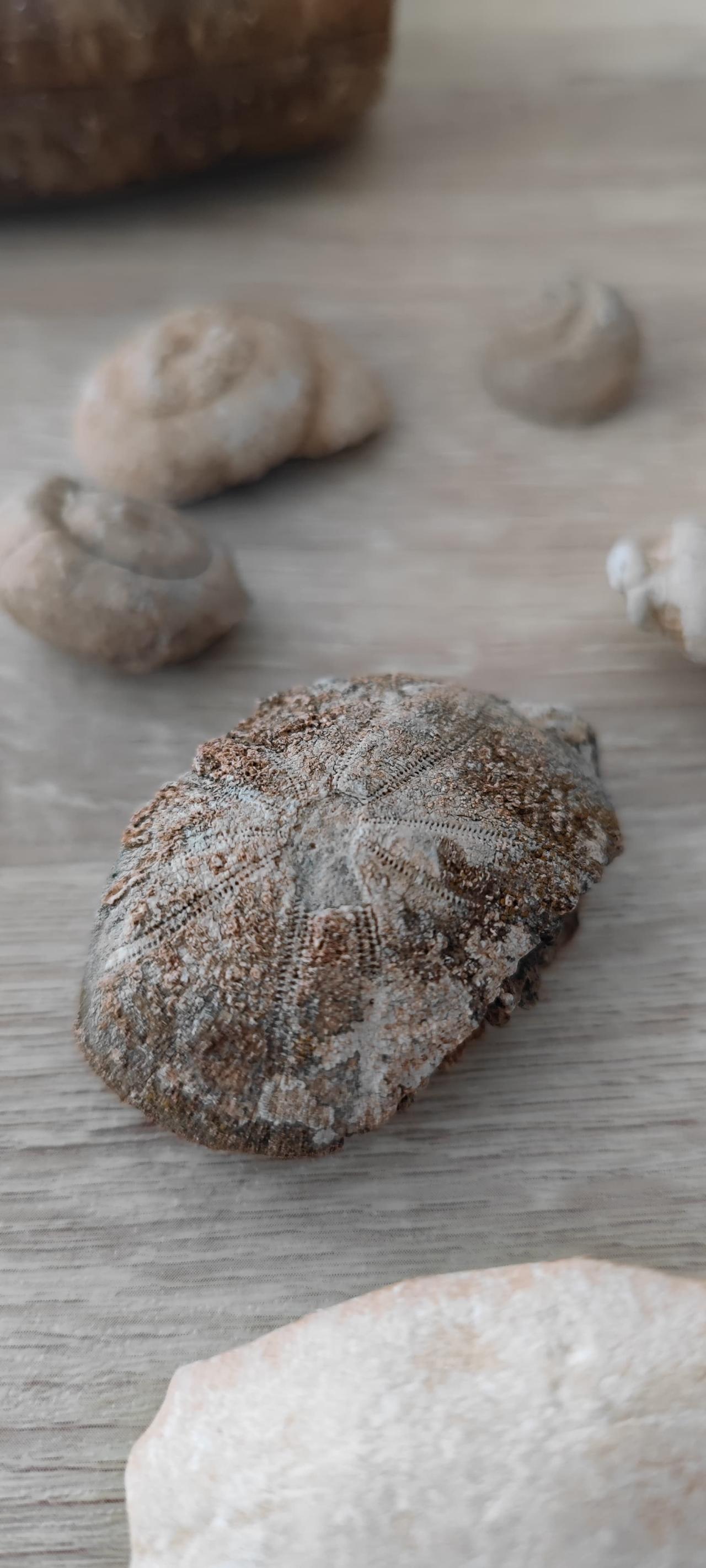

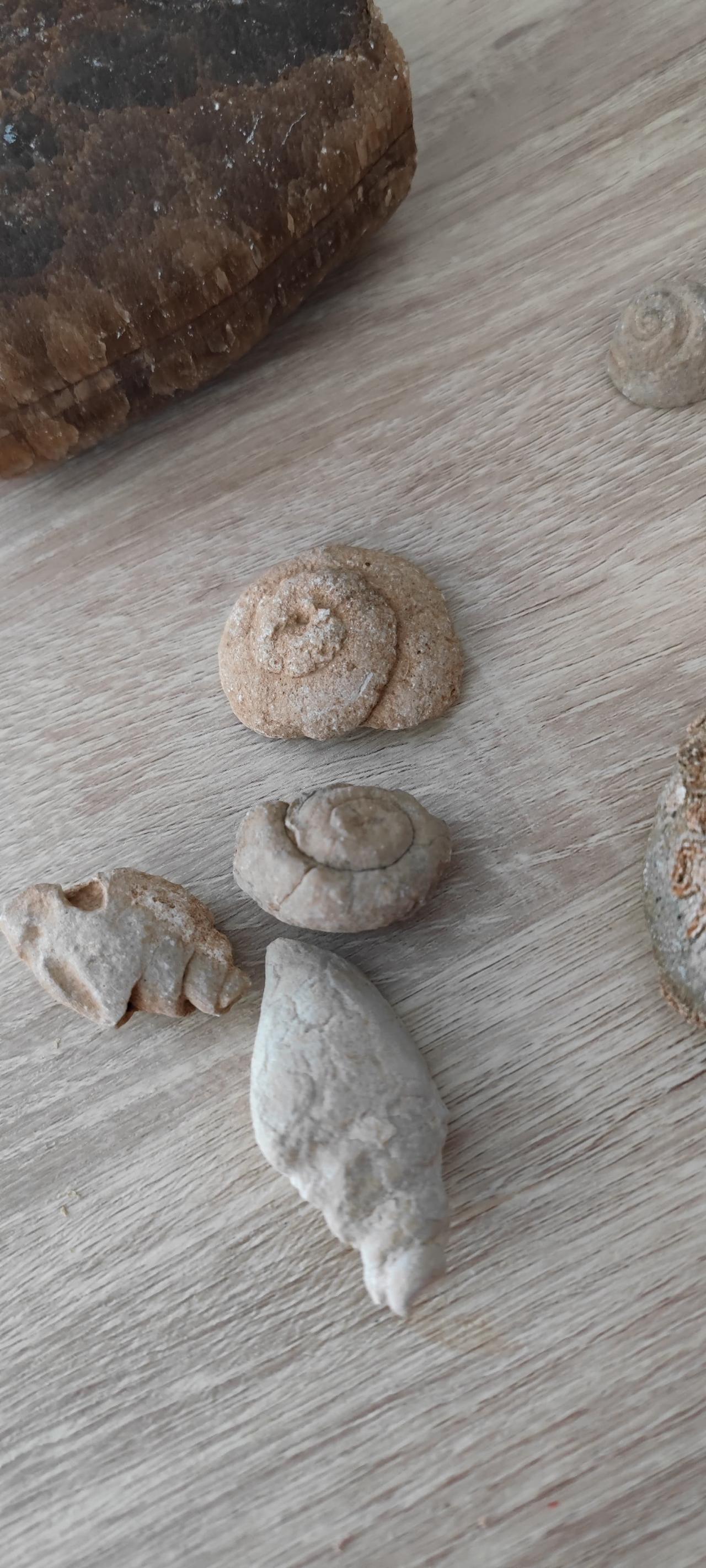
According to the research team, the recovered fossils include gastropods, ammonites, sea urchins, oysters and other marine organisms. The diversity of specimens suggests that the region was once part of a prehistoric marine environment.
Cekmen stated that preliminary assessments indicate the fossils may originate from multiple geological periods, including approximately 35 million, 66 million, and up to 400 million years ago. These estimates point to a long and complex geological history in the region.
 1 min read
Experts involved in the observation noted that the presence of marine fossils at high elevations is consistent with historical geological processes. The fossils are believed to have formed through sedimentation and mineralization, in which organic remains were gradually buried under layers of limestone and soil, later exposed through tectonic uplift and erosion.
The team also observed that local shepherds in Baggoze village had collected fossil samples from surrounding mountains and displayed them in the village area, creating an informal open-air exhibition of natural specimens.


 Set as preferred source
 Set as preferred source


 1 min read