Newsletters


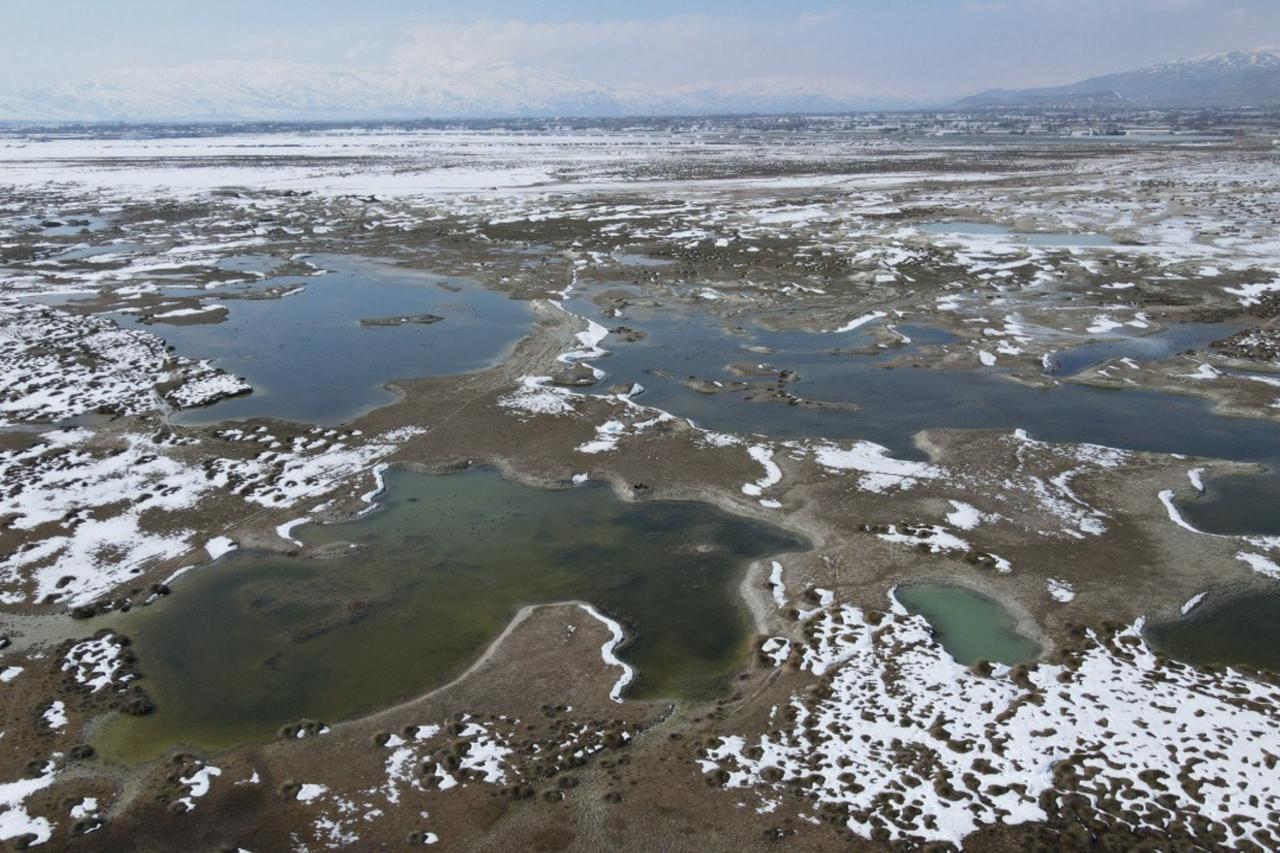


A striking natural formation where five chemically distinct water sources emerge side by side without mixing is drawing growing scientific attention and calls for protected status.
In a confined area of eastern Türkiye, mineral carbonated, sulfur-rich, thermal, fresh and mineral spring waters rise from the ground almost side by side, yet remain completely separate.
The unusual phenomenon at the Eksisu Recreation Area in Erzincan, eastern Türkiye, is considered one of the rarest hydrogeological occurrences observed in nature.
Experts say the site represents a highly unusual underground water system shaped by regional geological structures. According to geological assessments, the springs are fed by different subsurface pathways linked to fault lines in the region, allowing waters with distinct chemical compositions to reach the surface independently within a very limited area.
Despite their close proximity, the waters do not mix even after emerging, a condition researchers describe as exceptionally rare on a global scale. Notably, even during the 1992 Erzincan earthquake, the springs reportedly maintained their separation without merging.
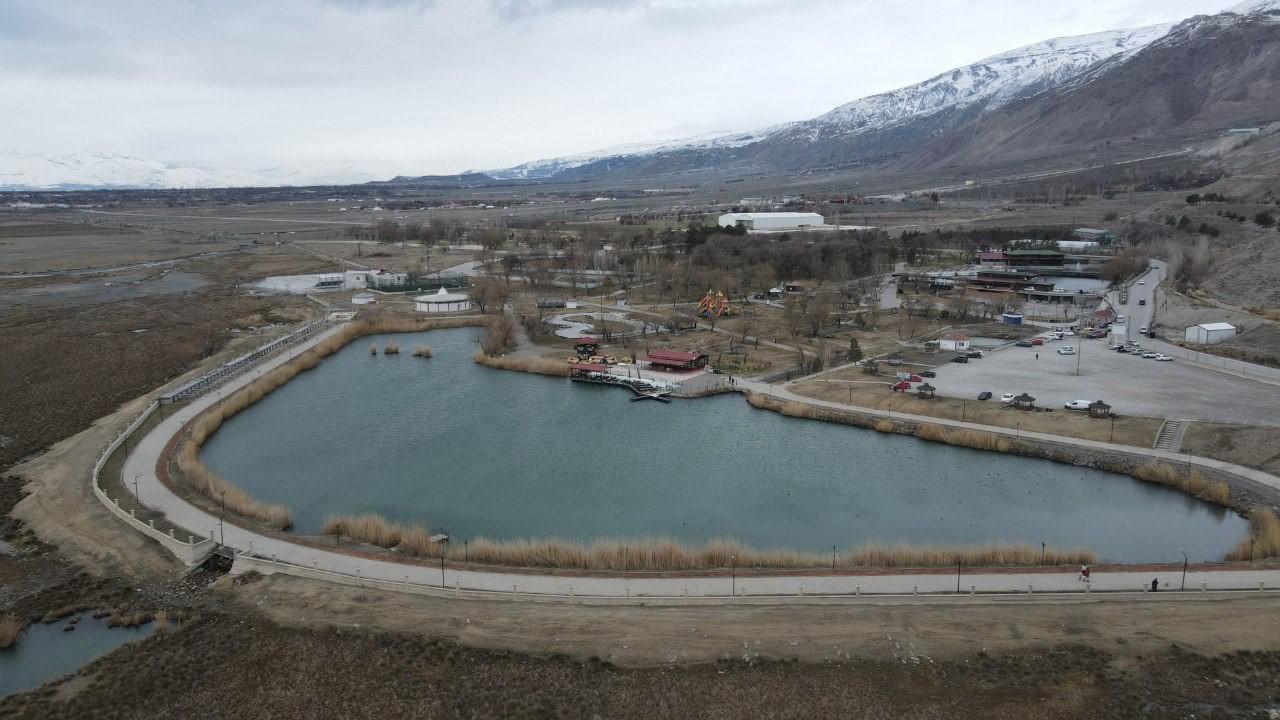

Geology expert Selahattin Ayan described the area as an exceptional natural formation, emphasizing the coexistence of multiple chemically different water sources within a single micro-zone. He noted that such a configuration provides valuable insight into underground water circulation and mineral formation processes.
Beyond its geological importance, the Eksisu area also carries ecological value. Its wetland and reed habitats serve as seasonal stopover points for migratory birds, contributing to regional biodiversity. The area is also reported to host endemic plant species, including a locally known species referred to as “Erzincan Sutotu,” adding further environmental significance.
Researchers and local experts have called for the area to be designated as a geopark in order to ensure long-term protection. They argue that formal recognition would help preserve the fragile hydrogeological system while also supporting scientific research and sustainable tourism development.
Authorities and academics suggest that, if properly protected and promoted, the site could become a major destination for geotourism and environmental education, attracting both researchers and visitors interested in unique natural formations.


 Set as preferred source
 Set as preferred source


 1 min read


 1 min read