Newsletters


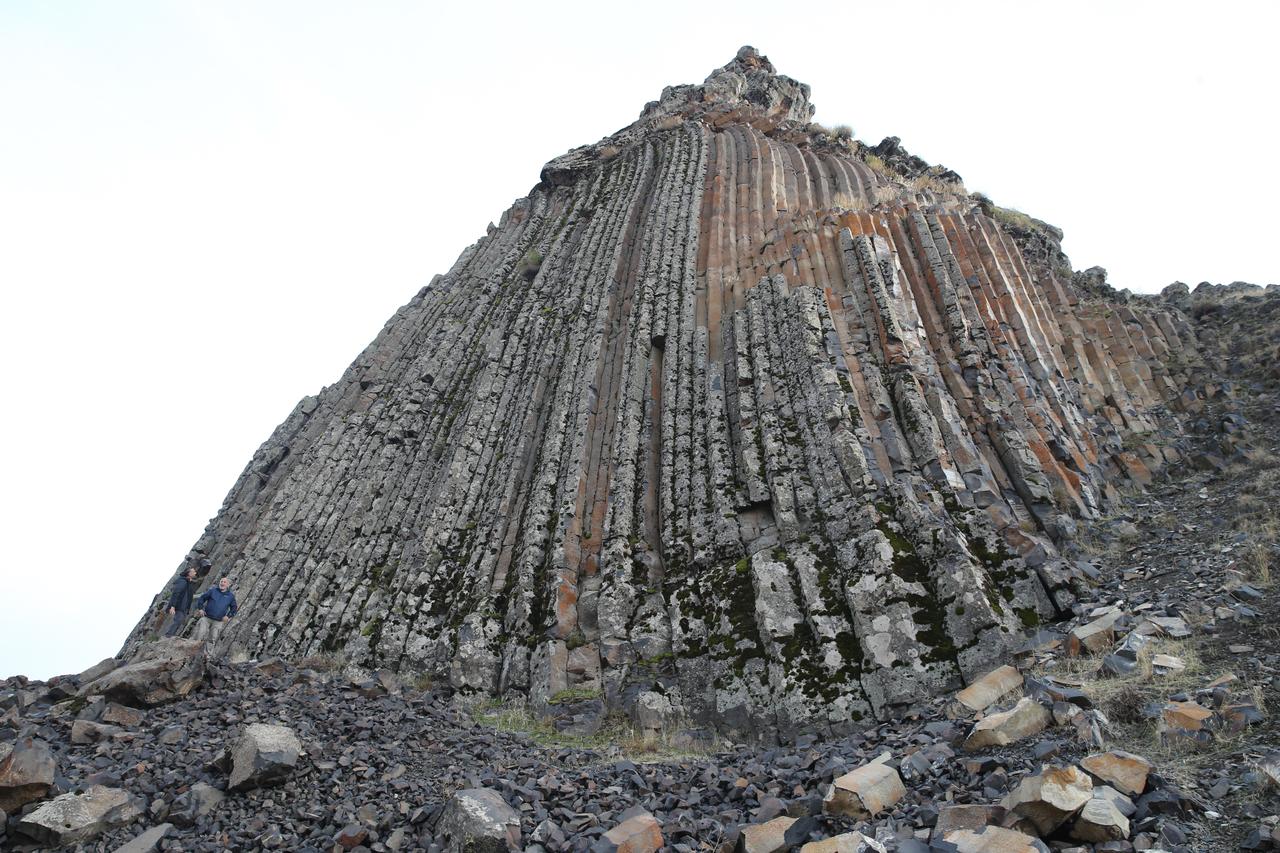


Striking basalt columns rising above the Kaynarca Creek Valley in Türkiye’s eastern province of Mus are emerging as a hidden natural wonder, with experts calling for the formations to be protected and carefully integrated into tourism routes.
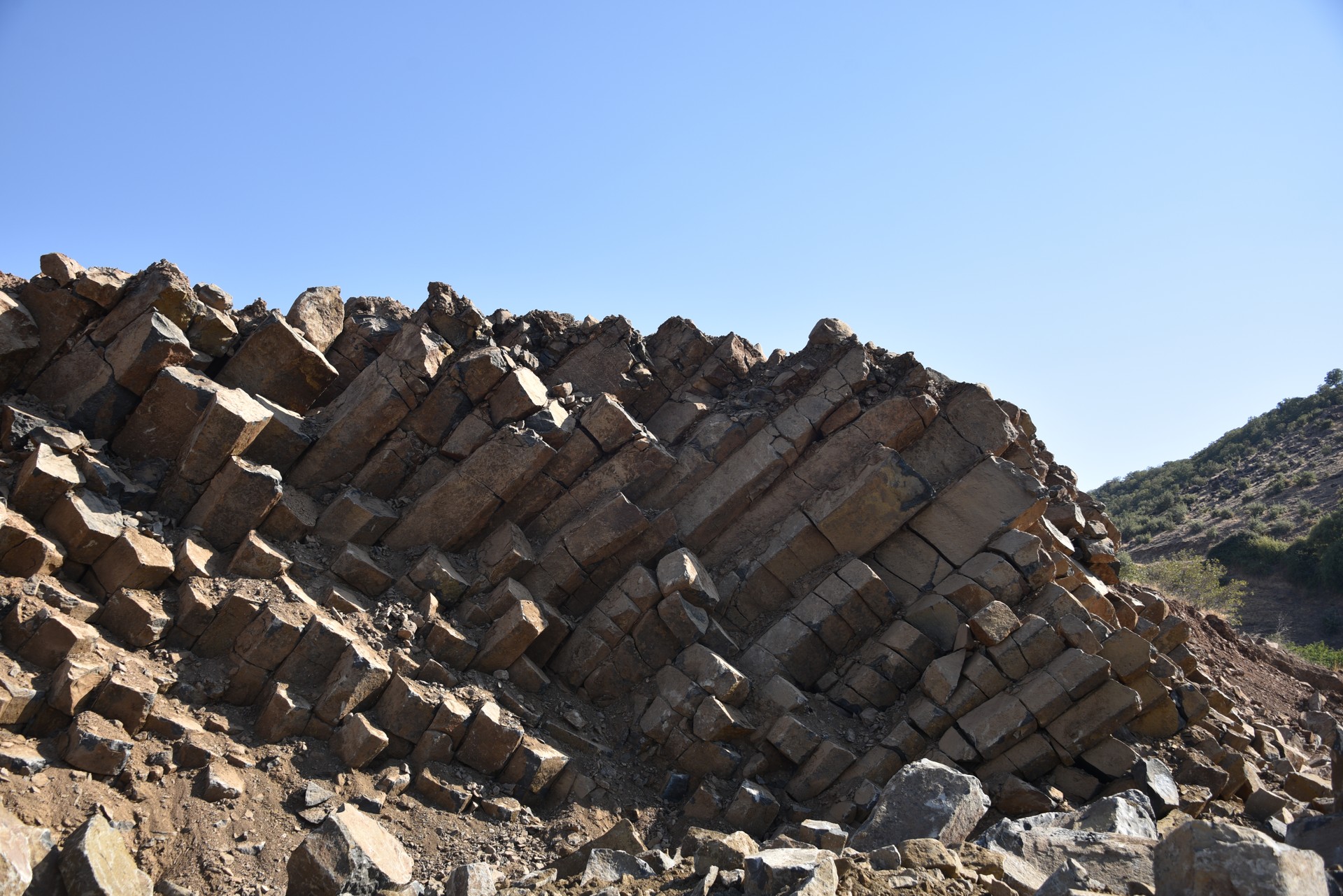
These pentagonal volcanic pillars, estimated to stand around 35 to 40 meters high, are believed to have formed millions of years ago through intense volcanic activity along the Varto fault.
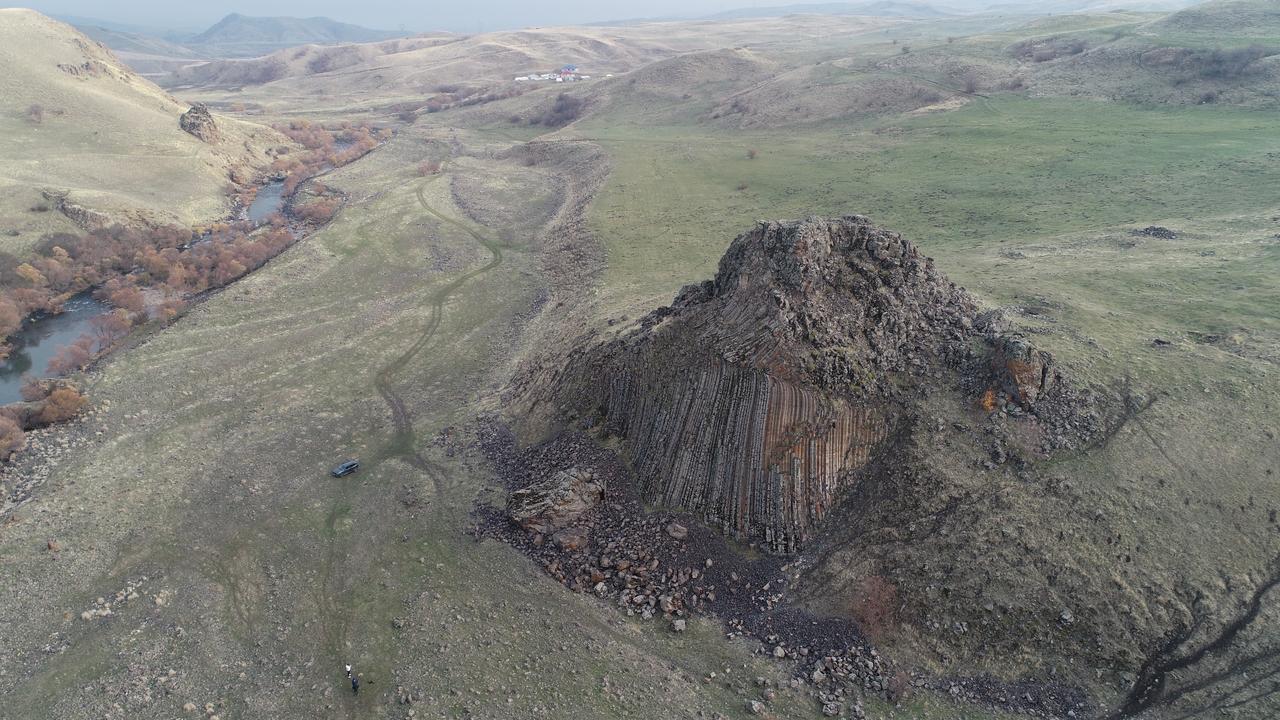

Researchers note that the unusual shape of the columns places them among a limited number of similar structures worldwide. Iskender Dolek, Director of the Disaster Management Application and Research Center at Mus Alparslan University, carried out a study in the area and told Anadolu that the columns should be safeguarded as geological heritage while also serving regional tourism.
He explained that the formations emerged when lava followed weak fracture zones along the Leylekdagi segment of the Varto fault before cooling and cracking into polygonal blocks. While basalt columns are usually hexagonal, those in Varto developed mostly as pentagonal structures, giving the landscape a distinct visual character.
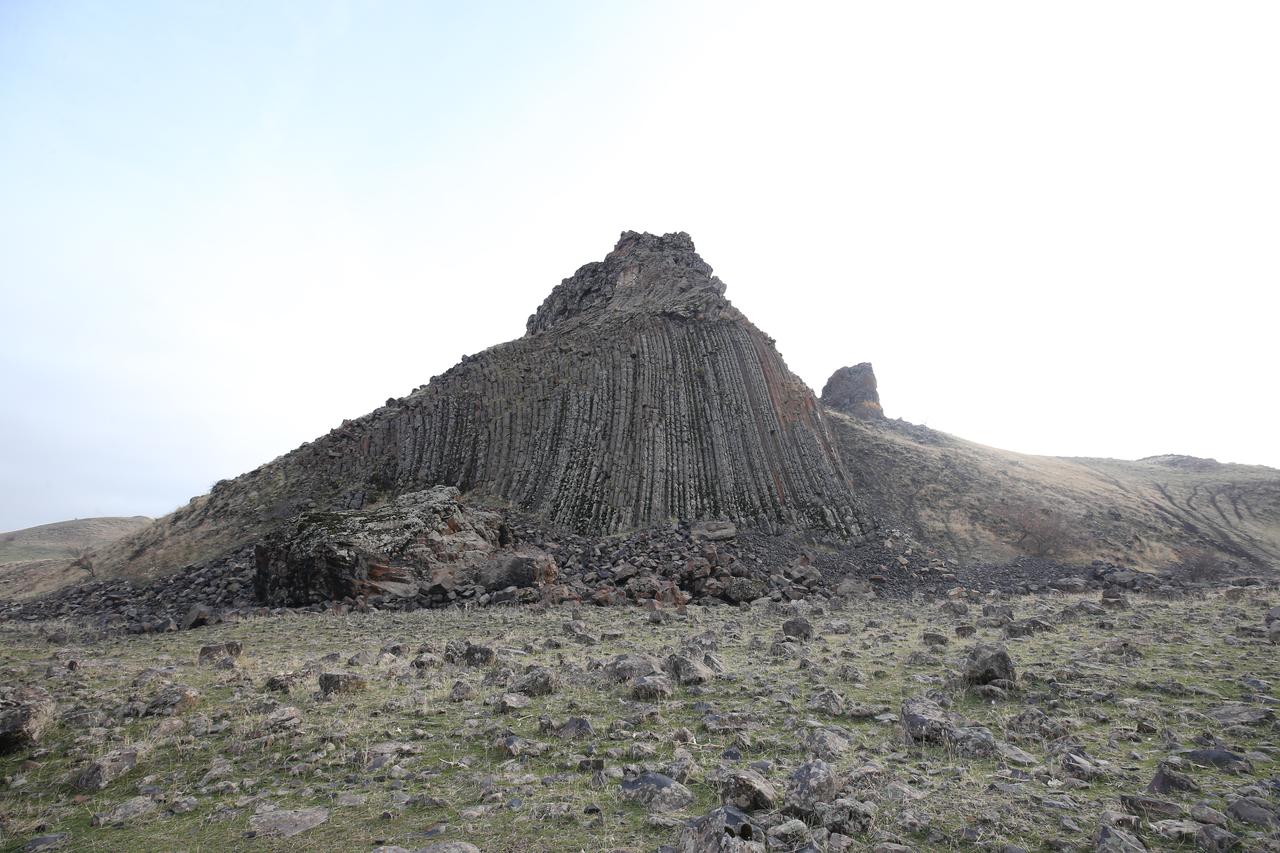
Dolek underlined that the site should be declared a protected area, saying the valley’s ecological richness makes it an even more valuable natural asset. He added that efforts to promote tourism must go hand in hand with conservation-focused planning so that local communities can benefit without harming the fragile landscape.
According to Dolek, the region carries not only tourism potential but also scientific importance. He noted that when the Varto fault zone, the Leylekdagi segment, and the area’s seismic features are viewed together, the valley becomes “a key reference point” for understanding the region’s tectonic and volcanic history.
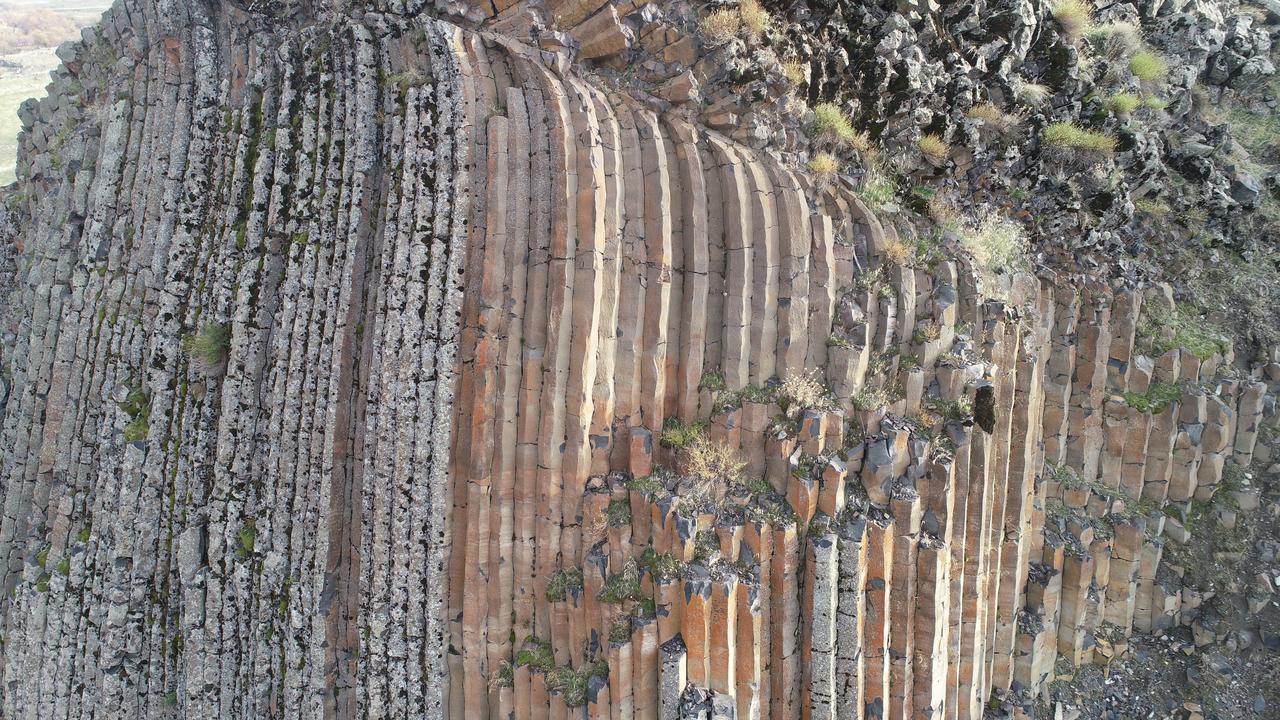
Experts draw parallels between the Mus columns and internationally known basalt formations such as the Giant’s Causeway in Scotland. Dolek said the site’s ecological diversity sets it apart, offering a richer natural environment than many other examples.
He also pointed to basalt column geosites near Ankara’s Kizilcahamam district, which have already been opened to tourism, and stressed that the Mus columns hold comparable potential.
Dolek noted that several conservation-led projects could support both tourism and rural development if the area is officially recognized as a natural heritage site.


 Set as preferred source
 Set as preferred source


 1 min read
 1 min read