Newsletters


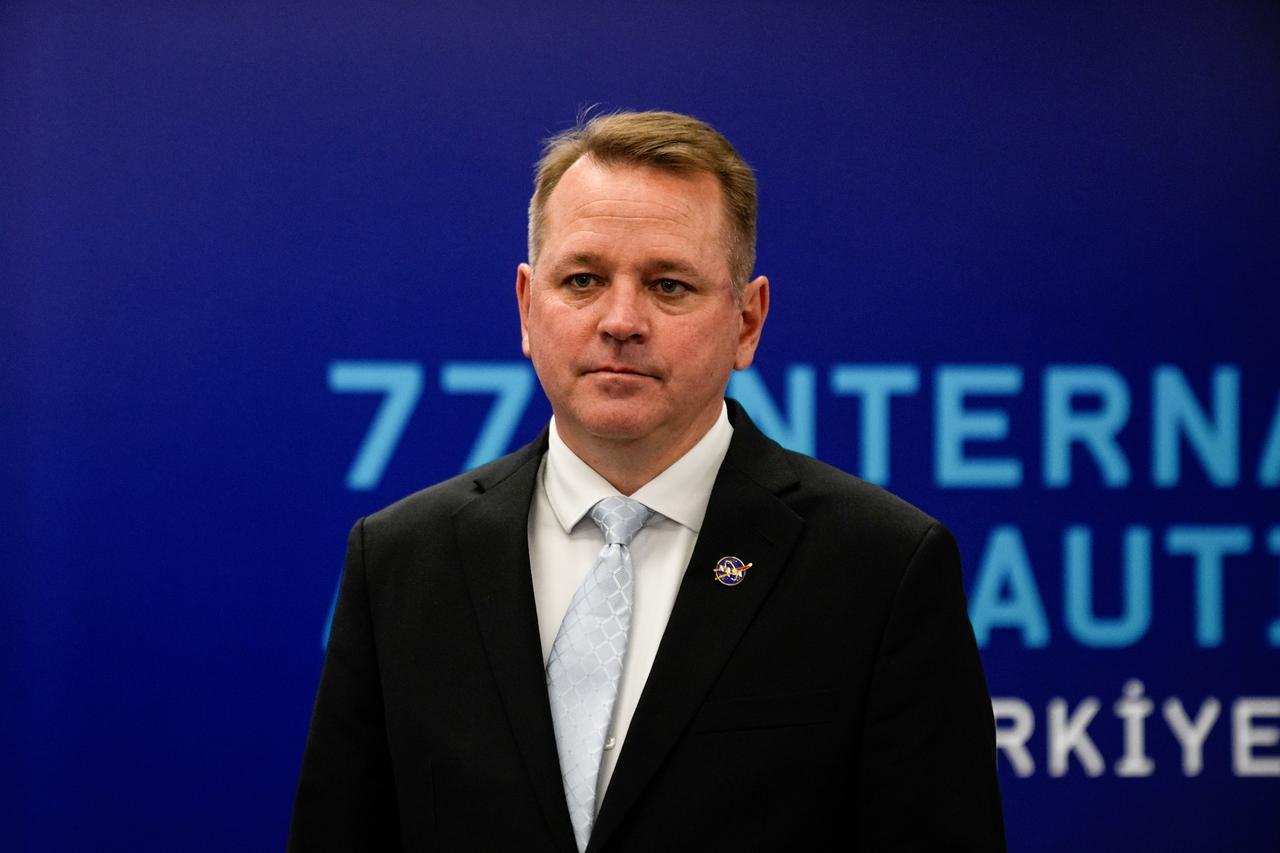


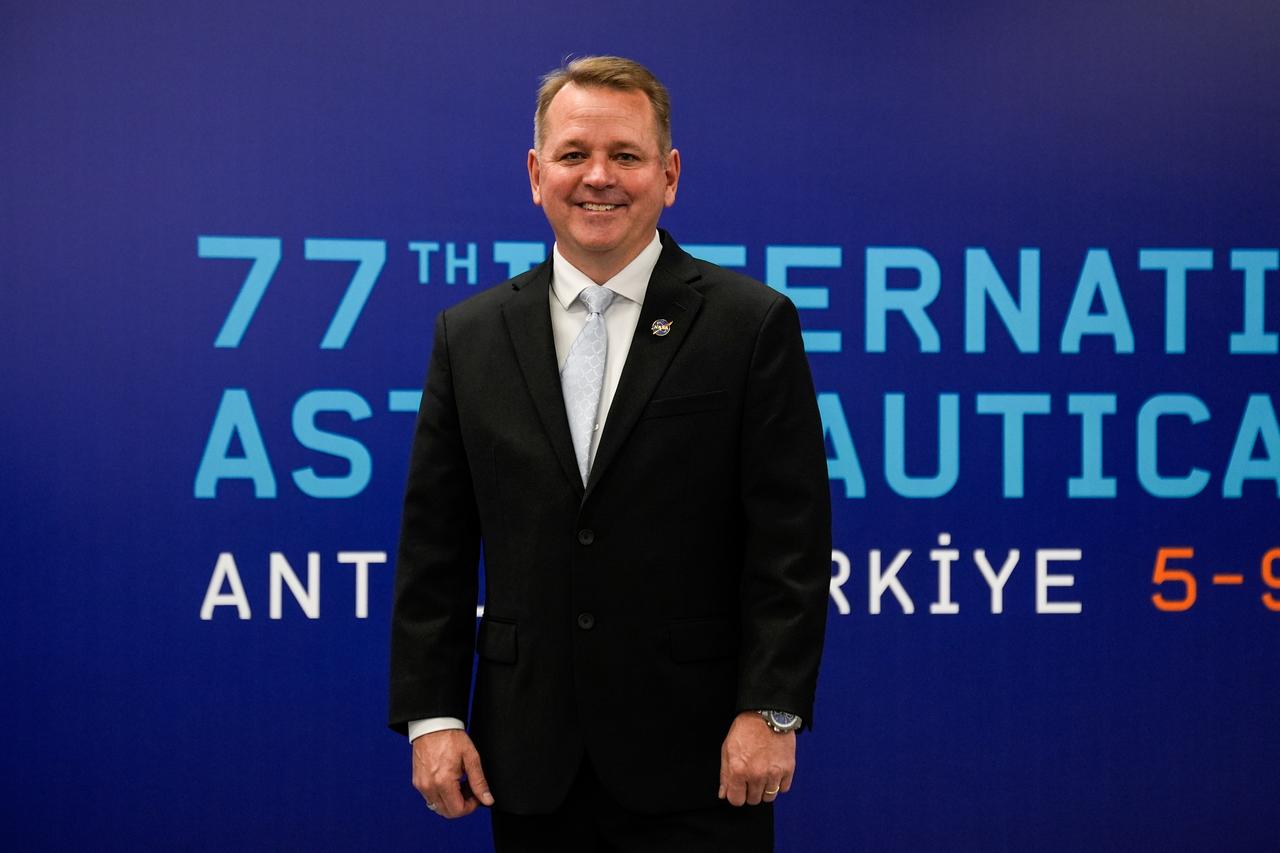
NASA Deputy Administrator Matt Anderson has pointed to Türkiye as a potential contributor to future lunar exploration, saying the country could help with efforts to build a permanent presence on the Moon after joining the Artemis Accords.
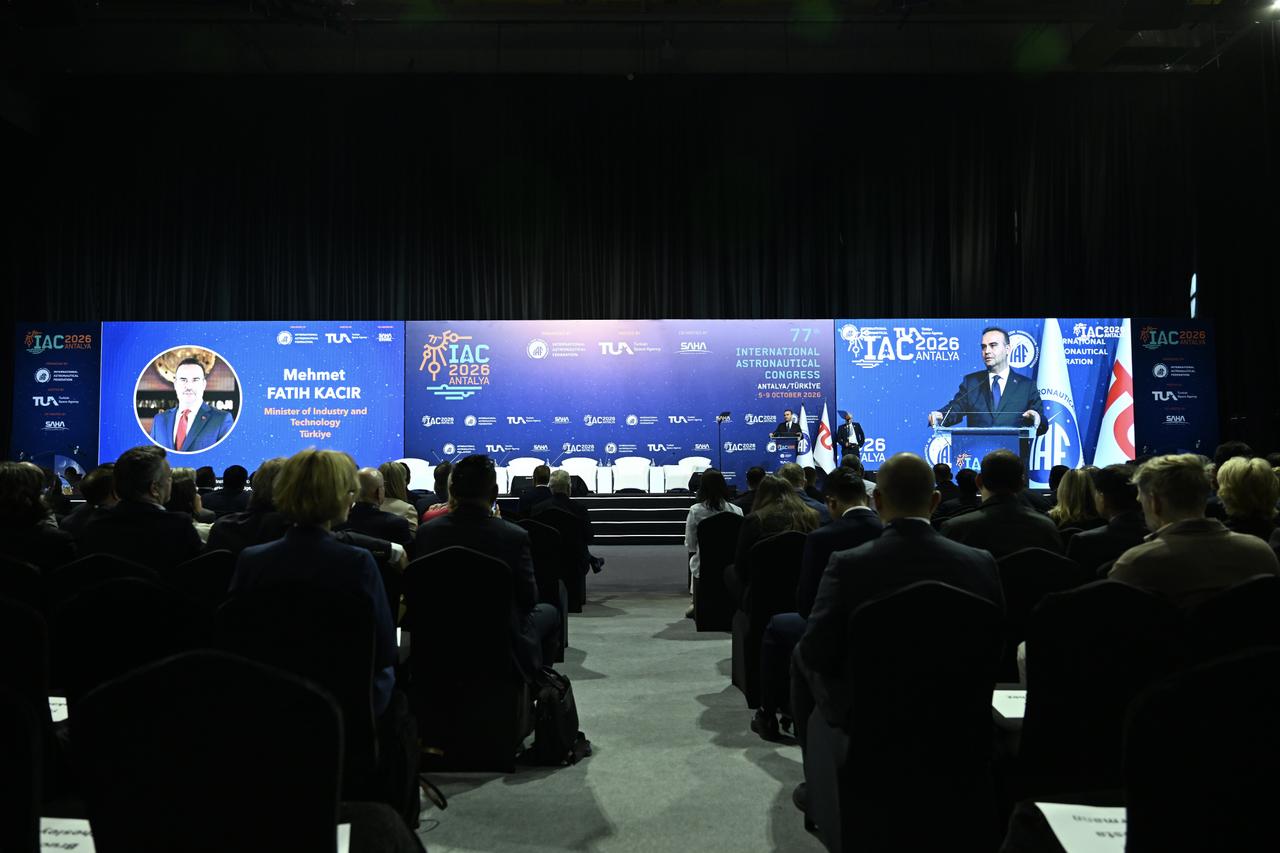
Speaking to Anadolu Agency on the sidelines of the 77th International Astronautical Congress, or IAC 2026, in Antalya, Anderson said he was "really excited for the future of Türkiye in the space community" following its accession to the U.S.-led framework for peaceful civil space exploration.
"With that, Türkiye can now help us, with all the other members of the Accords, go up and build our Moon base. That can help the engineers of Türkiye, the scientists, and maybe even astronauts," Anderson said.
Türkiye signed the Artemis Accords on Sept. 1 at NASA headquarters in Washington, becoming the 71st signatory. Industry and Technology Minister Mehmet Fatih Kacir signed the agreement on behalf of the country.
Launched in 2020 by the United States and seven founding countries, the non-binding Artemis Accords lay out principles for safe, transparent and peaceful civil exploration of the Moon, Mars and other destinations.

Anderson linked Türkiye's participation in the accords to its growing national focus on space, saying the country's decision to sign on showed that space had become a national priority.
"Space is a national priority, and clearly, with signing the Artemis Accords, under President Recep Tayyip Erdogan's leadership, it is a national priority for Türkiye. So, we look forward to that partnership and see where it goes from here," he said.
Türkiye plans to launch its first domestically built lunar spacecraft in early 2027, according to Kacir, while Turkish astronaut Alper Gezeravci became the country's first person in space after flying to the International Space Station in January 2024.
Anderson said the Antalya congress offered an opportunity for Artemis Accords members to build up cooperation through trust, teamwork and training.
"This is a great way for the United States, and for NASA in particular, to work with the other space agencies, work with the other governments, to see where we can build all our objectives," he said.
Anderson's remarks on Türkiye came as he also described the civilian competition between the United States and China as closer than Washington would like.
He said the United States had won the original space race during the 1960s and early 1970s, while the current "space race 2.0" was far tighter. He added that NASA remained confident and hinted that the agency would announce "exciting news" soon, without giving further details.
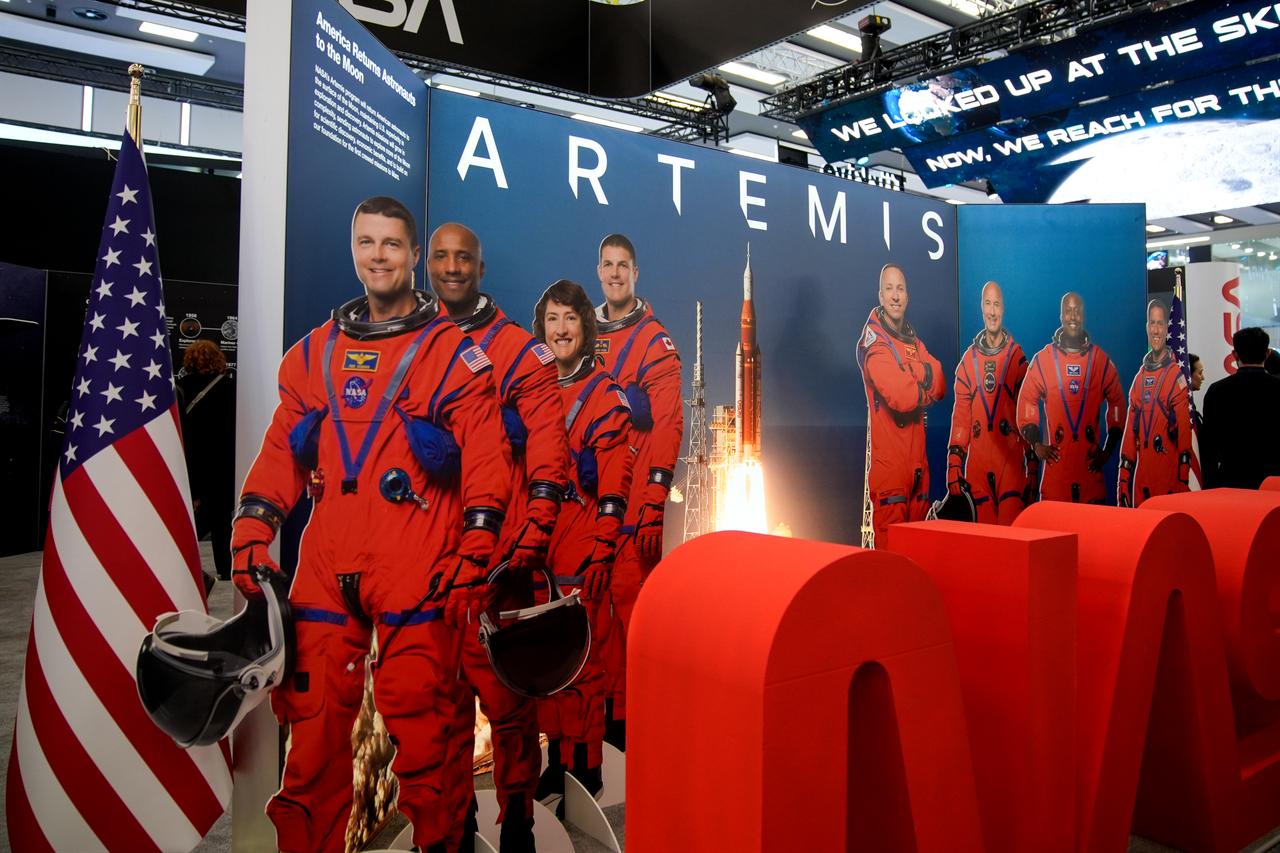
China aims to put astronauts on the Moon by 2030, while NASA is targeting a crewed lunar return with Artemis IV in 2028.
Anderson said NASA's focus remained on scientific exploration and discovery, describing the Artemis era as fundamentally different from the Apollo program because the agency intends to establish a lasting presence on the lunar surface before eventually pushing on toward Mars.
IAC 2026 is being held in Antalya from Oct. 5 to 9. The congress is organized by the International Astronautical Federation and hosted by the Turkish Space Agency, with SAHA Istanbul serving as co-host. It marks the first time Türkiye has hosted the event.


 Set as preferred source
 Set as preferred source


 1 min read